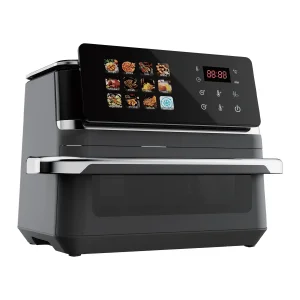
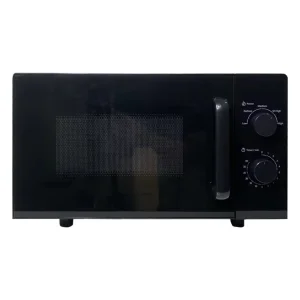
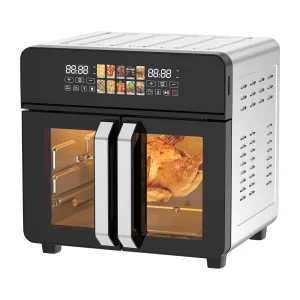
Explore our premium OEM/ODM manufacturing capability with high-durability products engineered for major global retail standards.
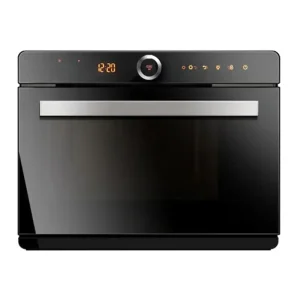
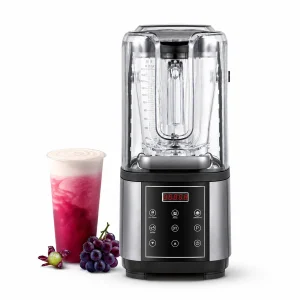
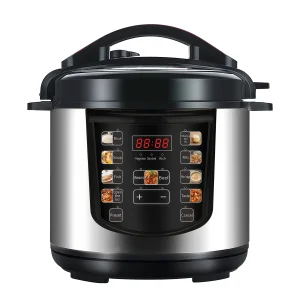
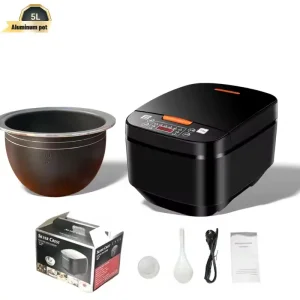
The global small domestic appliance (SDA) landscape has transitioned from basic thermal mechanical products to high-precision, smart-controlled thermodynamic systems. For B2B importers, distributors, and appliance brands, evaluating China pressure cooker slow cooker factories requires an analysis extending beyond basic unit economics. Sourcing managers face multiple pressure points: stringent electromagnetic compatibility (EMC) regulations, material contact safety (such as BPA-free structural plastic and FDA/LFGB compliant non-stick coatings), and supply chain bottlenecks.
Historically, Zhongshan has remained the epicenter of manufacturing in China. With access to raw metal fabrication, plastic molding facilities, integrated circuit design laboratories, and complex logistics hubs, factories in this region offer structural cost advantages and deep design flexibility. Working directly with a premier electric pressure cooker OEM supplier ensures that compliance steps are integrated directly into the product lifecycle—from raw material screening to functional end-of-line quality control checks.
Modern consumers demand versatility. Standard product designs are shifting toward hybrid cooker configurations that combine slow-simmering processes with safety-locked high-pressure functionalities. These advanced dual-heating appliances depend on dual NTC thermal sensors, sophisticated microcontroller logic units, and high-impact structural frames to withstand severe internal atmospheric shifts without degradation.
Premier OEM/ODM Partner Specializing in High-Performance Small Domestic Kitchen Appliances
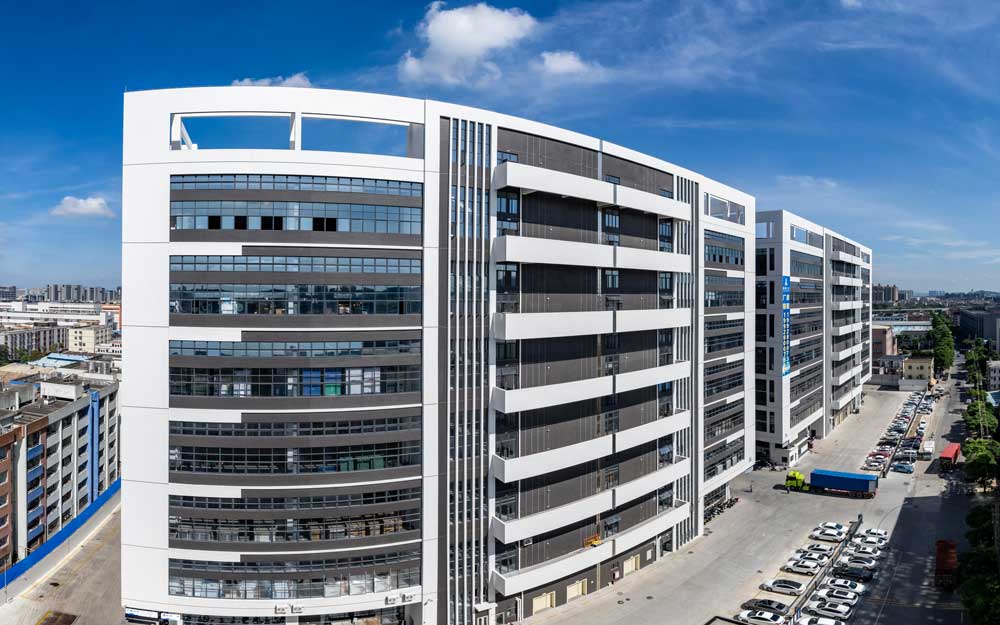
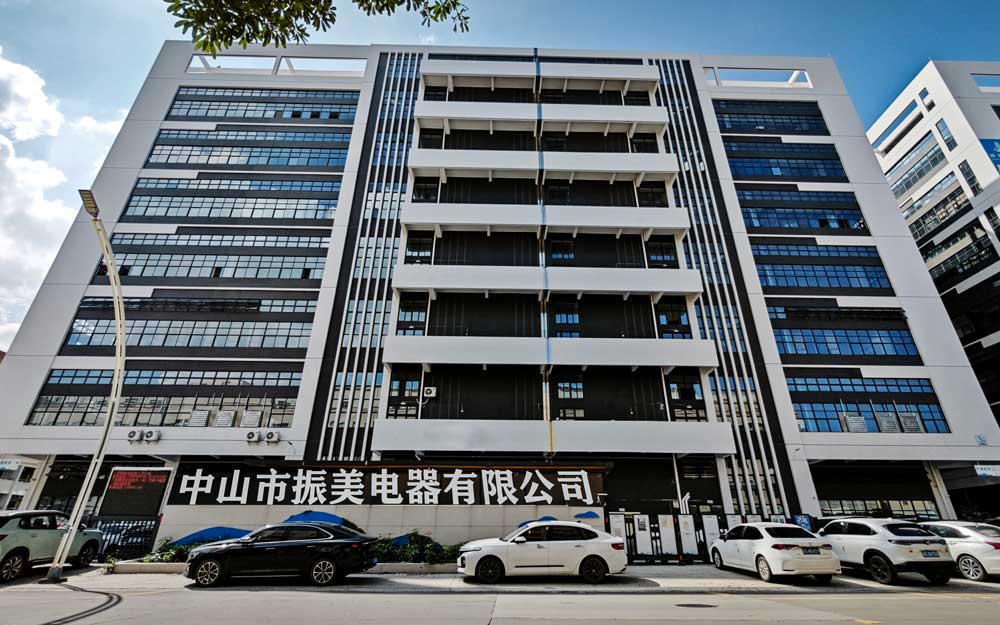
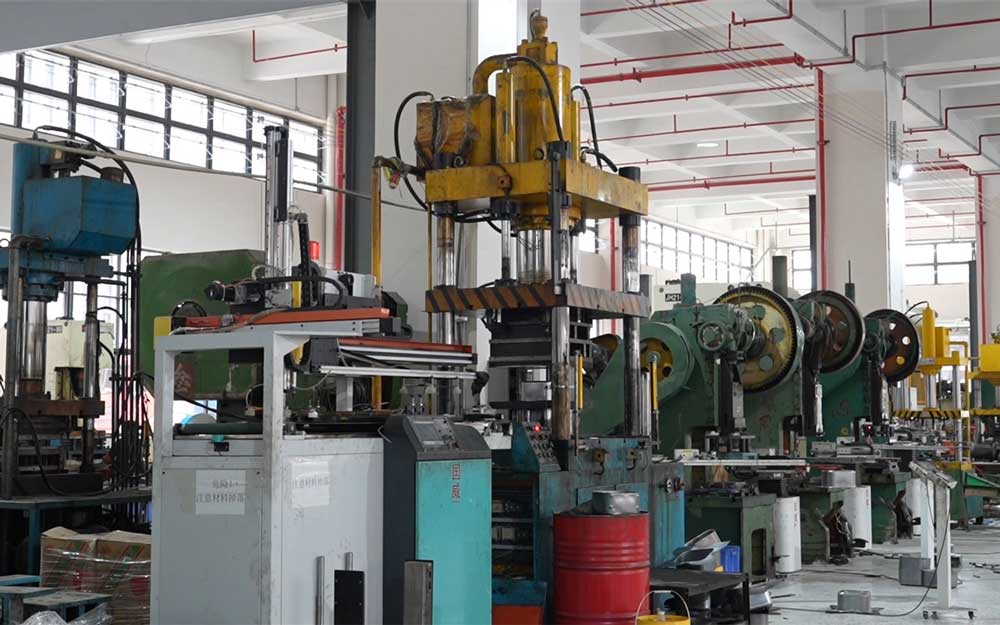
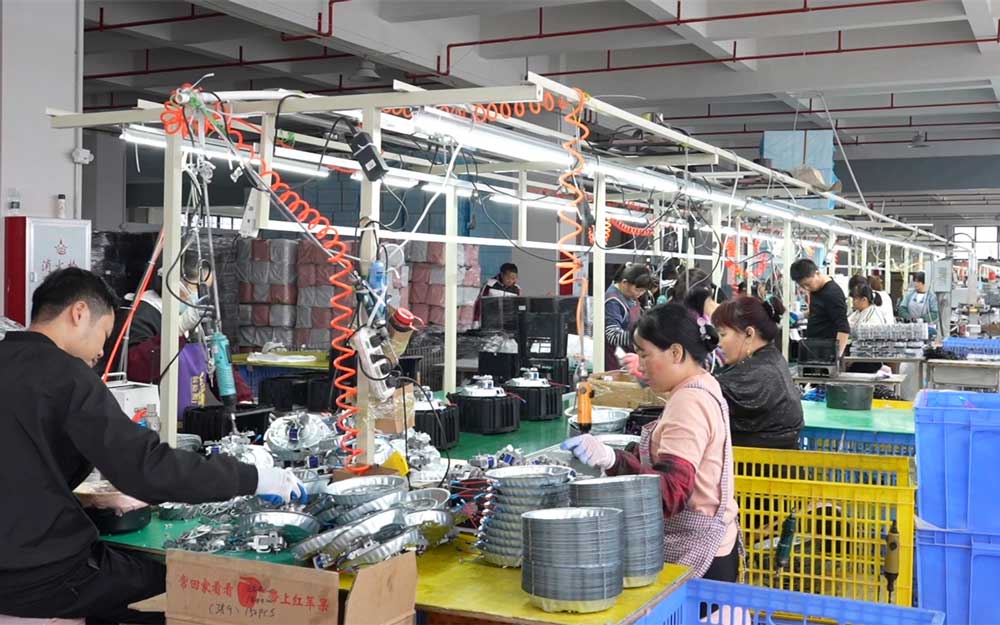
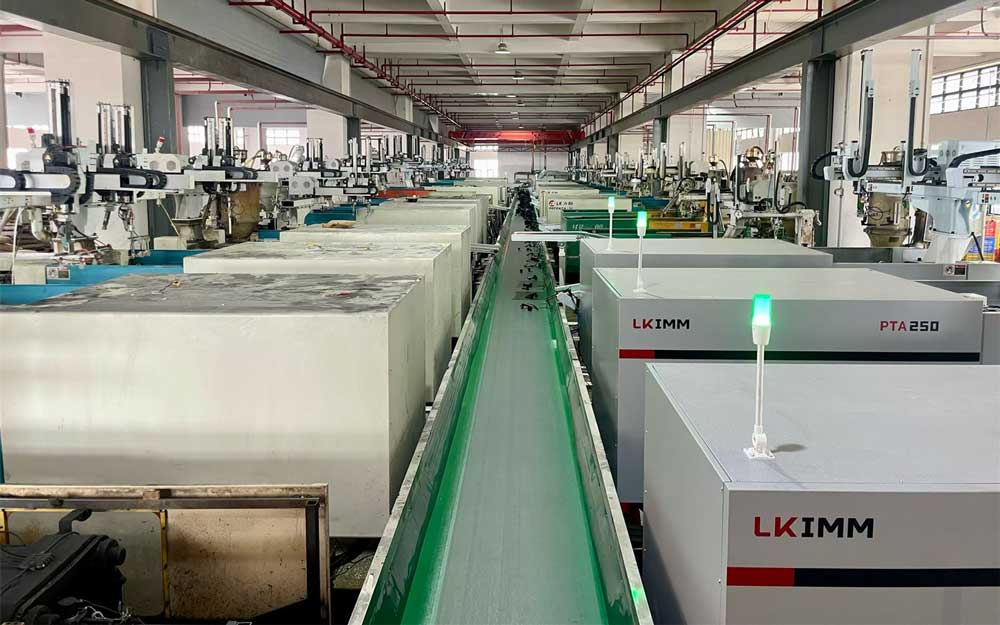
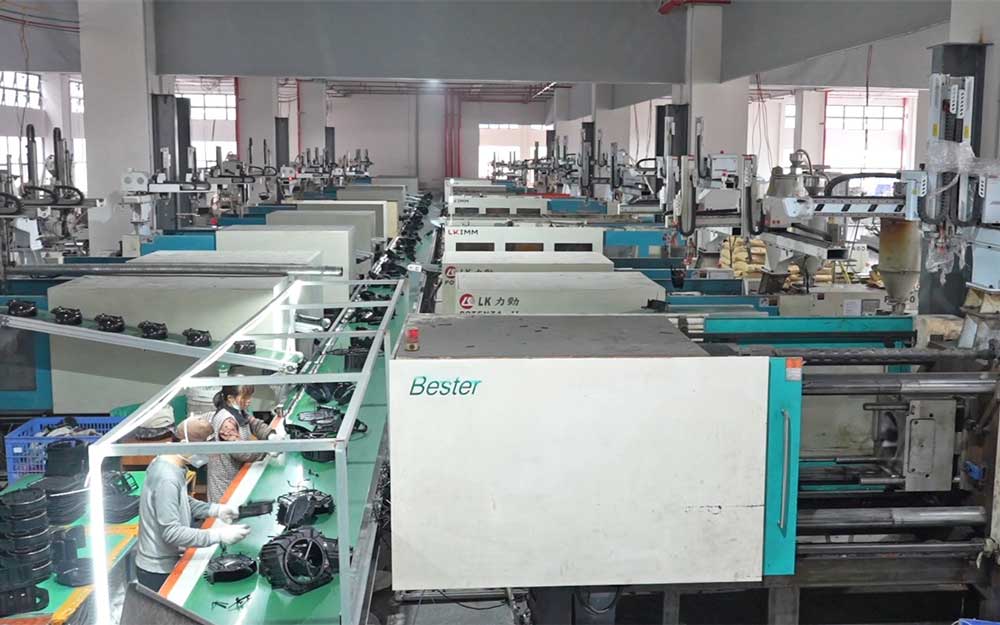
Our strength lies in robust in-house manufacturing. Operating from a 40,000 sqm advanced facility, powered by 300+ dedicated professionals and 20+ R&D experts, we ensure precision and control at every stage.
Our massive 10,000+ units daily output reliably meets the demands of high-volume orders worldwide. We are committed to excellence, underpinned by a rigorous quality control system that guarantees the safety and reliability of every product.
We are the trusted, end-to-end solution for your OEM/ODM needs. Choose us for innovation, scale, and reliability. Let's build your next success story together.

Understanding local market variations is critical for successful international small domestic appliance distribution. The table below represents regional standards, specifications, and regulatory frameworks required when purchasing from a China slow cooker factory:
A primary point of differentiation in premium pressure and slow cookers is the design of the inner vessel. High-tier suppliers utilize heavy-duty materials, such as double-sided non-stick coated aluminum alloys, or food-grade SUS304 stainless steel with multi-ply impact-bonded bases. In slow-cooking appliances, high-density glazed stoneware is standard. This material choice ensures even heat absorption, slow heat dissipation, and prevents food scorching at low wattages.
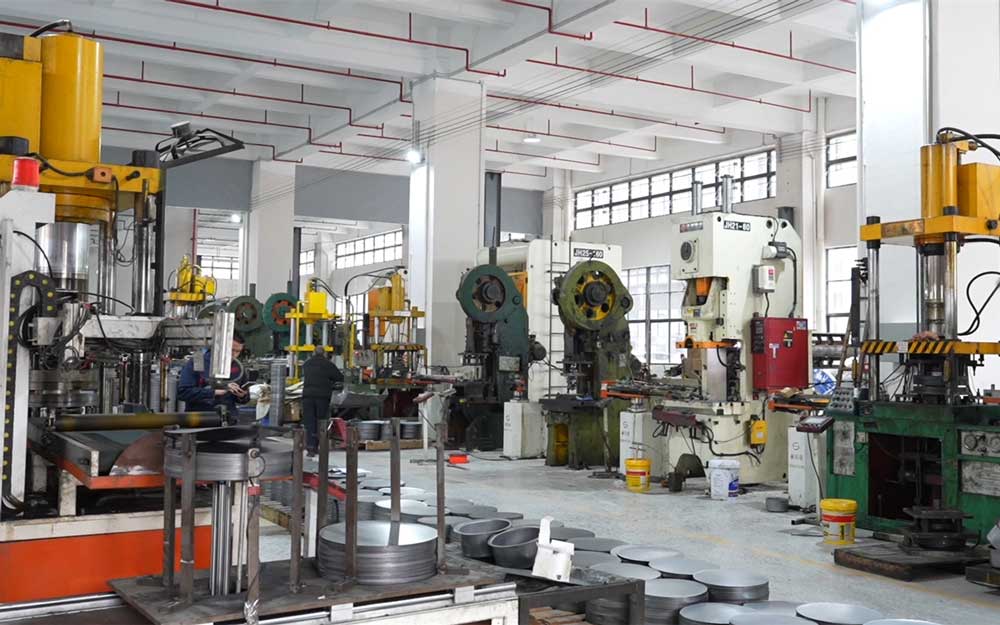
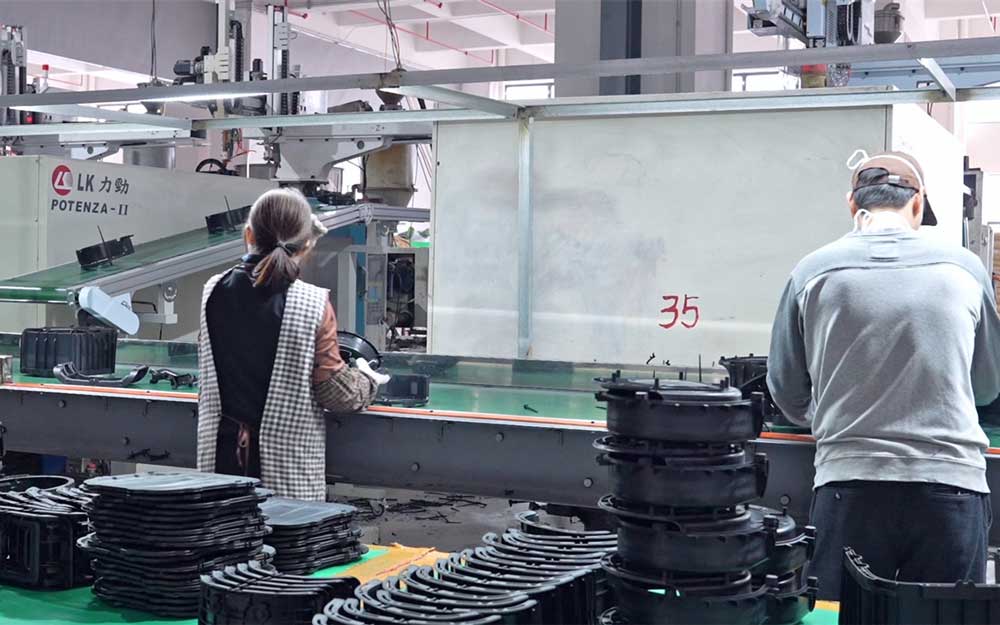
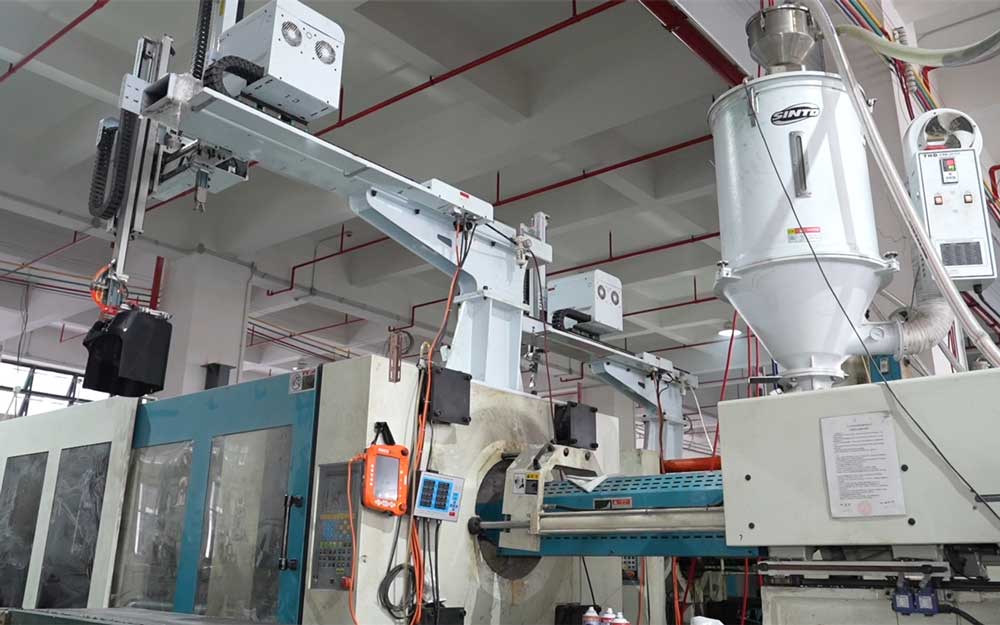
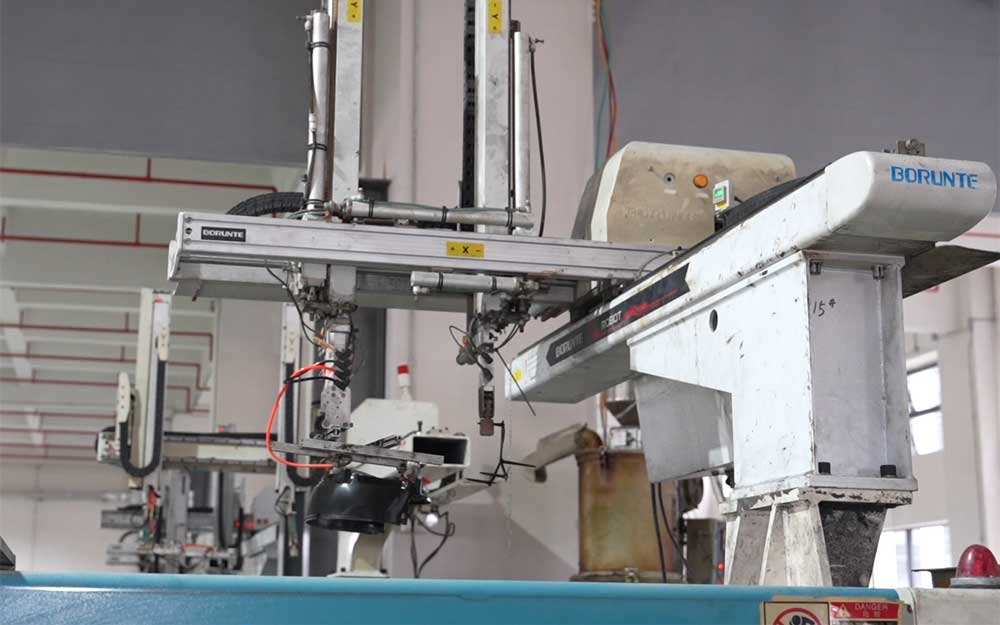
The global small appliance market is highly sensitive to component disruptions. At Zhongshan Zhenmei, we mitigate supply chain volatility through deep backwards integration. Our 40,000 sqm facility houses specialized units for sheet metal stamping, injection molding, heating plate die-casting, and PCB assembly. Managing these key structural component lines in-house shields our clients from third-party delays, maintaining a stable 10,000+ unit daily output.
For international buyers looking to develop proprietary kitchen appliances, we offer a structured, multi-phase developmental timeline designed to reduce time-to-market while ensuring structural safety compliance:
As standard kitchen appliances become increasingly connected, the R&D roadmap for China electric pressure cooker factories is centering on three primary engineering pillars: induction heating (IH), multi-sensor safety networks, and smart IoT control systems.
Traditional electric cookers rely on a single heating element underneath the pot, which can lead to uneven cooking. Next-generation multi-cookers feature integrated electromagnetic coils that wrap the entire vessel. This design generates heat directly within the metal of the pot, allowing for fast, precise temperature changes.
Our research lab has engineered multi-point sensor arrays that monitor both temperature and pressure in real-time. By continuously tracking atmospheric shifts inside the chamber, the onboard MCU can instantly shut off power if it detects abnormalities, ensuring consistent cooking safety.
By integrating low-energy Bluetooth and dual-band WiFi modules directly onto the main PCB board, users can control, monitor, and adjust cooking parameters remotely. This technology allows seamless cloud recipes, automated cooking adjustments, and remote updates.
In addition to thermodynamic enhancements, modern cookers are moving toward more eco-friendly surface coatings. Factories are reducing their reliance on PTFE, substituting it with silicon-ceramic hybrid non-stick coatings. These new coatings are free of PFOA, PFOS, and heavy metals, offering superior scratch resistance and ensuring compliance with the European Union's REACH regulations.
Because pressure cookers utilize high steam pressures (ranging from 50kPa to 90kPa) to cook food, safety is the single most important factor during design and production. Our factory maintains a strict quality control workflow that tracks every step of manufacturing, ensuring consistent product safety and reliability:
All incoming materials are inspected before assembly. We test key components like structural steel sheets, silicone seals, microswitches, and heating plates for thickness, composition, and electrical safety. Component batches that do not meet our specifications are rejected and returned to suppliers.
Quality checks are integrated at every step of the assembly line. Automated testing machines check internal wiring, ground connections, and visual components. Specialized test stations verify the alignment of the locking lid assembly, ensuring it seals tightly to prevent steam leaks.
Before packaging, every finished cooker undergoes functional testing. This includes high-voltage safety tests to check for electrical leaks, followed by a pressure test where the unit is run at maximum capacity to verify that safety valves and pressure sensors function correctly. We also perform drop tests and simulated shipping vibrations to ensure the packaging keeps the product safe during transit.
Direct technical and commercial answers designed for sourcing professionals, import agents, and brand managers.
For standard OEM orders utilizing our existing molds with custom packaging and logo placement, the typical lead time is 35 to 45 days after design approval and deposit receipt. For complex ODM projects requiring new structural molds, the tooling phase takes approximately 45 days, followed by 30 days for pre-production testing, validation, and trial runs.
Our products are engineered with an integrated safety matrix, including lid-locking sensors, primary pressure release valves, secondary anti-block safety valves, and automatic shut-off microswitches. We run every unit through a high-pressure test station before it leaves the factory, ensuring compliance with UL 1026 and European CE-LVD guidelines.
Our standard MOQ for custom packaging, color adjustments, and localized instruction manuals is 1,000 units per model. This minimum allows us to run production efficiently and source materials cost-effectively. However, we can occasionally accommodate smaller trial orders for established B2B partners under specific terms.
Yes, all cooking surfaces are tested to ensure safety. We construct our inner pots from high-grade aluminum alloys or food-safe SUS304 stainless steel. All non-stick coatings undergo testing to ensure they comply with FDA (United States) and LFGB (Germany/Europe) food-contact regulations, confirming they are free of PFOA, lead, cadmium, and other harmful substances.
We provide a 1-year product warranty. For bulk container shipments, we include 1% to 2% spare components (such as heating plates, control PCBs, sealing rings, and safety valves) free of charge to support localized servicing. If a major technical defect occurs in a production run, we offer replacement units or credits based on our quality agreement.
Yes, our R&D team can design dual-voltage PCB layouts that switch seamlessly between 110-120V and 220-240V configurations. We can also integrate multi-blade power adapters or modular inlet connectors to meet the needs of different regional markets.
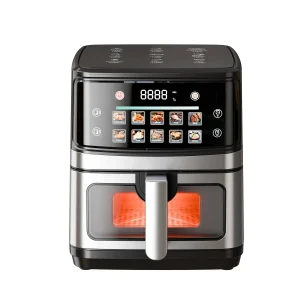
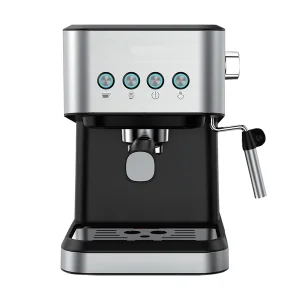
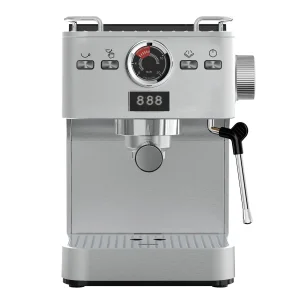
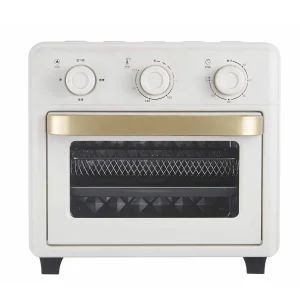
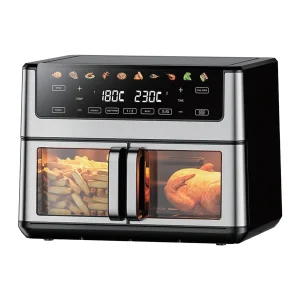
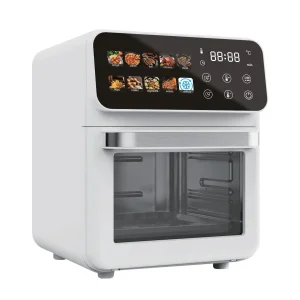
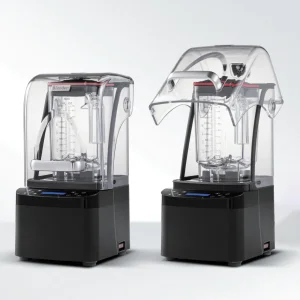
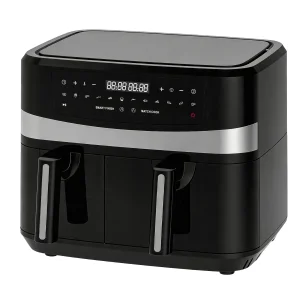
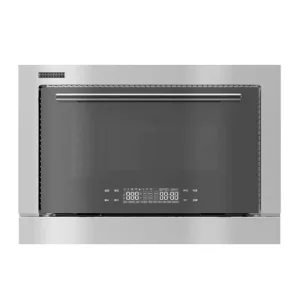
Explore our complete product catalog, featuring commercial-grade blenders, espresso coffee makers, digital ovens, and multi-basket air fryers.
 Zhenmei Electrical