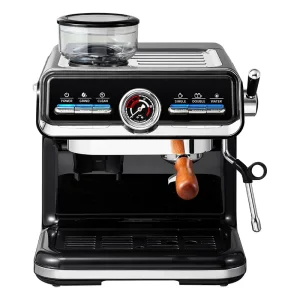
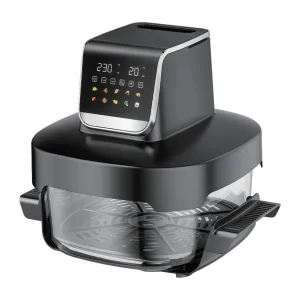
China Pod Coffee Machine Factories & OEM/ODM Excellence

Unveiling Global Supply Chain Solutions, Core Extraction Technologies, and Industrial Manufacturing Trends for High-Performance Portion-Controlled Brewing Systems

16+
Years of R&D Excellence
40K+
Square Meter Facility
10K+
Daily Output (Units)
300+
Dedicated Professionals

1. The Global Landscape & Industrial Realities of Portion-Controlled Brewing Systems

The global beverage appliance industry is witnessing a structural transition. Pod coffee systems (or portion-controlled espresso machines) have emerged as the fastest-growing sector within the domestic and light commercial beverage markets. Unlike traditional filter coffee makers, contemporary pod-based extraction offers portioned precision, consistent temperature control, minimal waste, and instantaneous brewing times. Modern consumer behavior demands retail-grade, customized espressos in home environments, leading to double-digit CAGR growth in Europe, North America, and the APAC region.

To comprehend this explosive growth, one must look at the supply chain dynamics. Major consumer brands rely on highly efficient China pod coffee machine factories for scale, agility, and cost-effective precision engineering. China's Pearl River Delta region, particularly Zhongshan, has solidified its role as the global hardware epicenter for advanced thermodynamic and high-pressure appliance assembly. The integrated ecosystem of plastic injection shops, precision pump builders, electromagnetic valve manufacturers, and safety testing laboratories allows leading original design manufacturers (ODMs) to transition concept sketches to mass-market commercial appliances in record time.

"The integration of portioned packaging (capsules/pods) with high-efficiency pressure pumps has redefined domestic beverage extraction. The key engineering challenge is managing high fluid pressures up to 19 bars while maintaining stable thermodynamic profiles under variable home electrical loads."

2. Technical Architecture: Inside a Premium Pod Coffee Machine

To appreciate the engineering rigor executed within high-quality manufacturing facilities, it is critical to break down the primary technical modules of a modern pod coffee machine:

  • Thermoblock Heating Systems: Rather than utilizing traditional, bulky water boilers that require significant pre-heating times, contemporary pod coffee systems utilize lightweight aluminum or cast alloy Thermoblocks integrated with stainless steel water conduits. This allows water to heat from ambient temperature to 90°C–96°C in under 25 seconds as it flows through the micro-channels.
  • High-Pressure Extraction Pump: Espresso-style pod systems require specialized electromagnetic vibration pumps (commonly sourced from leading manufacturers like ULKA) capable of generating 15 to 19 bars of pressure. This force is essential to penetrate the capsule seal and emulsion the coffee oils into the characteristic "crema."
  • Microprocessor Control Board (MCU) & NTC Sensors: Negative Temperature Coefficient (NTC) thermistors continuously measure block temperature, feeding data to the MCU. The MCU adjusts pulse-width modulation (PWM) to the heating element, keeping the extraction temperature within a narrow ±1°C tolerance.
  • Capsule Puncture and Sealing Mechanism: An array of engineered alloy needles punctures the pod top while high pressure breaks the lower foil seal against a micro-patterned steel plate. Achieving airtight clamping forces of up to 1200 Newtons is critical to prevent bypass leakage.

Thermodynamic Stability

Advanced Thermoblock design ensures rapid thermal ramping, delivering precise extraction temperature consistently from the first cup to the last.

Hydraulic Precision

Stable 19-bar electromagnetic vibration pumps deliver consistent pressure profiles, optimized for premium capsule emulsion and crema development.

Smart Brewing Logic

Integrated MCU controls paired with NTC thermistors offer real-time flow rate adjustability and custom extraction volume profiling.

OEM/ODM Manufacturing Authority

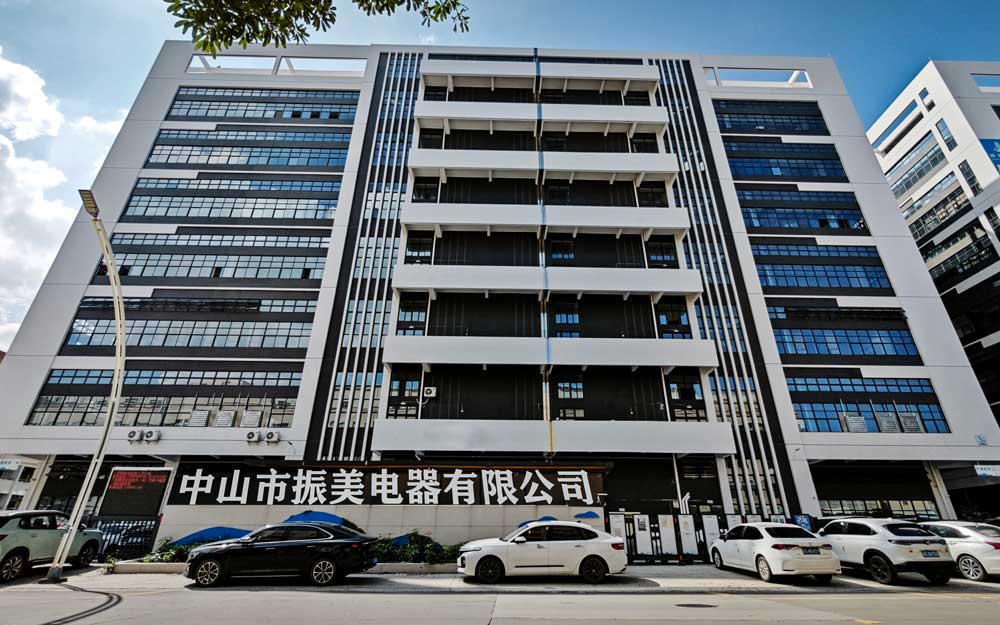
Zhongshan Zhenmei Electrical Appliance Co., Ltd.

Your premier kitchen appliance manufacturing partner with over 16 years of expertise in converting ideas into market-leading consumer products.

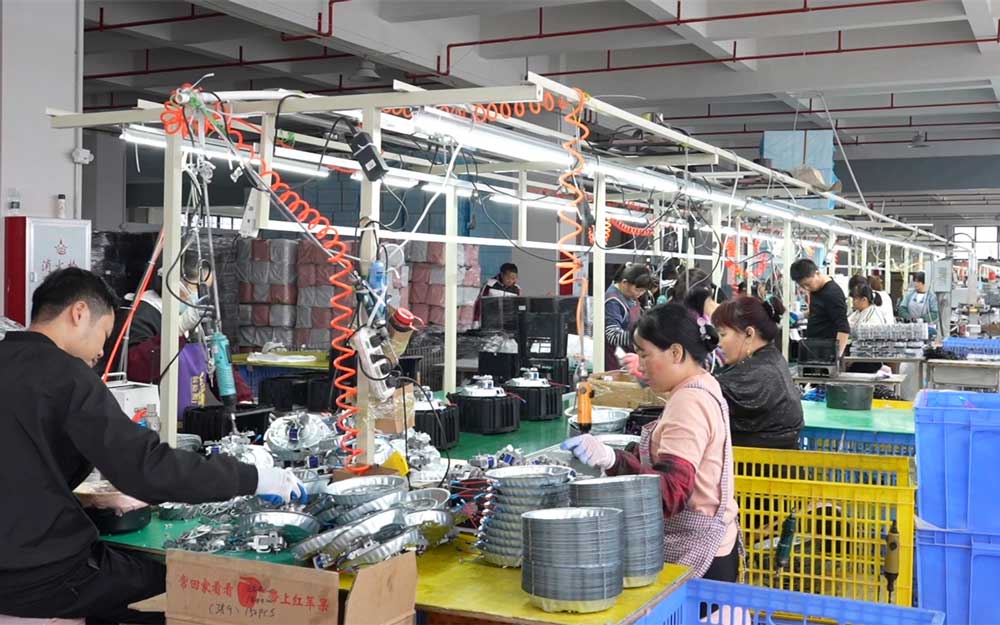
We operate from a state-of-the-art 40,000 square meter advanced facility, powered by more than 300 dedicated professionals, including 20+ expert R&D engineers. Our infrastructure supports a reliable daily output of 10,000+ units to seamlessly fulfill the requirements of high-volume international brands.

Core Manufacturing Advantages

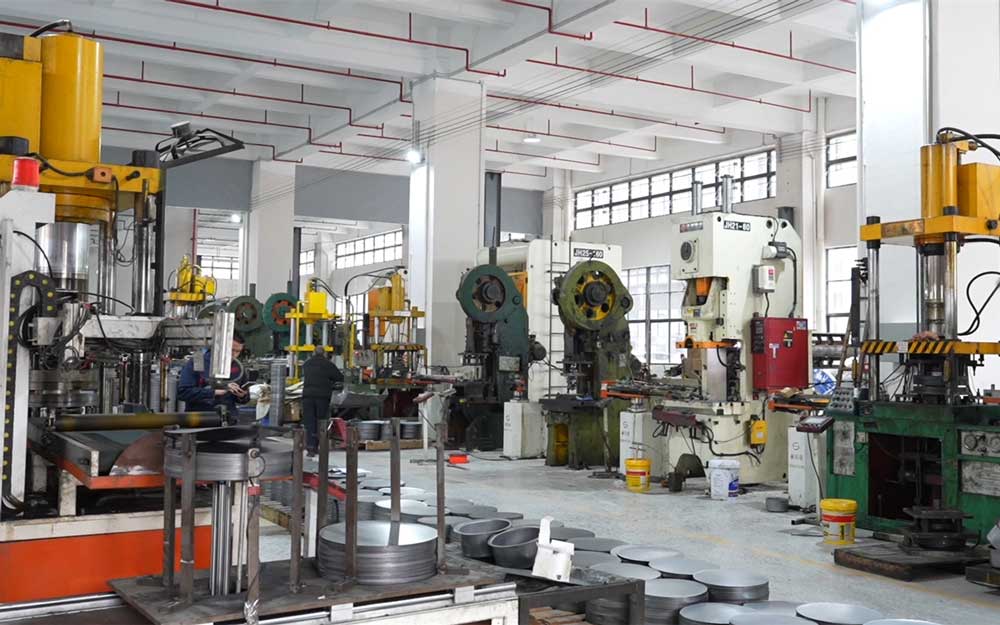
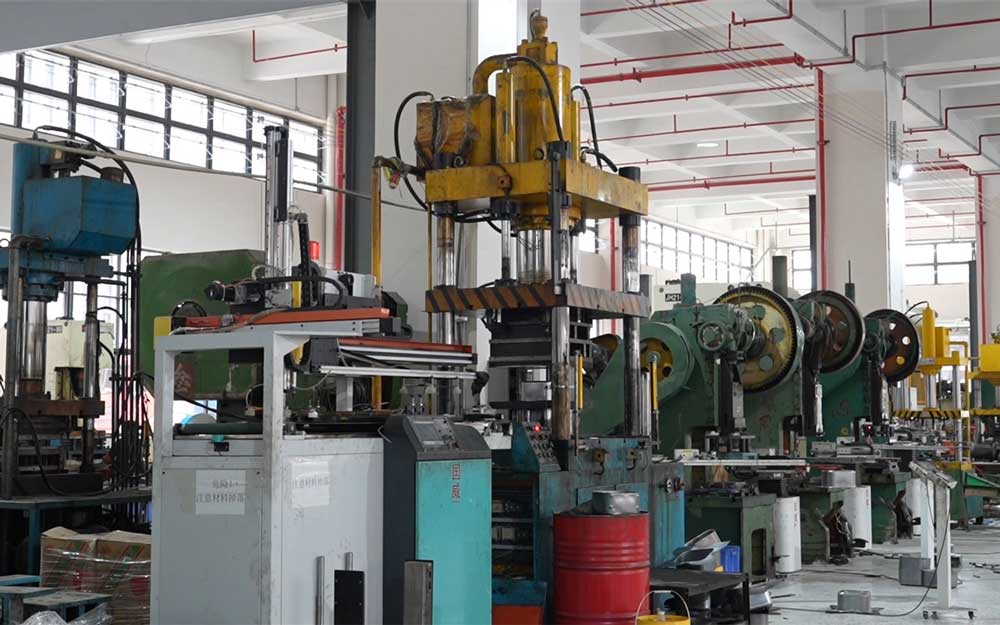
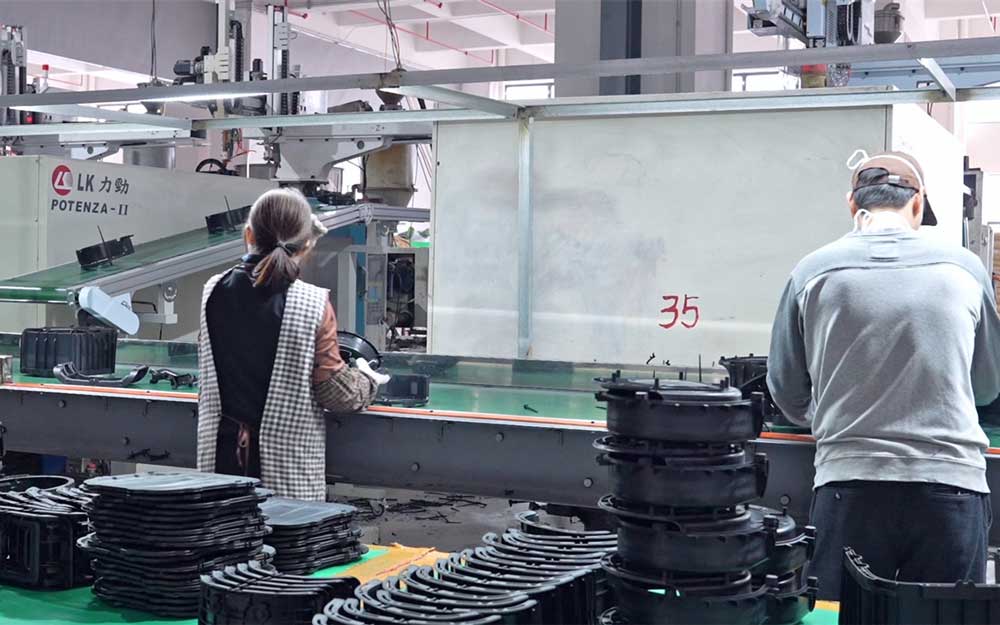
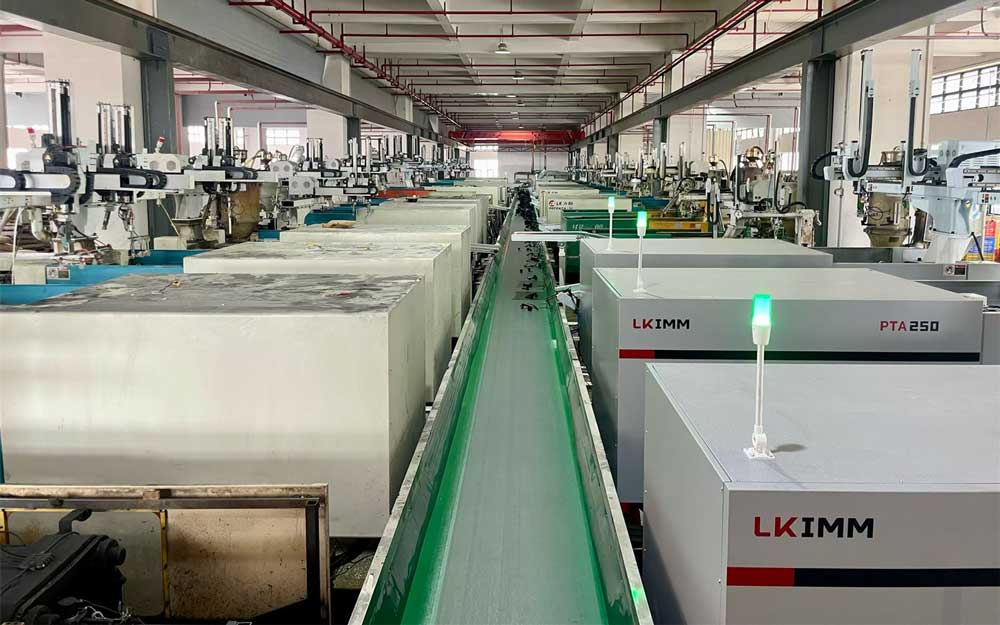
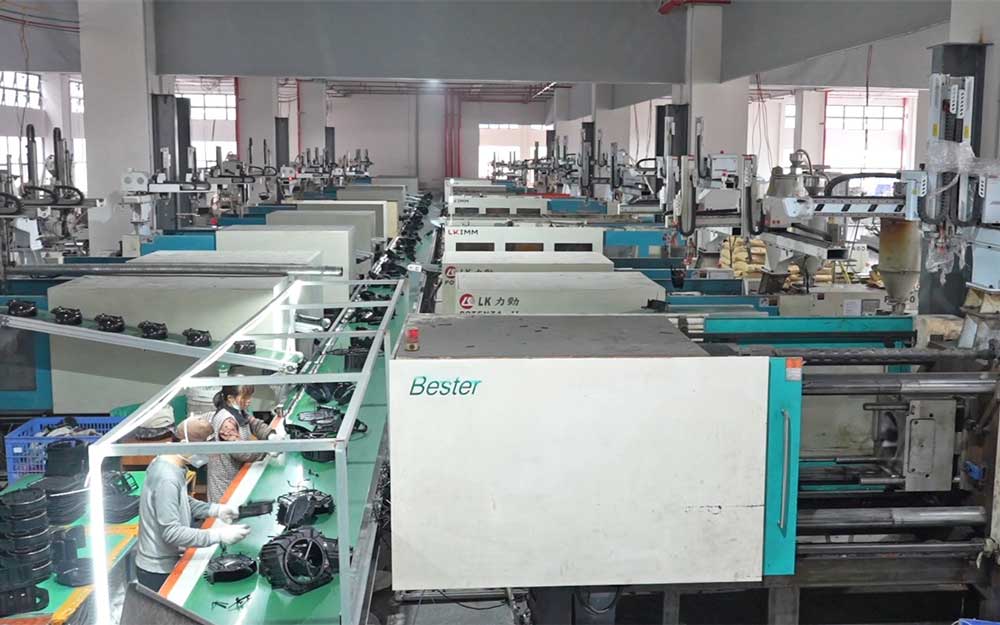
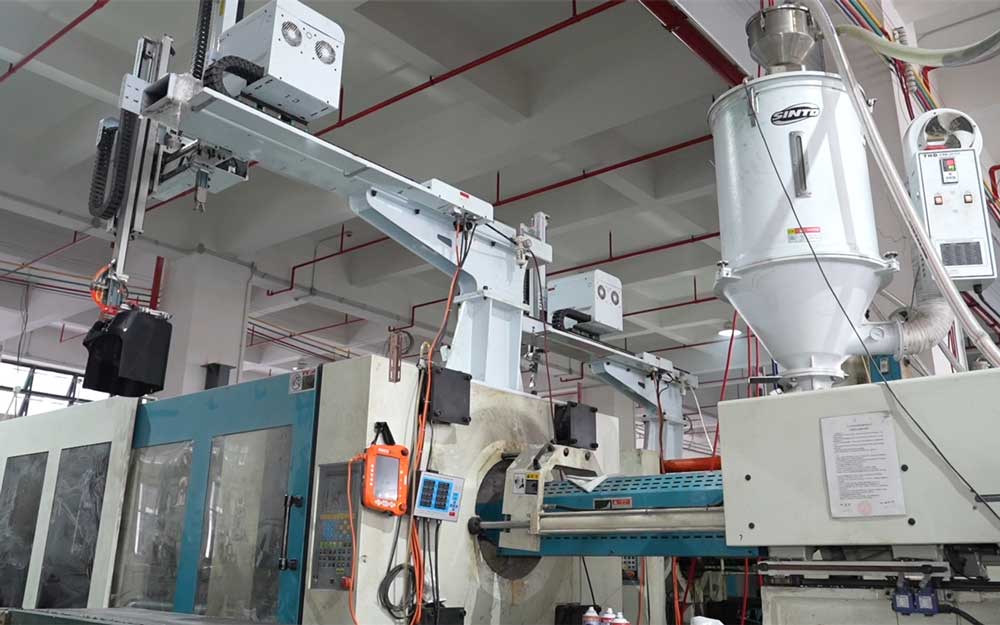
Our strength lies in robust in-house manufacturing. Operating from our advanced facility, we ensure precision quality control at every stage of assembly, injection molding, and electrical testing.

High Volume & Quality

With 10,000+ units of daily capacity, we reliably fulfill high-volume orders. Our rigorous quality control protocols guarantee certified safety and long-term reliability for global markets.

Trusted OEM/ODM Partner

We provide full-spectrum engineering, custom tooling, and packaging design. From concept validation to container loading, we build your next consumer market success story.
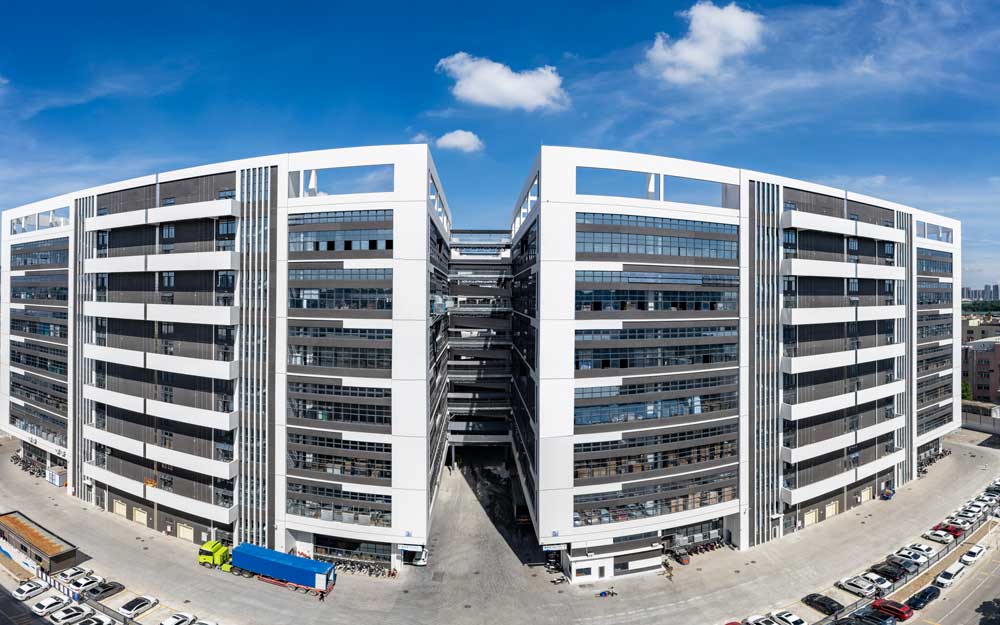
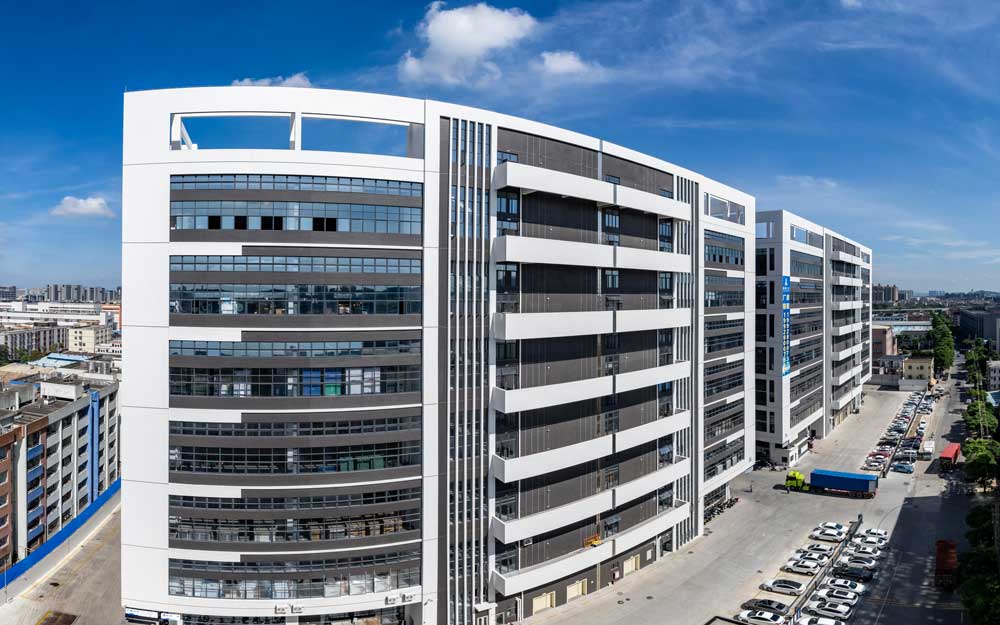
Our Advanced Work Environment

Production Line View 1
Testing Laboratory Area
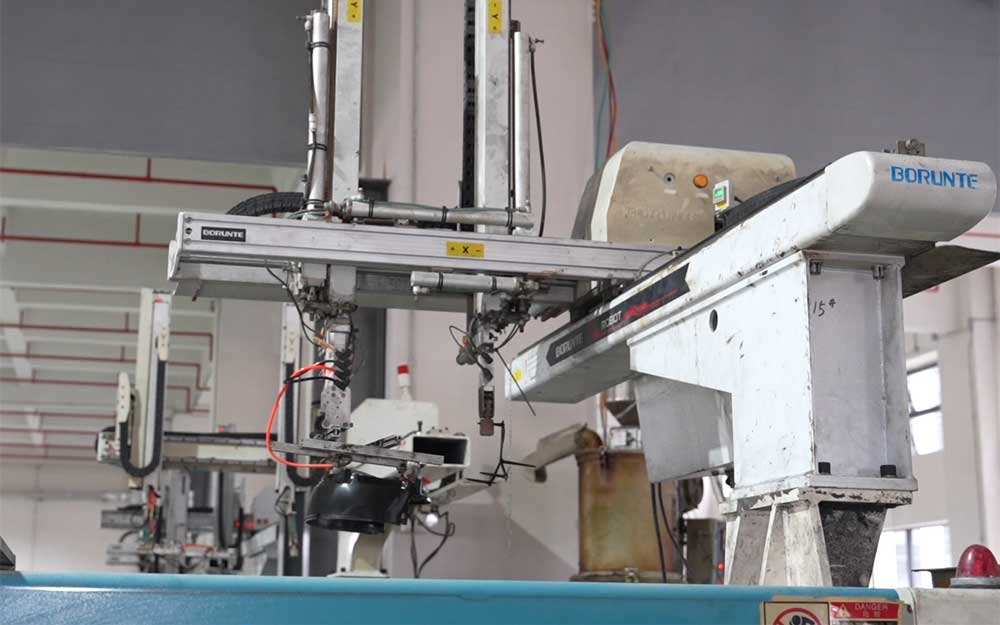
Advanced Injection Molding Equipment
Quality Control Check Station
Assembly Process 1
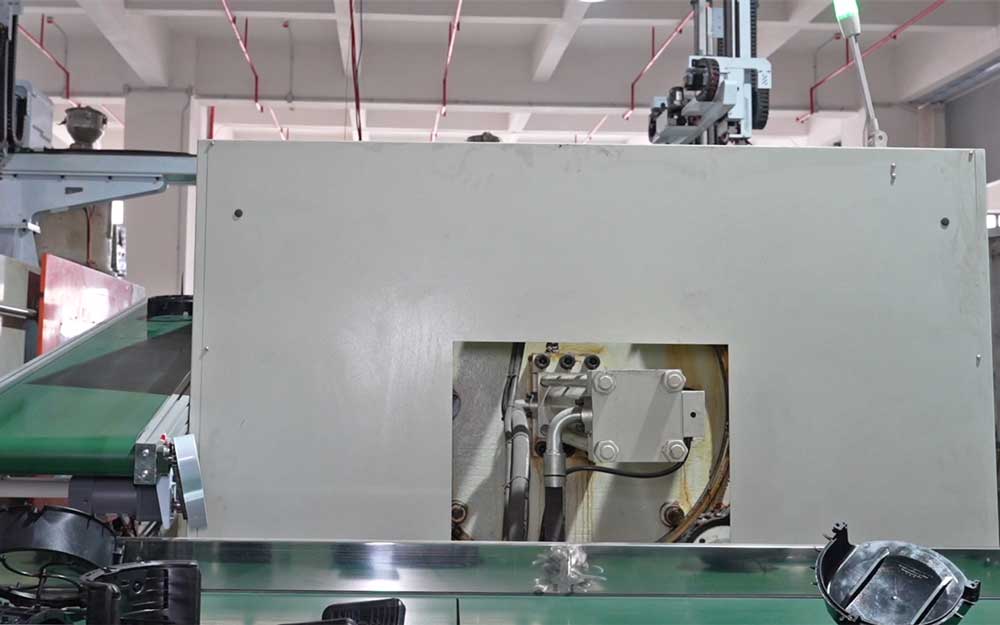
Advanced Machinery Showcase
Production Workshop Raw Materials
Component Assembly Line
Warehouse and Logistics Center
Finished Product Inspection
R&D Prototype Testing Area
Corporate Administration Block

3. Localized Applications, Trend Roadmap, & The Future of Pod Brewers

Consumer preferences vary significantly by geography, necessitating versatile technical platforms from factory partners:

  • North American Market (K-Cup Paradigm): Consumers in the USA and Canada prefer larger fluid ounces per cup (8oz to 12oz) brewed under relatively lower pressures (3-5 bar) using larger pod formats. Our multi-capsule machines offer tailored brewing settings to accommodate both K-Cup profiles and espresso extractions.
  • European Market (Espresso & Lungo Focus): European buyers demand dense, high-pressure extractions (15-19 bar) from small, hermetically sealed aluminum capsules. Accurate water quantity presets (e.g., 25ml for ristretto, 40ml for espresso, and 110ml for lungo) are essential requirements.
  • APAC & Emerging Markets: In Asian urban centers, compact kitchen footprints are critical. Small-footprint machines, energy-saving standby modes (auto-shutoff under 5 minutes), and sleek, minimalist aesthetics drive consumer demand.

Technological Roadmap: The Next 3 to 5 Years

As a forward-thinking OEM/ODM designer, our R&D center is currently engineering solutions that address three critical industry transformations:

1. Multi-Platform Compatibility: Consumer brands seek to minimize tooling inventory by utilizing a single chassis that can adapt to multiple capsule formats (Nespresso classic, Dolce Gusto, K-Cup, and E.S.E. paper pods) via interchangeable extraction drawer modules.

2. Circular Economy & Biodegradable Pod Compatibility: Traditional plastics and aluminum capsules are under heavy legislative pressure. The next generation of pod brewers must adjust internal needle shapes and piercing pressures to handle compostable, plant-based PLA materials, which have higher tensile resistance than standard foil membranes.

3. IoT & Connected Customization: Integrating low-cost Bluetooth and Wi-Fi chipsets allows end-users to customize brewing temperatures, pre-infusion durations, and volumetric flow through dedicated smartphone applications, unlocking new levels of brand loyalty.

4. Macro Industry Solutions & Quality Control Frameworks

For international buyers, importing small kitchen appliances involves managing regulatory compliance, quality verification, and logistics. A premier Chinese factory must serve as a comprehensive solutions provider, handling more than simple assembly tasks.

At Zhongshan Zhenmei Electrical Appliance Co., Ltd., we enforce a strict quality control matrix. Our laboratories are equipped with specialized testing stations:

  • Life-Cycle Test Rigs: Actuating brewing handles and pump mechanics over 10,000 cycles under full thermal load to guarantee years of worry-free use.
  • High-Pressure Hydro-Testing: Pressurizing internal silicone tubes and brass fittings up to 25 bars to verify burst limits and prevent internal leaks.
  • Energy Efficiency and Standby Verification: Confirming compliance with European ErP directives for low power draw in idle states.
  • Food Contact Safety Protocols: Ensuring all materials coming in contact with water (including the Thermoblock interior, NTC probe sheath, and brewing chamber) are certified BPA-free and meet FDA, LFGB, and RoHS compliance standards.
Technical Q&A

Frequently Asked Questions (FAQ)

Get professional technical insights straight from our R&D engineering department.

What is the typical MOQ for custom OEM pod coffee machine configurations?
Our standard Minimum Order Quantity (MOQ) for custom plastic colorways, branded logos, and region-specific certifications starts at 1,000 units per run. For full ODM developments requiring custom housing molds, the MOQ is negotiated based on tooling amortization timelines.
How do you prevent scaling and calcification issues in the heating element?
We utilize premium grade food-safe stainless steel (SUS304) heating coils within our cast-aluminum Thermoblocks. The highly polished interior surface prevents mineral adhesion. Additionally, our firmware features built-in descaling warning systems to prompt user maintenance cycles based on flow volume.
Does the machine support multi-voltage compatibility for export?
Yes, our product lines are customized with specific heating elements and internal controllers rated for 220V-240V (primarily for EU, APAC, and UK markets) or 110V-120V (for USA, Canada, and Japanese markets) to ensure optimal thermodynamic performance under regional electrical standards.
How do you ensure leakage prevention over long-term high-pressure operation?
We source double-reinforced silicone seals from tier-one automotive-grade suppliers. The brewing chamber utilizes a progressive locking mechanism that tightens as hydraulic pressure builds. This design prevents high-pressure water from bypassing the pod seal.