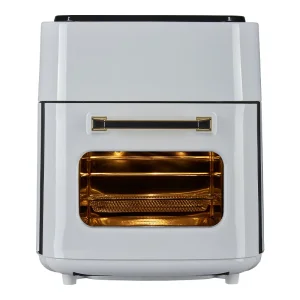
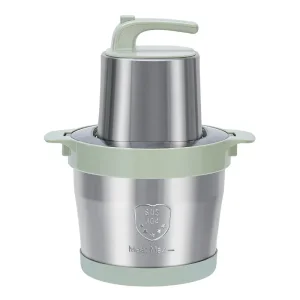
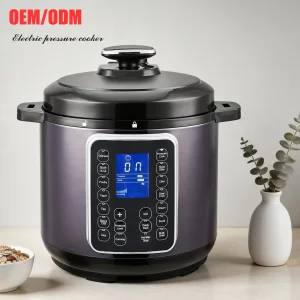
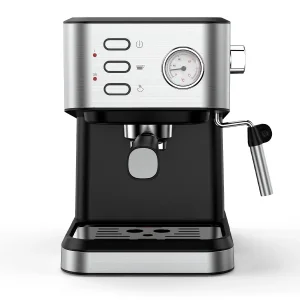
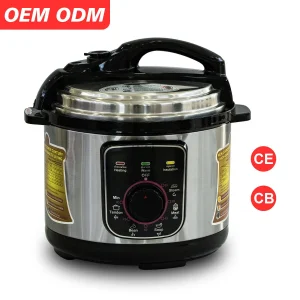
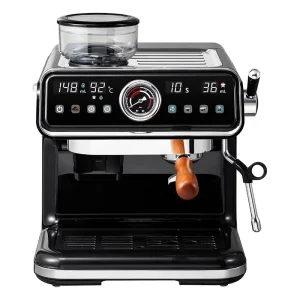
Explore our highly integrated appliances, engineered to meet the demands of global retailers and commercial operators alike.
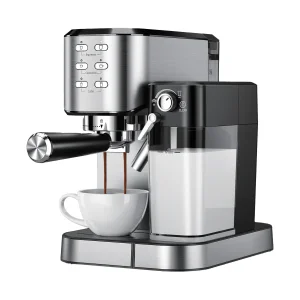
Traditional West African food processing relies on physical mortar-and-pestle pounding, a labor-intensive technique that structurally alters the starch chains of root tubers (such as plantain, cassava, and yam). In modern food science, this process is known as starch gelatinization and mechanical shearing. When plantain starch granules are heated in the presence of water, they absorb moisture and swell. The manual pounding technique breaks these swollen granules down to release amylose and amylopectin, forming a unified, cohesive, elastic paste known as fufu.
An electronic plantain fufu machine must replicate this complex mechanical and thermal behavior. Unlike standard food processors that simply chop ingredients, a dedicated fufu maker—like our Model QD-309—must handle high viscosity and shear stresses without overheating. By utilizing low-speed high-torque motor configurations coupled with custom S-shaped double-tiered stainless steel blades, our machines break down root starches while retaining the required tensile structure. The result is a smooth texture that mirrors hand-pounded fufu.
Developing an effective mechanical processor requires balancing rotational shear rates, temperature profiles, and torque levels. If the motor spin profile is too fast, the starches are over-sheared, yielding a runny, non-elastic paste. If too slow, lumps persist, rendering the meal unpalatable. Our engineering team has optimized these dynamics into a repeatable mechanical blueprint:
| Performance Parameter | Traditional Pounding (Manual) | Apexdura Mechanical Shear (QD-309) | Impact on Final Food Product |
|---|---|---|---|
| Shear Energy Output | Variable, discontinuous strokes | Continuous 300W–1600W planetary motor output | Even texture distribution, zero localized lumps |
| Starch Chain Retention | Coarse degradation | Controlled mechanical disruption via multi-tier blades | Maintains traditional "stretchy" mouthfeel (elasticity) |
| Processing Time | 30–45 minutes of manual labor | 2–5 minutes automated blending and mixing | Significant reduction in preparation time and physical fatigue |
| Thermal Regulation | Ambient environment heat transfer | Engineered venting prevents thermal starch breakdown | Prevents off-flavors caused by localized starch burning |
A breakdown of the materials, electrical components, and structural mechanics that define our high-performance appliances.
Fufu paste is highly viscous, creating substantial drag on drive shafts. Standard blender motors burn out under these conditions. We engineer our machines with high-torque copper-wound motors (up to 1600W max ratings) featuring integrated thermal overload protection. This delivers stable rotational speeds under heavy loads, ensuring long-term motor durability.
To withstand high acidic and alkaline food environments, the cutting blades and structural assemblies utilize premium SUS304 stainless steel. The blade geometry is optimized through multi-tier offset configurations. This design draws heavy plantain mixtures downward, eliminating dead zones and ensuring even processing throughout the bowl.
For household and light commercial installations, containers must withstand impact and thermal shock. We offer dual material options: heavy-wall thermal borosilicate glass containers (featuring scratch resistance and odor neutrality) and brushed double-walled food-safe stainless steel containers designed for commercial kitchen durability.
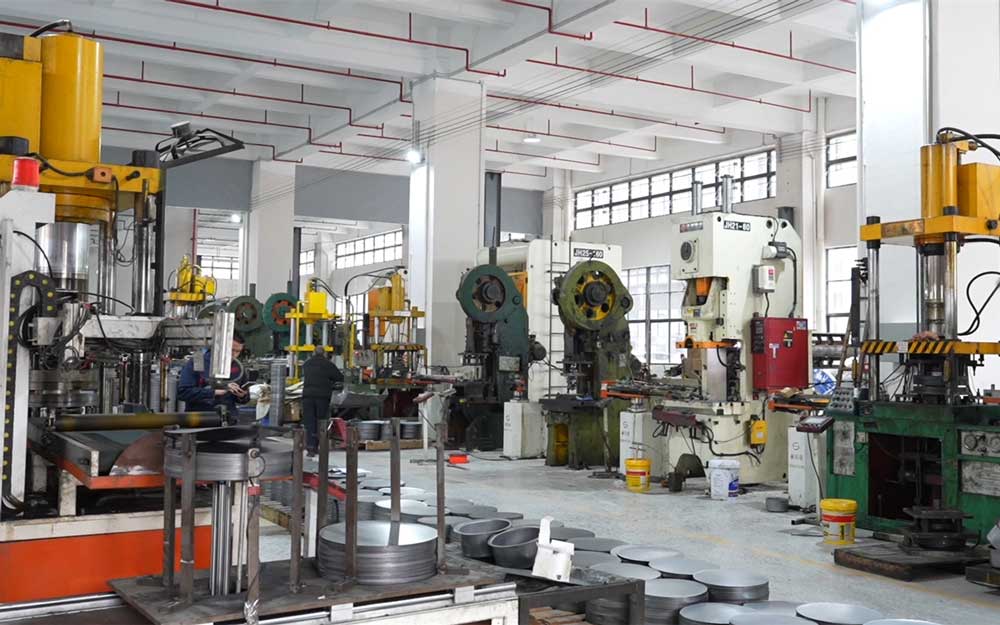
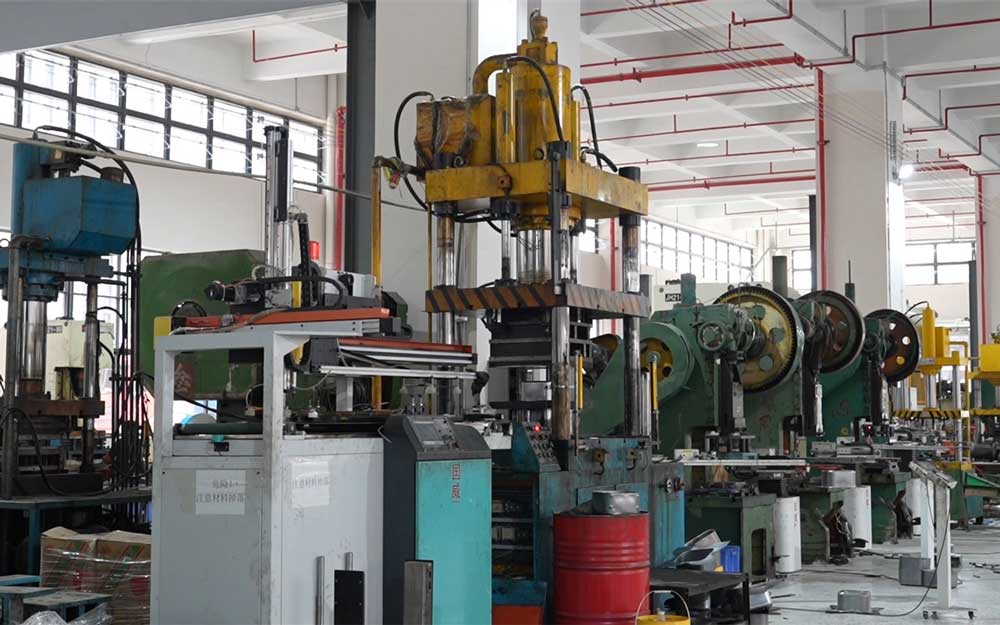
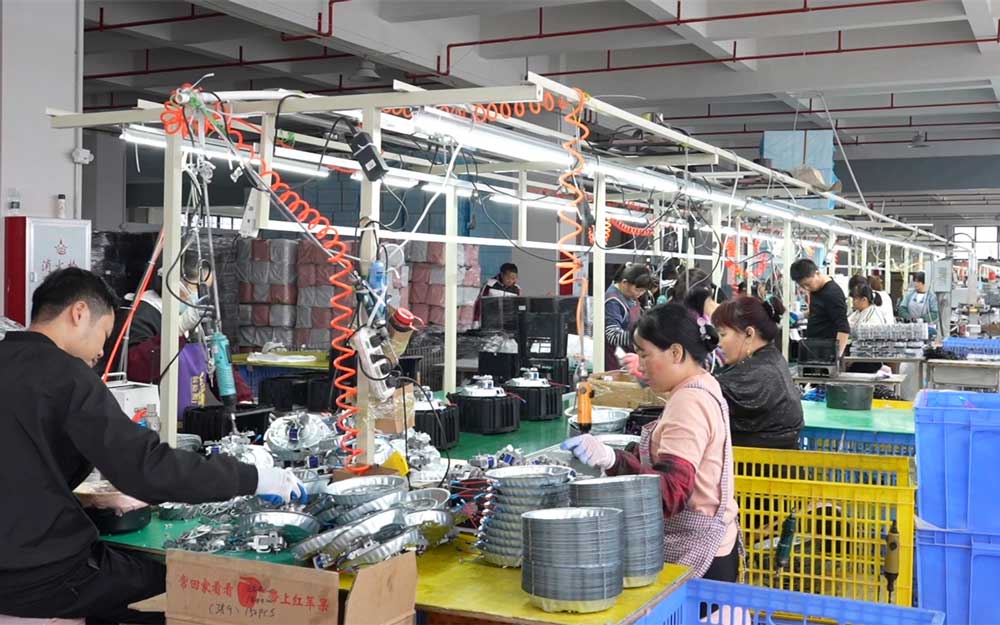
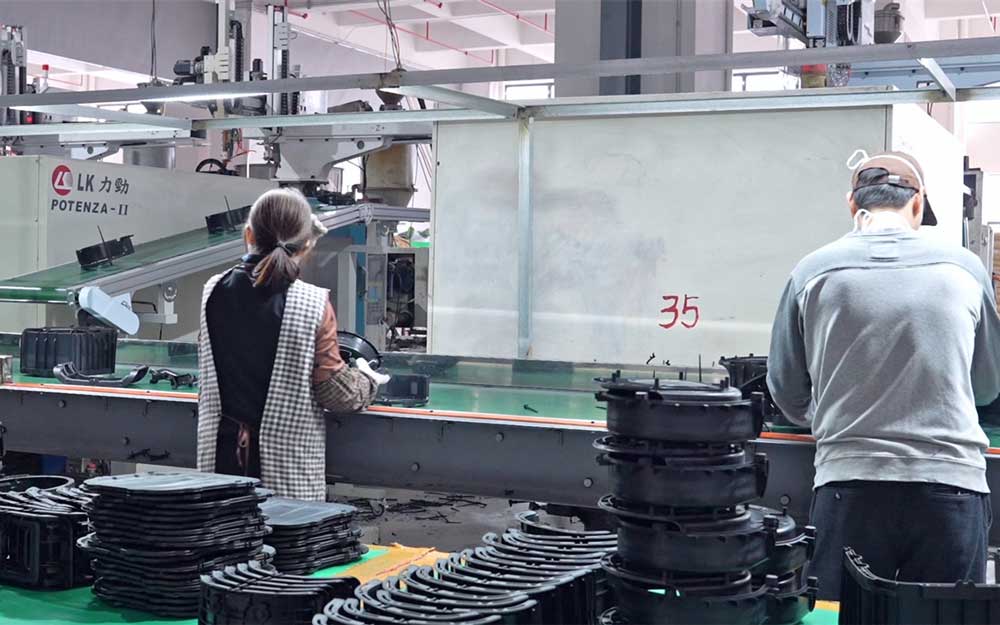
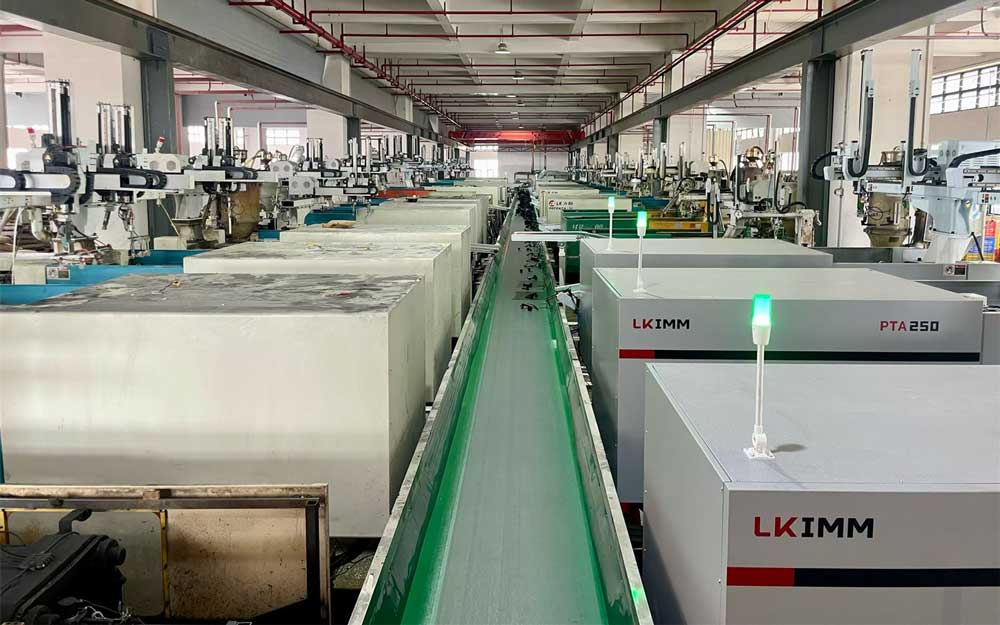
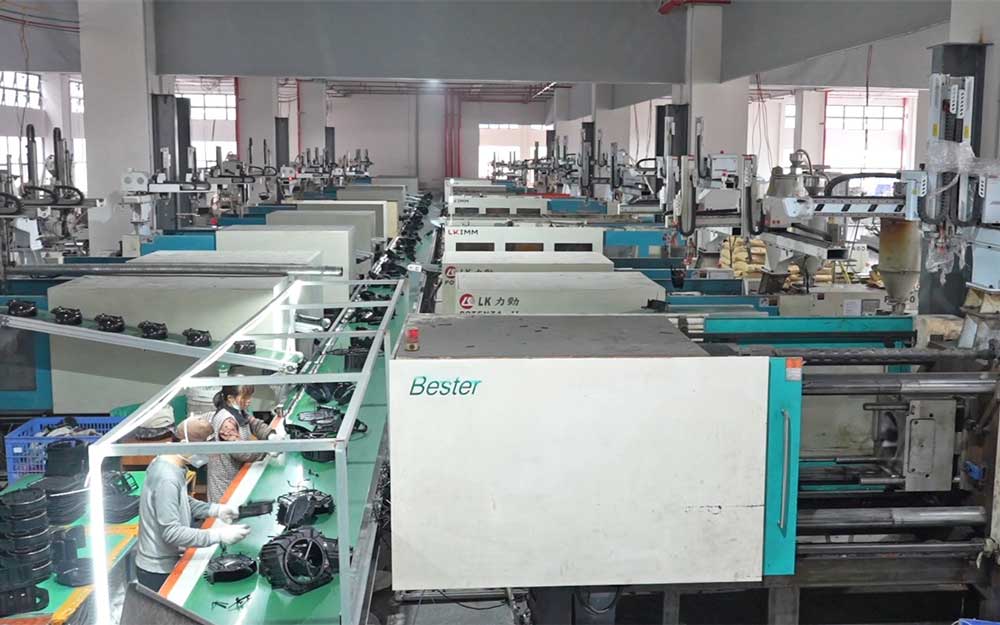
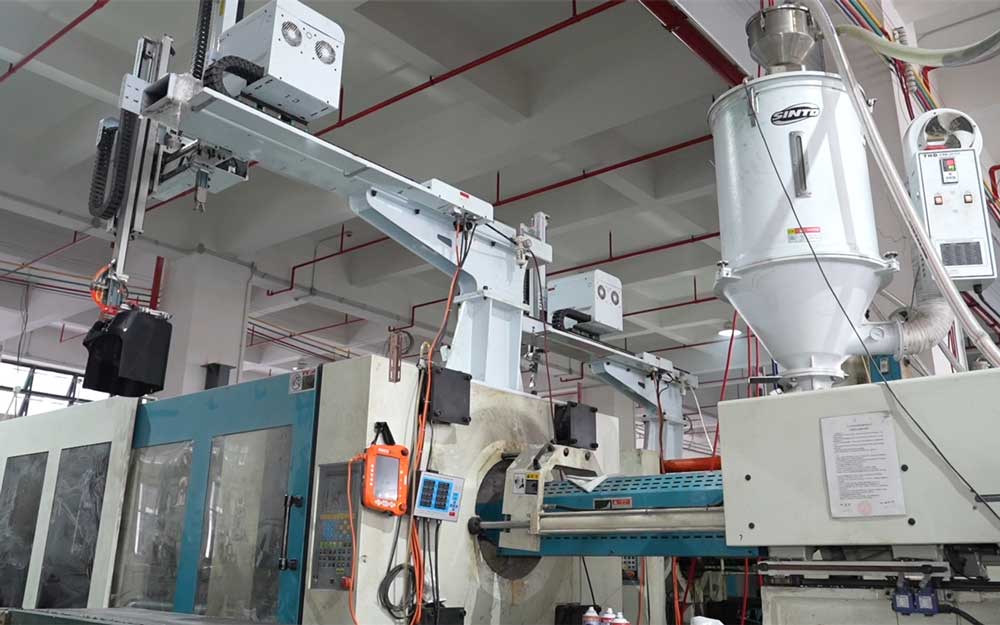
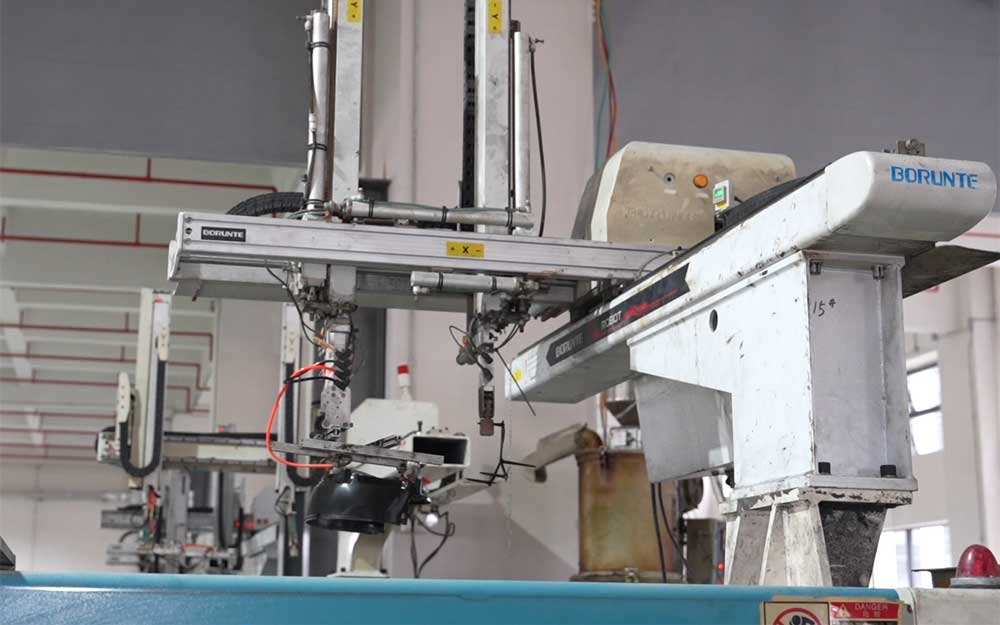
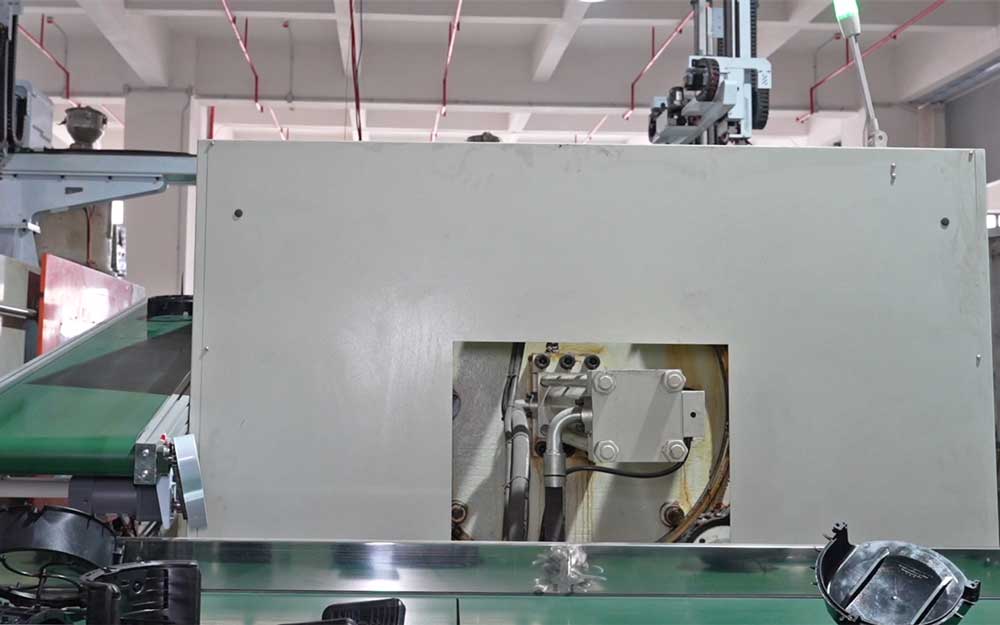
Zhongshan Zhenmei Electrical Appliance Co., Ltd. operates a modern 40,000 square meter manufacturing plant in the heart of China’s appliance industry cluster. Our production capabilities are built on automated manufacturing lines, high-precision metal stamping stations, and automated injection molding machines. With a dedicated team of over 300 professionals and 20+ specialized R&D engineers, we manage every step of production under one roof.
This vertical integration gives us absolute control over the manufacturing process. From raw raw material sourcing and motor winding to final assembly and packaging, every stage is carefully monitored. This integration enables us to offer shorter lead times, consistent quality, and a daily output exceeding 10,000 units. For global brands and B2B buyers, this capability ensures steady product supply and stable pricing, even during times of market volatility.
Our engineering team focuses on continuous innovation, refining designs based on real-world feedback from markets like Nigeria, Ghana, the UK, and North America. We use computer-aided design (CAD) modeling, rapid prototyping, and extensive simulation testing to verify motor thermal performance, structural stress distribution, and product lifecycles before full-scale manufacturing begins.

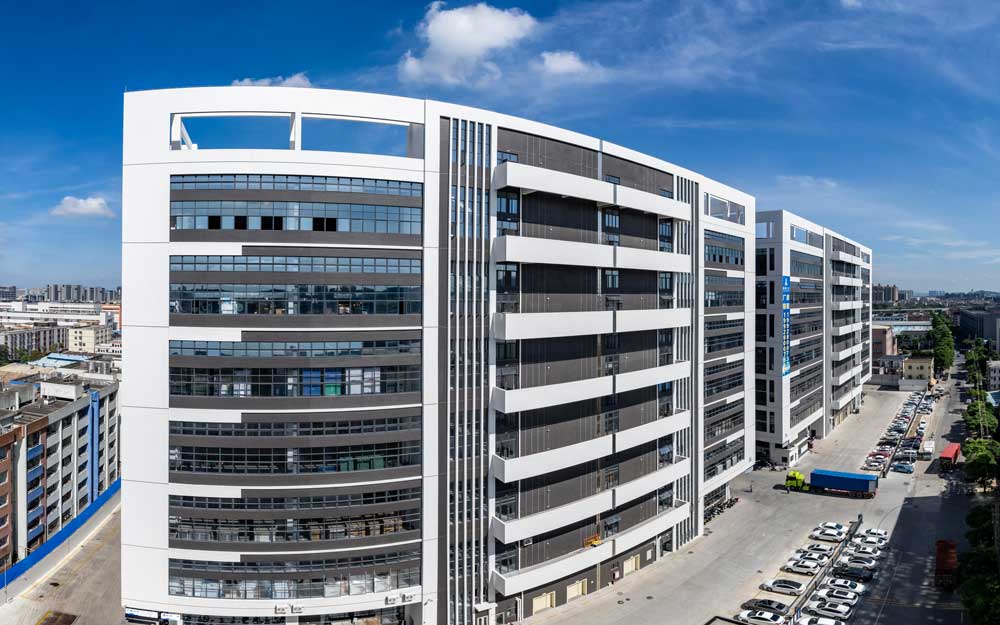
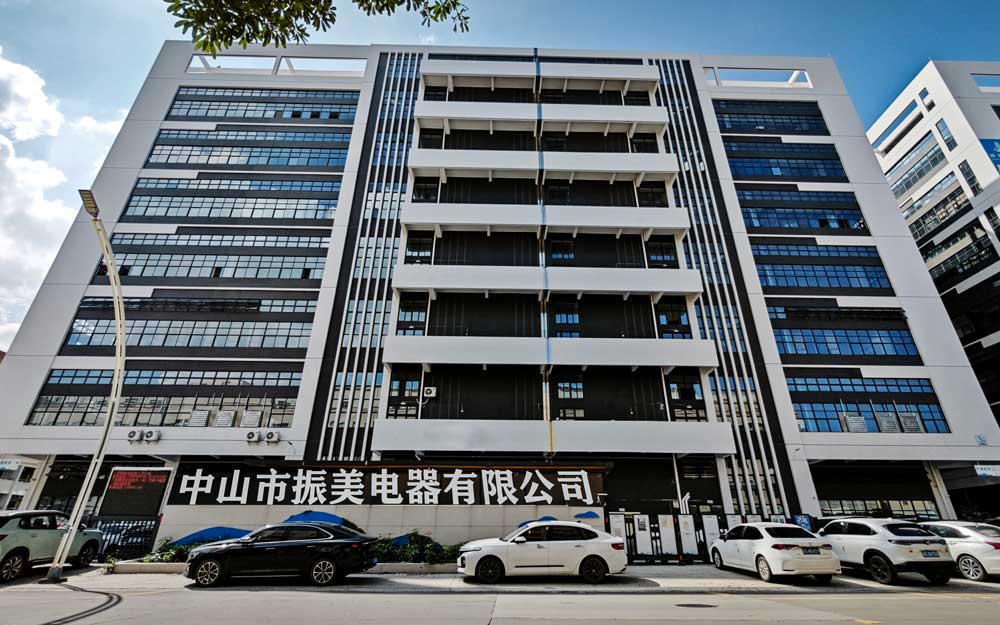
Developing products for international markets requires engineering electrical systems that are resilient to local grid conditions.
In developing regions, voltage instability and power surges are common. Standard appliance control boards are prone to failure under these conditions. Apexdura power supplies are engineered with wide-voltage tolerance ranges (180V–260V) and varistor surge protection. This design shields internal control boards from voltage spikes and brownouts, reducing warranty returns and repair costs.
High-torque food processors require robust safety measures. Our appliances feature mechanical micro-switches that prevent motor activation unless the bowl is securely locked onto the motor base and the lid is sealed. This design helps prevent accidental activation, ensuring user safety and protecting the drive coupling from stress damage.
All materials used in our food-contact components are fully certified. Our glass bowls, stainless steel chambers, and seals undergo testing to ensure they are free from BPA, phthalates, and lead. This compliance with international standards (including FDA and LFGB) ensures products meet the regulatory requirements of developed consumer markets.
For procurement professionals, brand directors, and importers, sourcing high-torque food preparation appliances requires analyzing manufacturing capabilities beyond unit cost. The total cost of ownership (TCO) is heavily influenced by defect rates, assembly tolerances, and transit durability. When evaluating partners, B2B buyers should focus on key technical criteria:
We provide full-service OEM and ODM support, including customized packaging, color choices, control panel layouts, and plug configurations tailored to the target market. Our design department supports clients with product visualizations, packaging designs, and marketing assets to speed up market launch.
Technical responses to commonly asked questions from distributors, procurement officers, and engineering leads.
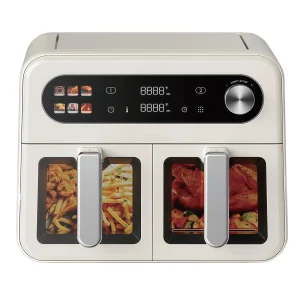
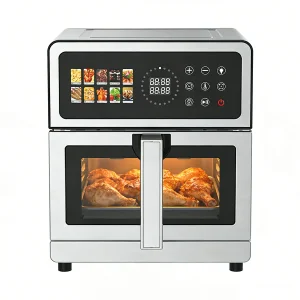
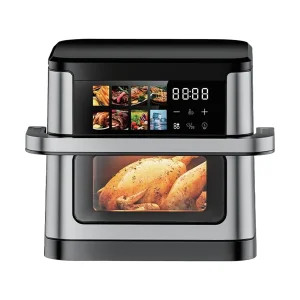
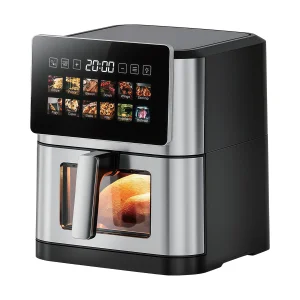
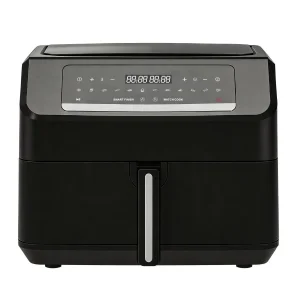
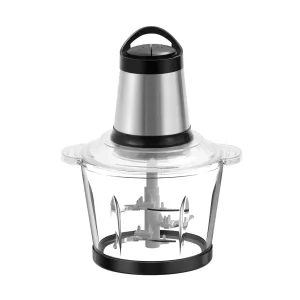
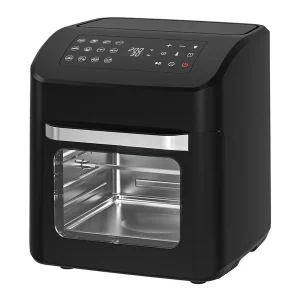
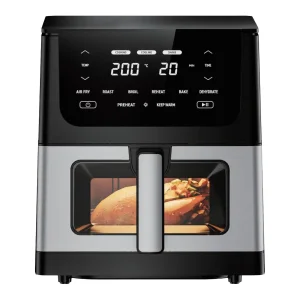
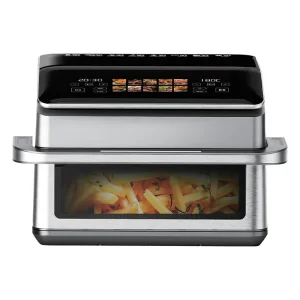
A secondary selection of our kitchen appliances, including smart air fryers, multi-cookers, and high-performance blenders.
 Zhenmei Electrical