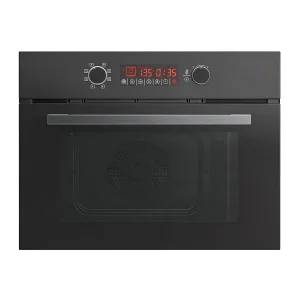
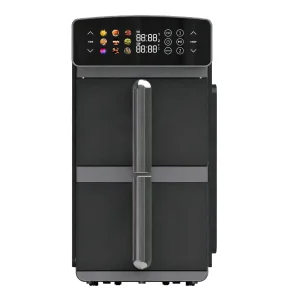
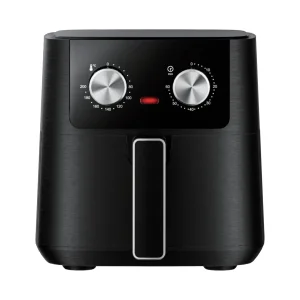
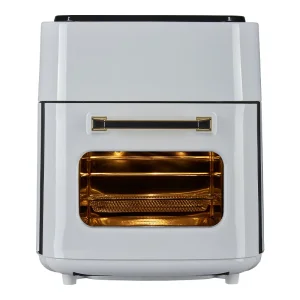
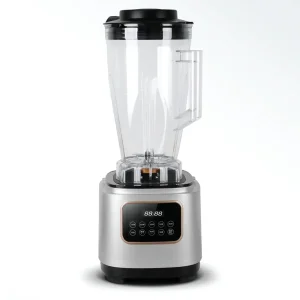
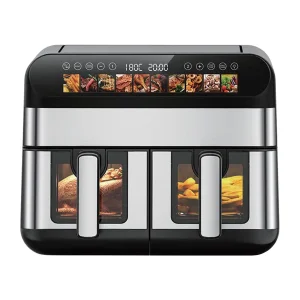
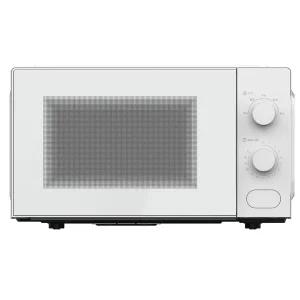
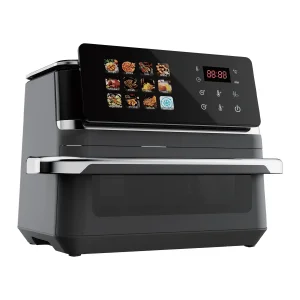
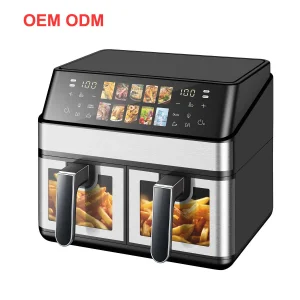
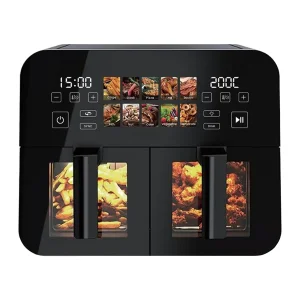
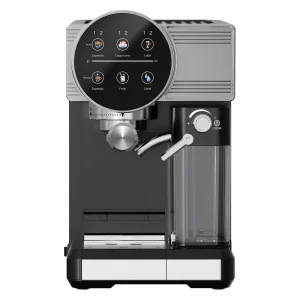
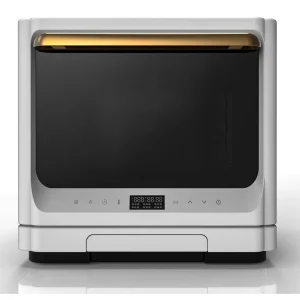
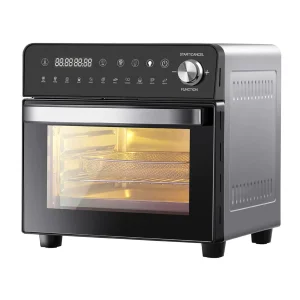
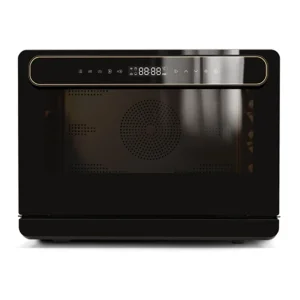
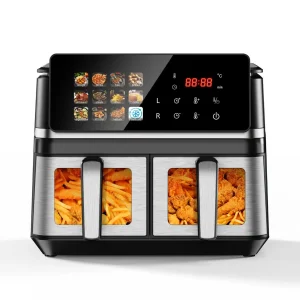
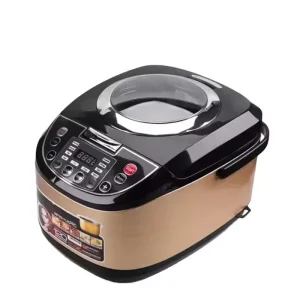
Explore our foundational range of smart ovens, air fryers, and thermal blenders engineered for demanding international markets.
Decoding the macroeconomic forces driving the transition of global kitchen appliances to integrated, energy-efficient micro-pressure cooking systems.
The global household and commercial kitchen landscape is undergoing a massive structural shift. High-precision thermodynamics, IoT integration, and food-grade safety standards are no longer auxiliary requirements but the core expectations of modern buyers. Multi-function pressure cookers sit at the intersection of this development. By combining pressurized boiling, slow cooking, baking, steaming, and advanced thermal regulation, these devices address the commercial need for high-speed, space-efficient meal preparation.
From a macro supply chain view, China serves as the anchor point for over 70% of the world's smart kitchen hardware. Within this cluster, specialized suppliers offer critical manufacturing depth: advanced sheet metal stamping, robust precision tooling, custom injection-molded components, and integrated microcontroller unit (MCU) development. As cost pressures mount globally, finding a partner that balances high volume output with extensive R&D expertise is essential for global appliance brands.
For B2B importers, distributors, and private labels, scaling up requires managing complex logistical timelines and strict regional regulatory policies. Our comprehensive OEM/ODM supply chain optimizes manufacturing steps, starting with initial metal casting and continuing through to final stress testing of safety valves. By maintaining an integrated workflow, we lower production bottlenecks and provide high-volume stability for global markets.
Key Market Focus: Smart systems that optimize power usage while delivering consistent, high-pressure thermal processing.
Analyzing how different global regions leverage multi-functional pressure cooking architectures to achieve operational efficiencies.
High demand for multi-cookers that combine pressure cooking with air frying technology. Focus remains on smart safety controls, durable construction materials, and integration with home network platforms.
Strong focus on eco-design, low standby power levels, and strict chemical safety certifications like LFGB and RoHS. Consumers seek modular, space-saving designs that handle varied cooking tasks.
Rapid growth in urban centers across Southeast Asia and Latin America. Buyers seek versatile, affordable appliances that handle local staples while operating reliably under fluctuating voltages.
A closer look at the advanced materials and redundant safety systems that ensure dependable performance under high-pressure conditions.
Operating a cooking system at pressures between 70kPa and 100kPa requires strict engineering oversight. Our cookers are constructed around high-grade food contact materials. Inner vessels use food-grade 304 and 316 stainless steel, combined with multi-ply composite bases designed to distribute heat evenly and resist structural warping over time. External housings feature high-impact, heat-resistant polymers that stay cool to the touch during operation.
Our multi-functional pressure vessels incorporate ten distinct layers of redundant safety mechanisms, including:
Additionally, we conduct rigorous quality checks at every phase of production. Electronic control systems are subjected to high-temperature chamber tests to simulate long-term operation, and the pressure vessels are stress-tested at levels exceeding standard operating conditions. By maintaining these strict validation protocols, our partners receive reliable products that minimize warranty claims and protect brand reputation.
Every pressure cooker batch undergoes thermal profiling, drop tests, high-voltage leakage evaluations, and lifetime wear simulations to ensure global durability standards are met.
Helping our partners meet diverse regional electrical standards, chemical safety rules, and import certifications.
Fully compliant with UL 1026 and CAN/CSA-C22.2 safety standards. All food contact surfaces meet FDA requirements, and we assist with FCC part 15 certifications for smart, connected devices.
Our products conform to CE (LVD/EMC) directives, CB schemes, and RoHS requirements. Materials used in our pots are tested to meet EU LFGB standards, ensuring no toxic chemical migration occurs.
We configure internal transformer architectures to handle regional power requirements, from 120V/60Hz in North America to 220V-240V/50Hz/60Hz across Europe, Asia, and Oceania.
Demonstrating how multi-function pressure systems are deployed across commercial kitchens and high-density residential developments.
Commercial kitchens utilize pressurized systems to prepare grain bases and tenderize meats in a fraction of the time, reducing customer wait times and lowering energy costs during peak hours.
Delivery-only kitchens rely on program-driven cookers to produce consistent food batches, helping operators optimize limited kitchen space and reduce labor overheads.
With living space at a premium, consumers value multi-functional kitchen units that perform the work of multiple standalone appliances, saving valuable counter space.
A trusted manufacturing partner delivering scalability, specialized engineering, and consistent production output.
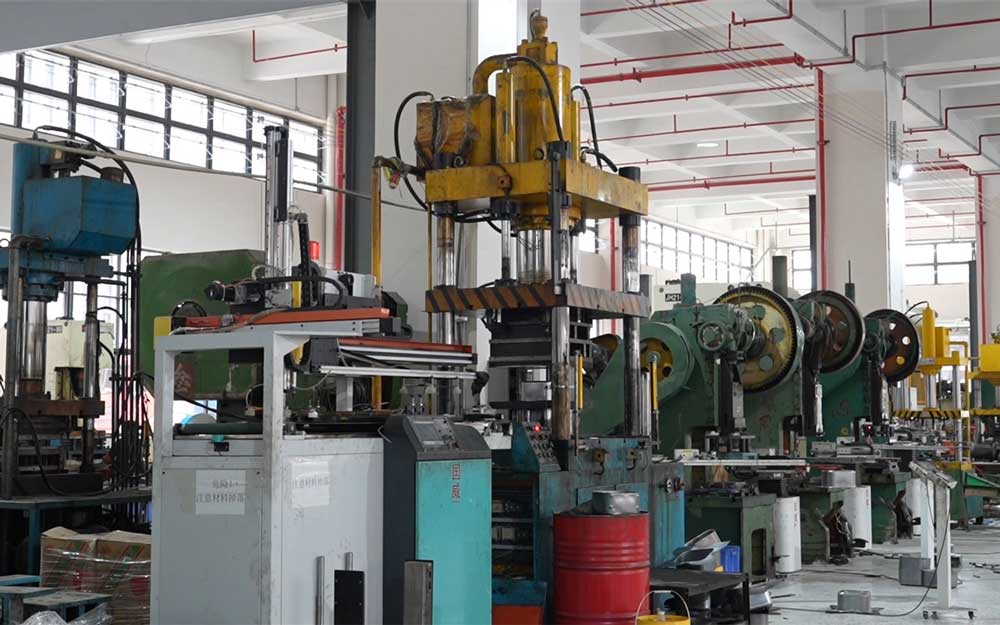
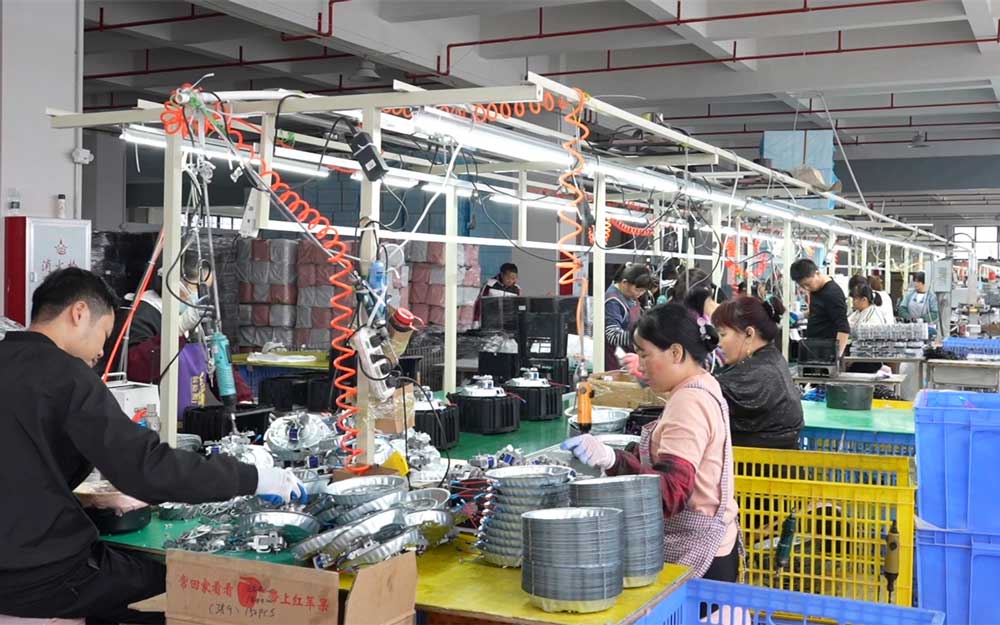
Zhongshan Zhenmei Electrical Appliance Co., Ltd. is a premier OEM/ODM partner specializing in the manufacturing of kitchen appliances, including air fryers, electric pressure cookers, blenders, and more. With over 16 years of expertise, we transform concepts into high-quality, market-ready products for leading global brands.
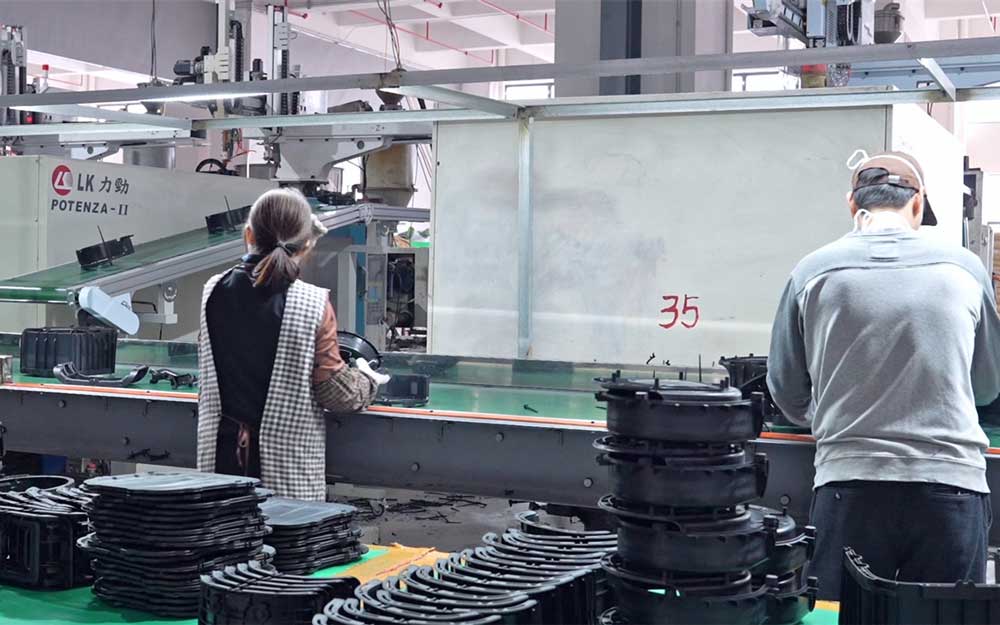
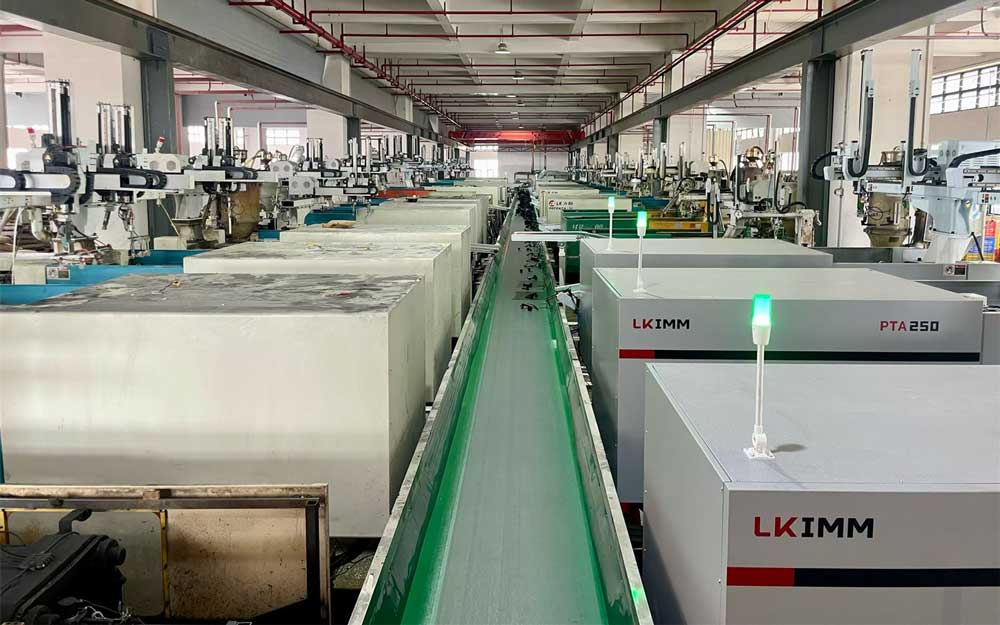
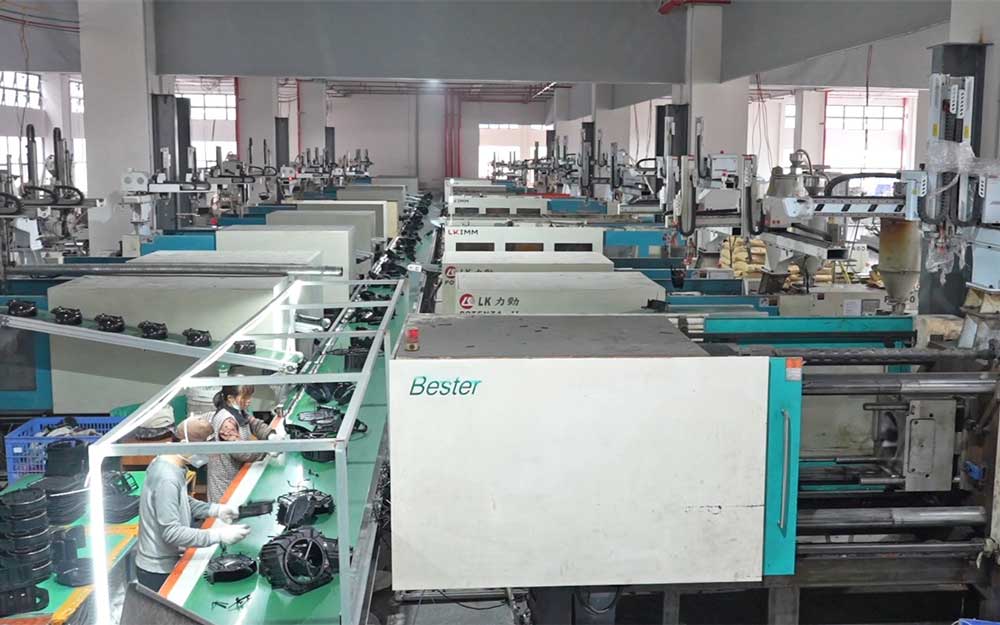
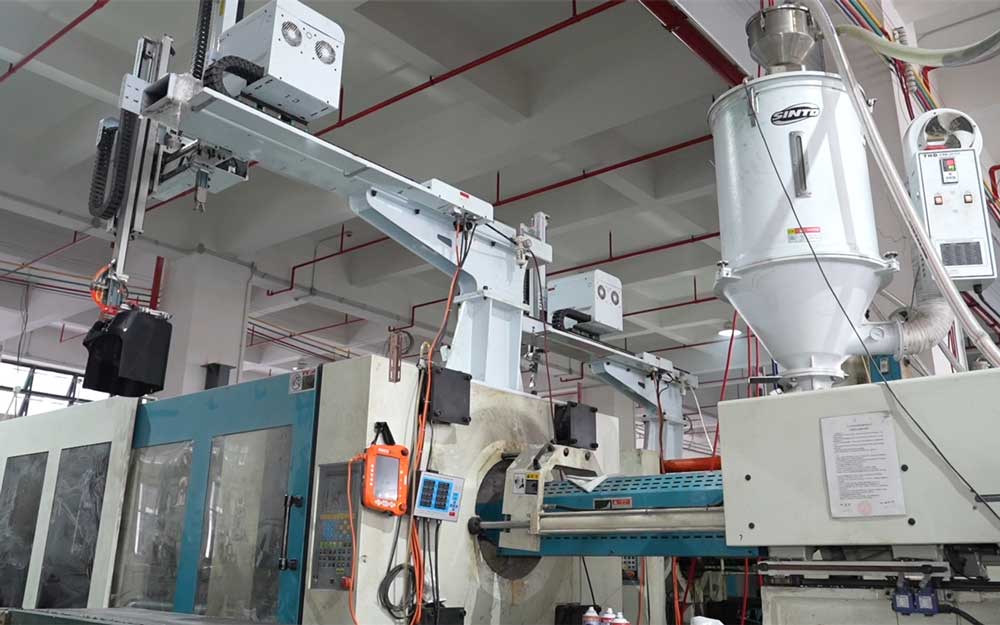
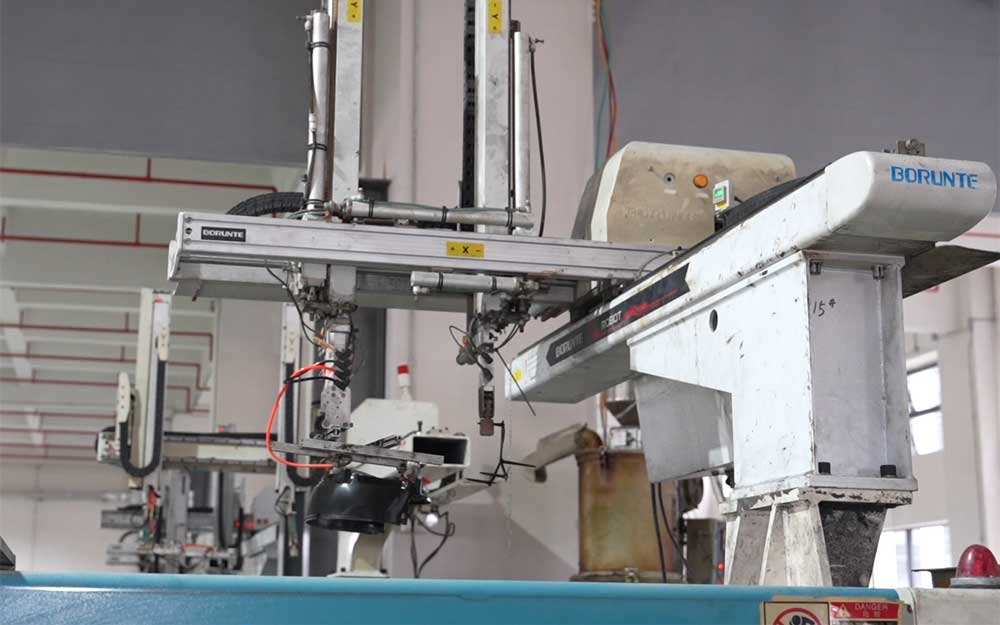
Our core strength lies in robust in-house manufacturing. Operating from a 40,000 sqm advanced facility, powered by 300+ dedicated professionals and 20+ R&D experts, we ensure precision and control at every stage of the manufacturing process.
Our massive 10,000+ units daily output reliably meets the demands of high-volume orders worldwide. We are committed to excellence, underpinned by a rigorous quality control system that guarantees the safety and reliability of every product.
Whether you require custom housing molds, customized user interface designs, or specific regulatory certifications for your home market, Zhenmei provides the manufacturing capacity and technical support to help you scale.
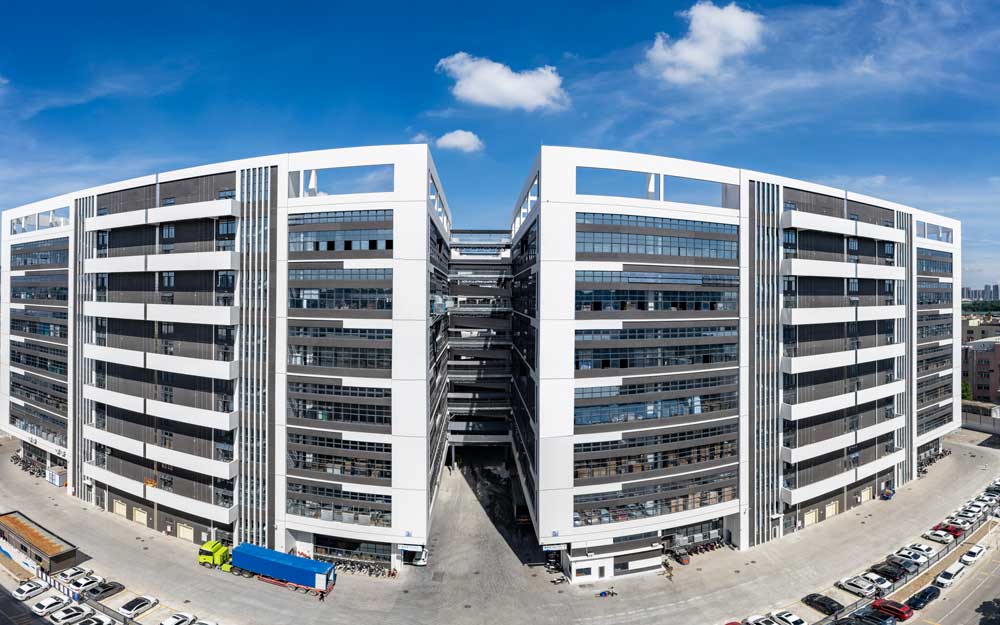
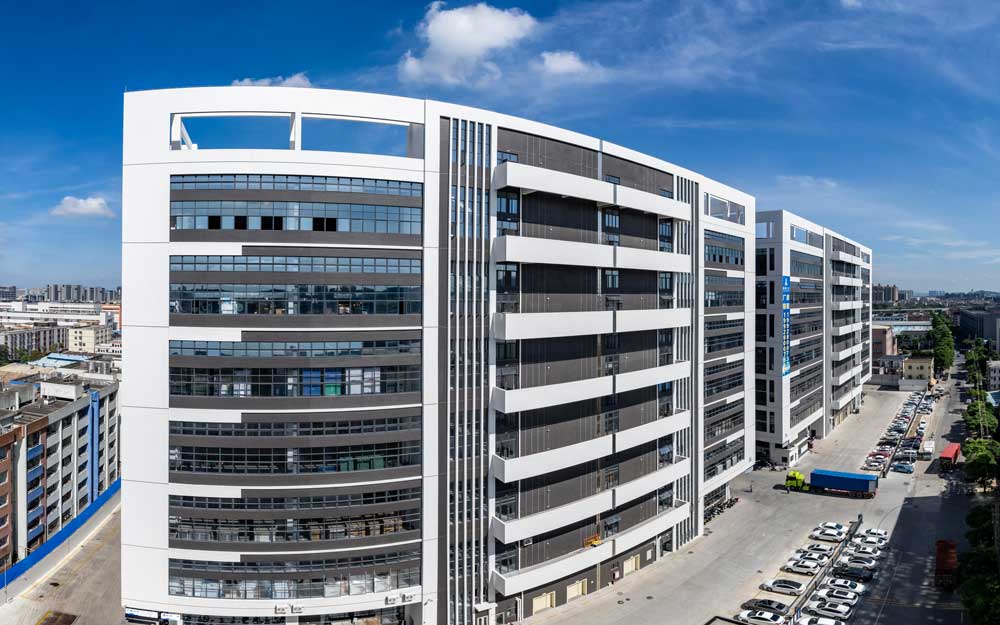
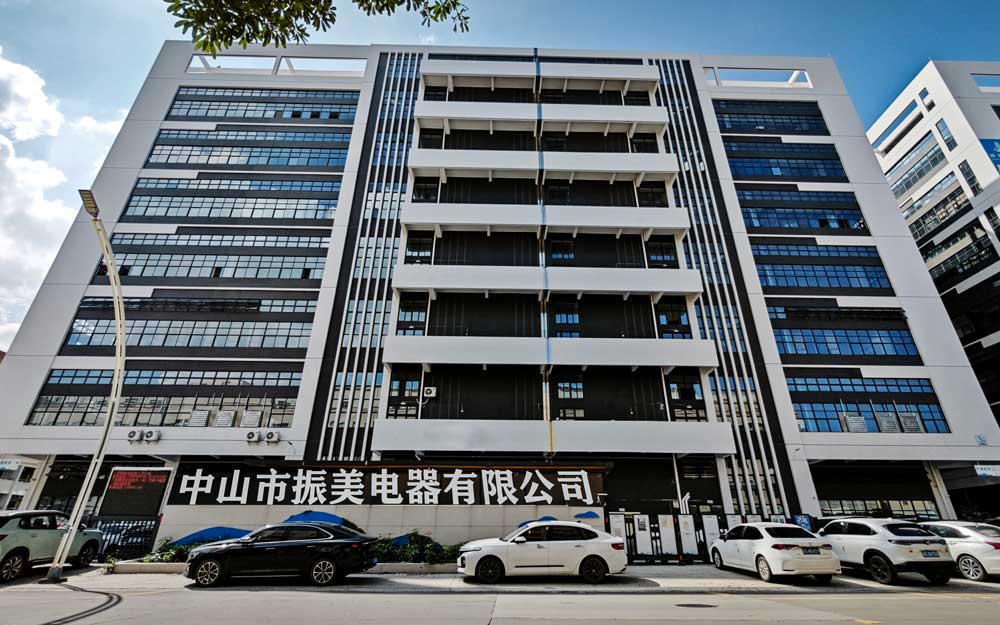
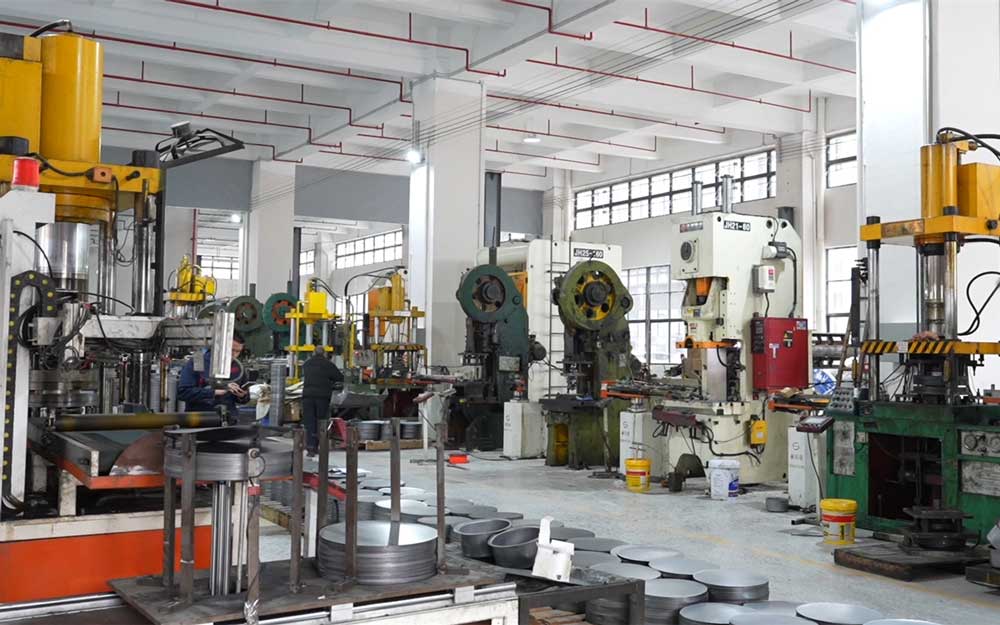
Developing advanced safety, heating efficiency, and structural sustainability technologies for next-generation platforms.
Integrating real-time moisture and steam-density sensors that adjust target temperatures based on cooking volume and food types, reducing energy waste.
Investing in ceramic non-stick and diamond-infused coatings that eliminate PFAS/PTFE chemicals, meeting evolving environmental and consumer safety regulations.
Designing internal components to be modular, making repairs straightforward and simplifying final recycling at the end of the appliance lifecycle.
Clear, direct answers to common questions about manufacturing, quality control, logistics, and customized product options.
Discover our specialized selection of large-capacity dual-basket fryers, high-performance automatic coffee makers, and multi-mode steam ovens.
 Zhenmei Electrical