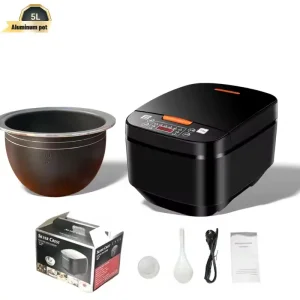
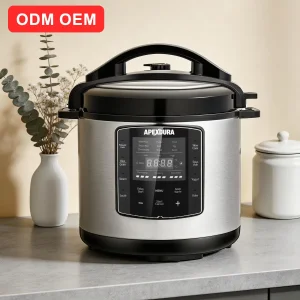
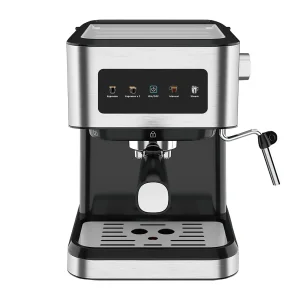
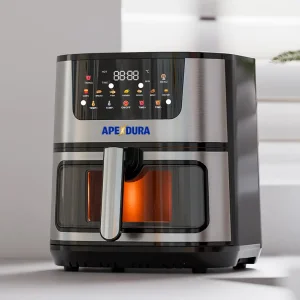
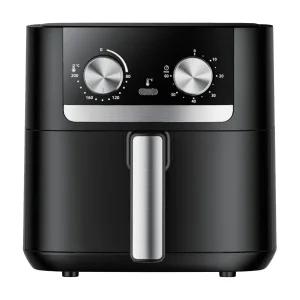
In the hyper-competitive global kitchen appliance sector, the term "Multi-Function Blender" has evolved far beyond a basic kitchen tool that merely purees or crushes ice. Today, it represents a high-technology node combining sophisticated fluid dynamics, advanced metallurgy, digital control interfaces, and precision electric motor design. Modern global buyers demand appliances that seamlessly integrate heating elements, vacuum preservation, acoustic damping shields, and variable speed algorithms capable of handling everything from dense nut butters to micro-refined plant milks.
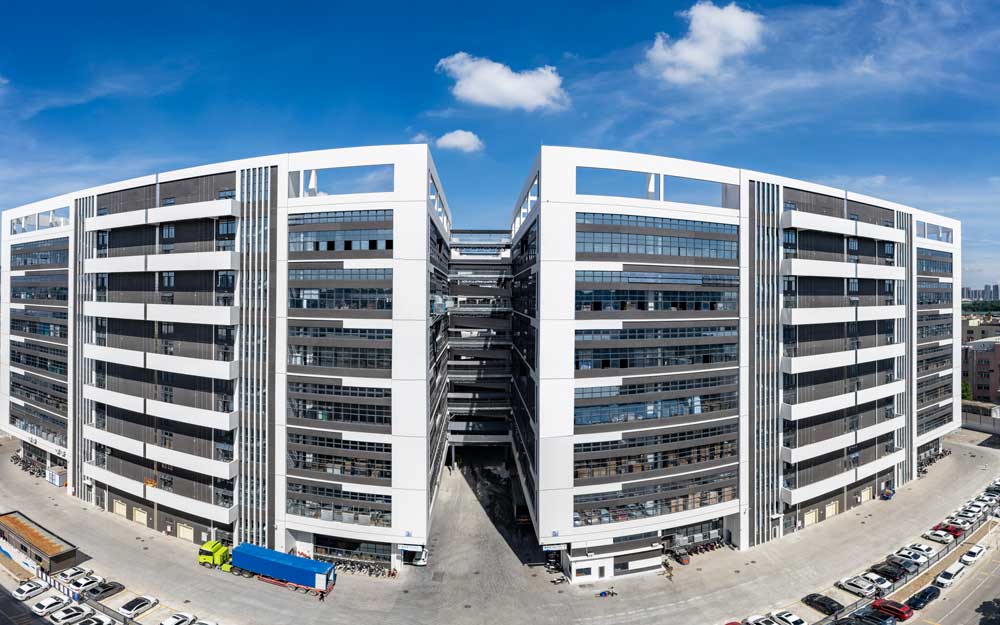
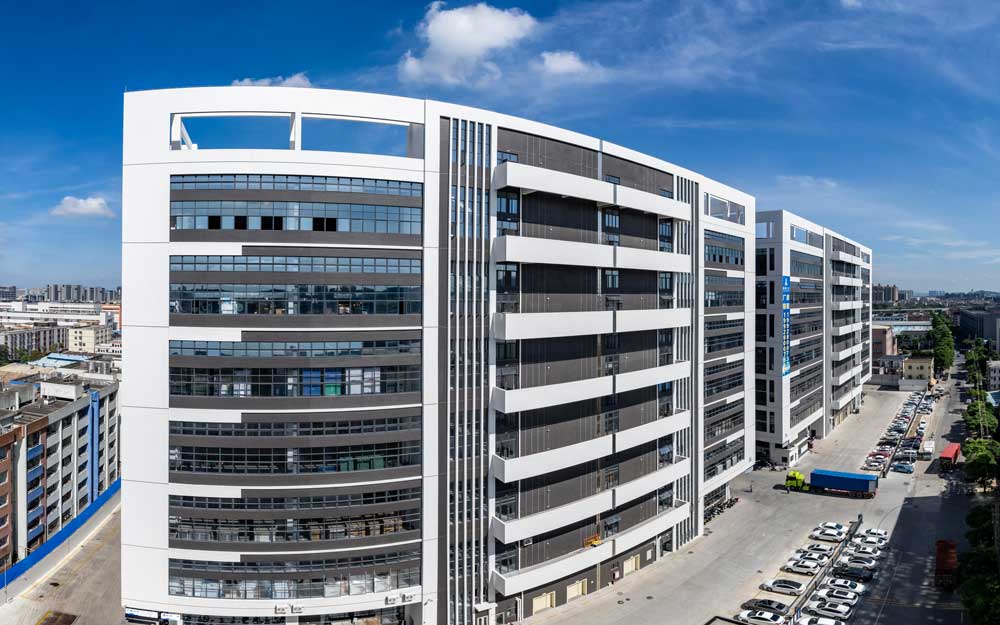
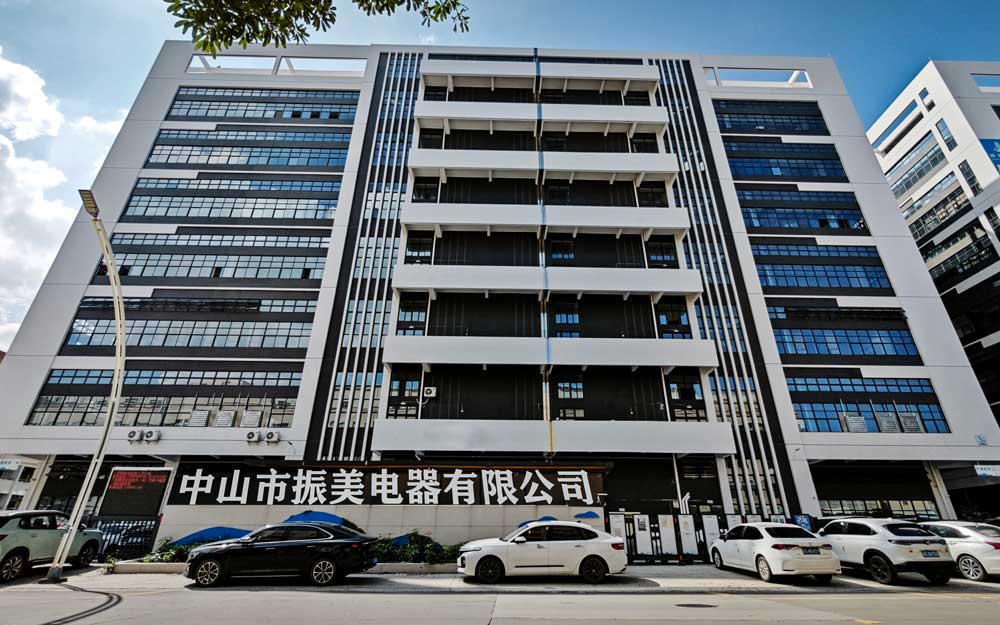
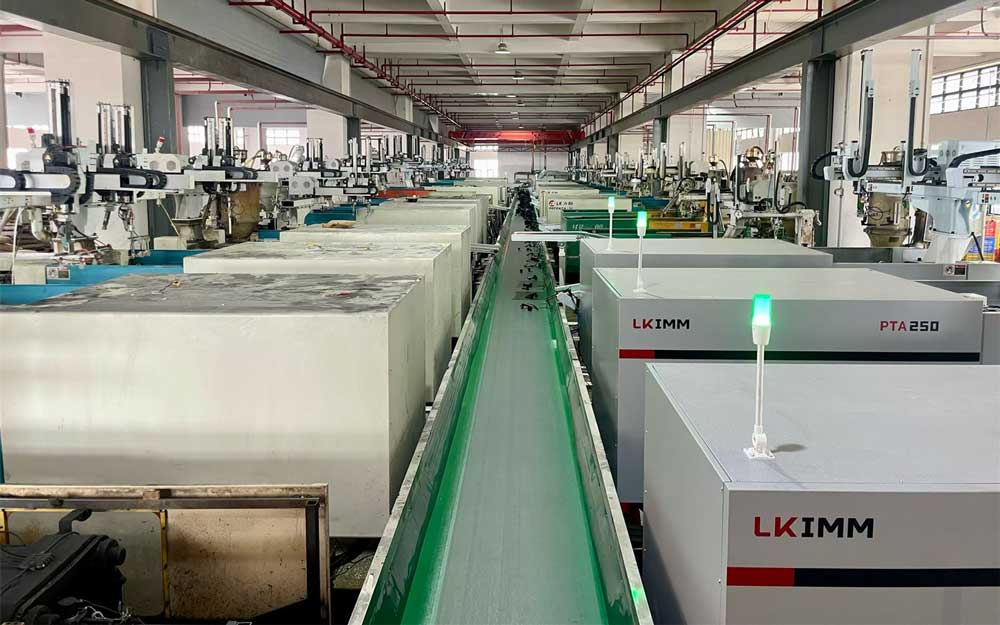
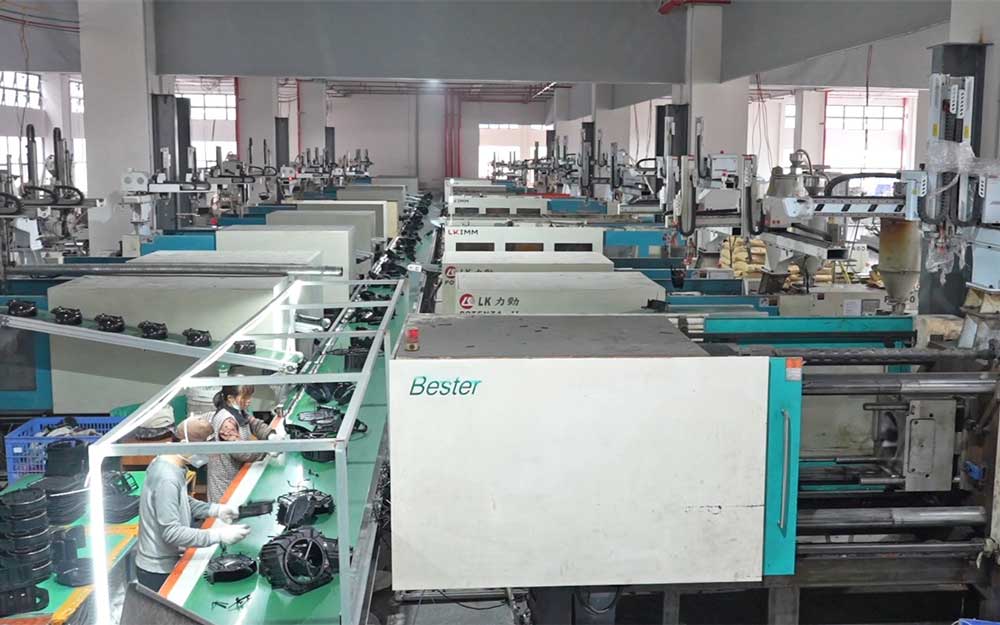
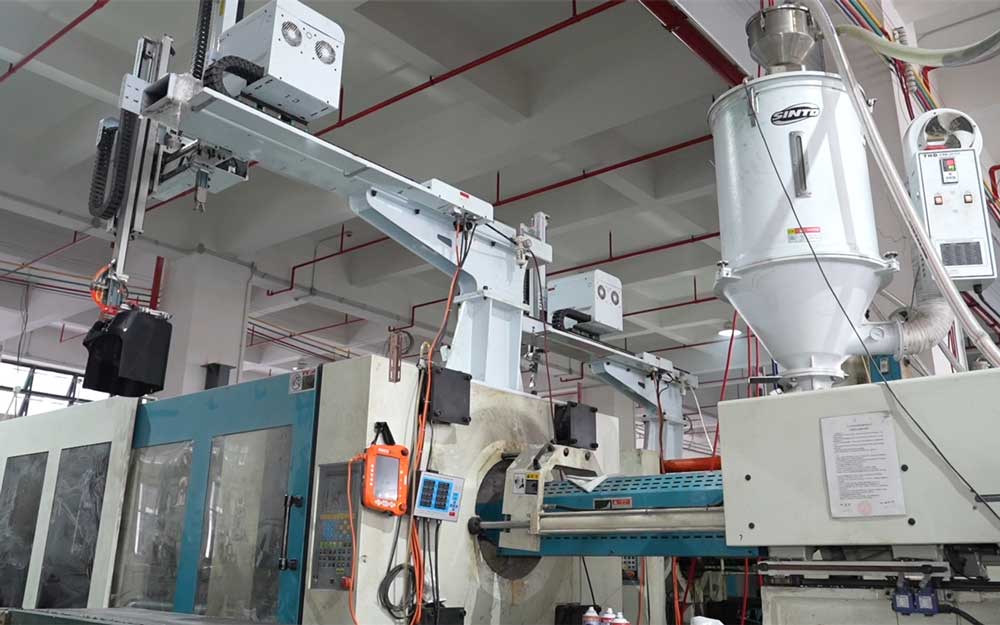
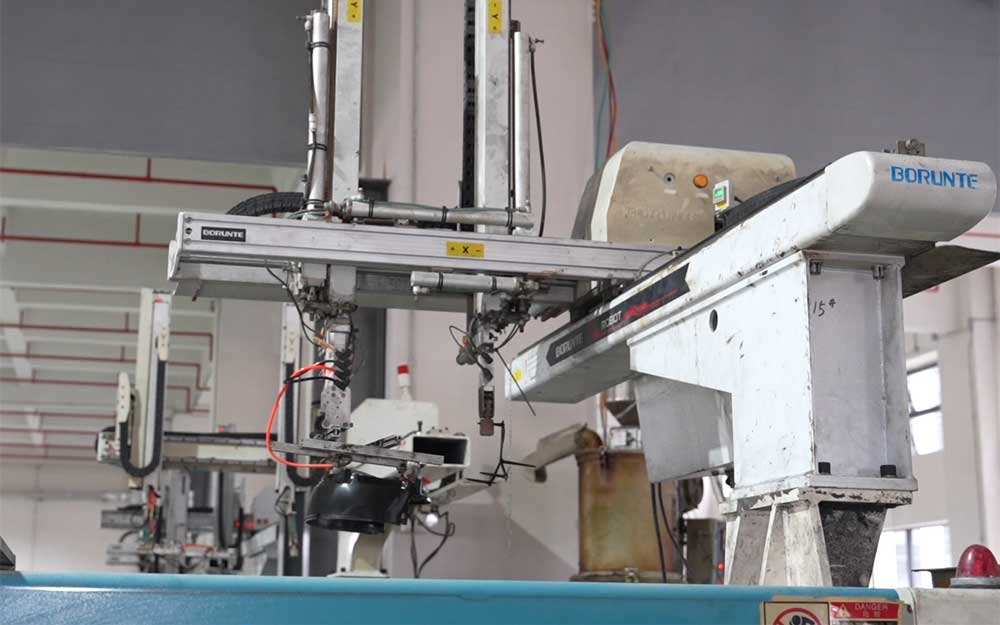
As a premier OEM/ODM manufacturer, Zhongshan Zhenmei Electrical Appliance Co., Ltd. stands at the forefront of this industrial transformation. With over 16 years of expertise, we possess the comprehensive engineering capacity required to transition conceptual designs into high-yield, market-disrupting products. Operating out of our advanced 40,000 square meter facility, we drive design innovation and technical excellence to maintain high performance and structural durability across massive global production volumes.
The global dominance of China's kitchen appliance manufacturing is built upon a complete, integrated industrial ecosystem. Our primary operations are located in Zhongshan, Guangdong Province—the global epicenter for small domestic appliance (SDA) engineering. This physical location provides our facility with immediate access to a highly dense supply chain network for copper-clad motors, precision injection molding components, food-grade Tritan containers, and micro-controller unit (MCU) semiconductors.
By leveraging this vertical integration, Zhongshan Zhenmei Electrical Appliance Co., Ltd. can compress prototyping cycles, scale up volume runs dynamically, and insulate clients from supply chain disruptions. With a daily output exceeding 10,000 units, we synchronize raw material procurement with real-time assembly lines to optimize lead times, lower overall costs, and guarantee components align with premium performance profiles.
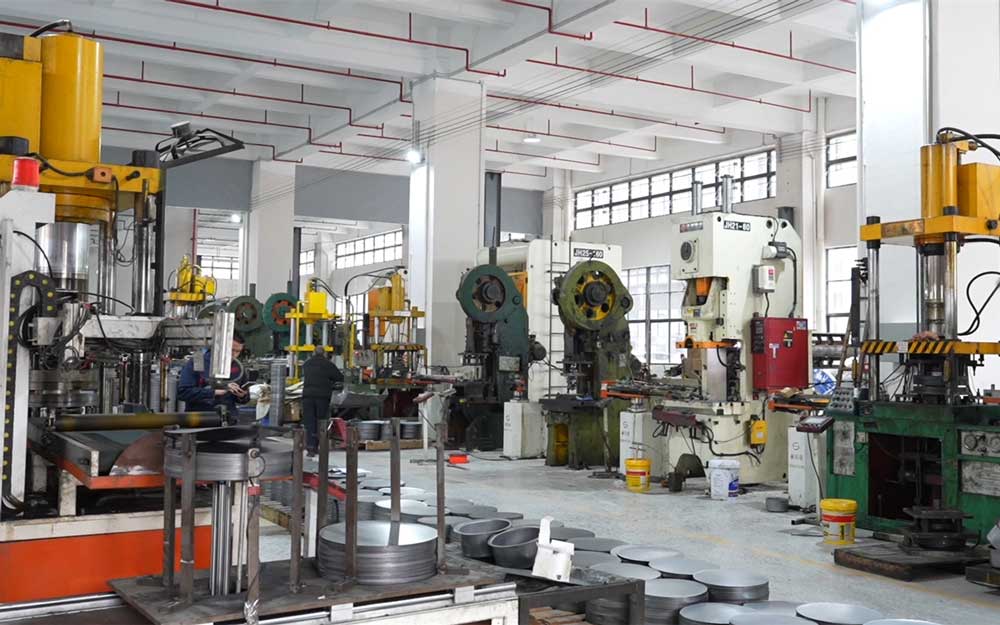
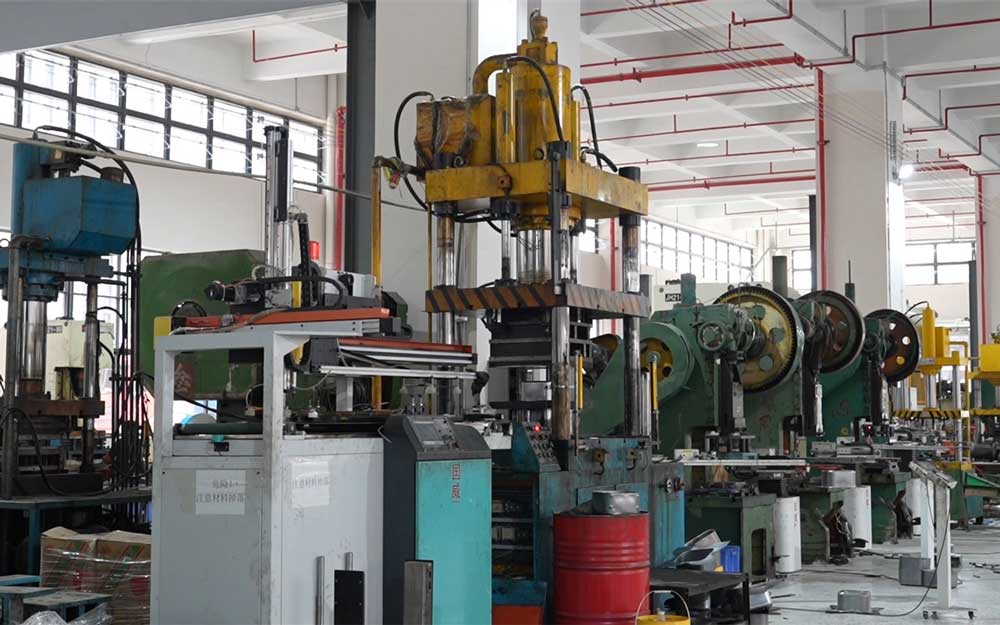
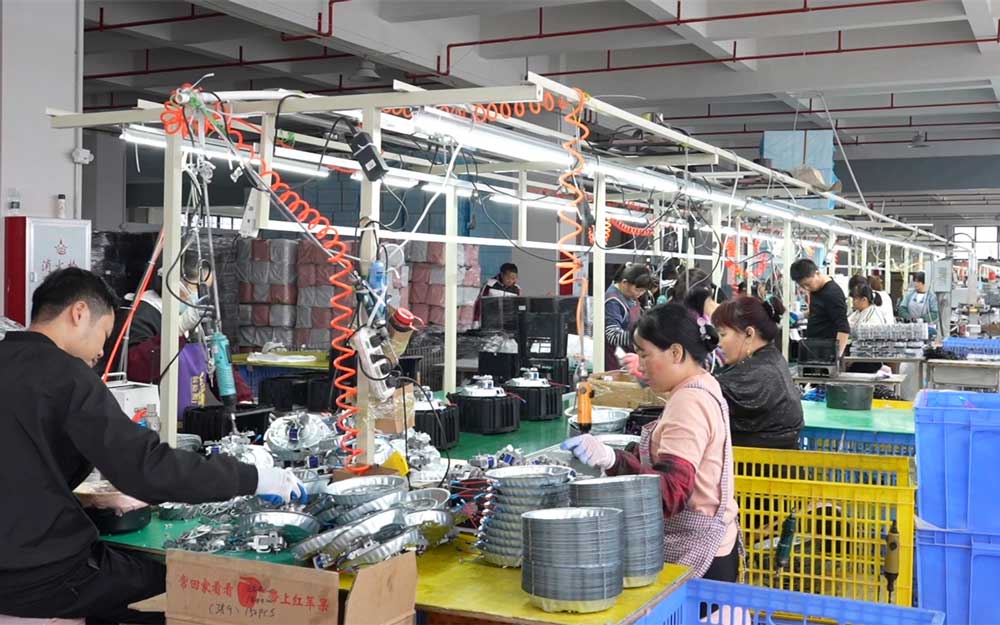
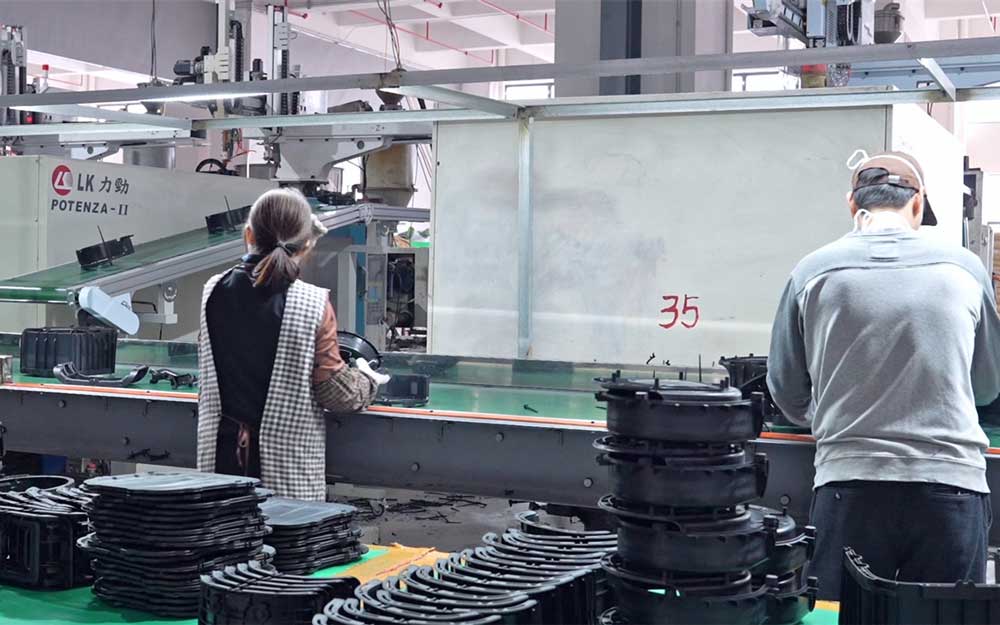
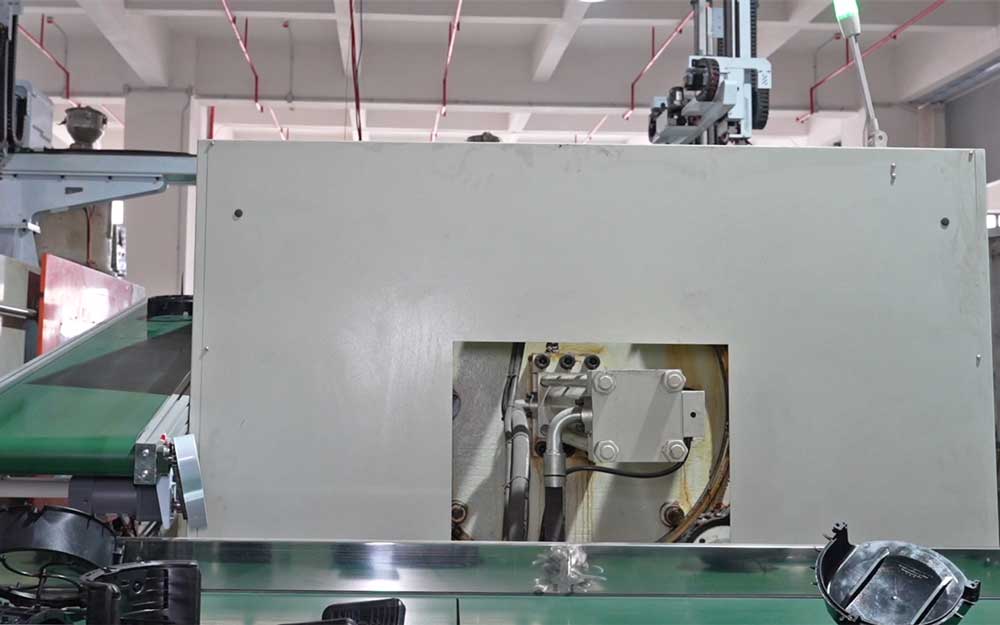
To construct a blender capable of heavy commercial use and prolonged residential lifespan, mechanical components must be engineered to withstand immense thermal and physical stress. The core of a high-performance blender is determined by three variables: motor output, blade geometry, and jar design.
Equipped with high-torque AC or brushless DC (BLDC) motors ranging from 1200W to 2200W, delivering up to 35,000 RPM. Double ball-bearing systems reduce friction, extend motor life, and lower operational decibels.
Manufactured with hardened SUS301 or SUS304 stainless steel. The combination of serrated, wing-tipped, and downward-angled blades ensures complete pulverization of fibrous skins, seeds, and ice, eliminating dead zones.
Constructed using 100% BPA-free Eastman Tritan™ copolyester or high-borosilicate thermal glass. These containers resist impacts, thermal shock, chemical corrosion, and retain long-term structural clarity.
For bulk distributors and global brand managers, selecting the correct engine class determines target market placement. Below is the structural configuration blueprint engineered at Zhenmei's R&D lab:
| Specification Dimension | Residential Multi-Blender | Commercial / Pro-Series Blender |
|---|---|---|
| Peak Motor Power | 800W - 1200W (Universal AC Motor) | 1500W - 2200W (Heavy Duty Copper Motor / BLDC) |
| Blade Velocity | 18,000 - 24,000 RPM | 28,000 - 38,000 RPM |
| Coupling Material | Reinforced Plastic / Zinc-alloy insert | All-Metal Mushroom Head (Hardened Stainless Steel) |
| Noise Mitigation | Basic Motor Housing Damping | Sound Enclosure Shield + Dual Chamber Air Flow (Under 72 dB) |
| Smart Control System | Rotary Knob / Mechanical Switches | IMD Touch Panel / OLED Display / Micro-step Speed Adjustment |
Navigating global market access demands rigorous adherence to regional technical regulations, electrical safety codes, and chemical composition guidelines. Importers can face significant financial losses if products fail to meet customs standards. At Zhongshan Zhenmei, compliance is integrated directly into the product design stage, rather than managed as a post-production check.
All our export-grade multi-function blenders undergo strict third-party verification to meet global standards:
Designed to meet CE low voltage and EMC directives. Contact materials are verified through LFGB testing to ensure zero chemical migration, and all electronic assemblies comply with RoHS environmental limits.
Compliant with UL 982 standard for motor-operated household food preparing machines. Wet-contact parts utilize FDA-approved resins, and circuitry passes FCC Part 15 electromagnetic interference thresholds.
Standardized under the IECEE CB Scheme for simple cross-border safety recognition across 50+ participating countries, including SAA certification matching Australian electrical safety profiles.
Furthermore, our production floor operates under the ISO 9001:2015 quality management framework. Every blender undergoes mandatory end-of-line quality checks, including high-voltage insulation tests, power leakage assessments, sound emission calibration, and waterproofing tests for motor seals.
Consumer blending preferences vary significantly across different global regions. A successful global brand must tailor its product lines to match localized dietary habits, grid infrastructures, and ergonomic expectations. Our R&D department collaborates closely with international brand managers to deploy targeted configurations:
Focus: Ice-crushing, frozen fruit smoothies, dry grain milling, and thick nut spreads.
Hardware Specification: Heavy-duty high-speed motors (1500W+), 64oz large capacity BPA-free Tritan jars, pre-programmed pulse cycles, and sound enclosure shields to minimize noise in open-concept kitchens.
Focus: Soy milk processing, rice pastes, grain beverages, and traditional soups.
Hardware Specification: Integration of high-efficiency bottom heating elements (800W heating / 1000W blending). Intelligent thermal sensors monitor boiling points to prevent boil-over, and self-cleaning cycles remove sticky residue.
Focus: High-volume fruit processing and dual-voltage adaptation.
Hardware Specification: Reinforced motor windings to handle voltage fluctuations, simplified control panels, heavy glass jars resistant to scratches, and budget-friendly pricing models optimized for distribution.
Establishing a business relationship with a China blender factory requires careful planning across several stages, from initial design alignment to final logistics coordination. To help procurement managers optimize this process, we use a structured developmental roadmap designed to minimize delays and reduce supply chain risks.
Importers can select from our catalog of private molds (OEM) or initiate custom tool engineering (ODM). Our R&D team uses 3D CAD modeling and structural FEA analysis to verify mechanical clearance and fluid flow characteristics before tooling begins.
Once a prototype is created, it undergoes life-cycle testing, including continuous running tests, drop tests, motor thermal limit testing, and blade wear evaluations. We refine internal air ducts to optimize heat dissipation before final tooling release.
We design drop-safe retail packaging, user manuals, and regulatory rating plates. Master shipping cartons are engineered to maximize container loading density, protecting the product during long sea transits.
For bulk shipments, our logistics team coordinates container loading from major nearby ports, including Shenzhen, Guangzhou, and Nansha. This proximity helps lower local transportation costs and simplifies export customs clearance.
The small kitchen appliance sector is shifting toward greater automation, smart connectivity, and improved energy efficiency. By monitoring these technological developments, B2B importers can future-proof their product pipelines:
Next-generation blenders use integrated torque sensors to detect ingredient resistance. The MCU automatically adjusts motor power and blade speed to prevent motor overload and ensure consistent textures.
Brushless DC motors are increasingly preferred over traditional universal carbon-brush motors. BLDC motors offer higher energy efficiency, reduce weight, generate less operating noise, and have a significantly longer operational lifespan.
Modern blenders feature Bluetooth or Wi-Fi connectivity, allowing users to sync the appliance with mobile apps. This enables automatic execution of multi-step recipes, precise caloric calculations, and remote diagnostic checks.
 Zhenmei Electrical