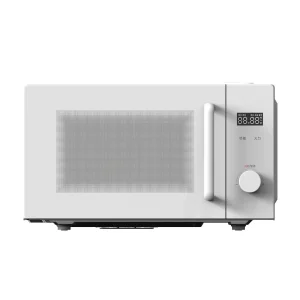
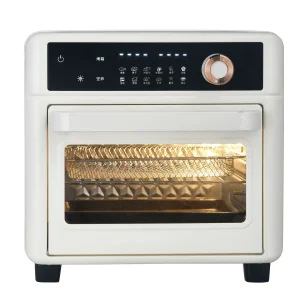
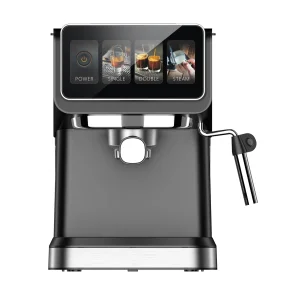
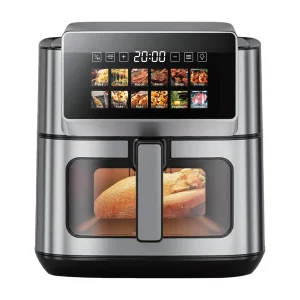
Precision-engineered appliance solutions optimized for commercial durability, culinary velocity, and thermal efficiency.
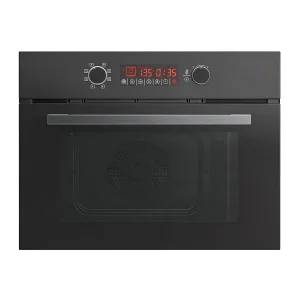
The global commercial kitchen equipment industry is undergoing a monumental paradigm shift. Driven by escalating energy costs, labor constraints, and the urgent imperative for carbon neutrality, foodservice operators from Quick Service Restaurants (QSRs) to institutional cafeterias are transitioning away from gas-fired appliances toward highly efficient electrical systems. Among these, commercial-grade microwave technology and hybrid rapid-cook convection-microwave systems represent the cutting edge of modern thermal processing.
Unlike domestic microwaves designed for intermittent, low-demand heating, industrial-grade platforms must deliver continuous thermal performance. This requires heavy-duty components capable of enduring repeated duty cycles, extreme ambient kitchen temperatures, and aggressive sanitation procedures. China has emerged as the global nexus for this advanced manufacturing ecosystem, combining upstream raw material supply chains (such as high-grade magnetrons, industrial-grade microprocessors, and food-safe SUS304/SUS316 stainless steels) with sophisticated R&D centers focused on electromagnetic simulation and wave-guide calibration.
At the core of microwave kitchen science is dielectric heating. Microwave ovens emit electromagnetic waves, typically at 2450 MHz, which excite polar molecules (primarily water, fats, and sugars) within food. This molecular excitation generates friction, transforming electromagnetic energy directly into thermal energy throughout the food structure rather than relying on surface conduction.
Historically, standard commercial ovens utilized bulky transformers and magnetrons to deliver pulsed power. To achieve "50% power," they cycled the full wave energy on and off, leading to local hot spots, uneven cooking, and degraded food texture.
Modern Chinese manufacturing, led by technical innovators like Zhongshan Zhenmei Electrical Appliance Co., Ltd., integrates advanced Inverter Power Supplies. Inverters replace the heavy transformer with a solid-state circuit board, delivering a continuous stream of variable electromagnetic energy. This provides:
For industrial kitchen managers, optimizing equipment longevity and throughput requires translating thermal engineering principles into actionable operational guidelines. Implement the following parameters to ensure system reliability and food safety:
A. Thermal Distribution & Geometry Management
Because microwave energy penetrates food up to a depth of approximately 1 to 2.5 inches (depending on moisture density and salinity), food geometry dictates heating uniformity. Chefs should arrange thicker cuts of proteins on the outer periphery of containers where electromagnetic flux density is highest. Flat, uniform distribution prevents "core-cooling, edge-scalding" anomalies.
B. Wave-Guide Protection and Sanitation
The wave-guide cover (typically a small, heat-resistant mineral sheet inside the oven chamber) directs electromagnetic waves from the magnetron. If grease or food debris accumulates on this cover, it absorbs microwaves, causing localized arcing, carbonization, and eventual structural damage to the magnetron. Weekly sanitization with non-abrasive, pH-neutral cleaners is mandatory for industrial operations.
C. Vent and Space Clearances in Commercial Lines
Commercial microwaves exhaust hot, moisture-laden air to prevent internal condensation from damaging control PCBs. Proper ventilation requires at least 2 inches of lateral clearance and 4 inches of vertical clearance. Blocking these vents leads to thermal-tripping of the magnetron’s safety thermostat, resulting in unplanned kitchen downtime.
The next horizon in microwave engineering is the migration from vacuum-tube magnetrons to Solid-State RF (Radio Frequency) Power Generators. This technology, adapted from cellular communications, offers unmatched precision.
Unlike magnetrons, which degrade over time and have a fixed frequency, solid-state generators can adaptively sweep frequencies, modulate phase shifts, and precisely adjust power levels in real-time. This eliminates the need for mechanical stirrers or turntables, enabling true volumetric, uniform cooking. Additionally, solid-state systems operate at low DC voltages, enhancing safety and extending operational lifespans up to 10-15 years under intensive commercial use.
China's tier-1 OEMs are heavily investing in this technology, alongside IoT cloud-connectivity interfaces that allow kitchen chains to push standardized cooking programs to hundreds of locations simultaneously, ensuring culinary uniformity across international franchises.
A premier global OEM/ODM kitchen appliance manufacturing partner with over 16 years of engineering excellence.
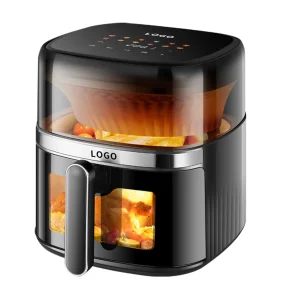
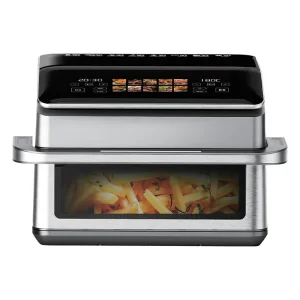
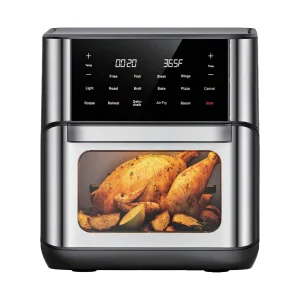
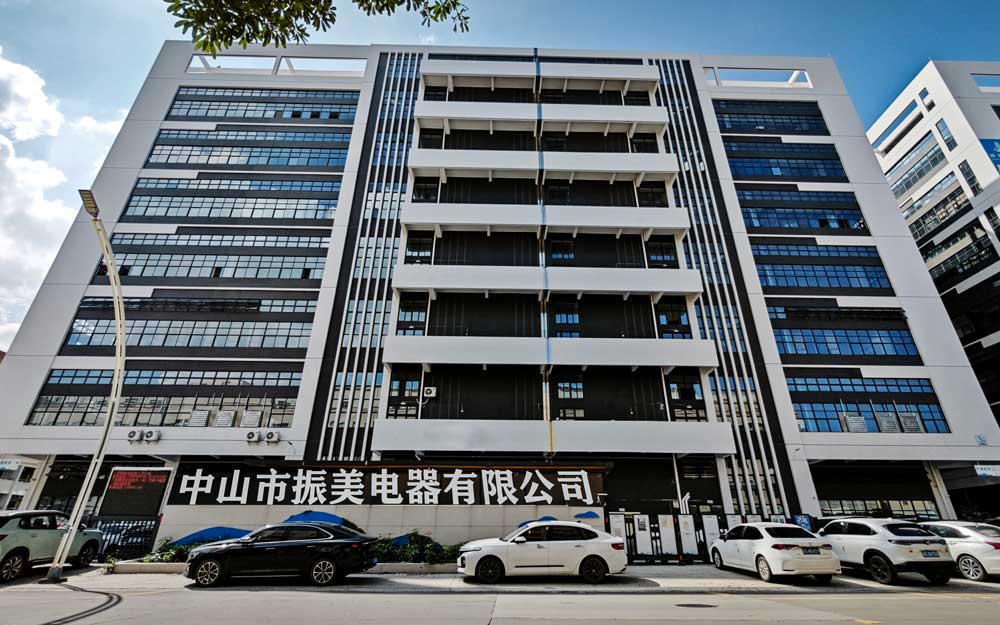
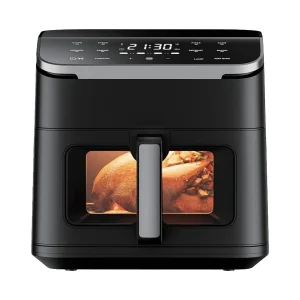
Zhongshan Zhenmei Electrical Appliance Co., Ltd. stands at the forefront of China's professional kitchen appliance sector. Specializing in high-volume, high-precision manufacturing of air fryers, electric pressure cookers, commercial-grade blenders, steam ovens, and advanced heating solutions, we translate client concepts into certified, market-ready products.
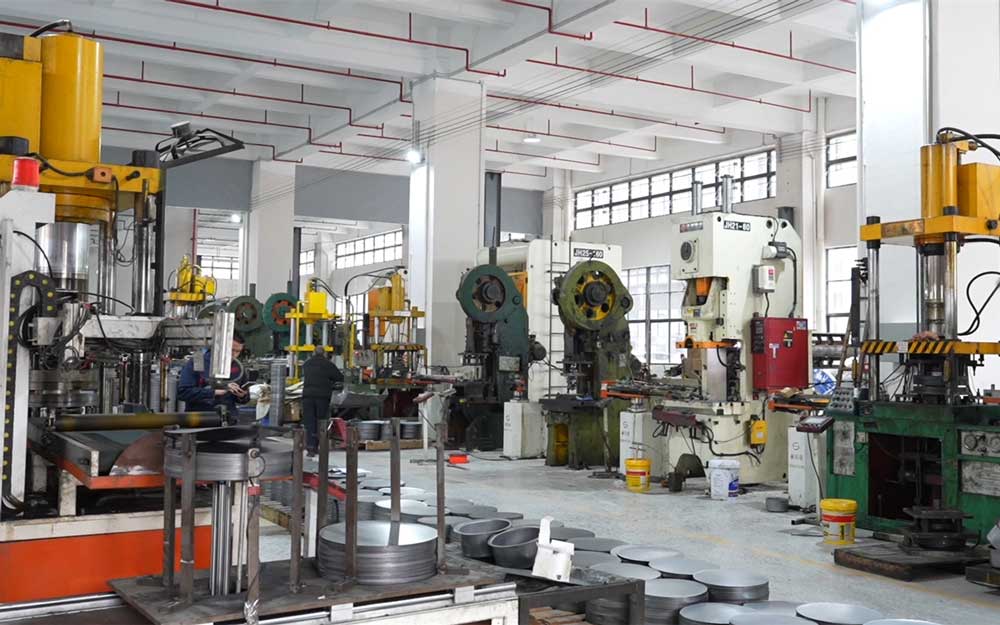
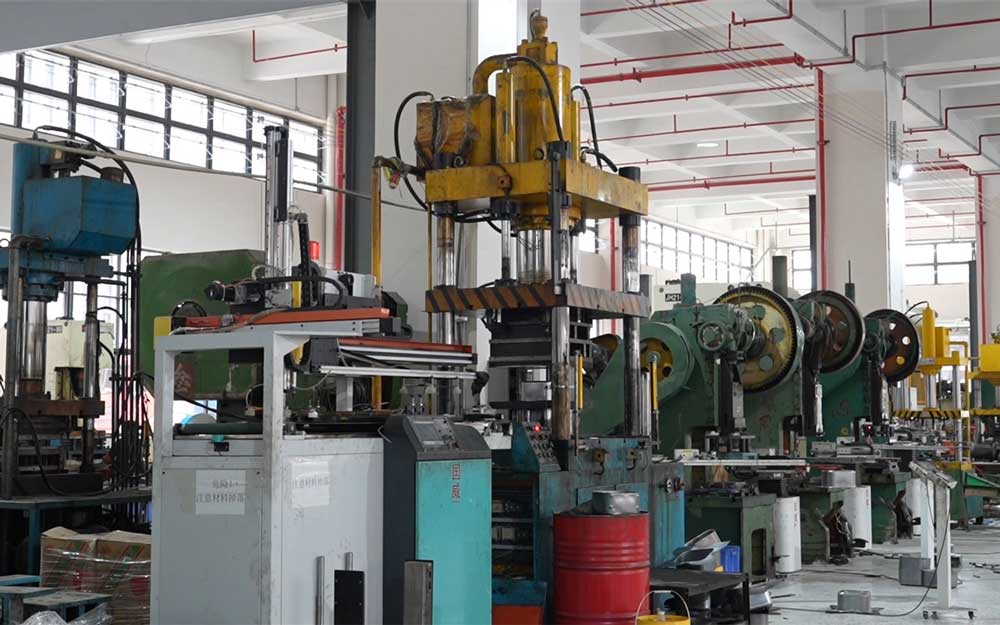
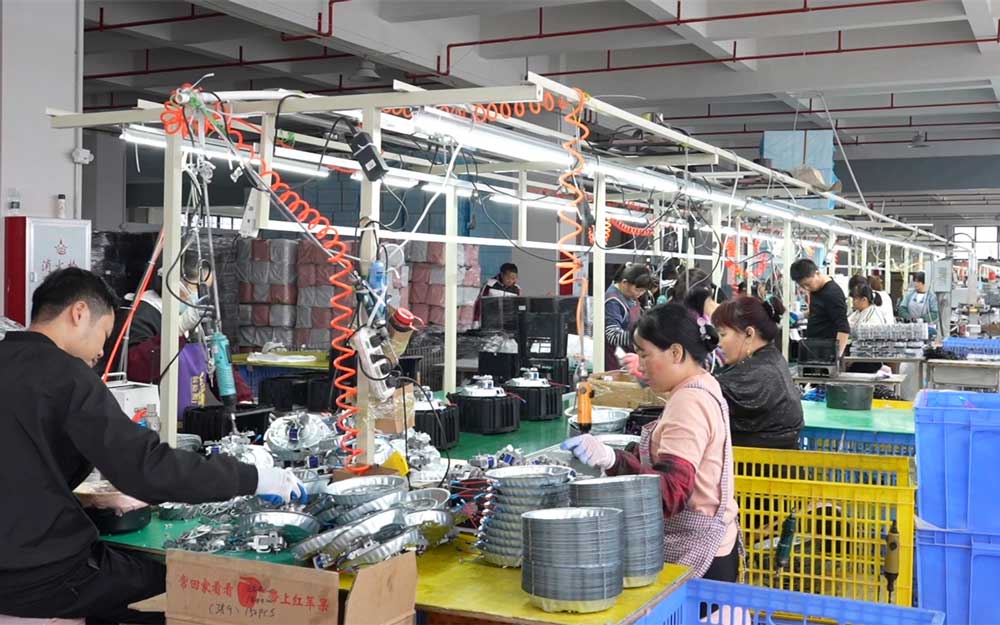
Our strength lies in vertical integration, high-capacity production lines, and rigorous quality assurance.
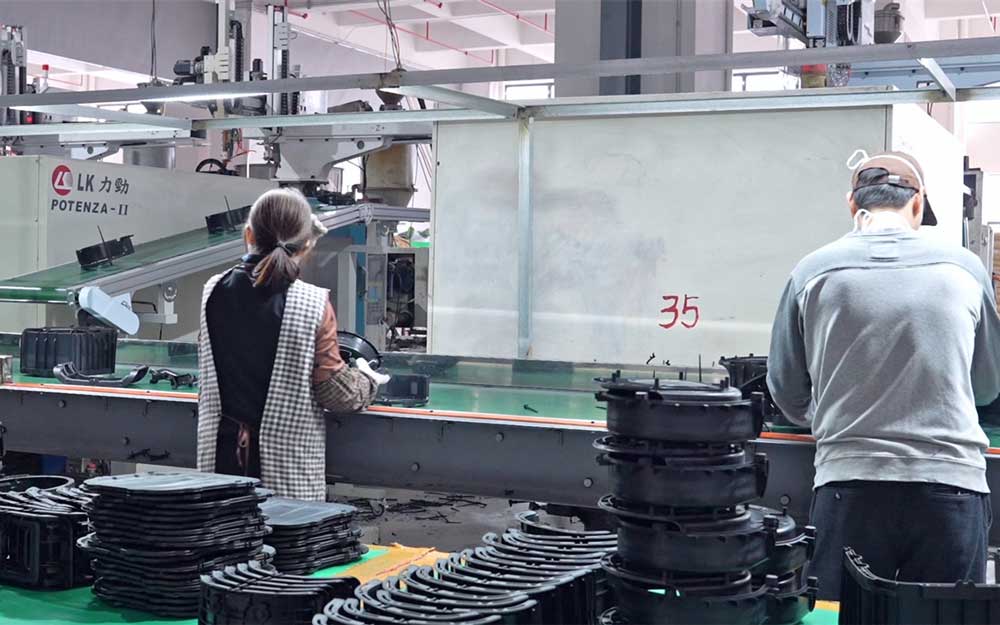
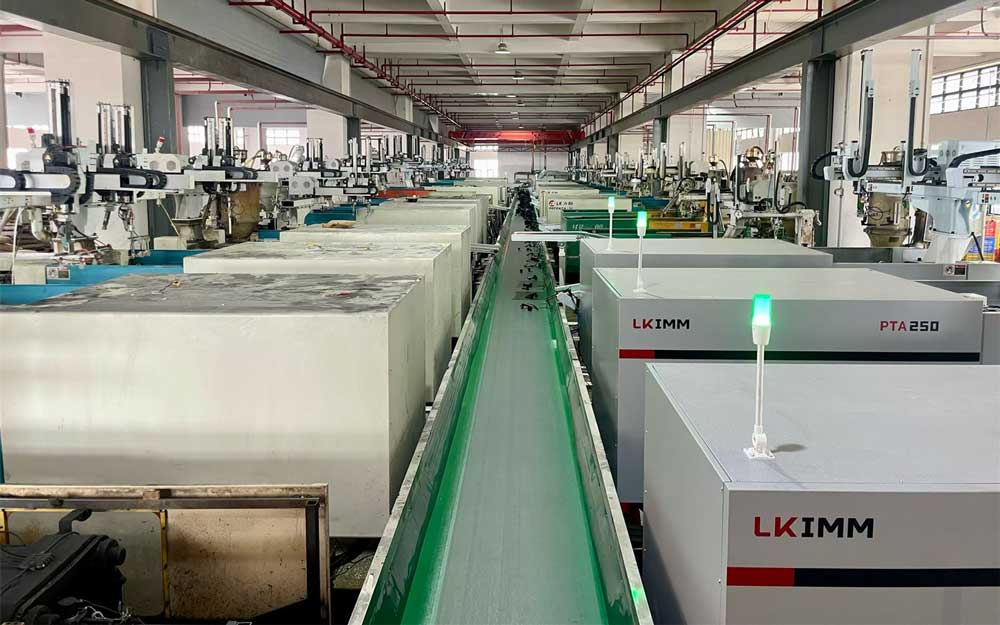
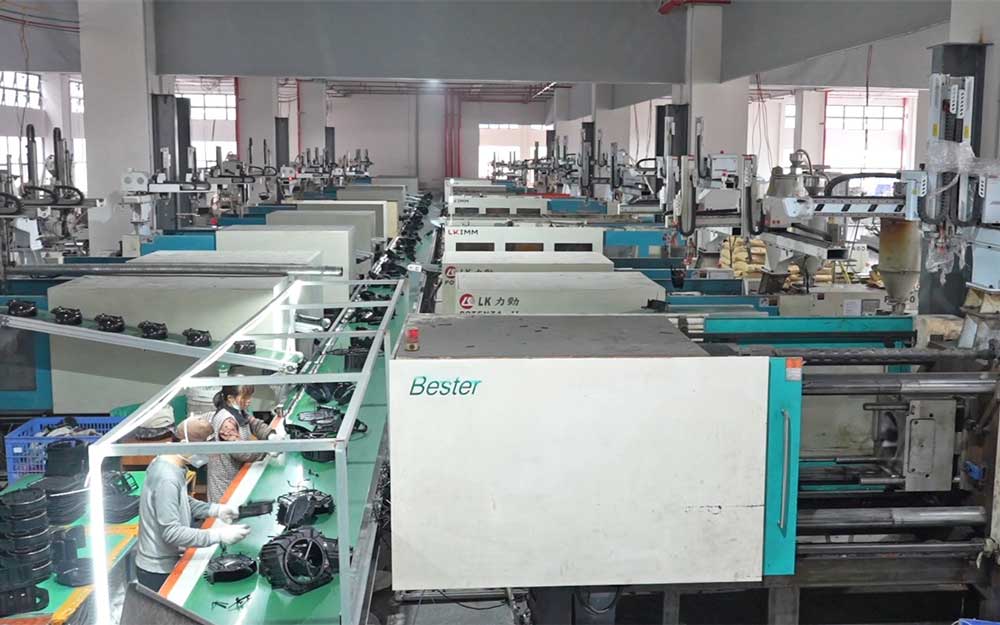
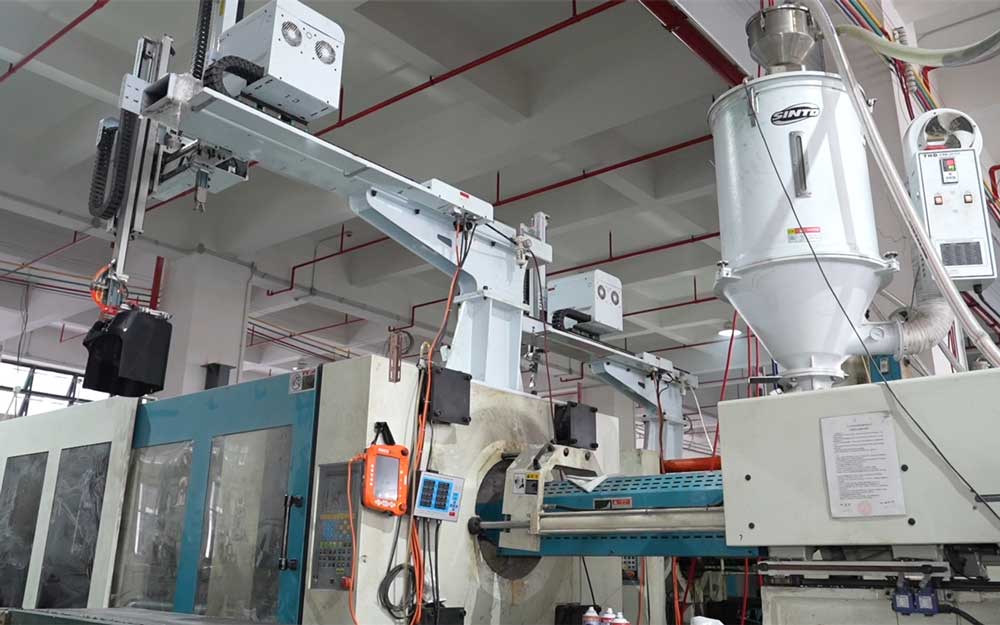
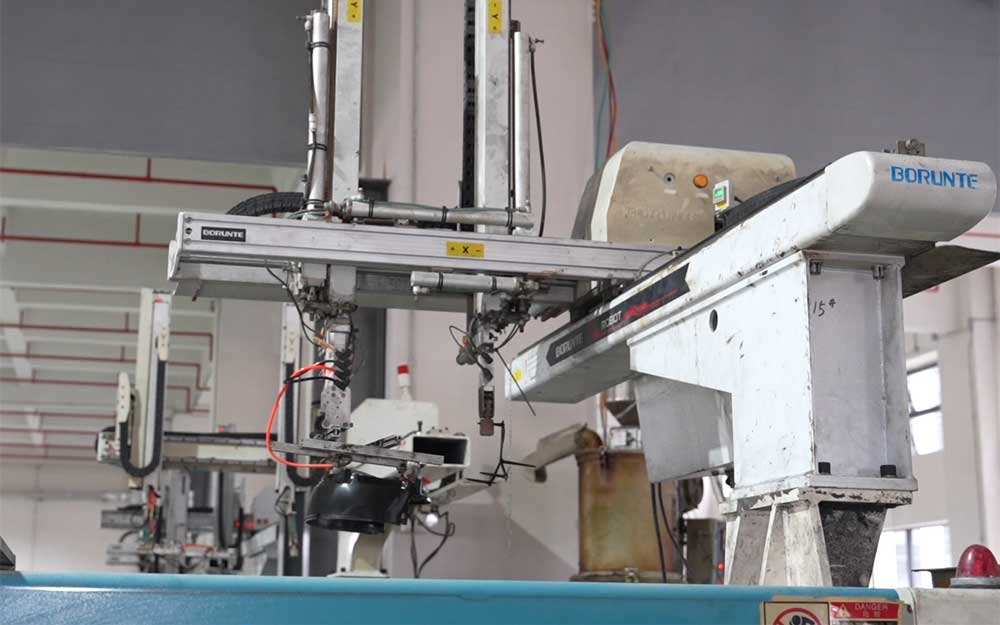
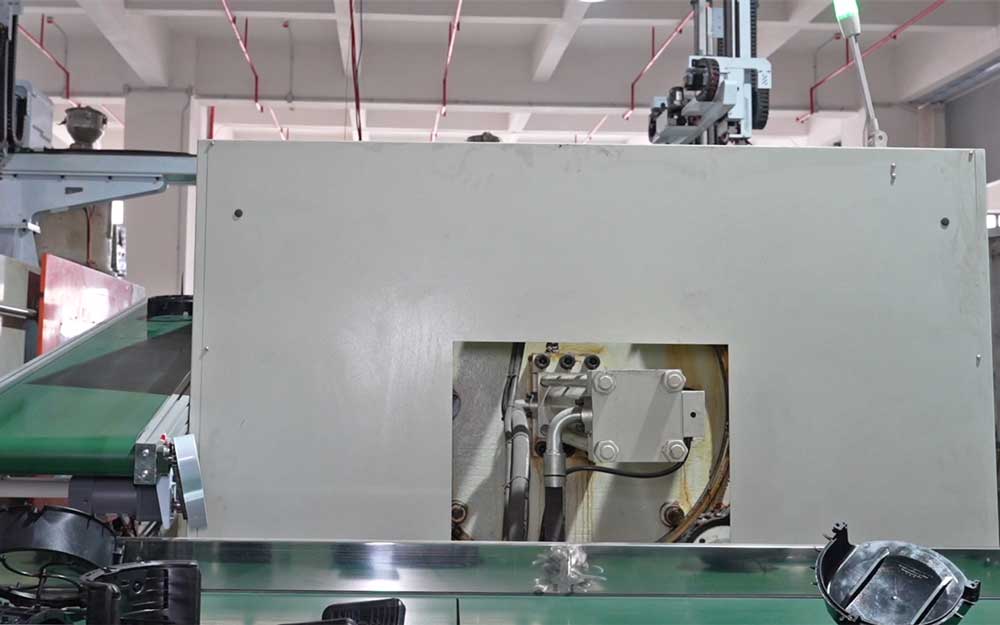
Equipped with modern metal stamping, robotic welding, injection molding, and assembly workshops to retain total control over production tolerances.
Every appliance undergoes safety tests including high-voltage insulation tests, microwave leakage detection, and continuous endurance run-ins.
Providing end-to-end global supply chain services, ranging from custom industrial design and prototyping to international certification coordination.


Tailored mechanical engineering and industrial systems designed to resolve the commercial operational hurdles of modern kitchens.
Engineered for high-volume rapid cooking lines. Features programmable multi-stage menu configurations, mechanical-assist doors, and rapid cooling fans to guarantee continuous thermal performance.
Tailored interfaces for self-service customers. Incorporates intuitive, one-touch icons, reinforced tamper-proof hinges, and advanced electromagnetic shielding to protect public operators.
Full manufacturing support from structural CAD engineering to localized safety certifications (FDA, UL, CE, CB, RoHS, LFGB), reducing the time-to-market for international importers.
Critical engineering insights answered by our Senior R&D and Quality Assurance Team.
Extend your product portfolio with our certified OEM/ODM appliances, built to meet stringent global standards.
 Zhenmei Electrical