Explore our core engineering catalog featuring advanced thermal systems, noise suppression layouts, and robust ODM manufacturing platforms.
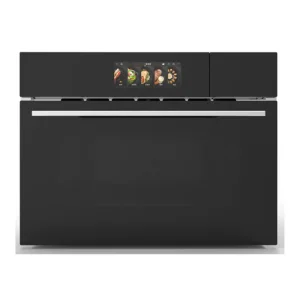
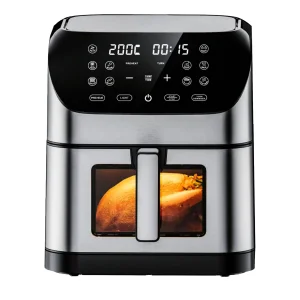
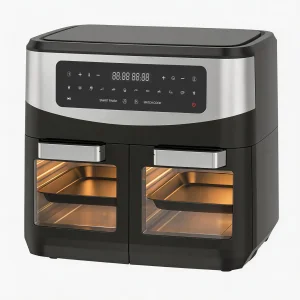
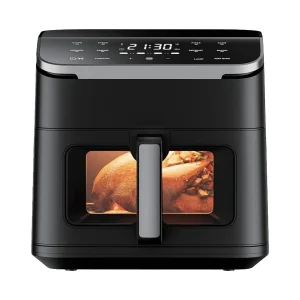
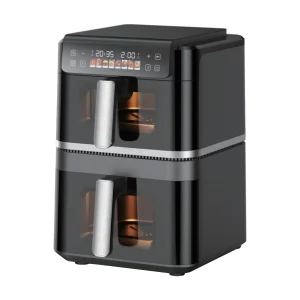
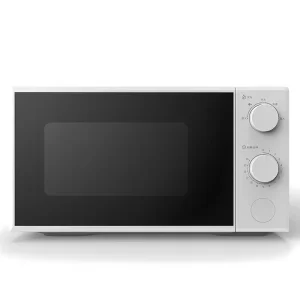
In the modern kitchen appliance landscape, the demand for Low Noise Microwave Technology has transitioned from a niche preference to a critical compliance and experiential standard. Whether deployed in open-plan offices, luxury residential developments, or demanding hospitality environments, acoustic metrics directly influence consumer satisfaction and procurement decisions.
At Zhongshan Zhenmei Electrical Appliance Co., Ltd., we recognize that true acoustic engineering lies at the intersection of thermal management, structural design, and motor efficiency. Over the past 16 years, our R&D divisions have targeted the three primary sources of microwave operational noise: magnetron resonance, cooling fan motor vibration, and structural housing reverberation. By integrating state-of-the-art brushless DC (BLDC) motors, sound-dampening insulation, and rigid metal chassis designs, we deliver kitchen solutions that offer high thermal throughput while maintaining ambient noise levels well below standard industry thresholds.
How we address global B2B procurement standards through rigorous physical science and manufacturing control.
Unlike standard mechanical microwaves that cycle power on and off at peak wattage (creating continuous acoustic and electrical spikes), our solid-state inverter systems dynamically control output. This guarantees uniform cooking while suppressing acoustic spikes by up to 15 decibels.
By using silicone-elastomer suspension rings to house the high-voltage transformer and magnetron, we decouple structural vibration from the main chassis. This cuts cabinet resonance, preventing the standard "rattling" common in lower-tier microwave builds.
Cooling air velocity is a major driver of operational noise. Our R&D team optimizes air duct geometry via computational fluid dynamics (CFD) modeling. This yields stable thermals with a lower-RPM fan, minimizing wind shear noise inside the cabinet.
Square Meters Production Facility
Daily Finished Units Output Capacity
Dedicated Acoustic & Thermal R&D Experts
Years of OEM/ODM Manufacturing Experience
As commercial real estate, corporate offices, and hospitality sectors prioritize quiet working spaces, kitchen appliance noise levels are facing stricter regulatory and buyer limits. Standard microwave ovens often generate noise between 55 and 65 dB(A). For many procurement agencies, hotel developers, and premium appliance brands, this noise profile is unacceptable.
Global procurement managers must assess acoustic output along with power consumption, safety, and lifespan. By focusing on structural noise sources, Zhongshan Zhenmei offers OEM/ODM services that meet these stringent requirements. Our production line focuses on components built to withstand high cycle rates while remaining quiet under load.
In terms of localized compliance, different regional markets demand specific safety and emission standards. Our production processes are designed to meet UL 923 safety standards for microwave cooking appliances in North America, and EN 60335-2-25 in the European Union. These design standards ensure that noise-suppression materials do not block cooling air paths or increase internal cabinet temperatures.
We test sound output in specialized semi-anechoic testing chambers. Sound level meters measure output across multiple points at a distance of 1 meter to guarantee accurate, real-world data.
Through vibration analysis using accelerometers, we locate structural hot spots on our steel housing. This data guides the placement of damping pads and bracing columns, keeping vibration noise to a minimum.
Our long-term R&D vision for low-noise, solid-state heating technology and smart home integration.
Integrating temperature-responsive speed controllers in cooling fans to reduce fan speeds—and noise—during shorter, lower-heat heating cycles.
Moving away from traditional magnetrons toward solid-state RF energy generators. This provides precise heating control and eliminates high-voltage transformer hums.
Utilizing sensor feedback to adjust fan profiles in real time based on environmental ambient noise, ensuring quiet performance in any room.
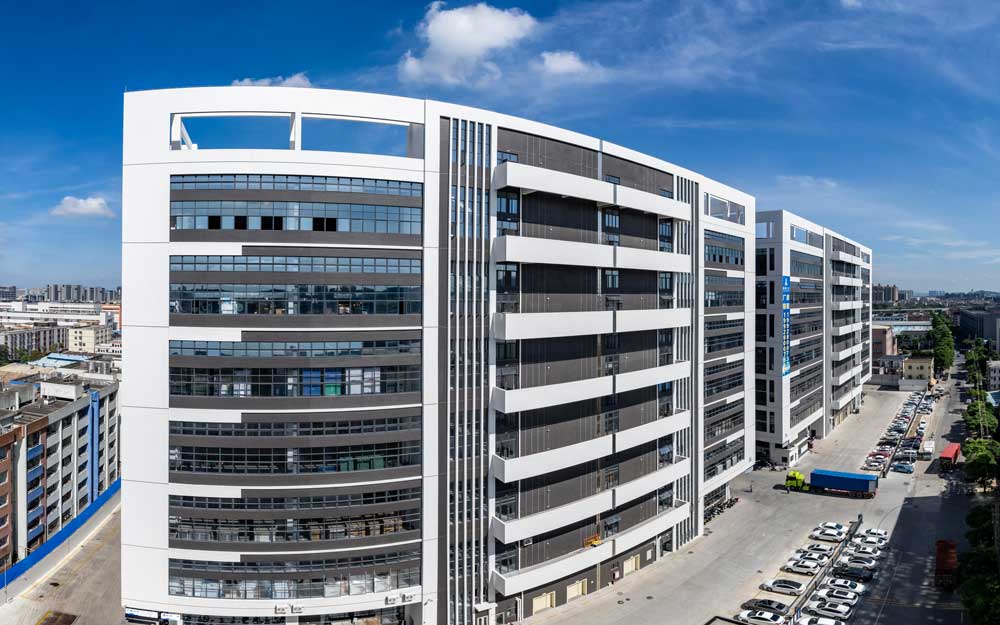
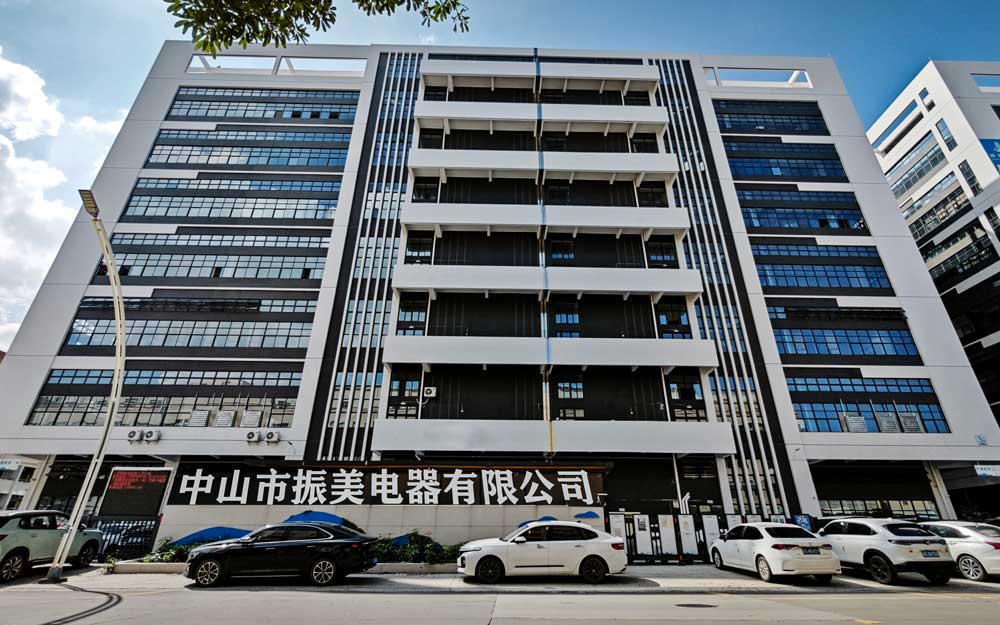
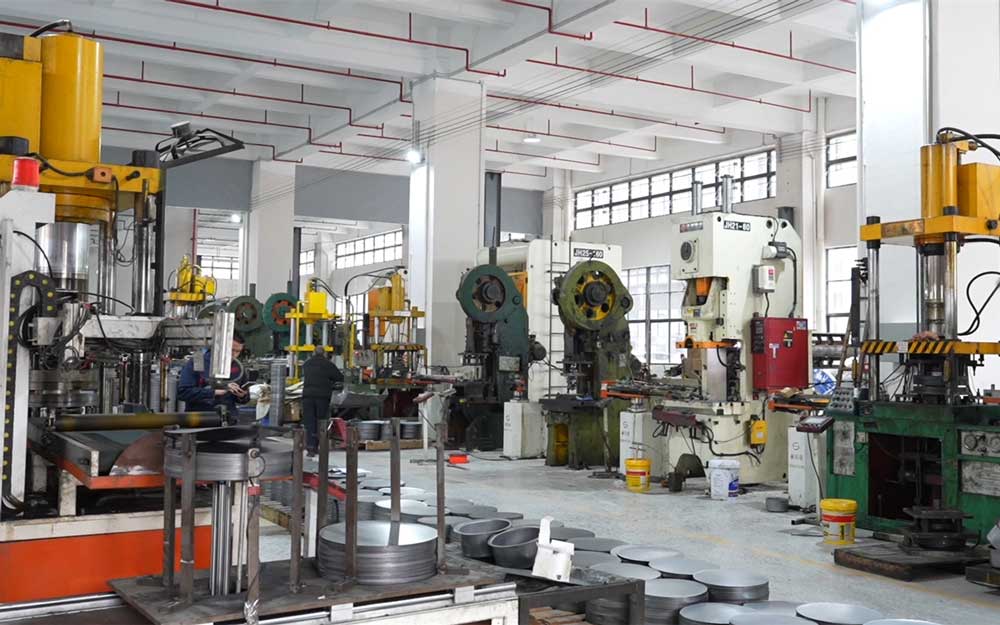
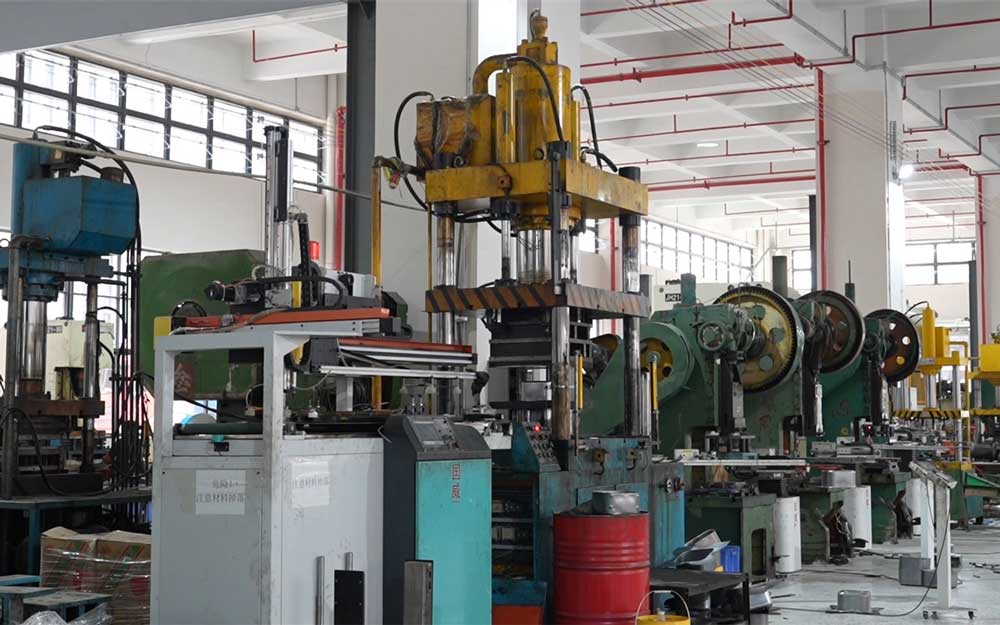
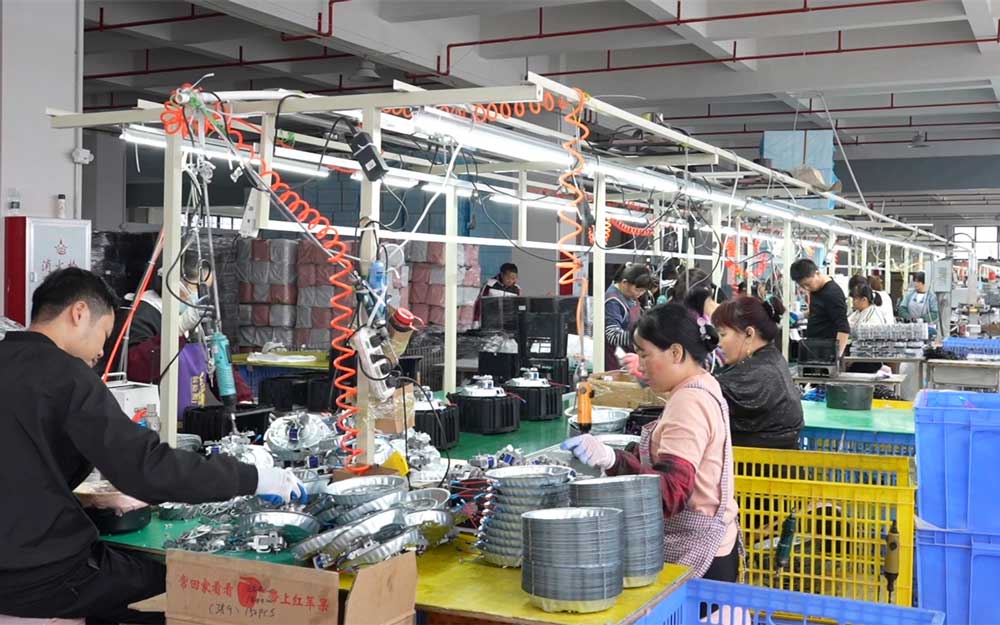
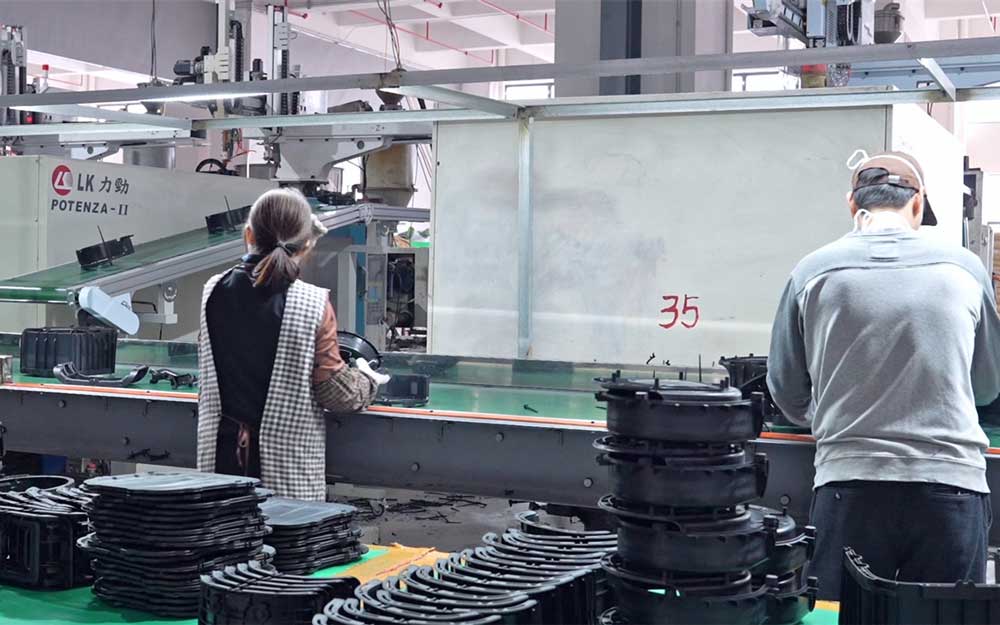
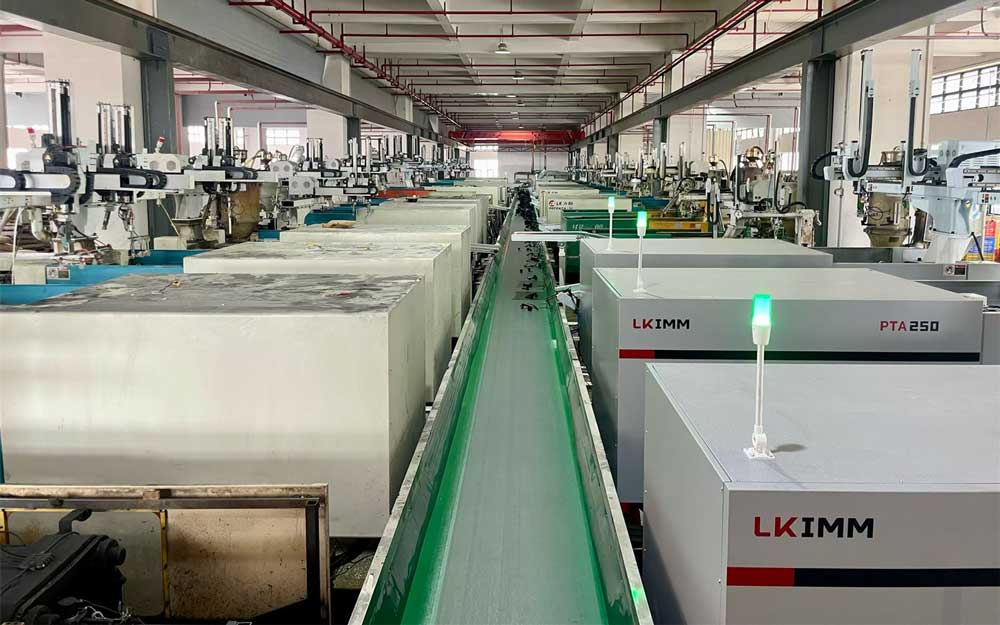
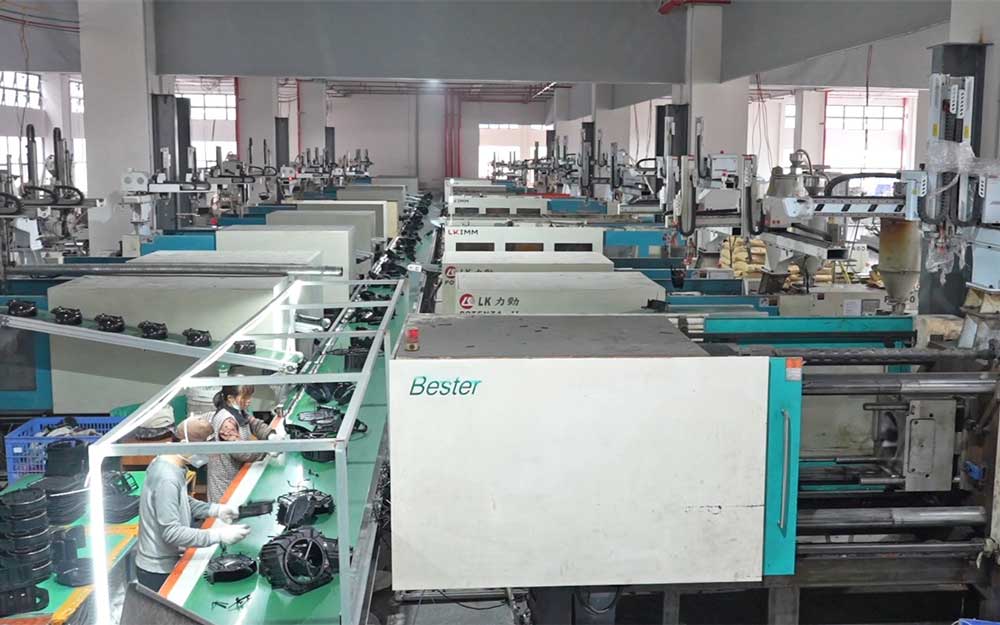
Zhongshan Zhenmei's 40,000 sqm production facility, high-volume output capacity, and rigorous quality control protocols.
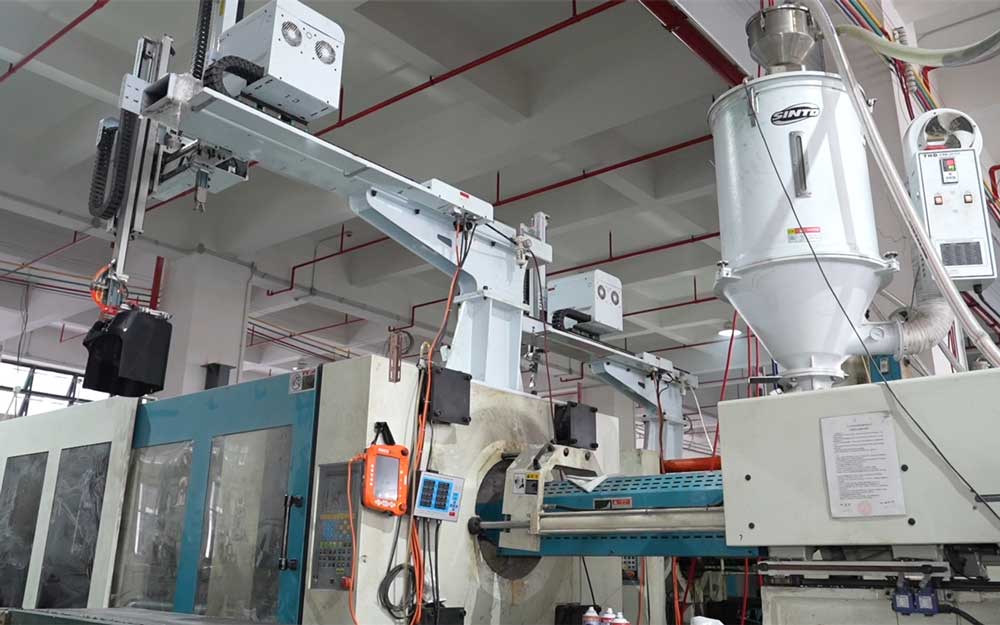
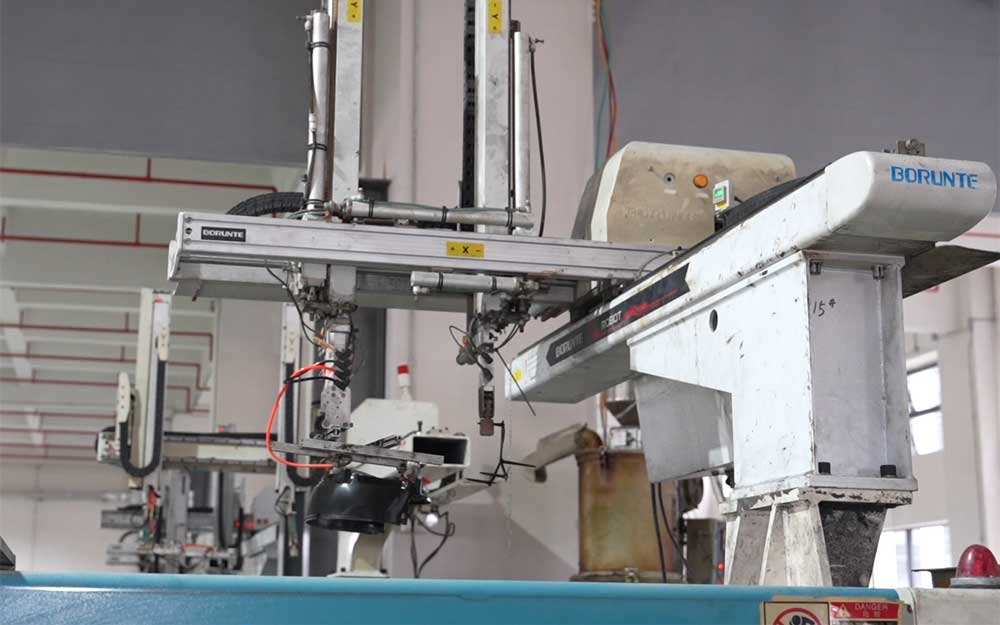
Our strength lies in robust, in-house manufacturing, powered by 300+ professionals and 20+ R&D experts to ensure quality at every stage.
Our daily output of over 10,000 units easily meets the scale demands of major global brands and high-volume procurement schedules.
We provide end-to-end services, helping you take ideas from initial product sketches and design drafts to fully certified retail units.

Detailed technical answers addressing standard inquiries from B2B buyers and product designers.
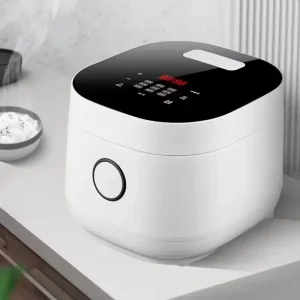
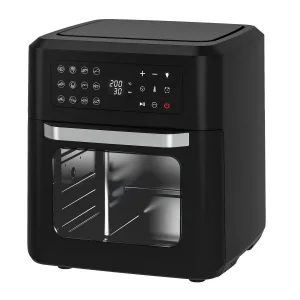
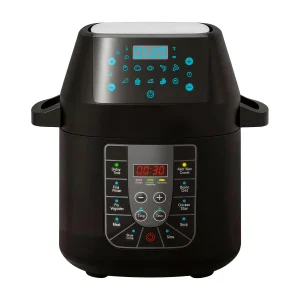
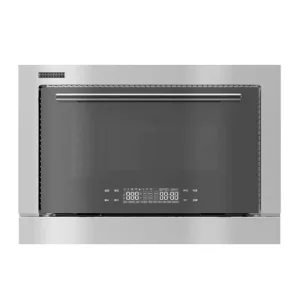
Browse our selection of modern kitchen appliances, designed with the same engineering expertise and manufacturing control.
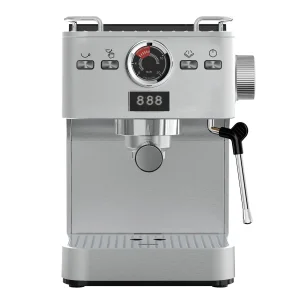
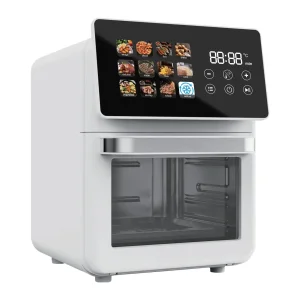
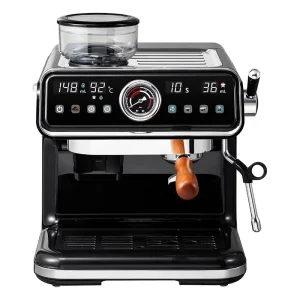
 Zhenmei Electrical