Historically, high-performance blending has been synonymous with high-decibel levels. Standard commercial and domestic blenders frequently register operational noise levels between 85 dB and 95 dB—equivalent to the auditory impact of a motorcycle or heavy industrial machinery. Long-term exposure to these sound levels poses health risks, while immediate usage disrupts domestic tranquility and ruins the customer ambiance in commercial settings such as juice bars, hotels, and open-plan cafes.
As the market shifts towards semantic integration of wellness, aesthetics, and ergonomics, the search term "China Low Noise Blender Manufacturers & Factory" has surged in importance for B2B procurement managers. Modern consumers are no longer willing to sacrifice peaceful environments for mechanical performance. Through structural acoustic decoupling, brushless DC (BLDC) motor implementation, and aerodynamic sound containment enclosures, leading Chinese manufacturing hubs are engineering a new paradigm of high-torque, sub-60 dB blending machines.
| Blender Category | Acoustic Level (dB) | Primary Motor Tech | Key Isolation Elements | Typical Applications |
|---|---|---|---|---|
| Standard High-Speed | 85 – 98 dB | Universal AC Brush Motor | None (Direct Chassis Mount) | Industrial Kitchens, Back-house Prep |
| Enclosed AC Professional | 70 – 78 dB | Universal AC + Fan Cooling | Acrylic Sound Shield, Rubber Feet | Standard Cafes, Mid-range Homes |
| Premium BLDC Low-Noise | 55 – 65 dB | Brushless DC (BLDC) Motor | Double-wall Enclosure, Suspended Motor Dampening | Quiet Homes, Open Juice Bars, Hotels |
Creating a truly quiet high-speed blender requires a multi-layered scientific approach to vibration dampening and acoustic absorption. Simply placing a plastic cover over a standard blender is insufficient; engineers must tackle sound propagation at its source. Here is how advanced Chinese factories address this engineering challenge:
Traditional blenders rely on carbon-brush AC motors that create structural friction and electrical sparks, contributing heavily to high-frequency mechanical noise. By replacing these with BLDC motors, manufacturers eliminate friction-based noise entirely. Furthermore, BLDC motors provide superior torque-to-weight ratios and precise electronic control, allowing the blender to maintain constant blade speeds even when processing dense fibrous ingredients, avoiding the sudden pitch changes that users find irritating.
Rather than anchoring the motor directly to the chassis, advanced factories suspend the motor using specialized silicone or synthetic rubber mounts. These compounds are engineered with a specific Shore hardness rating optimized to absorb harmonic vibrations before they resonate through the plastic housing of the appliance.
The sound shield is the most visible barrier to noise. Advanced designs feature double-walled acrylic shields that incorporate a precise air gap, acting as a thermal and acoustic insulator. Gaskets made from high-density food-grade silicone seal the enclosure to prevent sound leaks, reducing noise escape by up to 15 dB compared to unshielded models.
High-powered motors generate heat, necessitating airflow for cooling. Typical straight-line ventilation ports act as megaphones for motor noise. Modern low-noise blenders employ labyrinthine airflow pathways that force air through multiple bends. This design scatters sound waves while maintaining optimal thermal dissipation, ensuring motor longevity without compromising acoustic performance.
Operating at the intersection of high volume, absolute precision, and global regulatory compliance.
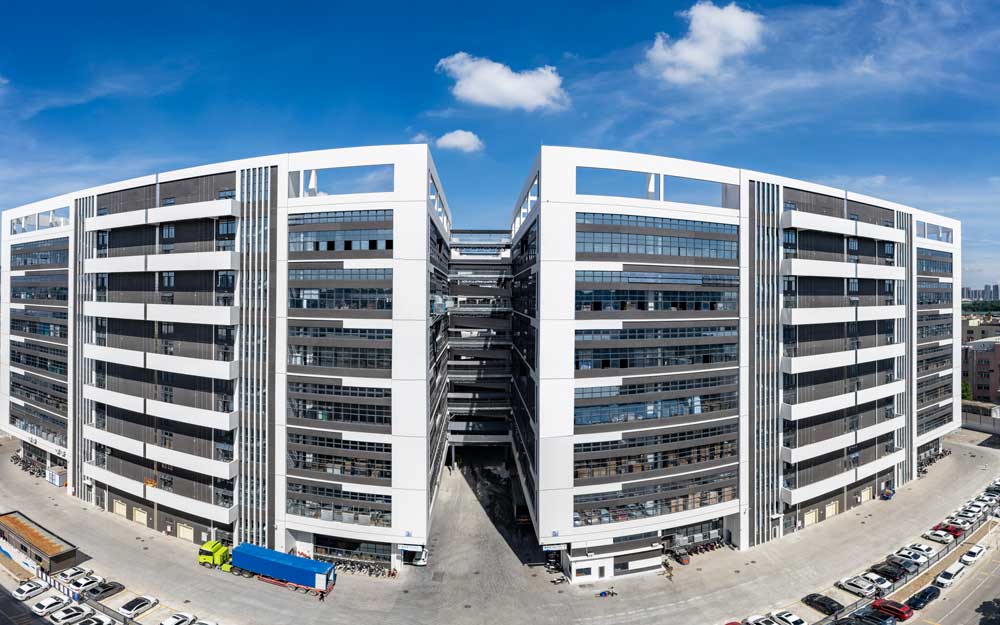
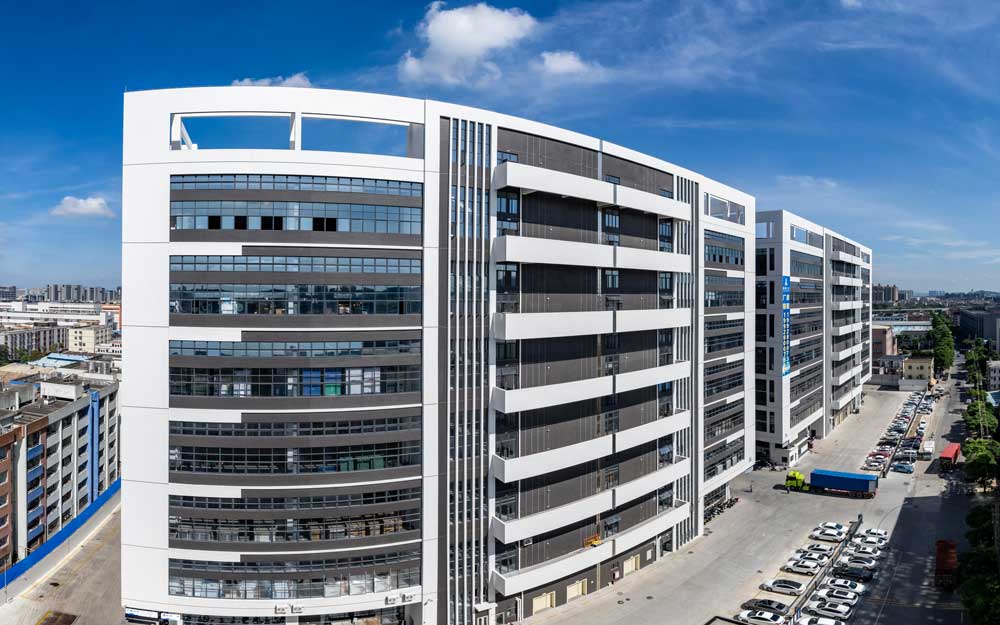
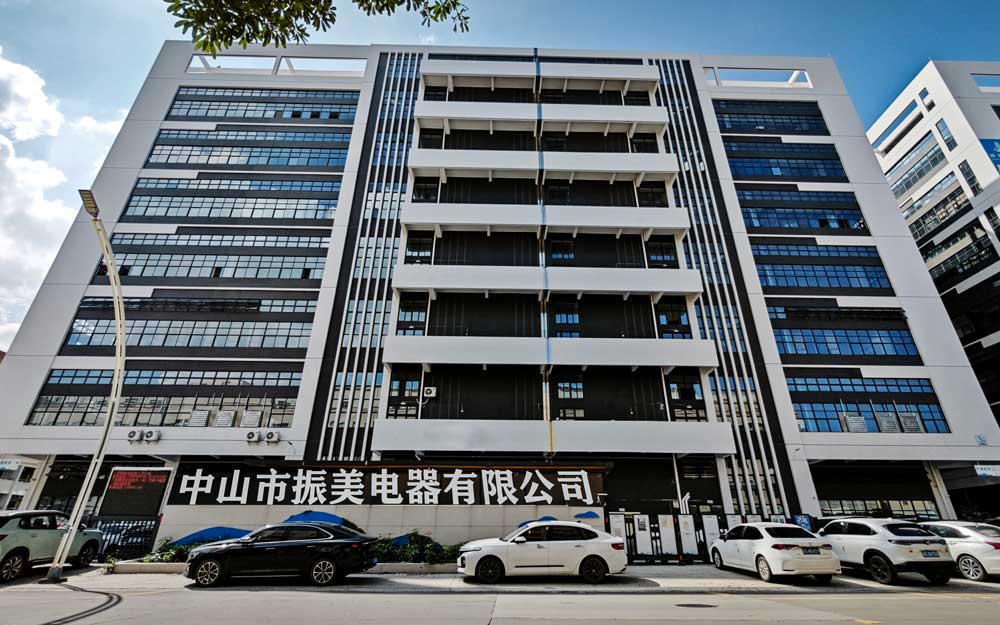
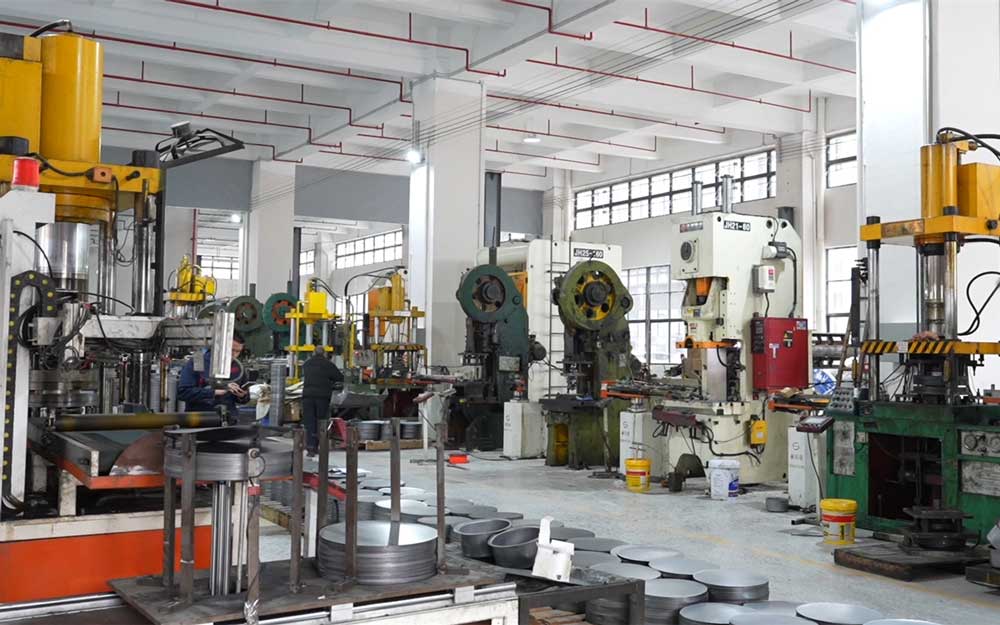
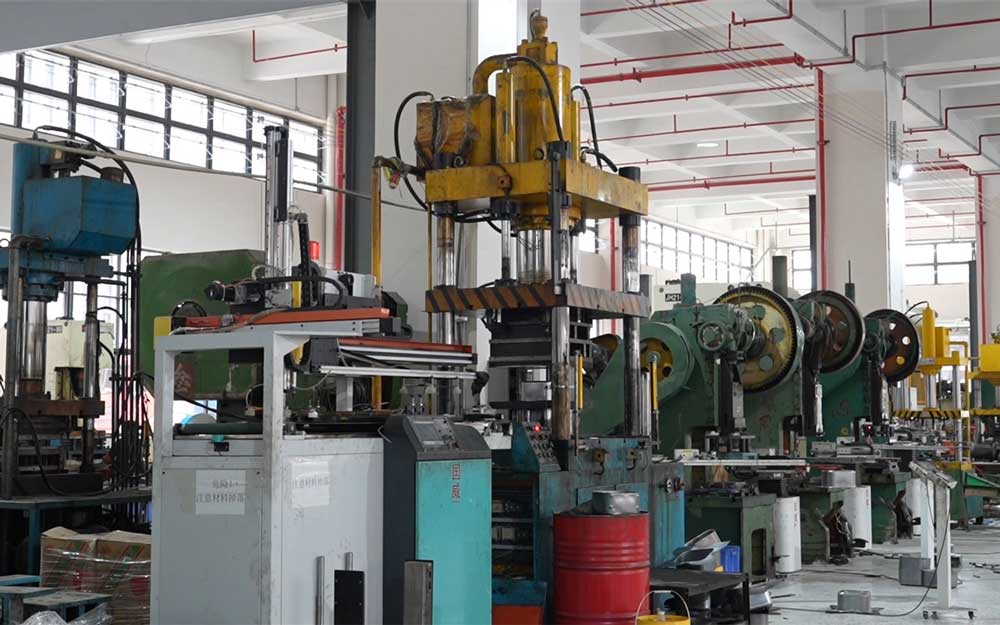
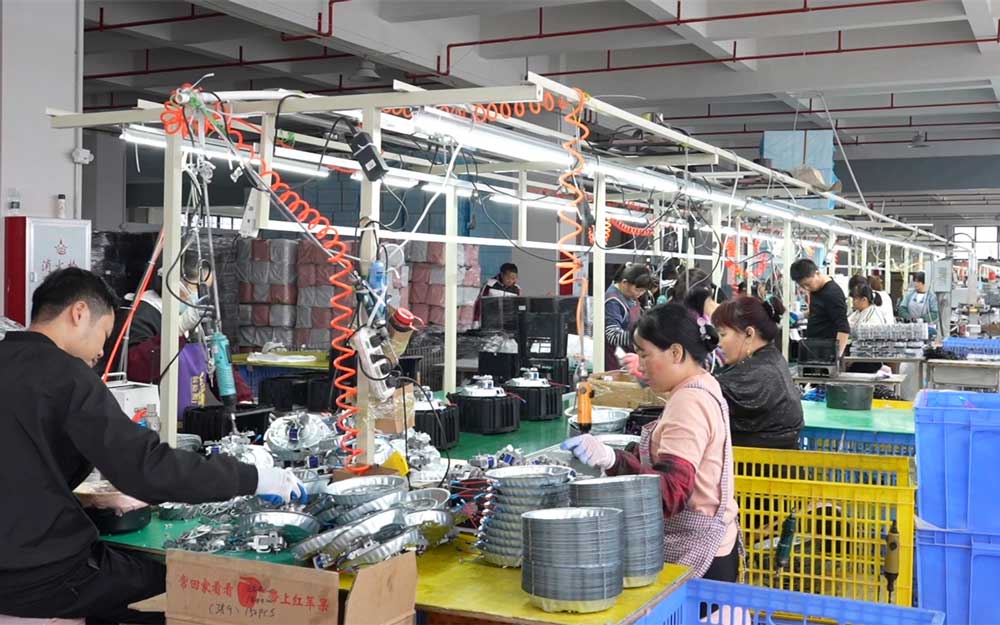
Our strength lies in robust in-house manufacturing. Operating from a 40,000 sqm advanced facility, powered by 300+ dedicated professionals and 20+ R&D experts, we ensure precision and control at every stage.
Our massive 10,000+ units daily output reliably meets the demands of high-volume orders worldwide. We are committed to excellence, underpinned by a rigorous quality control system that guarantees the safety and reliability of every product.
We are the trusted, end-to-end solution for your OEM/ODM needs. Choose us for innovation, scale, and reliability. Let's build your next success story together and launch disruptive, market-leading products.
The manufacturing ecosystem in Guangdong, particularly in cities like Zhongshan and Shunde, represents one of the most efficient manufacturing supply chains globally. For global procurement directors, purchasing blenders and kitchen appliances from this cluster offers unmatched economic and logistical benefits:
Raw Material Integration: All primary inputs, including copper wires for motors, food-grade Tritan copolymer plastic for jars, and high-tensile stainless steel alloys for blade assemblies, are sourced within a 50-kilometer radius. This proximity reduces transit times and buffers the factory against global raw material volatility.
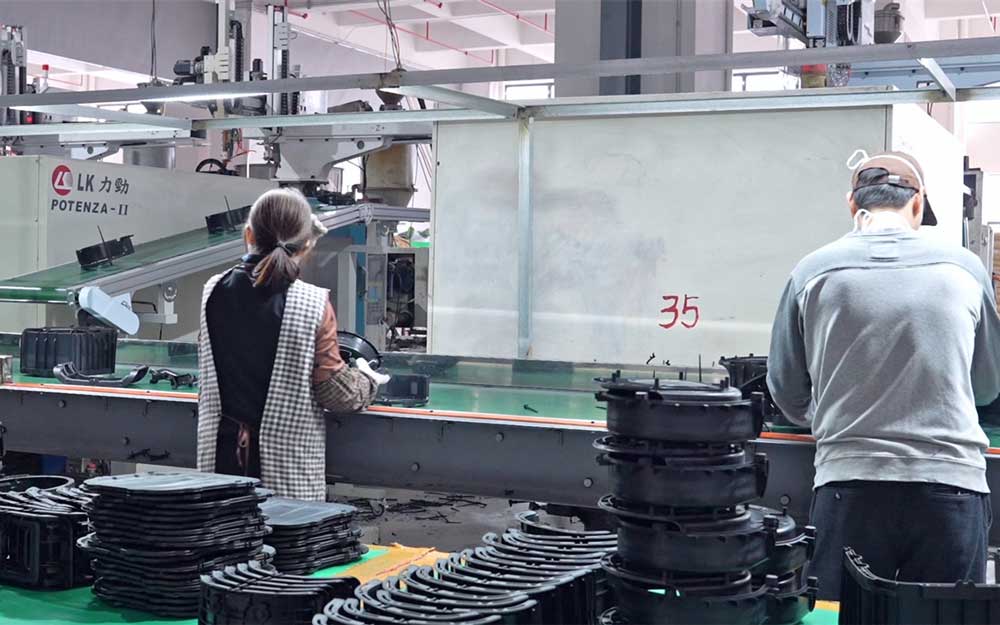
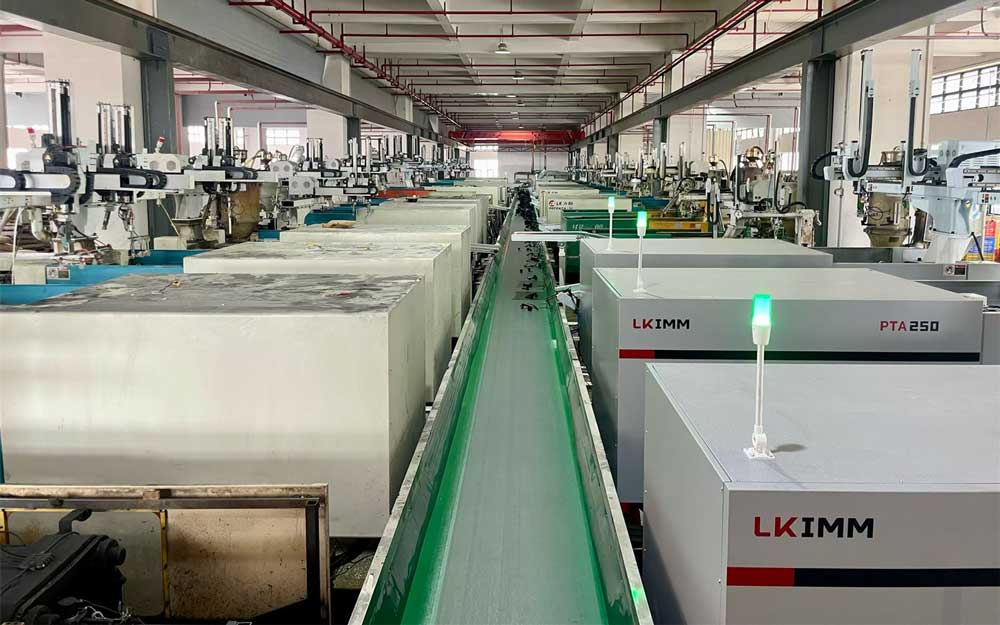
Advanced Plastic Injection & Tooling: The local cluster features specialized toolmakers who construct precise, high-tolerance injection molds. This is crucial for low-noise blenders, where sound dampening relies on airtight fits between the jar, base, and acoustic lid. Tiny variations in plastic shrinkage can compromise noise reduction, making high-precision tooling essential.
Labor Specialization and Process Automation: With over 16 years of operation, our workforce is deeply skilled in key manufacturing disciplines. We balance this human expertise with automated robotic winding machines for motors, automatic leak testers for jars, and electronic noise-testing chambers to confirm performance specifications before packaging.
Importing electrical appliances into regions like the European Union, North America, and Australia requires strict adherence to international safety, environmental, and food contact regulations. A premier manufacturer must guarantee that all products conform to these benchmarks:
To support global brands, Zhongshan Zhenmei operates a dedicated testing laboratory. Our quality assurance team subjects production samples to accelerated lifetime testing, drop testing, thermal shock testing (pouring ice-cold liquids into hot jars), and continuous noise-chamber decibel checks, ensuring every shipment complies with destination port regulations.
A look inside our advanced 40,000 square meter factory, demonstrating our commitment to quality and safety.
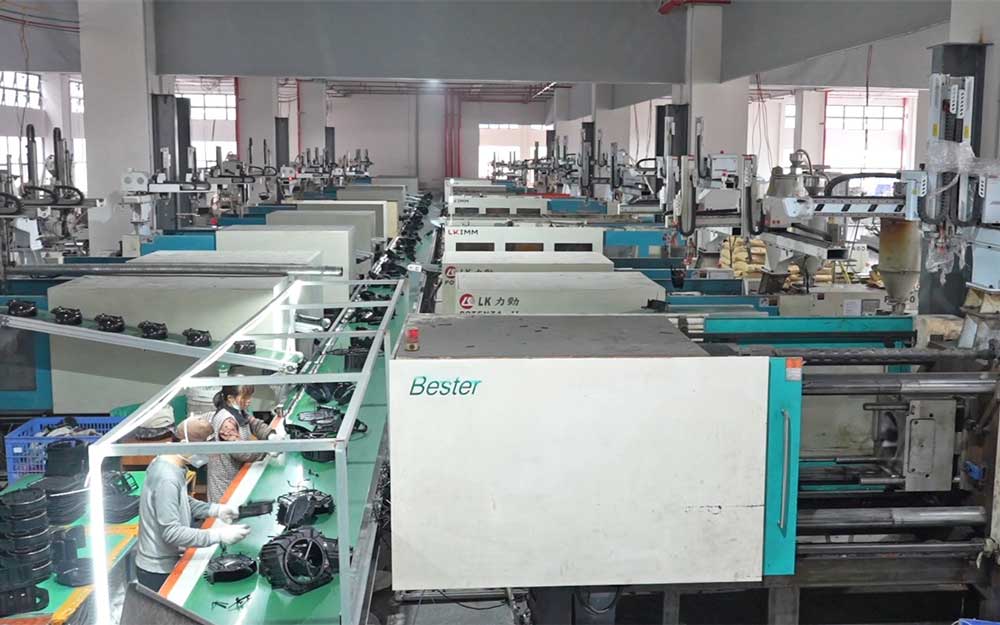
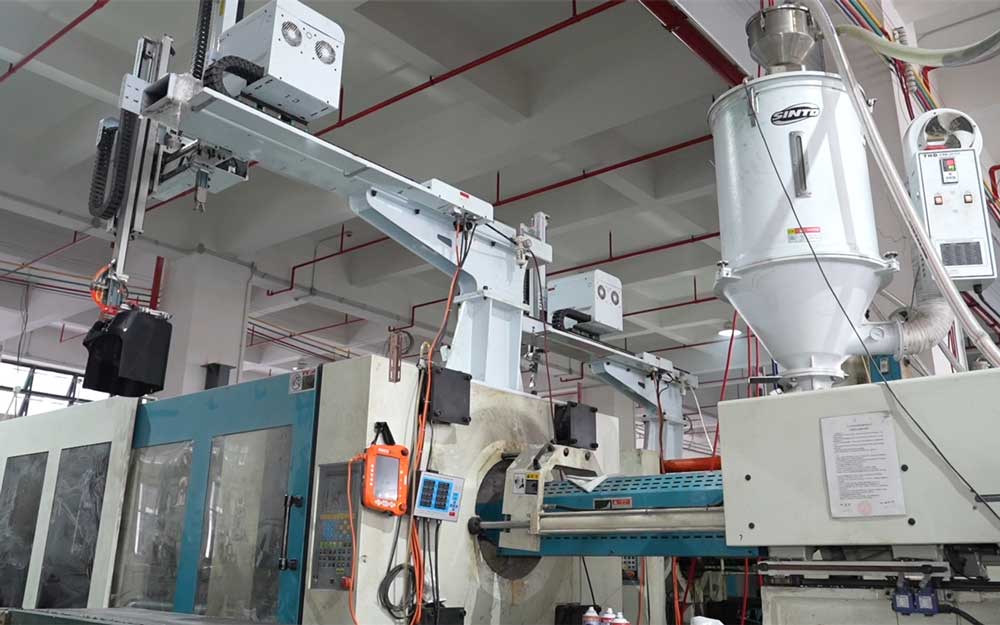
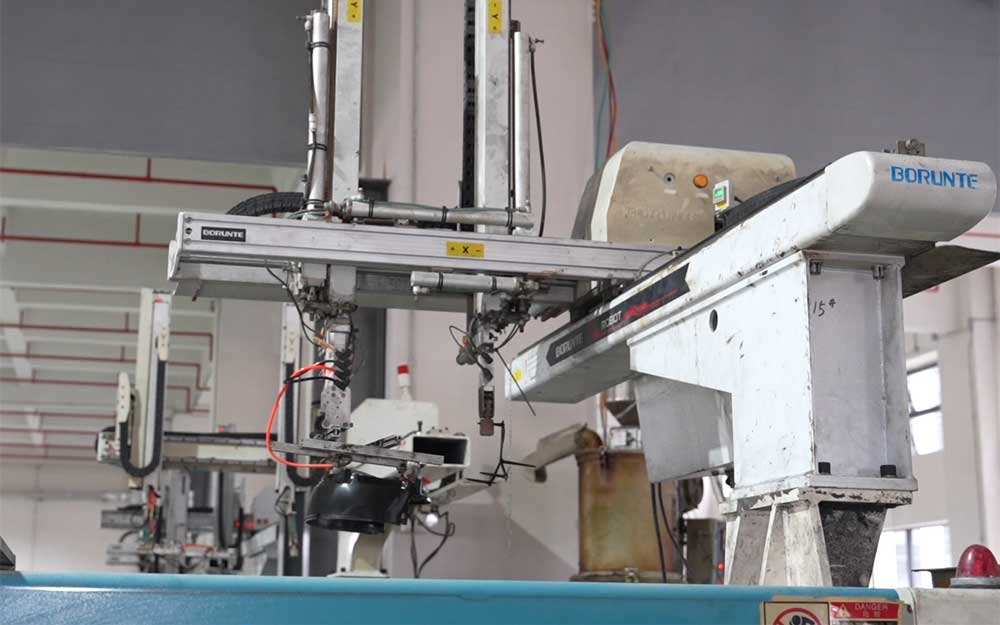
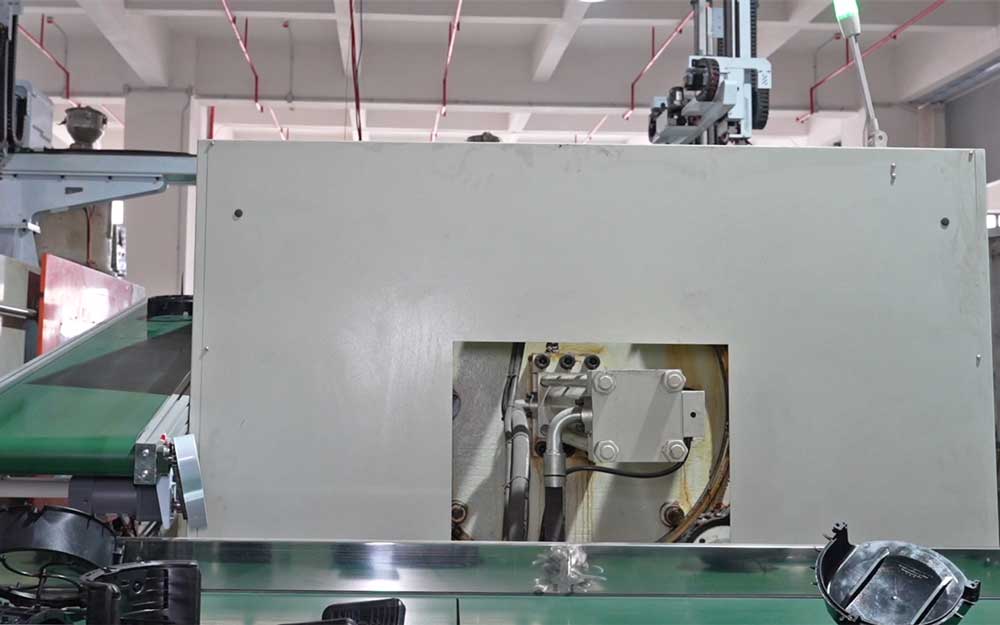
B2B procurement professionals face multiple challenges when sourcing OEM/ODM kitchen appliances from China. Navigating international supply chains requires a thorough understanding of these key operational areas:
Custom designs require significant tooling investments. A standard injection mold for a complex plastic enclosure can cost between $15,000 and $40,000. Experienced manufacturers offset these tooling fees against the initial product run or offer amortized rebates over subsequent orders. Clear MOQs protect both parties and ensure efficient production runs.
To avoid receiving defective goods, buyers should insist on using the Acceptable Quality Limit (AQL) inspection standard—typically AQL 1.5 for major defects and 4.0 for minor defects. Random pre-shipment inspections must verify not only functional operation but also acoustic tolerances, verifying the decibel level remains within standard parameters.
High-power blenders are heavy, requiring robust packaging to survive international transit. Industrial-grade packaging should pass drop-testing standards (such as ISTA 1A or 3A) to guarantee the blender base, glass/Tritan jar, and delicate electronic PCBA arrive in perfect condition without structural stress fractures.
The utility of low-noise blending technology extends across several key commercial and domestic settings:
Open-Kitchen Juice Bars & Coffee Shops: In high-traffic establishments, loud blenders disrupt customer conversations and ordering. Implementing sub-60 dB blenders allows staff to process smoothies, frappes, and crushed ice drinks directly on the front counter, maintaining a pleasant dining atmosphere.
Luxury Hotel Room Service & Buffets: Upscale hospitality environments prioritize guest comfort. Silent blenders allow staff to prepare fresh wellness beverages in breakfast areas or directly in guest suites during early mornings without causing disturbance.
Modern Smart Homes & Urban Apartments: High-density urban living amplifies sound transmission through walls and floors. Quiet blenders allow health-conscious consumers to prepare nutritious protein shakes and green smoothies early in the morning without waking family members or neighbors.
The kitchen appliance sector is transforming rapidly, driven by three major macro-trends:
IoT Integration and Smart Recipes: Modern blenders are increasingly equipped with Bluetooth or Wi-Fi connectivity. Users can sync their appliances with health apps to automatically adjust blending times, speeds, and processing cycles based on specific recipe profiles.
Transition to High-Efficiency Motors: The migration from universal AC motors to BLDC variants represents a major technological step forward. BLDC motors reduce energy consumption by up to 40% and have operational lifespans up to ten times longer than traditional brushed alternatives.
Eco-Friendly, High-Durability Materials: As sustainability regulations tighten globally, leading manufacturers are transitioning to bio-based plastics, recycled aluminum alloys, and easily recyclable modular components, helping brand partners meet ESG commitments.
Expert technical insights to assist sourcing managers and importers with product validation.
 Zhenmei Electrical