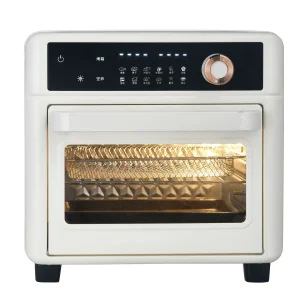
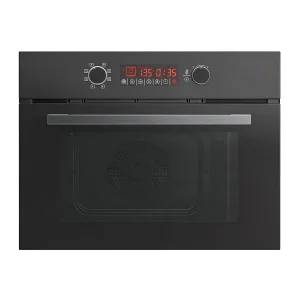
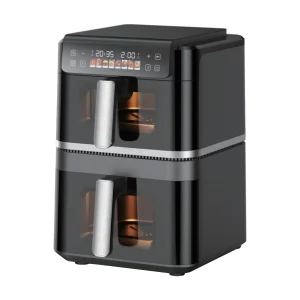
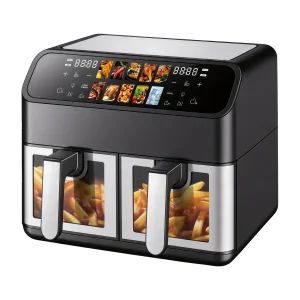
China Kitchen Fufu Machine Manufacturers & Factory

Pioneering Smart Kitchen Engineering: Industrial-Grade Pounding and Kneading Technology for Global B2B Food Supply Chains

The Mechanics of Traditional Staple Processing & Automations

Fufu, a foundational dietary element for hundreds of millions of consumers across West Africa, Central Africa, and the global diaspora, demands extreme mechanical force to produce its hallmark texture. Traditionally, processing cassava, yams, or cocoyams requires hours of grueling physical labor, manually pounding hot starches in wood mortars.

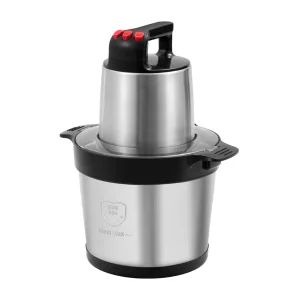
In modern commercial kitchens and quick-service restaurants (QSR), manual processing is no longer viable due to high labor costs, inconsistent textures, and sanitation bottlenecks. Specialized kitchen fufu machines designed in China solve this by implementing automated electromechanical pounding, leveraging high-torque planetary mixing systems that accurately replicate the traditional manual pestle action.

Key Sourcing Requirement: Commercial buyers must focus on motor torque density, thermal overload prevention, and structural compliance with food-grade materials (like SUS304) to ensure constant high-viscosity dough processing.

Fufu Processing Engineering Targets

  • Rheological Load Capability High-viscosity Starch Gels
  • Motor Design Type Pure Copper Coil AC / DC Brushless
  • Torque Transmission Multi-stage Planetary Gear Train
  • Contact Surfaces Polished Food-Grade SUS304
  • Thermal Protection Limit 135°C Automatic Cutoff

Why China Leads Fufu Machine Manufacturing

The convergence of industrial metalworking, advanced electronics, and optimized supply chains positions Chinese factories as the unmatched suppliers for B2B kitchen equipment.

Integrated Supply Ecosystem
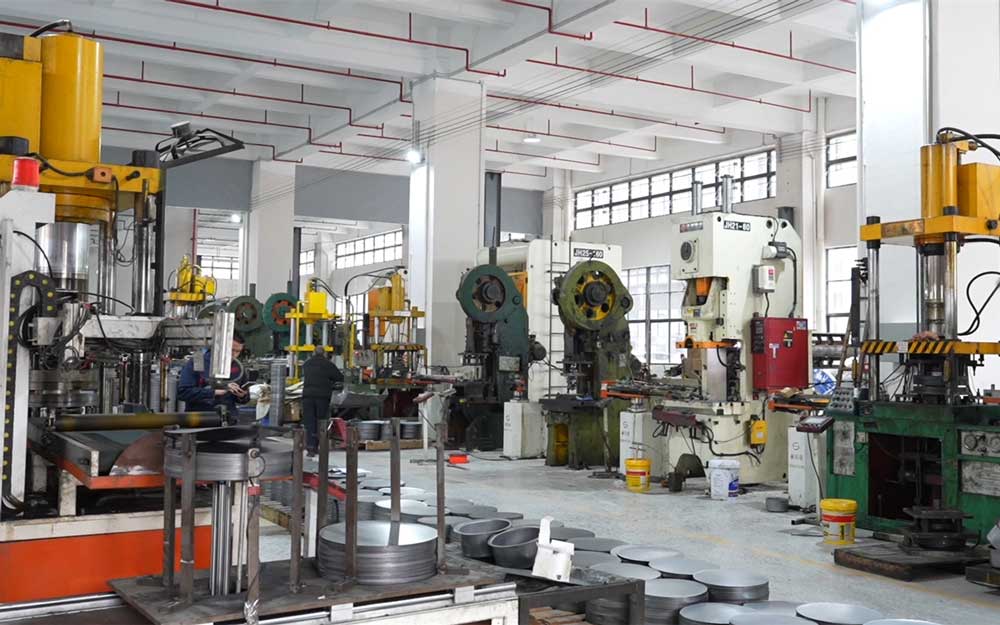
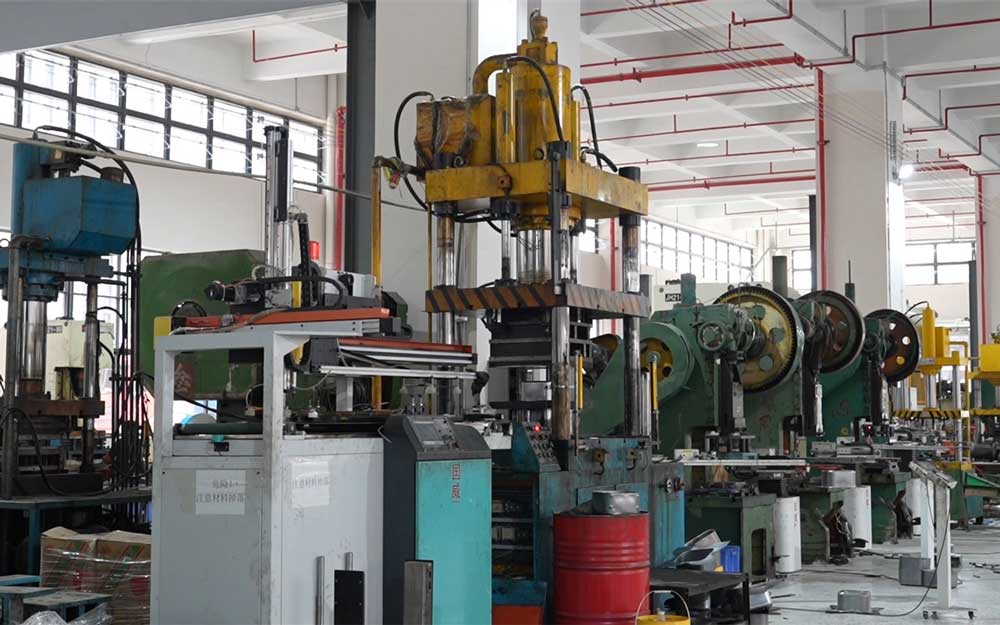
Chinese manufacturing hubs, especially in Shunde and Zhongshan, integrate the entire production chain. From raw sheet metal stamping, copper wire motor winding, to custom silicon control board development, everything occurs within a 50km radius.
Advanced Metallurgical QC
Processing highly viscous starches like cassava demands strong food contact materials. Chinese factories offer verified SUS304 bowl thickness (up to 1.2mm) with electropolished anti-stick finishes that reduce cleaning cycles.
Strict Cost Efficiency
By using automated tooling, automated testing fixtures, and large-scale manufacturing runs, Chinese factories reduce cost per unit. This pricing edge enables global importers to secure strong markups in regional markets.

Industrial vs. Household Fufu Machine System Comparison

Choose the correct product tier based on your commercial processing scale and regional distribution goals.

Feature / Parameter Household / Diaspora Model Commercial QSR Model Industrial Factory System
Bowl Volume Capacity 2.0L to 4.0L 5.0L to 10.0L 12.0L to 25.0L+
Motor Mechanical Wattage 800W - 1200W 1500W - 2500W 3000W - 4500W+
Transmission System Reinforced Nylon Gear / Belt Carbon Steel Planetary Gears Oil-Bath Hardened Steel Gears Solid Bronze Pinion Gears
Starch Output Yield (Per Hr) ~5 kg to 10 kg ~25 kg to 50 kg ~100 kg to 250 kg
Target Applications Domestic Homes, Small Delis Quick Service Restaurants, Caterers Industrial Food Prep Hubs
Thermal Safety Index Single Thermostat Stop NTC Sensor + Cooling Fans Dual-fan Active Liquid Cooling Option

Custom ODM/OEM Value-Adds

  • Voltage Adaptability 110V/60Hz, 220-240V/50Hz
  • UI Control Panels LED Touch / Mechanical Knobs
  • Enclosure Finishes Matte Plastic, Brushed Steel, Die-Cast
  • Private Brand Design Laser-Etched Logo & Gift Box
  • Custom Molds 3D CAD design to Prototype in 25 Days

OEM & ODM Manufacturing Solutions for B2B Brands

Operating global kitchen appliance brands demands high regional localization. West African markets primarily use 220V/50Hz electricity grids with UK or European type plugs, whereas North American diaspora markets demand 110V/60Hz configurations with UL/ETL certifications.

Our engineering teams specialize in electrical customizations. We adjust internal power topologies to maintain high torque even under voltage drops, ensuring machines perform reliably in markets with variable power grids.

From custom gear ratios that optimize pounding speeds for cassava vs. plantains, to implementing multiple pre-set modes on digital control interfaces, our factory adapts designs to match the dietary habits of your local market.

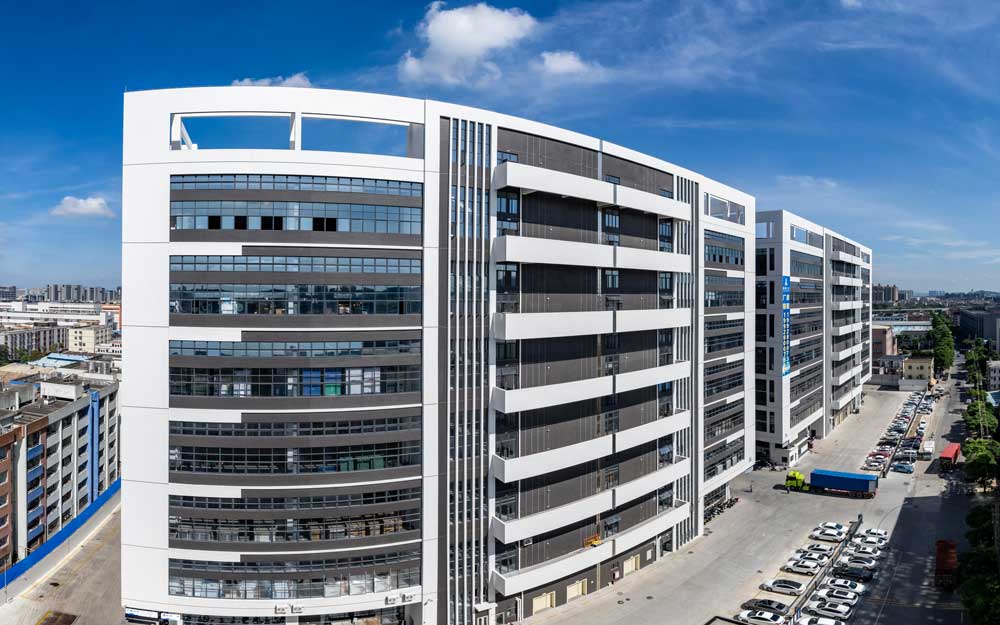
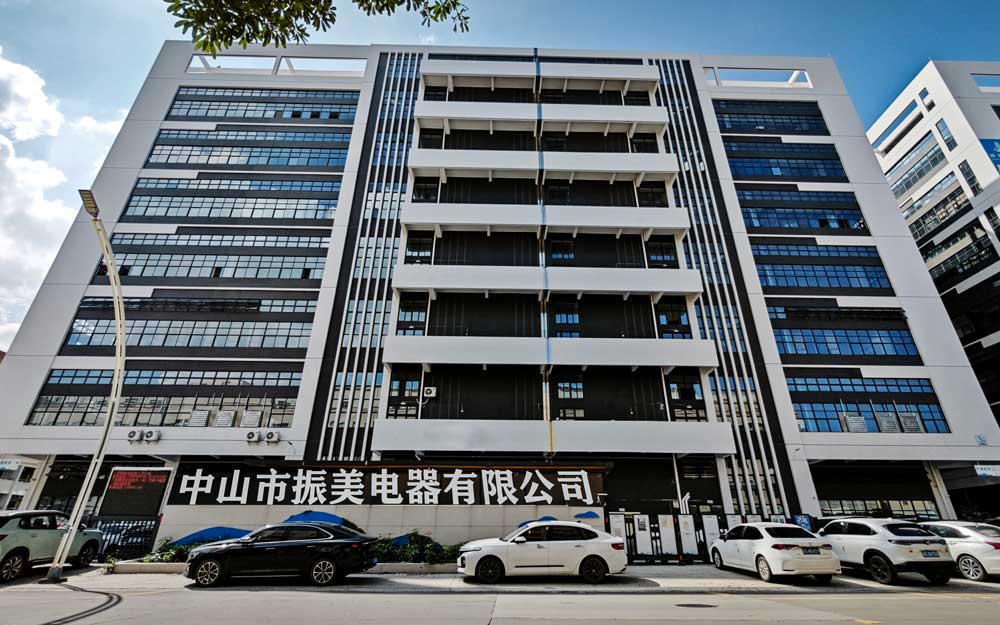
Zhongshan Zhenmei Electrical Appliance Co., Ltd.

Premier B2B Partner in the High-Performance Kitchen Systems Industry

16+
Years Industry Expertise
40k+
SQM Production Facility
300+
Dedicated Professionals
10k+
Daily Output Units
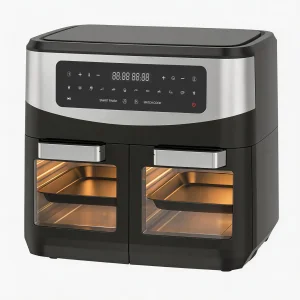
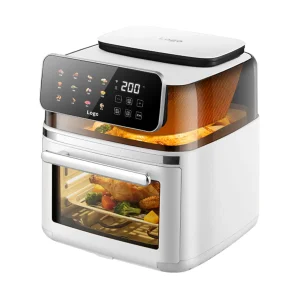
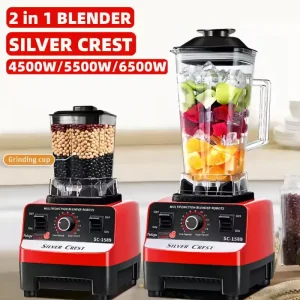
About Our Operations: Zhongshan Zhenmei Electrical Appliance Co., Ltd. is a premier OEM/ODM partner specializing in the manufacturing of kitchen appliances, including air fryers, electric pressure cookers, blenders, and more. With over 16 years of expertise, we transform concepts into high-quality, market-ready products for leading global brands.
Core Manufacturing Advantages
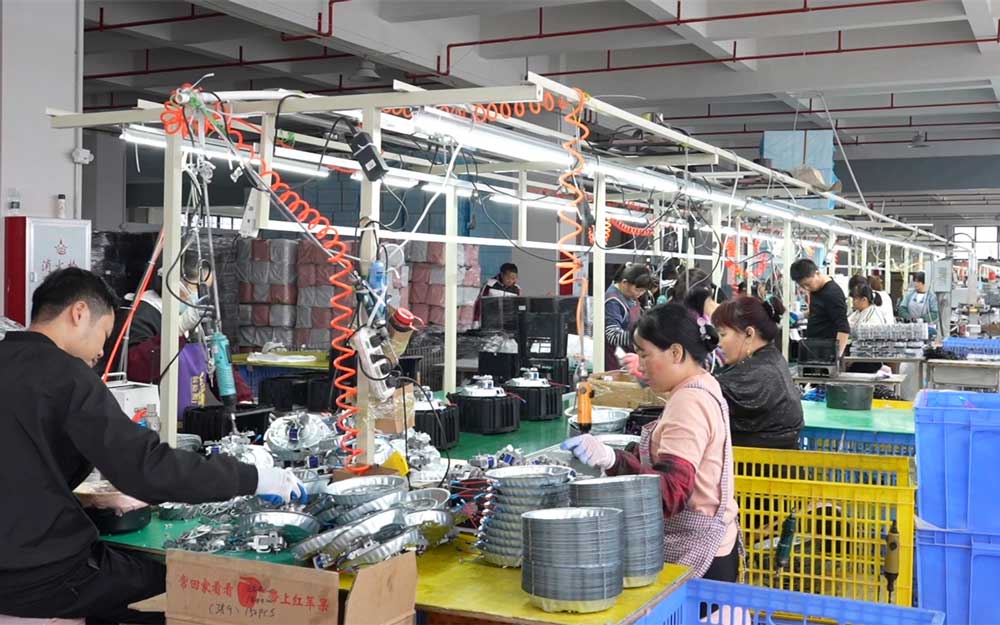
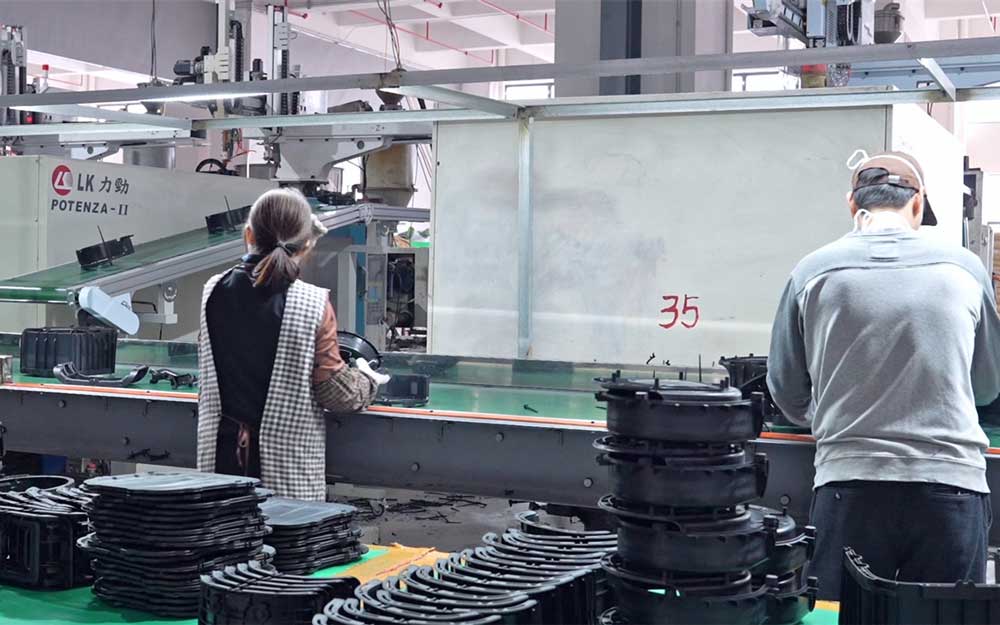
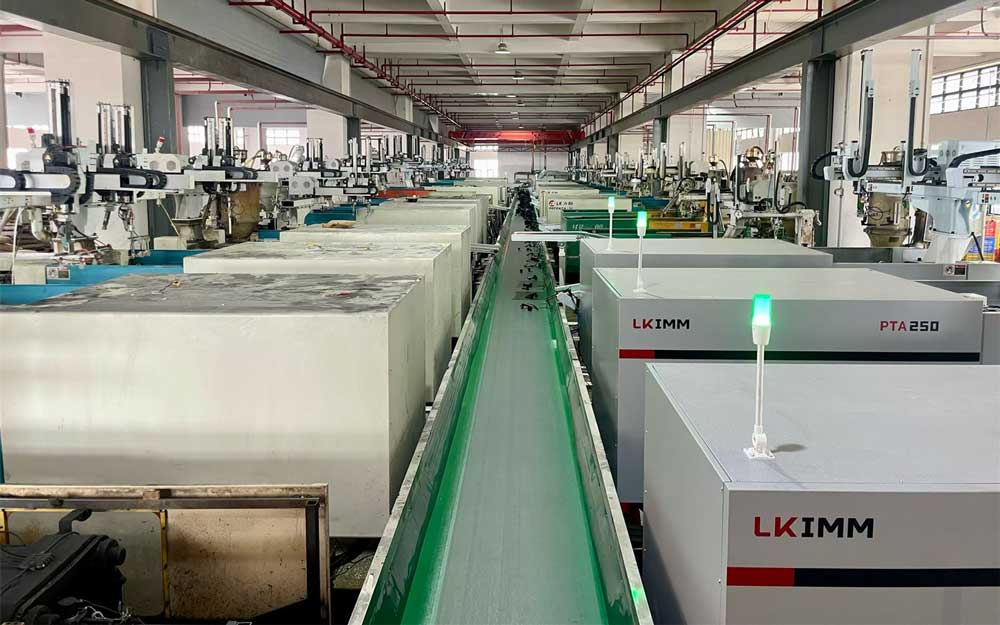
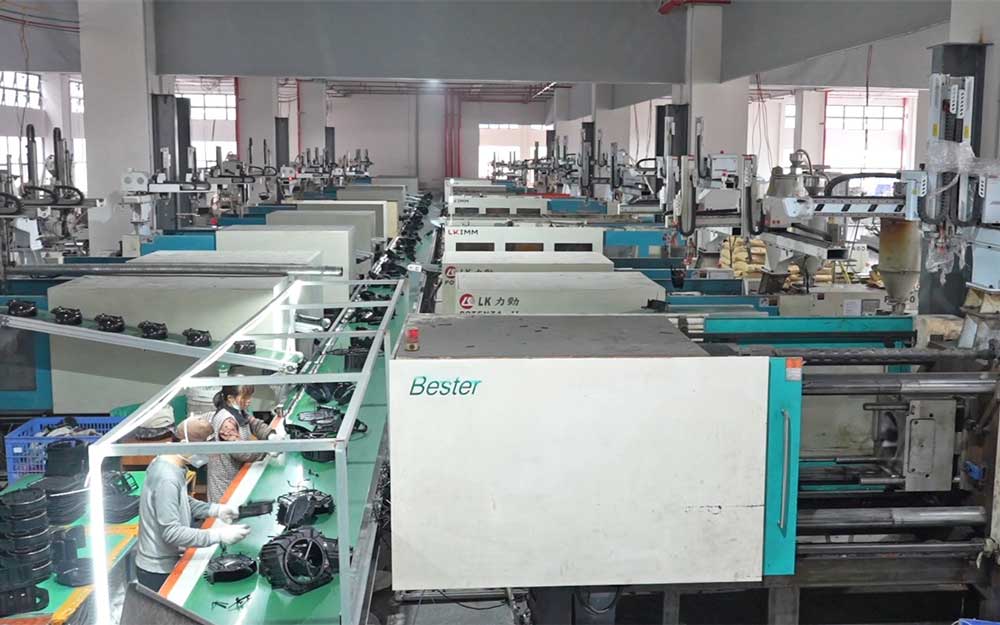
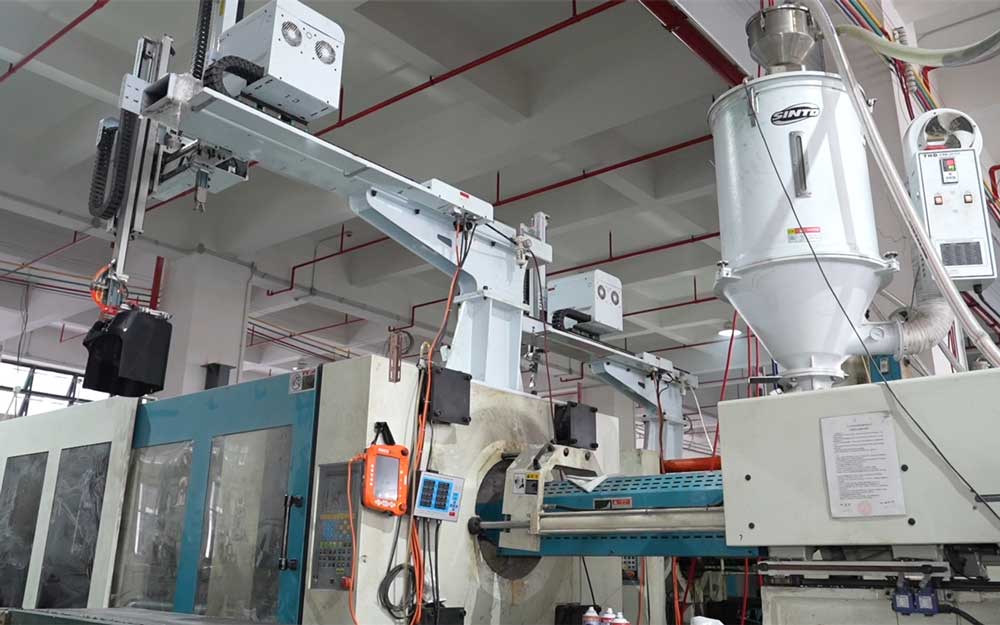
Our strength lies in robust in-house manufacturing. Operating from a 40,000 sqm advanced facility, powered by 300+ dedicated professionals and 20+ R&D experts, we ensure precision and control at every stage.
High Volume & Quality
Our massive 10,000+ units daily output reliably meets the demands of high-volume orders worldwide. We are committed to excellence, underpinned by a rigorous quality control system that guarantees the safety and reliability of every product.
Trusted OEM/ODM Partner
We are the trusted, end-to-end solution for your OEM/ODM needs. Choose us for innovation, scale, and reliability. Let's build your next success story together.

Technical & Procurement FAQ

Detailed answers to key engineering, compliance, and ordering questions from global distributors and B2B buyers.

Q1: Why can standard food processors or planetary cake mixers not handle fufu pounding? +
Standard mixers are engineered for low-resistance batters or light doughs. Fufu starch has incredibly high viscoplastic rheology, meaning it resists shearing and requires heavy mechanical pounding rather than simple high-speed blending. Standard mixers quickly burn out their gearboxes or trigger internal thermal cutoffs because they lack the necessary torque and planetary mechanical gear structures.
Q2: What food safety certifications do your kitchen fufu machines hold? +
Our manufacturing processes follow ISO 9001 quality guidelines. Depending on target import regions, we supply products certified under CE, CB, RoHS, and LFGB food-contact tests. We verify that all components in direct contact with food use premium, lead-free polished SUS304 stainless steel.
Q3: What are the Minimum Order Quantities (MOQ) for custom colorways and OEM packaging? +
For standard production runs using our existing molds, the MOQ starts at 500 units per batch. For custom injection-molded colors, specific logo prints, and bespoke packaging boxes, our standard target MOQ is 1,000 units. We offer prototype sampling for quality checks prior to bulk orders.
Q4: How does the factory ensure motor longevity under continuous heavy-duty usage? +
We use pure copper wire motors that generate less resistance heat than copper-clad aluminum alternatives. We also design dual-channel cooling paths into the housing, routing cool air past the motor. Each machine is fitted with a thermal protector that cuts power if internal coil temperatures exceed 135°C, preventing permanent stator damage.
Q5: Can you customize the user interface panels for localized markets? +
Yes. We offer both mechanical dial layouts (which provide extreme durability in environments with high humidity and dust) and digital LED touch controls (which offer precise timers and presets). We print custom graphics, languages, and branding on the interface panels.
Q6: How do you handle Quality Control (QC) during production runs? +
We run a complete 3-stage QC workflow: Incoming Quality Control (IQC) for steel, copper motors, and plastics; In-Process Quality Control (IPQC) on the assembly line; and Final Quality Control (FQC) where machines run load tests. Every appliance goes through insulation safety testing before packaging.
Q7: What is the typical lead time for custom OEM/ODM production runs? +
For standard OEM orders using our existing tooling, the production lead time is typically 30 to 45 days after receiving deposit and packaging designs. For new ODM projects that require custom housing molds, the initial engineering, prototype tooling, testing, and production phases take roughly 60 to 90 days.