Explore our elite selection of industrial-grade coffee machinery, multi-cookers, and thermal processing units designed for international OEM/ODM distribution channels.
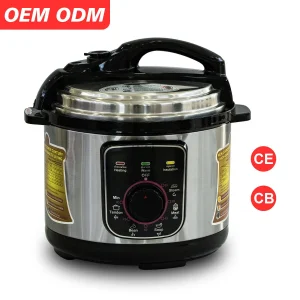
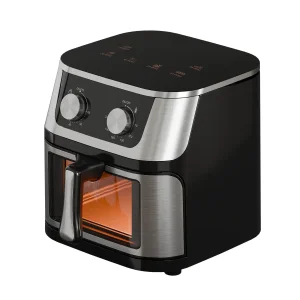
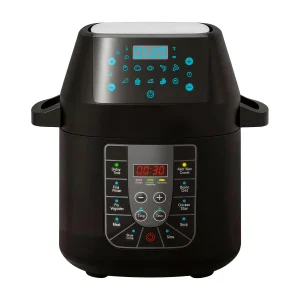
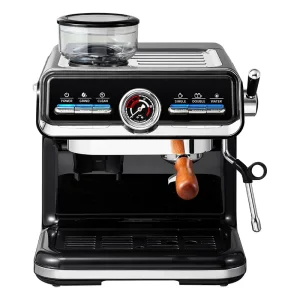
An analysis of technological developments, component sourcing architectures, and advanced factory operations in China’s kitchen appliance clusters.
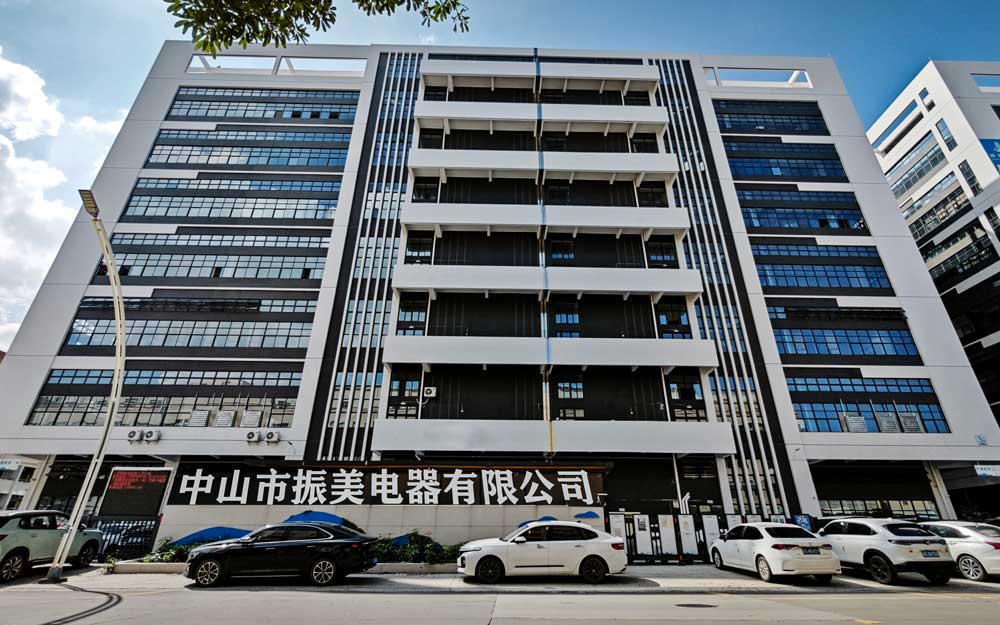
Zhongshan Zhenmei Electrical Appliance Co., Ltd. represents the absolute pinnacle of original equipment design (ODM) and original equipment manufacturing (OEM) within the advanced kitchen appliance sector. With over 16 years of engineering expertise, we have consistently delivered premium culinary and beverage systems to global enterprise brands. Our operational architecture excels in converting complex conceptual drafts into consumer-facing, highly certified kitchen solutions.
The manufacturing paradigms of the domestic espresso and kitchen appliance clusters have transitioned from high-volume structural assembly to precision thermodynamic engineering. Sourcing professionals now evaluate vendors on metrics such as temperature stability margins, pressure curves, and overall component integrity under sustained load cycles.
International procurers of coffee makers and multi-functional cooking appliances are no longer seeking basic assembly mills. Real competitive advantage belongs to facilities that integrate custom thermoblock designs, 20-bar electronic control pumps, and PCB software optimization directly in-house.
This transition ensures:
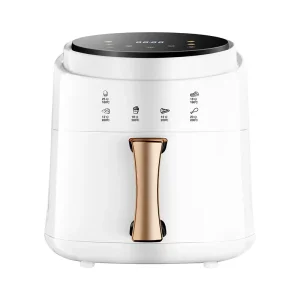
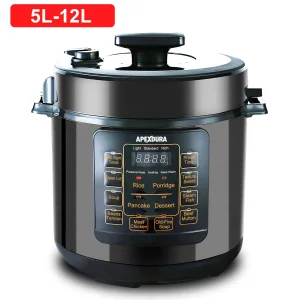
The intersection of commercial espresso technology and smart kitchen operations has redefined global supply expectations. The rise of hybrid culinary systems—such as dual-use pressure cookers and air-frying units, alongside professional espresso machines with high barometric extraction capabilities—demands that factories keep pace with consumer expectations. Standard components must meet higher performance baselines.
Modern beverage programs rely on PID-controlled heating paths. By eliminating temperature fluctuation during espresso extraction or pressure-aided cooking cycles, the flavor output remains pristine and highly repeatable, minimizing consumer returns.
Enterprise-level operations require thorough certification pipelines. Factories must ensure all products comply with FDA, LFGB, RoHS, CE, CB, GS, and UL directives, minimizing cross-border legal complications and import bottlenecks.
With environmental footprinting becoming key to B2B selection processes, modern appliances are designed using food-grade, high-recyclability polymers and low-standby-power internal components, matching global ESG standards.
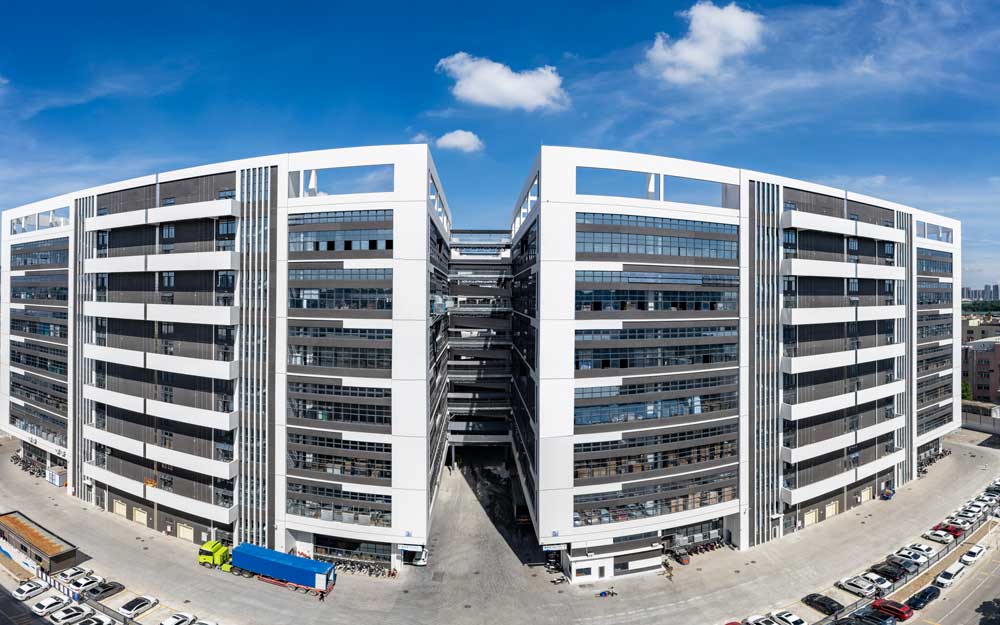
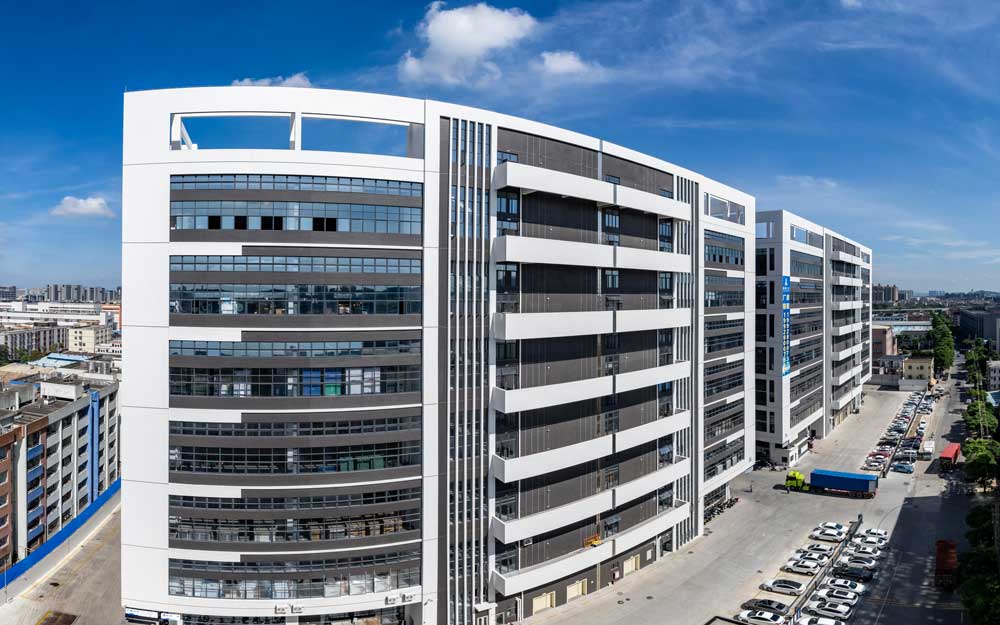
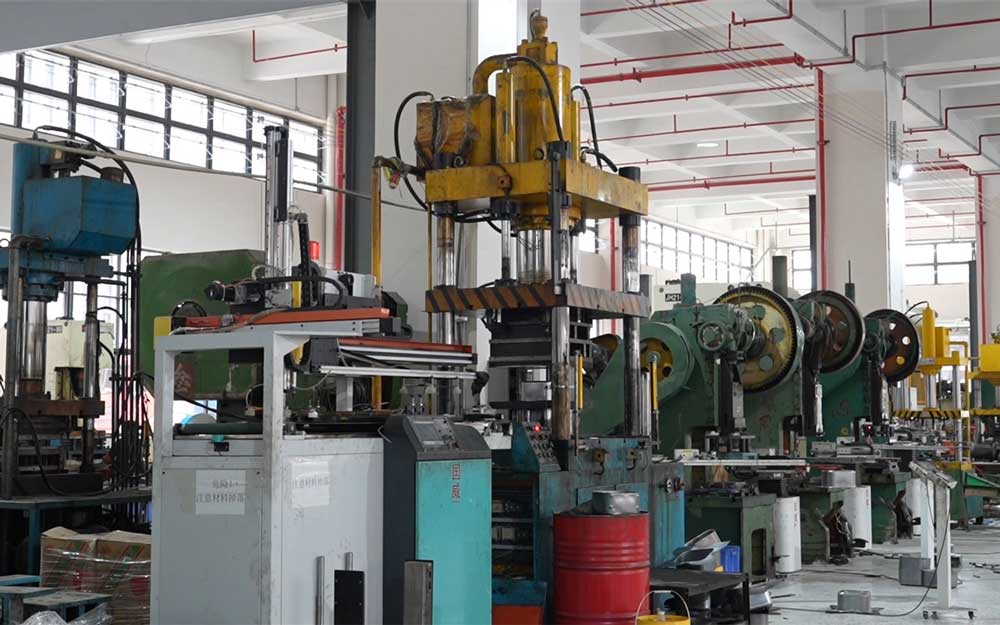
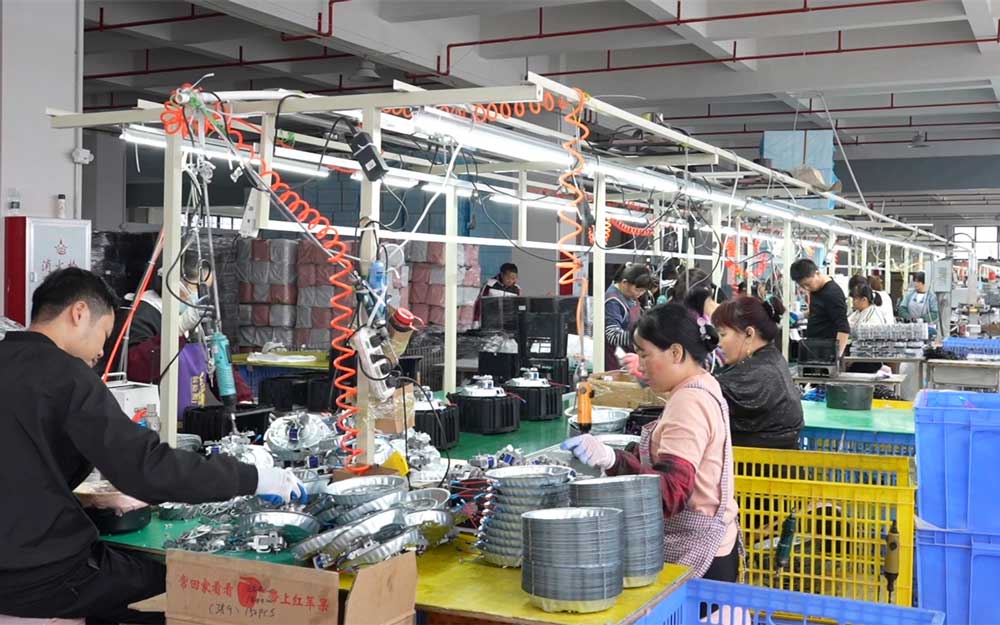
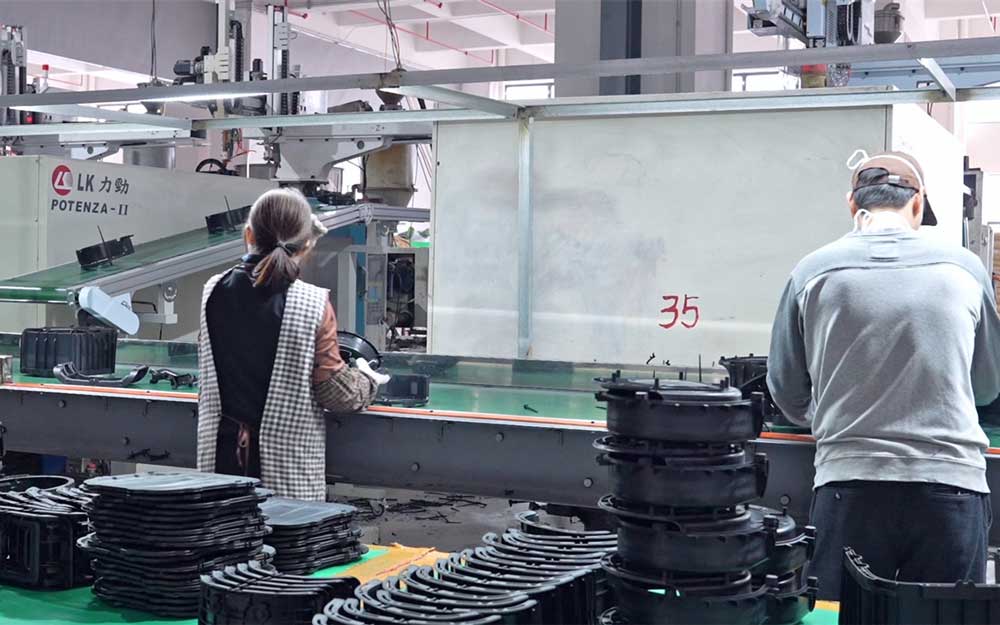
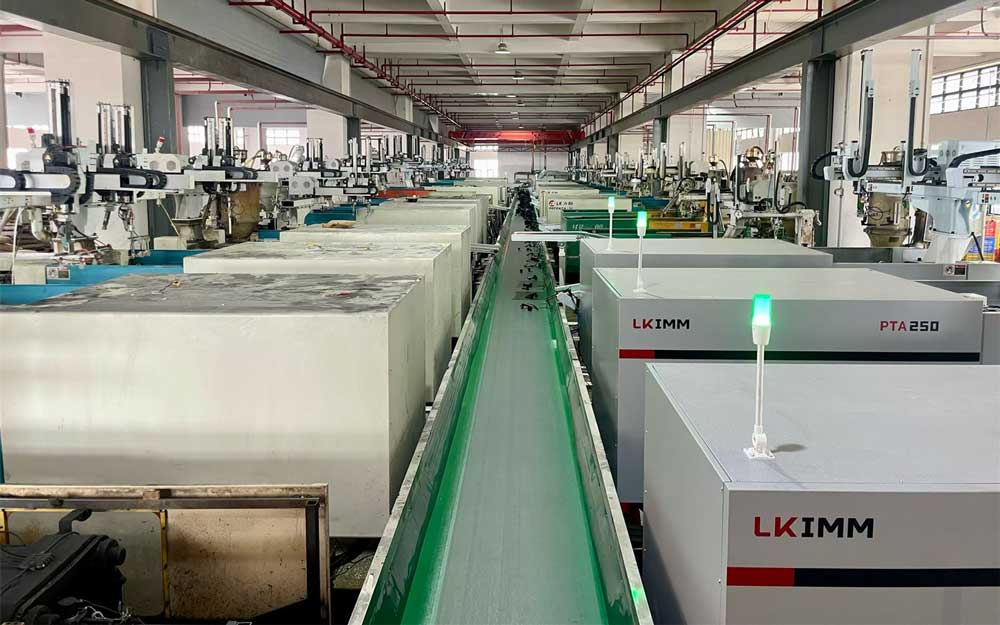
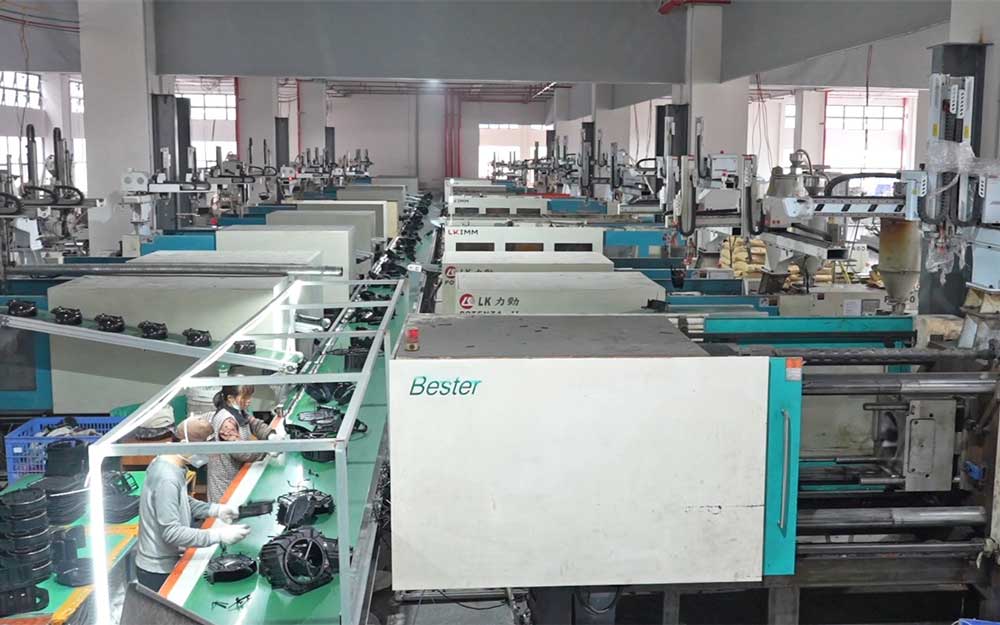
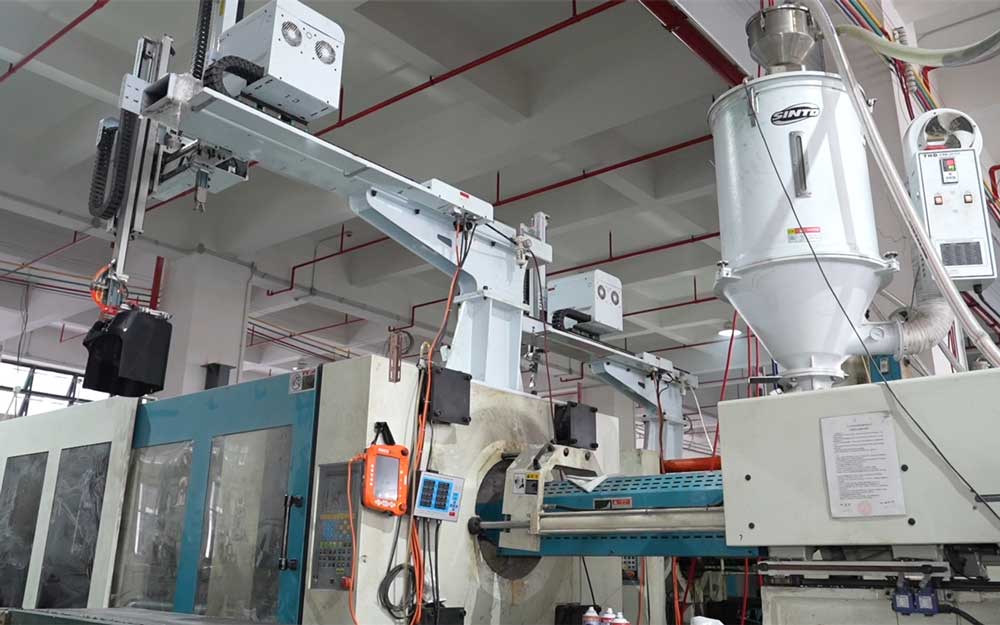
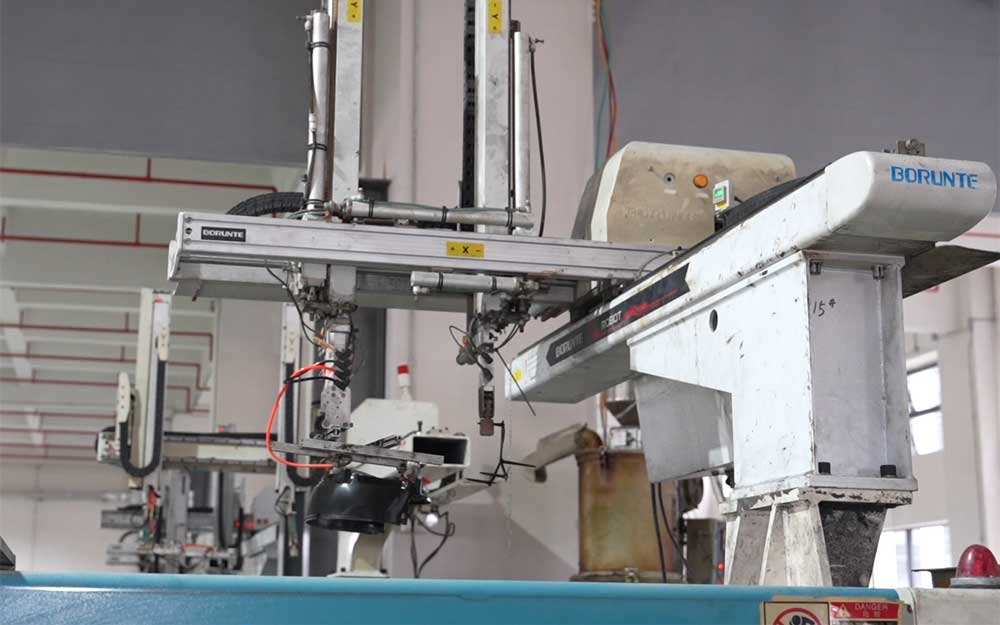
A major bottleneck for procurement agents is fragmented component sourcing. When a factory relies heavily on external sub-contractors for injection molding, heating elements, and metal pressing, lead times become unpredictable. Zhongshan Zhenmei controls quality and lead times through extensive in-house production: operating from our 40,000 sqm facility, powered by over 300 professionals and 20+ R&D experts, we ensure quality control and precision at every step of manufacturing.
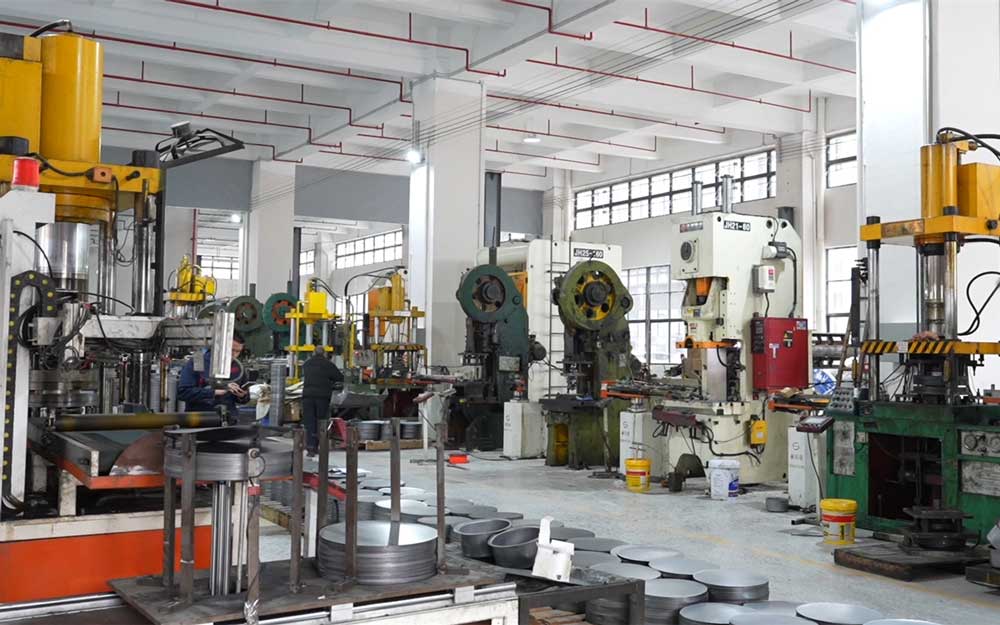
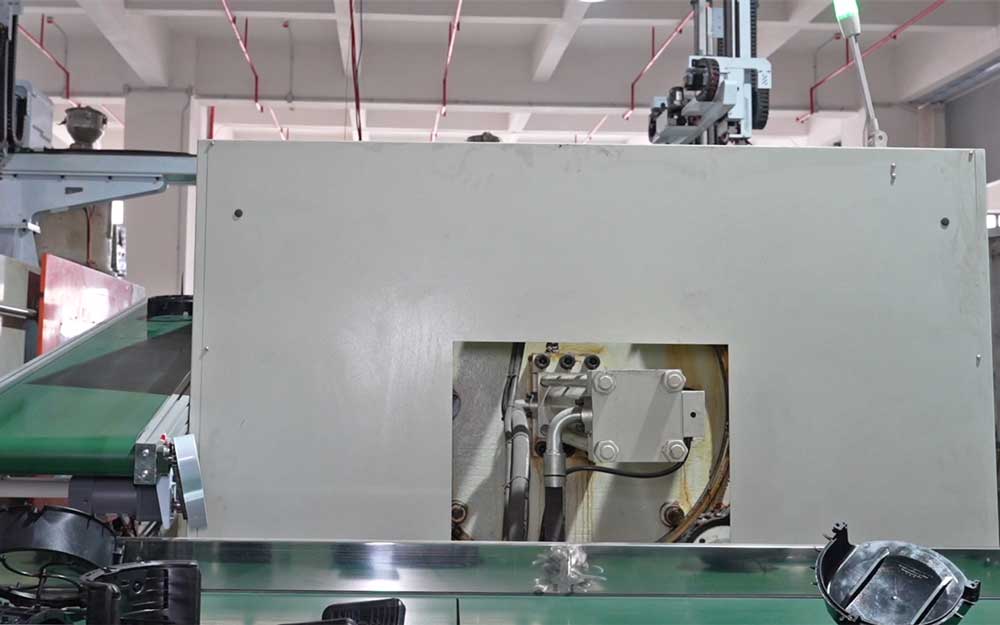
Visualizing our raw capability. Clean-room assemblies, advanced stamping arrays, and meticulous testing bays form the backbone of our daily 10,000+ unit output.
Our commitment to reliable OEM/ODM partnerships is backed by our production setup. We maintain rigorous standards across all fabrication bays, allowing for highly stable product outputs regardless of seasonal volume shifts.
Sourcing strategies must adapt to localized market regulations. Sourcing kitchen brewing equipment for the European market presents different operational and engineering challenges compared to sourcing for North American commercial chains.
Regulatory landscapes demand strict adherence to European standards. Product designs must incorporate specialized food-grade materials to prevent chemical migration under heat. Energy efficiency is also key; coffee machines and electric pressure cookers require low standby power usage and high thermal retention to meet CE, GS, and ErP certifications.
The North American market requires high throughput and physical durability. Equipment designed for commercial kitchens or high-traffic offices must use heavy-gauge 304 stainless steel housings, ETL/UL electrical insulation configurations, and high-wattage power supplies (e.g., 120V/60Hz lines optimized for maximum heat-up speed) to satisfy busy hospitality and breakroom settings.
Industrial applications demand continuous operation. While a residential consumer might run an espresso machine or blender twice a day, commercial applications require these components to withstand dozens of cycles per hour. Our R&D team addresses these demands by engineering heavy-duty gearboxes, durable mechanical valves, and high-capacity pressure systems that minimize maintenance calls and lower overall operating costs.
Direct technical resolutions regarding lead times, minimum order quantities (MOQs), customization pipelines, and regulatory compliances.
A1: Our standard MOQ for high-volume commercial and residential appliances (such as air fryers, pressure cookers, and espresso machines) ranges from 1,000 to 2,000 units per model. This allows us to optimize manufacturing setup costs and maintain competitive raw material pricing.
A2: All design prototypes are pre-audited in our internal laboratory before submission to certified third-party testing agencies (like SGS, TÜV, or Intertek). We regularly secure CE, CB, GS, UL, RoHS, LFGB, and FDA certifications depending on destination requirements.
A3: Yes, our dedicated 20+ member R&D team specializes in end-to-end ODM development. We can customize internal heating pathways, control interfaces, structural housings, and mold configurations to fit your brand identity.
A4: Mass production runs are typically completed within 35 to 45 days after the final pre-production sample is approved and the deposit is secured. Custom tooling modifications may add 15 to 30 days to the initial setup phase.
A5: We utilize a multi-stage quality control process: Incoming Quality Control (IQC) for all raw materials, In-Process Quality Control (IPQC) at every assembly stage, and Final Quality Control (FQC) testing for functional performance before packaging.
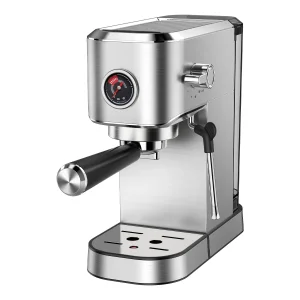
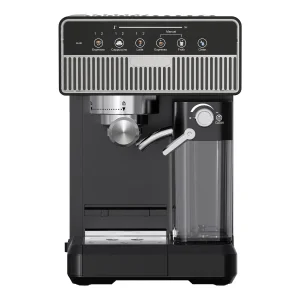
A6: Yes, models such as the CM5200 and CM5220 feature heavy-duty 20-bar extraction pumps and dual-thermoblock temperature stabilization systems, delivering professional-grade crema and steam quality.
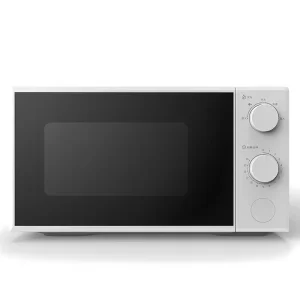
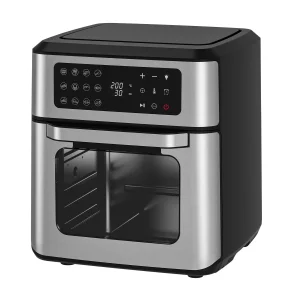
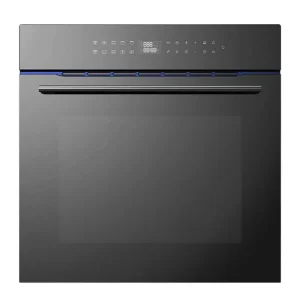
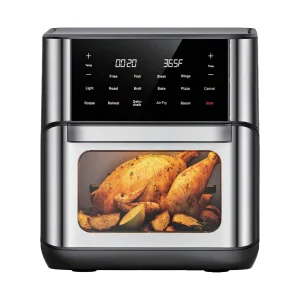
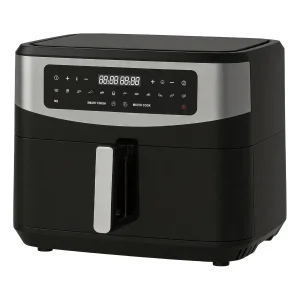
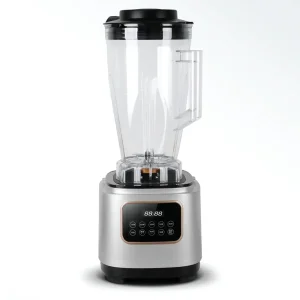
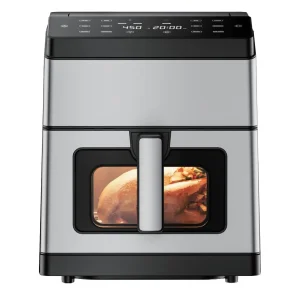
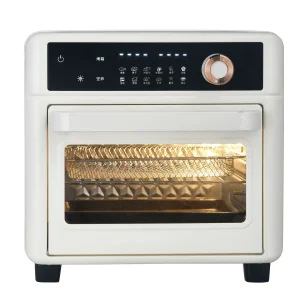
High-throughput processing ovens, smart blenders, and high-bar espresso configurations for enterprise-scale sourcing requirements.
 Zhenmei Electrical