Engineered for durability, thermal performance, and compliance with strict international food-contact safety standards.
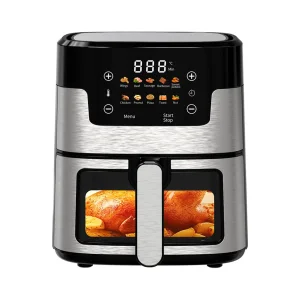
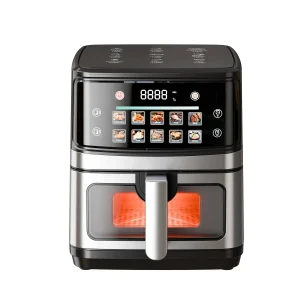
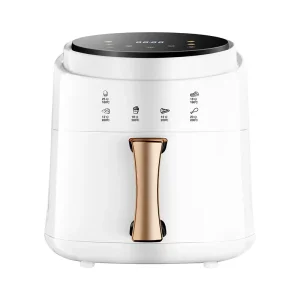
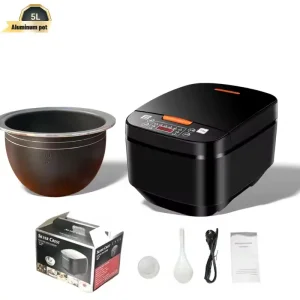
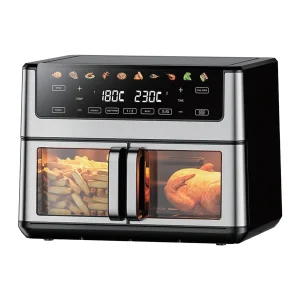
A premier OEM/ODM partner with over 16 years of expertise, transforming design concepts into high-performing, market-ready kitchen hardware.
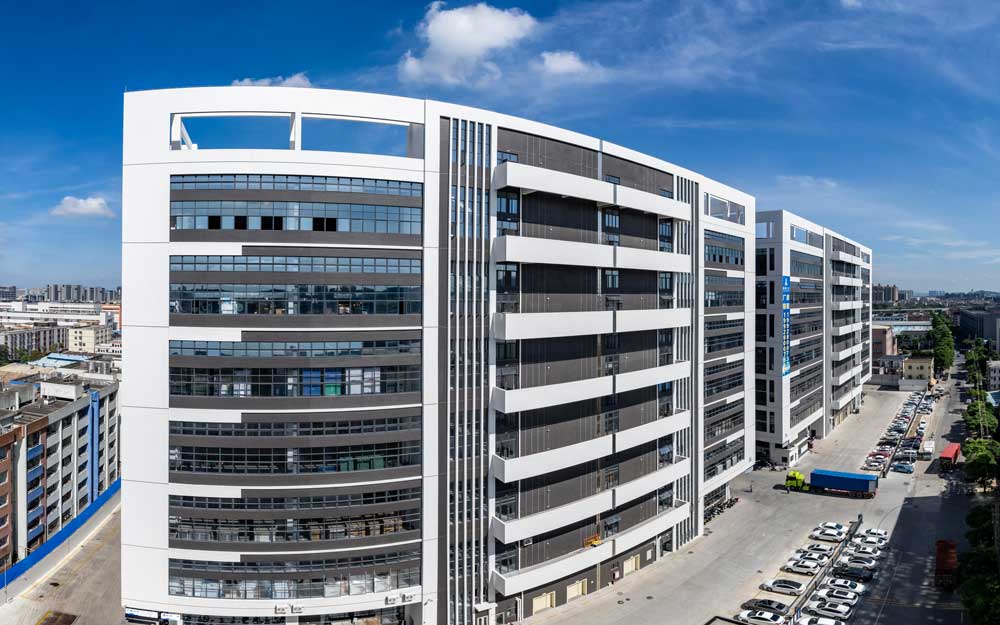
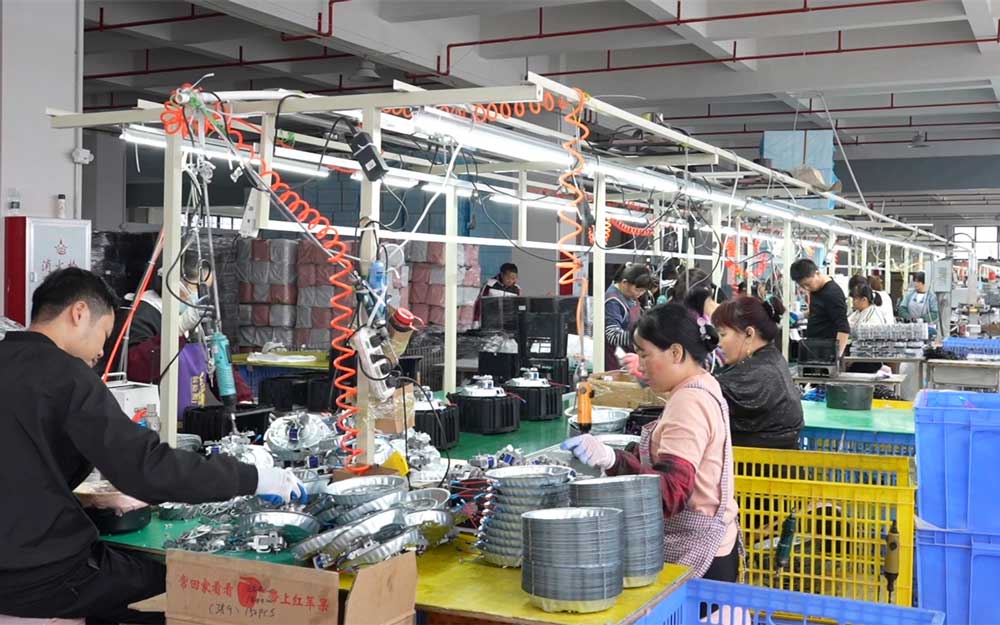
Operating from an expansive 40,000 sqm advanced production ecosystem, powered by 300+ dedicated manufacturing professionals and a specialized 20+ member research and development team, we ensure precision and strict quality compliance at every single phase of production.
Our high-throughput assembly lines facilitate a reliable daily output of over 10,000 units. This operational scale enables us to dynamically meet large-scale global shipping windows, offering resilient, premium-quality end-to-end appliances for international brands and distributors.
The global demand for energy-efficient, rapid, and nutrient-preserving cooking technologies has positioned electric pressure cookers and multi-cookers at the forefront of the modern culinary appliance industry. No longer relegated to basic mechanical steam release units, modern home pressure cookers have transitioned into highly sophisticated thermodynamic devices. They are integrated with digital microchips, precise pressure-state sensors, and multi-functional heating profiles that accommodate cooking styles from slow-cooking to high-velocity pressure steaming and air frying.
Market intelligence indicates a compounding growth rate in the multi-cooker sector, propelled by shifting consumer habits in urban hubs. Consumers demand multi-use countertop appliances that occupy less real estate while providing shorter thermal processing times without degrading essential vitamins and amino acids in food structures.
From a global commercial standpoint, major retail networks, domestic appliance brands, and direct-to-consumer suppliers are actively re-engineering their procurement matrices. B2B buyers look beyond simplistic unit pricing, focusing heavily on safety redundancies, PCB (Printed Circuit Board) programming flexibility, and strict compliance with local national import standards such as CE, CB, RoHS, UL, and ETL. A supplier's capacity to design, test, and manufacture these systems under one roof is the single most critical factor for market-entry speed.
Southern China, particularly the Pearl River Delta industrial cluster in cities like Zhongshan, represents the global epicenter of kitchen appliance manufacturing. This region provides an unparalleled competitive edge owing to its deep supply chain integration. Raw material processing, injection molding, electrical element manufacturing, sheet metal fabrication, and advanced PCBA assembly are located within a tight geographic radius, minimizing logistical delays and lowering intermediate production costs.
Immediate access to local steel alloy mills, certified electrical core component manufacturers, and rapid-prototyping toolmakers reduces development lead times from quarters to weeks.
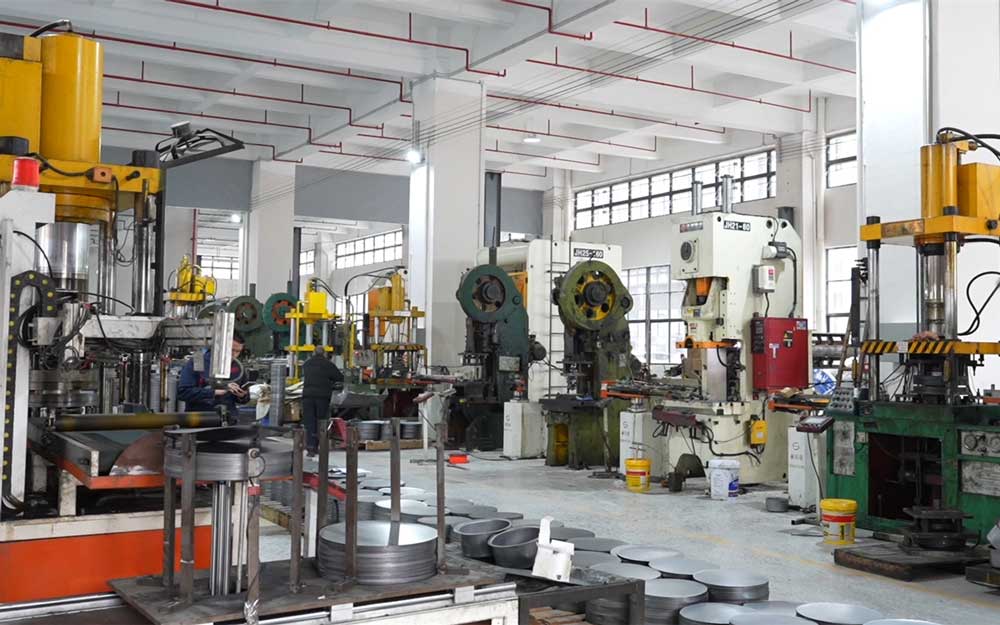
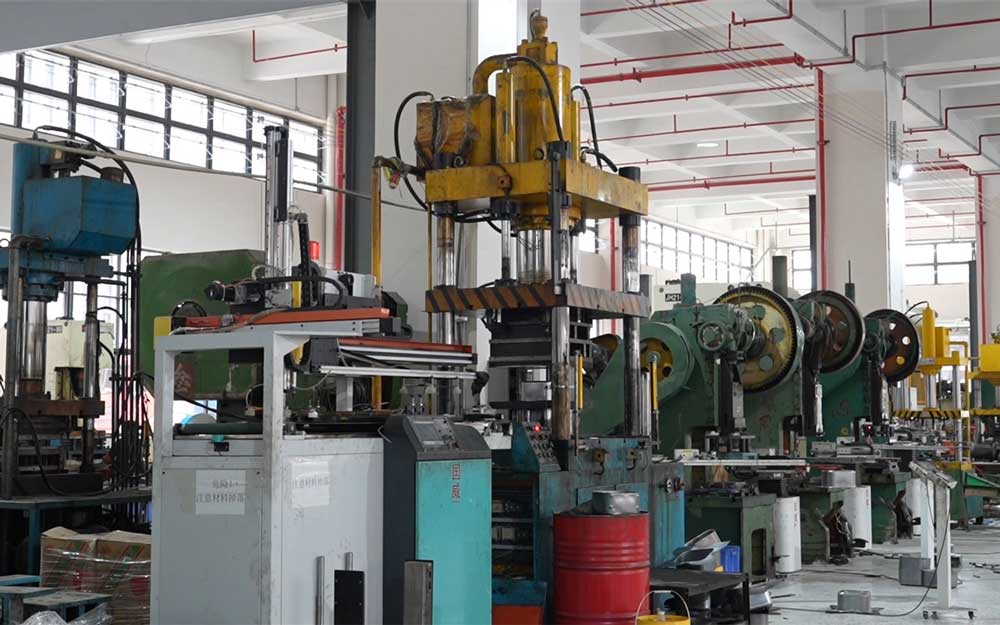
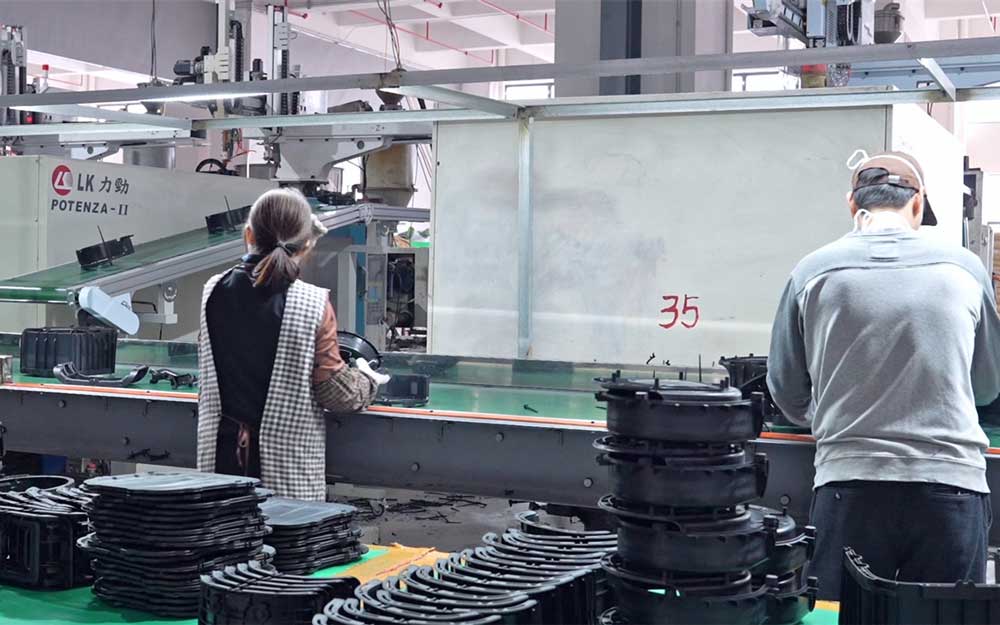
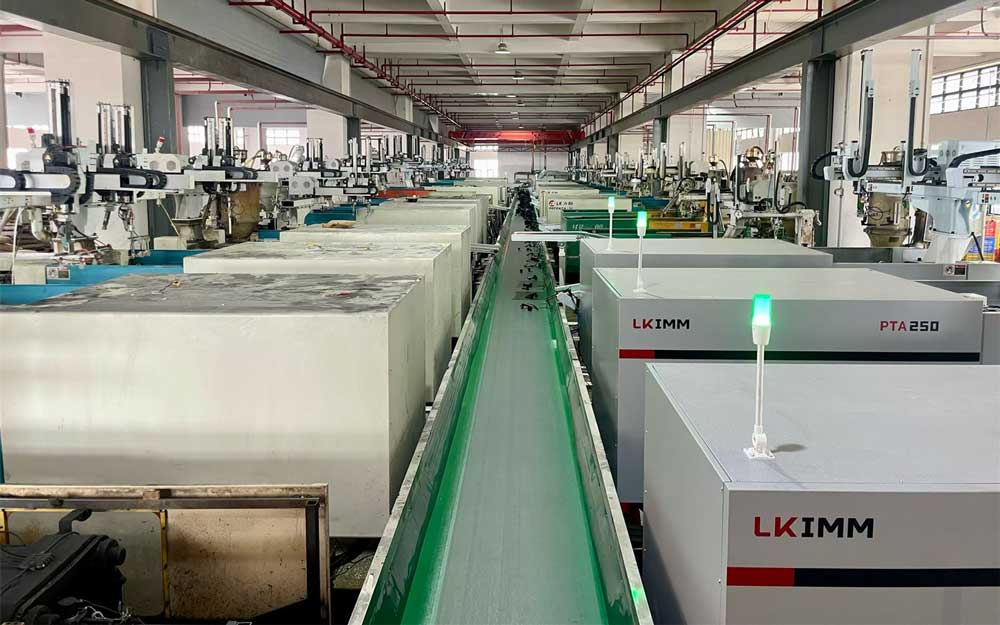
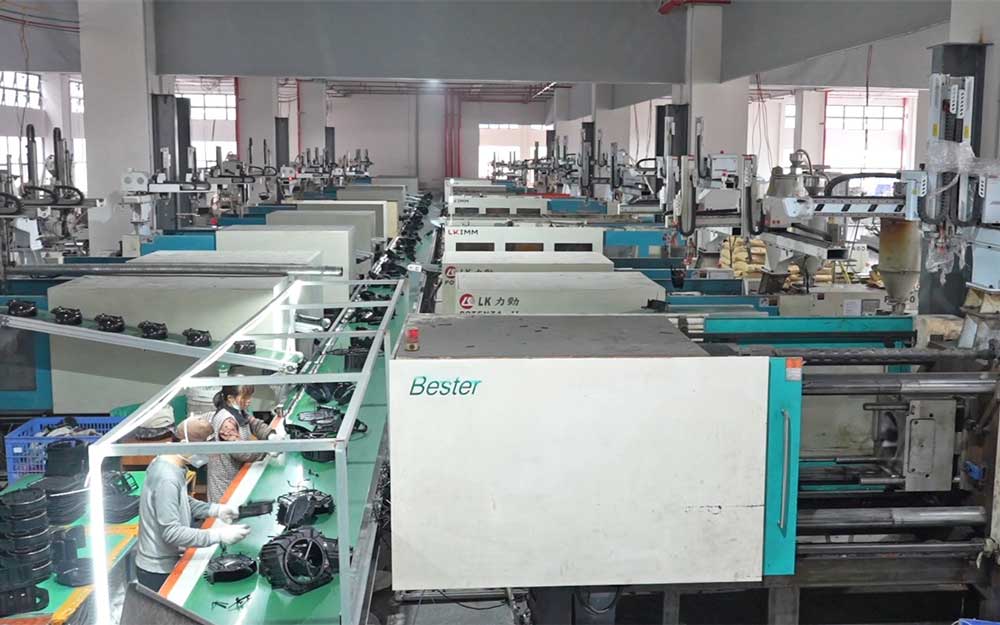
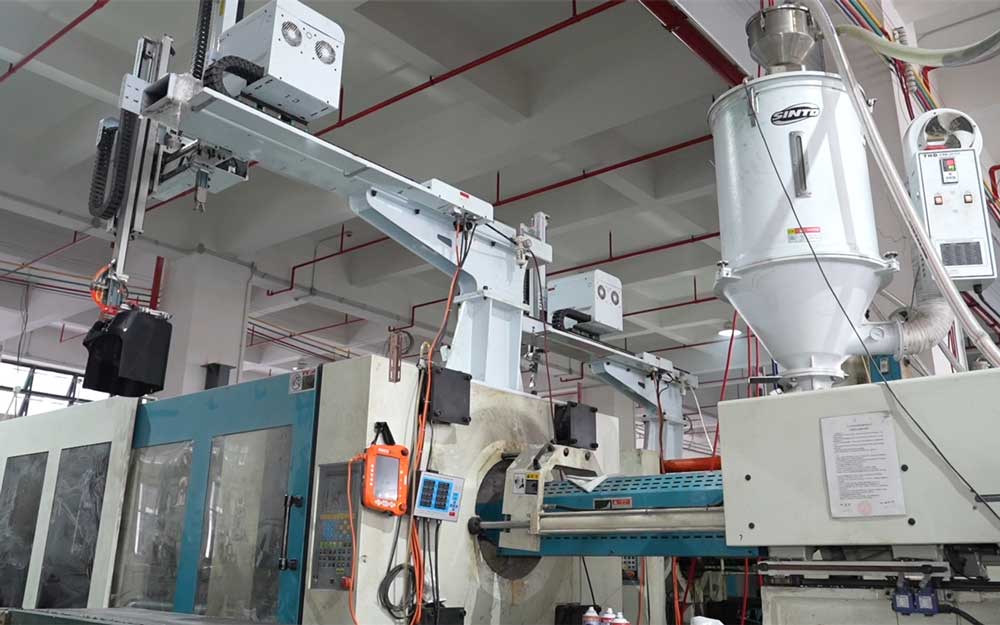
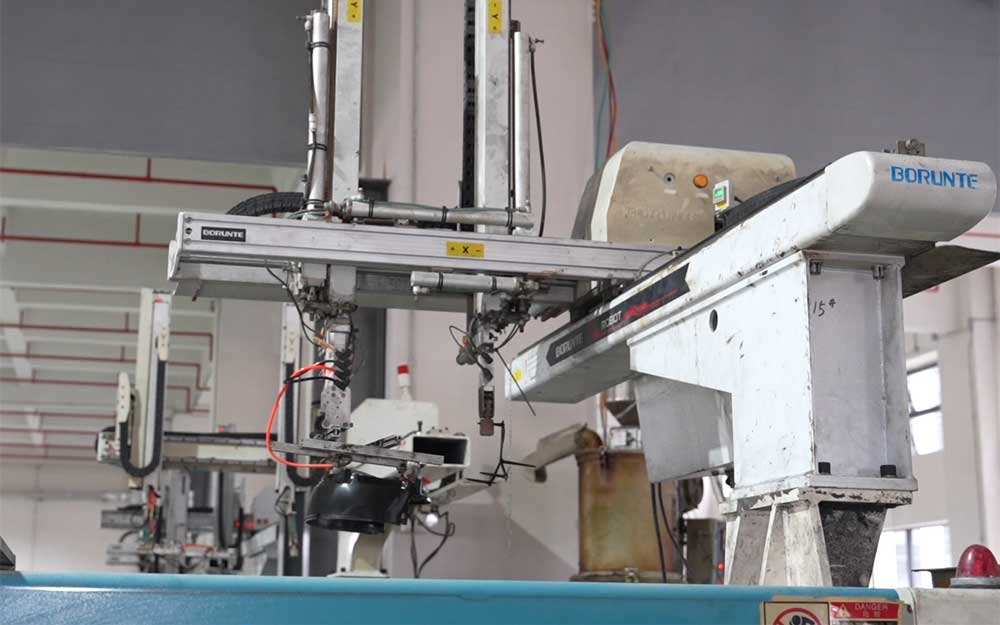
High-tonnage injection presses, automated metal stamping lines, and robotic welding arms guarantee dimensional uniformity, minimizing micro-fissures in pressurized containers.
Our dedicated quality assurance teams carry out high-pressure bursting tests, cycle thermal wear checks, and voltage leakage evaluations to protect your brand reputation.
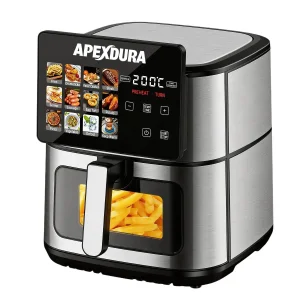
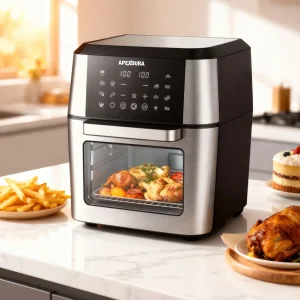
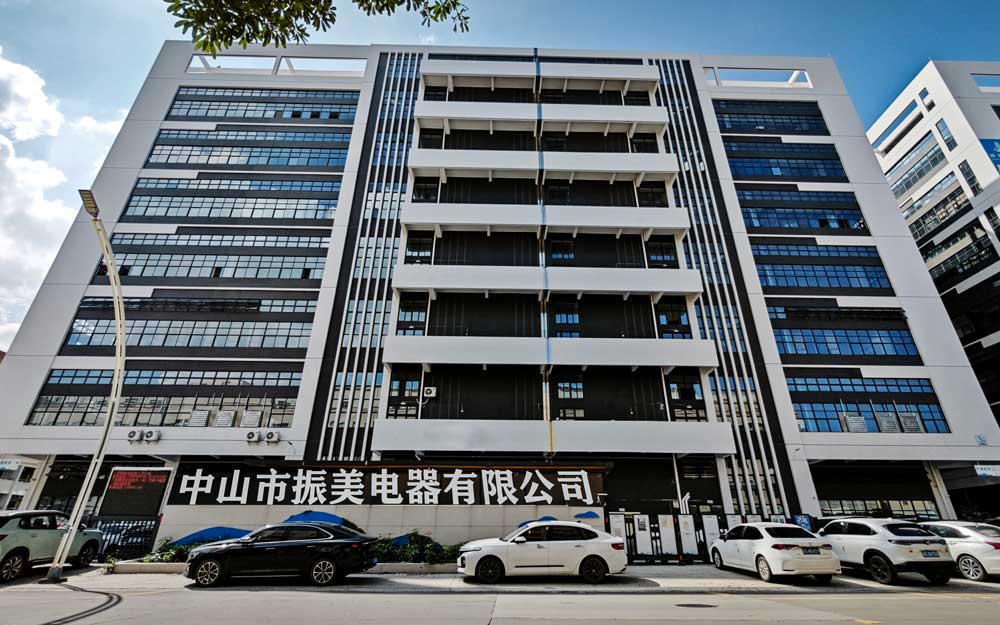
As a leading industry provider, Zhongshan Zhenmei Electrical Appliance Co., Ltd. capitalizes on these structural advantages. Across our 40,000 square meter factory floor, we integrate raw material sourcing with advanced quality control modules. This ensures that every electric cooker, blender, or air fryer leaving our loading docks matches international specifications. The optimization of internal labor workflows and materials processing prevents common supply disruptions, guaranteeing predictable delivery windows even during periods of heavy seasonal retail demand.
Understanding regional food preparation styles is crucial for developing successful OEM products. An electric pressure cooker configured for the North American market requires entirely different localized presets than one built for East Asia or the Middle East. Our product development cycles emphasize the customization of the central processing unit's (CPU) EEPROM firmware to adapt thermal progression and pressure-maintenance curves to specific culinary styles.
Under the Google Search Quality Rater Guidelines, expertise, authoritativeness, and trustworthiness (E-E-A-T) are critical when highlighting products that affect daily human life, such as food preparation machinery. For pressurized vessels, mechanical safety is of paramount importance. An uncertified or poorly engineered pressure valve can result in serious structural failure, presenting direct risks to users. Our engineering designs prioritize a multi-layered safety architecture:
Each unit features a progressive safety matrix: 1. Lid Position Detection preventing pressurization if the lid is improperly aligned; 2. An active Pressure Regulator Valve maintaining precise internal PSI thresholds; 3. A secondary Backup Safety Release Vent that acts as an emergency relief mechanism in case of primary valve obstruction; 4. Internal thermal sensors that cut power to the heating element immediately if dry boiling or overheating is detected.
All pressure chambers are manufactured using high-grade SUS304 or food-compliant SUS316 stainless steel or heavy-gauge aluminum alloys coated with premium, PFOA-free non-stick coatings. This guarantees zero metal leaching, excellent thermal transfer, and long-term resistance to acid and salt erosion from ingredients.
The domestic cooking appliance market is transitioning towards cloud connectivity and automated cooking workflows. As B2B suppliers, we are integrating Wi-Fi and Bluetooth-based microcontrollers into our control panel designs, enabling seamless communication with smart home applications. Users can launch complex, multi-stage recipes directly from their smartphones, monitor current chamber pressures, and receive notifications when pressure release cycles are complete.
Furthermore, sustainability is a key focus. Advanced induction heating (IH) elements are gradually replacing traditional thermal plates. Induction technology acts directly on the ferrous inner cooking pot, reducing energy loss and heating times by up to 30%. This development appeals directly to eco-conscious consumers and helps retail partners align with evolving international energy-efficiency standards.
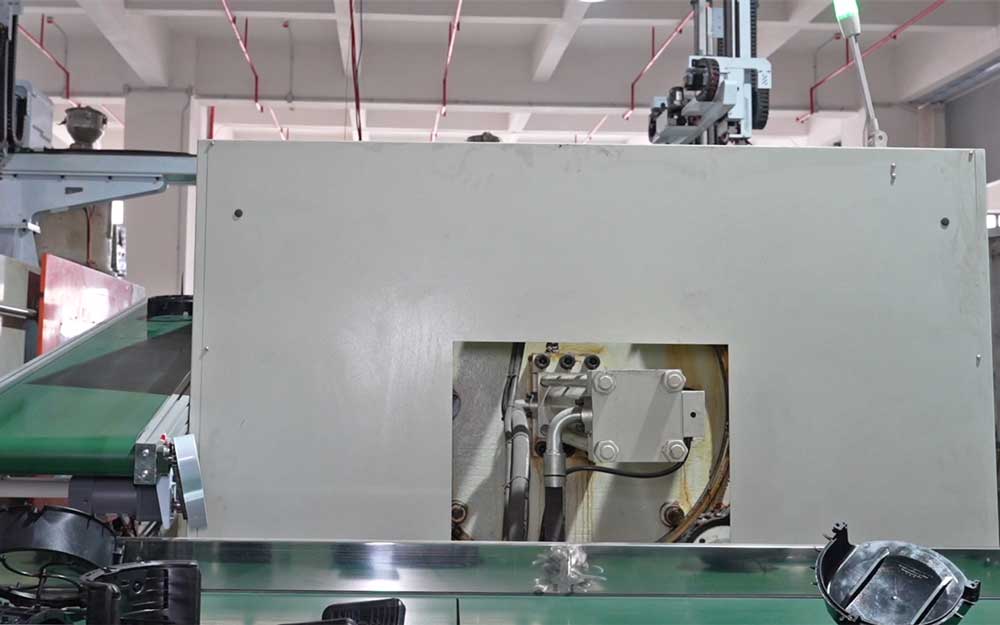
Explore our state-of-the-art facility, showing real-world engineering environments, automated tooling, assembly lines, and testing centers.

Answering critical supply chain, engineering, and manufacturing questions for commercial buyers, importers, and brand managers.
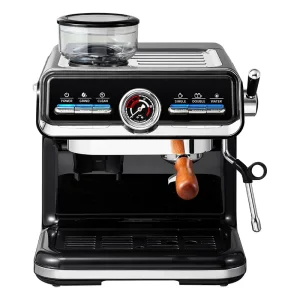
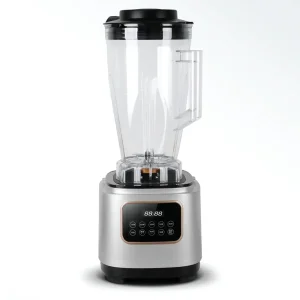
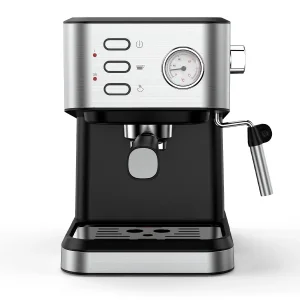
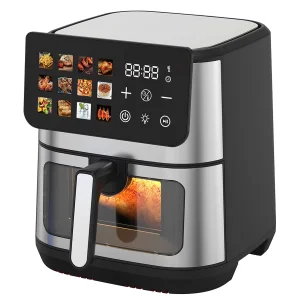
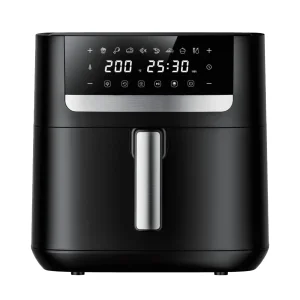
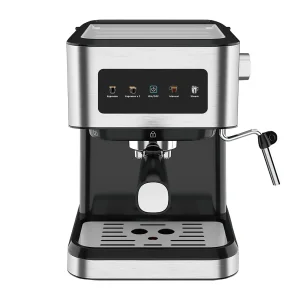
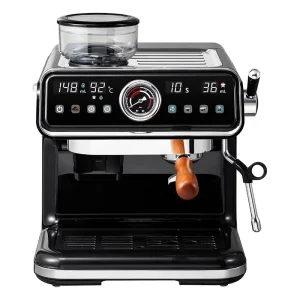
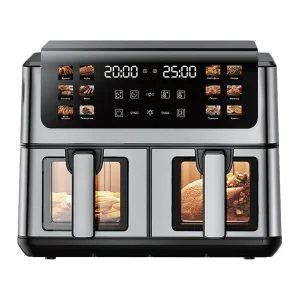
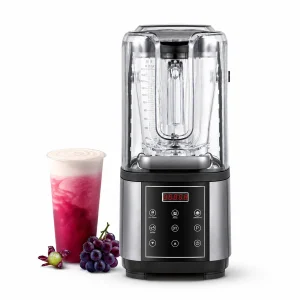
From multi-functional cookers and high-power blending units to state-of-the-art coffee extraction systems.
 Zhenmei Electrical