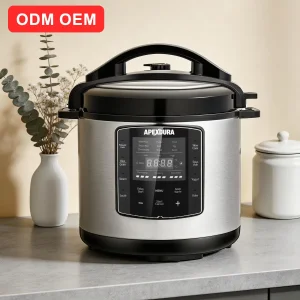
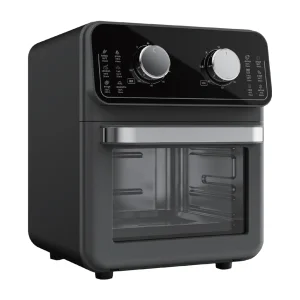
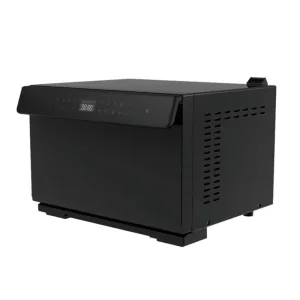
Premium OEM/ODM thermal solutions incorporating dual-heating mechanics, variable frequency architectures, and robust structural designs for international markets.
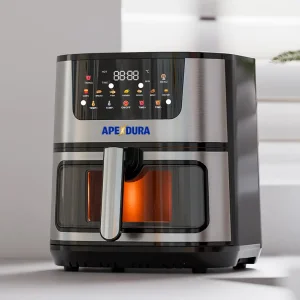
In the global commercial and industrial cooking systems sectors, the demands for speed, energy conservation, thermal homogeneity, and system reliability have undergone a major paradigm shift. Traditionally, heating relied on slow fossil-fuel combustion or passive electrical resistance elements. However, modern commercial food engineering utilizes high-power microwave (HPM) technology and high-performance, high-wattage electromagnetic thermal systems to speed up heat transfer rates, preserve nutrient structures, and reduce operational carbon footprints.
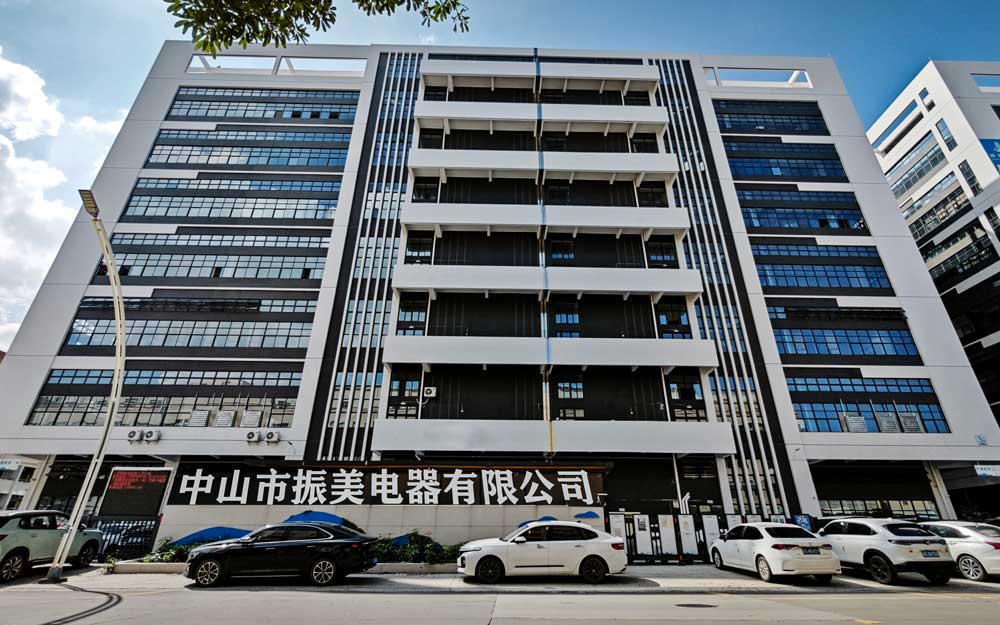
Zhongshan Zhenmei Electrical Appliance Co., Ltd. (operating globally under the premier OEM/ODM brand Apexdura) works at the intersection of high-wattage thermal dynamics and high-power microwave integration. With 16 years of domain expertise, we bridge the gap between heavy industrial microwave physics and user-centric commercial/residential kitchen appliances. This whitepaper analyzes the engineering behind high-power microwave systems, examines the global procurement specifications of modern commercial operators, outlines our technological roadmap, and reviews our safety and compliance systems.
At the center of high-power microwave (HPM) technology is the application of electromagnetic waves within the RF (Radio Frequency) spectrum—typically at 2.45 GHz or 915 MHz—to induce polar rotation within water, fat, and carbohydrate molecules. When these high-frequency fields alternate billions of times per second, the dielectric properties of food cause rapid molecular friction, converting electromagnetic energy directly into volumetric heat. This process bypasses the slow heat-conduction rates of standard heating methods.
However, industrial application of HPM introduces major engineering challenges. Standard home microwaves suffer from standing wave patterns, which cause uneven heating ("hot spots" and "cold spots"). In high-power commercial environments, this requires advanced waveguide design, mode stirrers, and sometimes custom-built variable frequency solid-state RF generators to ensure uniform energy distribution throughout the cavity. Integrating high-wattage thermal elements (such as 1800W to 2800W heating matrices found in Apexdura designs) with microwave cavities creates a synergistic dual-heating effect. This combines the speed of volumetric microwave cooking with the browning and crisping of thermal convection.
Zhongshan Zhenmei Electrical Appliance Co., Ltd. provides robust, scalable manufacturing processes designed to transform complex thermal concepts into certified kitchen appliances.
Our team of 20+ R&D experts utilizes advanced computational fluid dynamics (CFD) and electromagnetic simulation software to model thermal flow and microwave patterns, optimizing heating uniformity before tool cutting.
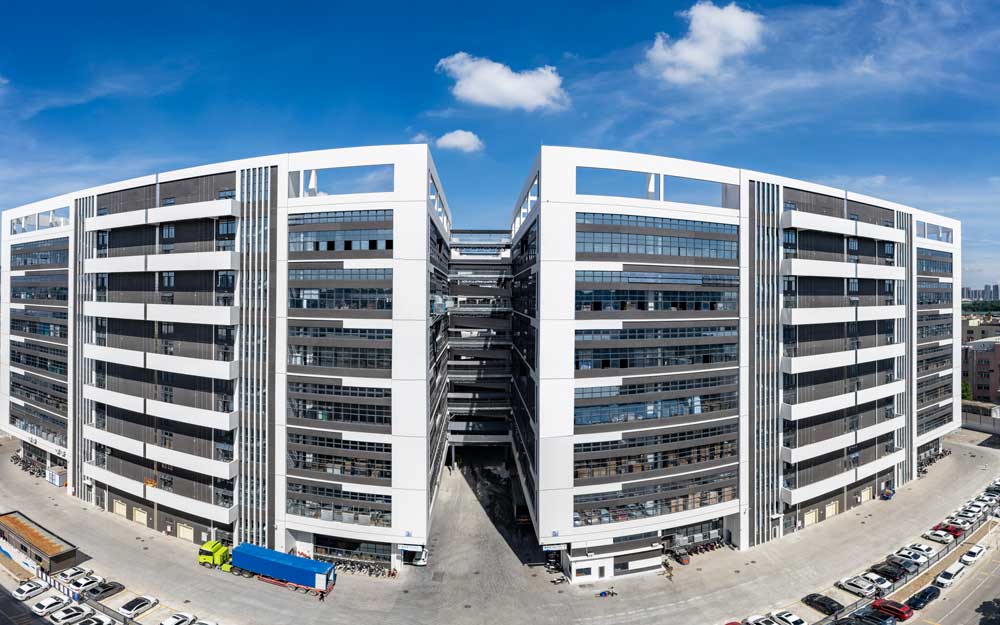
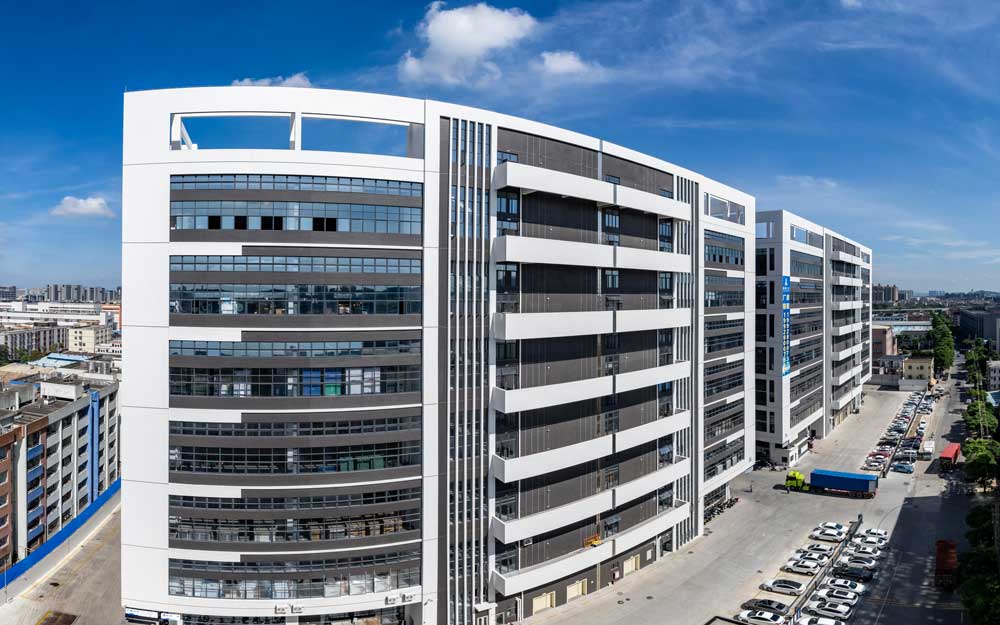
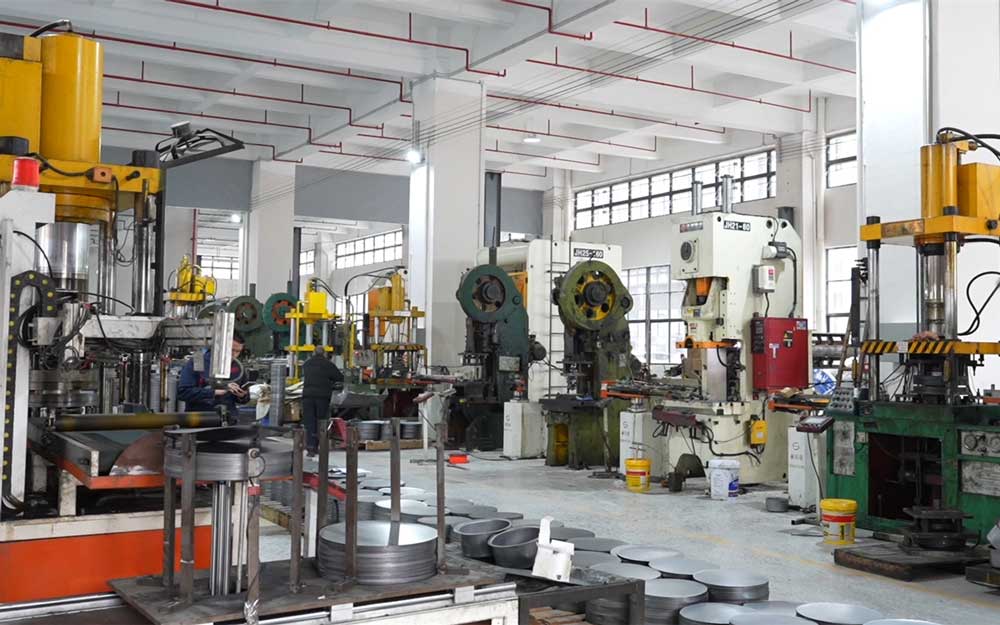
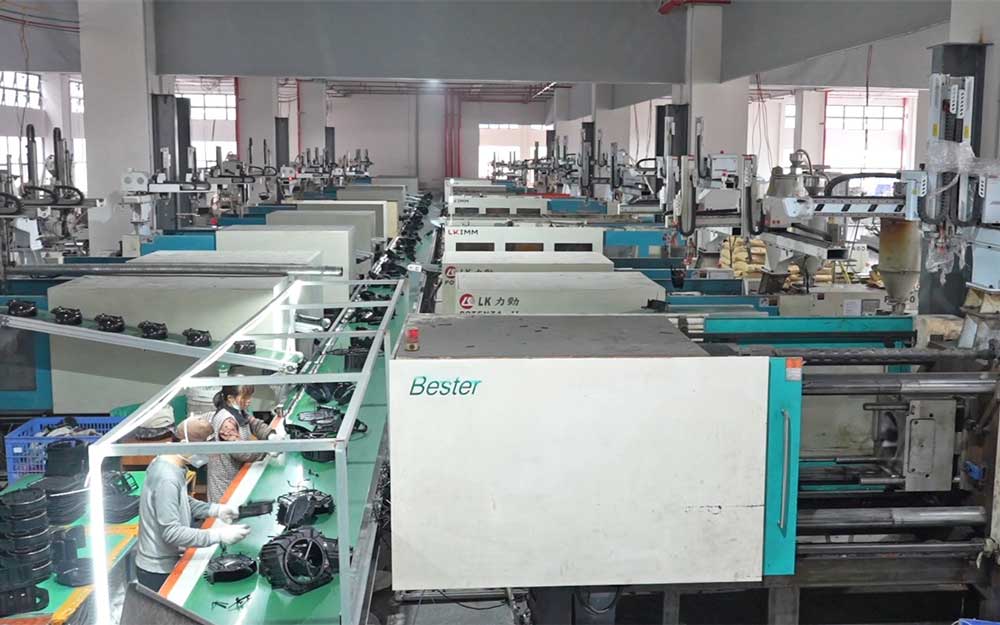
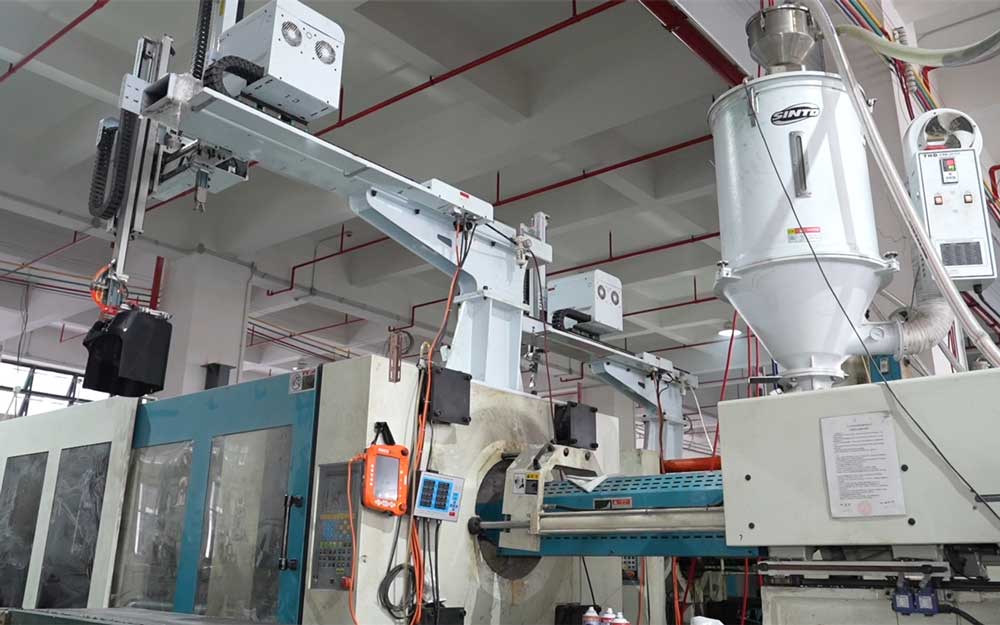
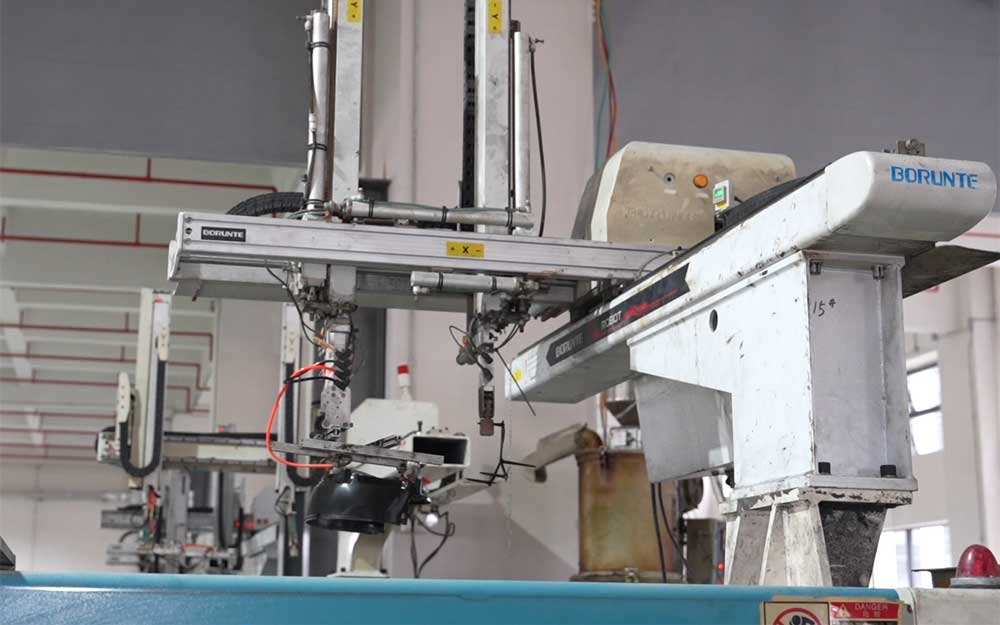
Our modern facility in Zhongshan, China, features automated production machinery, high-tonnage stamping presses, injection molding halls, and dedicated RF containment testing chambers, yielding over 10,000 units daily.
We perform rigorous electromagnetic interference (EMI) and RF leakage tests on every design. Our manufacturing processes comply with ISO9001 and support direct certification workflows for GS, CE, CB, ETL, and FDA.
Enterprise buyers sourcing high-power thermal products from China face three primary challenges: thermal degradation, supply chain quality control, and regulatory compliance. Commercial grade systems operate under high-duty cycles; if components are not rated for continuous thermal stress, system MTBF (Mean Time Between Failures) drops sharply.
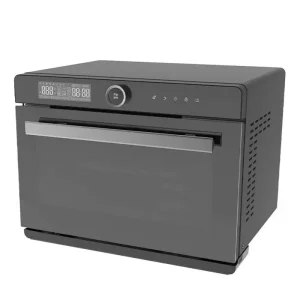
Zhongshan Zhenmei addresses these issues directly through extensive material qualification. We use premium magnetrons, industrial-grade microswitches, high-temperature copper transformer coils, and food-safe SUS304/SUS316 stainless steel cavities (as shown in our ZK28T-S1 Steam Oven range). By controling the supply chain—from initial tooling design to final quality inspection—we guarantee long operational lifespans and strict adherence to international safety standards, such as keeping electromagnetic leakage well below the strict limit of 5mW/cm².
Modern commercial kitchens require multi-functional appliances that consolidate footprints and reduce preparation times. To meet these demands, Apexdura has developed macro solutions that combine high-wattage heating methods within single appliance architectures:
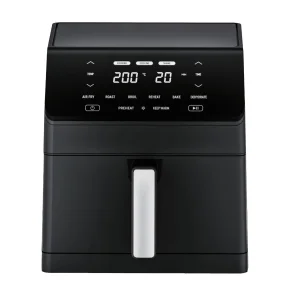
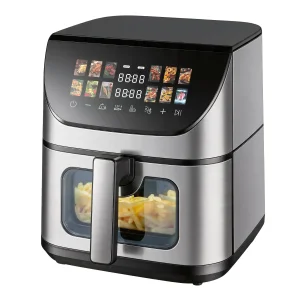
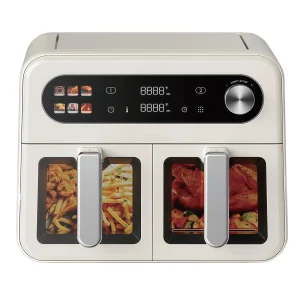
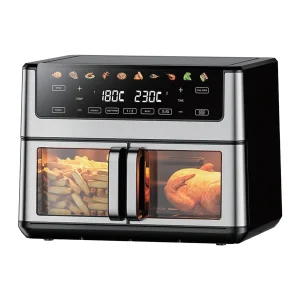
Our dual-heating systems (exemplified by the RA682D / RA882D series and the 8005A-SW 1700W model) place heating elements both above and below the cavity. Combined with high-speed air circulation systems, this configuration eliminates the need for manual flipping during cooking. The upper element provides radiant heat to crisp surfaces, while the lower element uses conduction to cook the core of the food, mimicking the uniform heat transfer of high-power microwave systems without requiring specialized shielding.
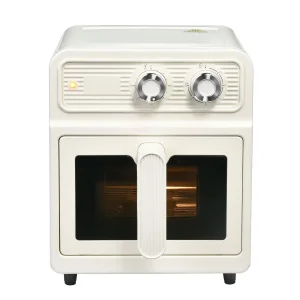
For systems like the ZK32T-N1 2050W and ZK28T-S1 2100W, we combine high-power steam injection with convection heating. Incorporating steam helps prevent the dehydration commonly caused by standard heating processes. Injection of superheated steam, coupled with a reversible fan motor and front exhaust design, creates a dynamic cooking environment that maintains high product yield and structural integrity for baked goods, meats, and complex food preparations.
Apexdura is currently developing several major technologies scheduled for release between 2025 and 2030:
Take a virtual tour of our 40,000 square meter ISO9001-certified manufacturing facility, showing our automated assembly lines, quality testing hubs, and raw material warehousing.
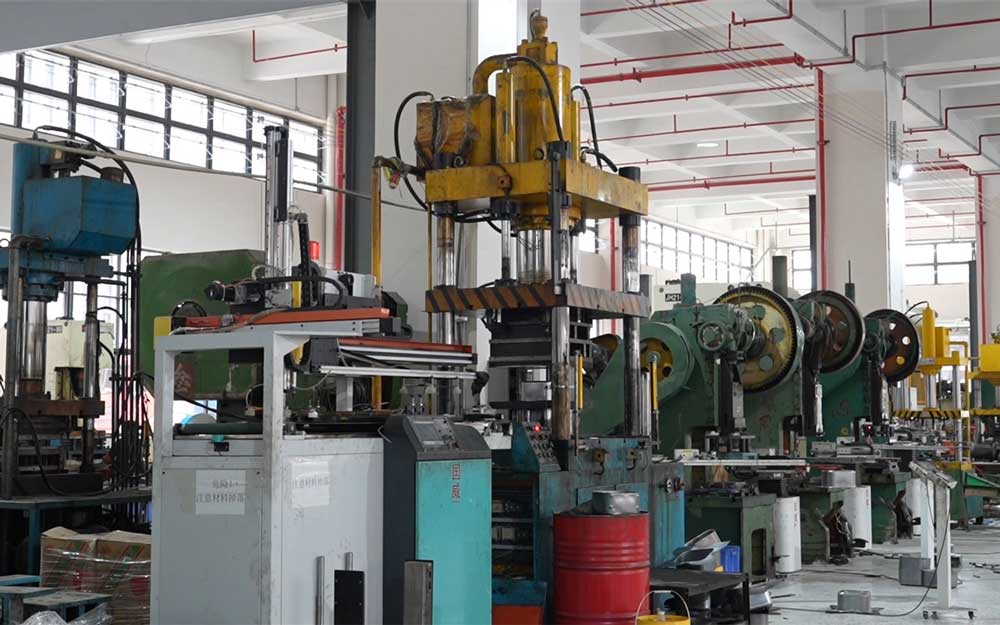
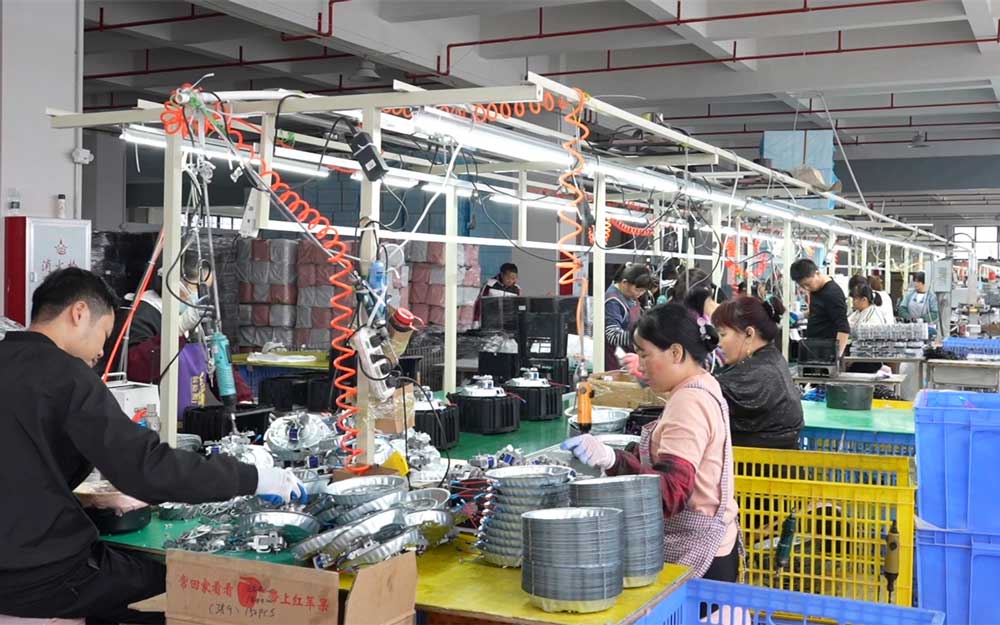
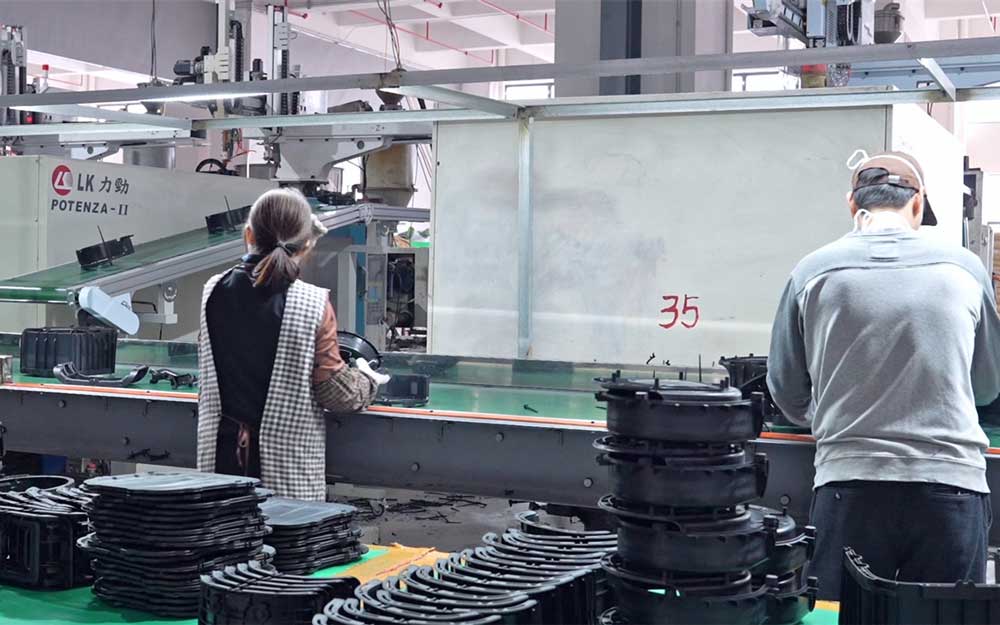
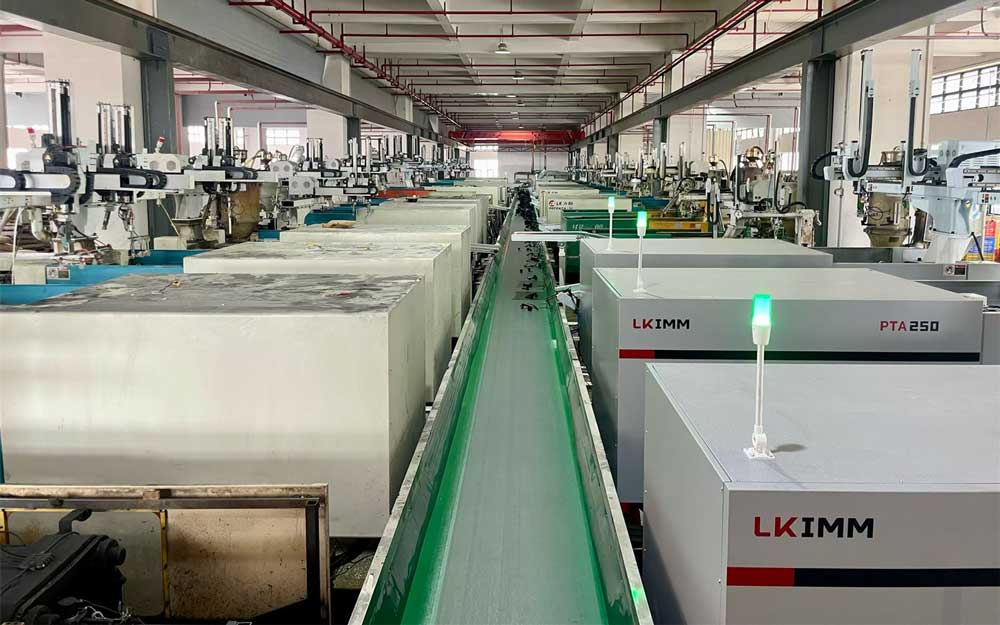
Insights from our R&D engineering department, addressing common design, manufacturing, and regulatory questions.
Combining high-power thermal elements (such as 1800W to 2800W) with high-velocity convection fans accelerates heat transfer through both conduction and radiation. Traditional microwave heating cooks internally but cannot dry the surface to create a crisp texture. Incorporating dual-heating elements allows users to brown and crisp food surfaces while using the volumetric energy transfer of high-power systems to cook the interior rapidly.
Our containment systems use three primary barriers: high-density conductive copper-mesh window screens, mechanical door chokes that create a destructive interference zone for escaping waves, and fail-safe safety interlock switches that cut power if the door is opened. Every production run undergoes rigorous leakage testing using specialized RF survey meters, ensuring emissions remain well below the international limit of 5.0 mW/cm² at 5 cm.
Metal cavities, like the food-grade 304 stainless steel used in our ZK28T-S1 Steam Oven, reflect electromagnetic waves, keeping energy concentrated inside the cavity. Metal also tolerates high temperatures without releasing volatile organic compounds (VOCs) or causing plastic odors. This durability is essential for long-term safety and performance in commercial settings.
We provide full circuit engineering for dual-voltage (110V-220V) operations, customized power transformers, and variable wattage configurations (1200W to 2800W) to match target market requirements. Our R&D department can design custom mechanical control interfaces, digital touch panels, unique waveguide geometries, and localized UI controls for different international regions.
Our quality control workflow includes: 1) Incoming inspection (IQC) of key components like magnetrons, heating elements, and PCBs; 2) In-line inspection (IPQC) monitoring high-voltage cabling and door seal alignments; 3) Final inspection (FQC) covering leakage, dielectric strength, high-temperature thermal profiles, and drop-testing packaged products to ensure safe transit.
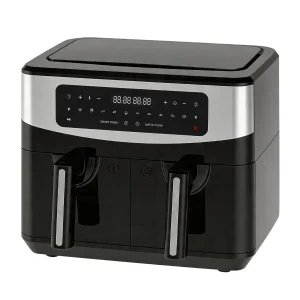
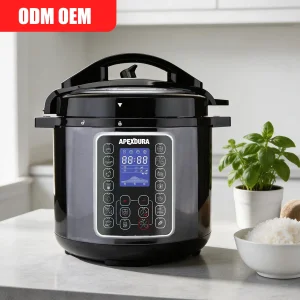
Explore our high-capacity steam ovens, dual-basket air fryers, and high-wattage pressure systems designed for international markets.
 Zhenmei Electrical