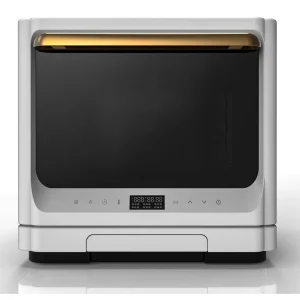
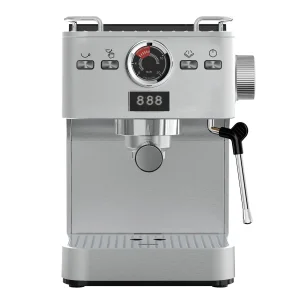
Direct from China's Premier Manufacturing Base - Certified Performance & Innovation
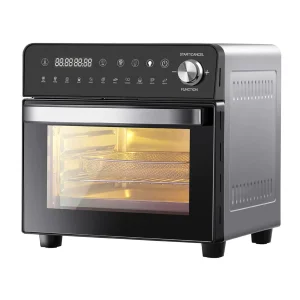
The global culinary appliance landscape is witnessing a structural shift. The traditional categorization of kitchen appliances is dissolving in favor of hybrid thermal systems. Modern consumers and commercial kitchens no longer view the standard microwave oven as a single-purpose device merely for reheating. The global demand for grill microwave ovens has surged exponentially, driven by urban space limitations, rising energy costs, and a growing consumer preference for healthy, low-fat roasted meals prepared in minimal time.
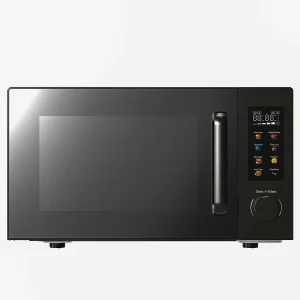
Industrially, a grill microwave oven represents an advanced synthesis of electromagnetic radiation (magnetron-generated microwaves) and thermal radiation (quartz or halogen heating elements). By operating these two distinct heat sources simultaneously or sequentially, the system achieves rapid internal molecular heating while producing the exterior browning, caramelization, and crisping typical of traditional ovens. This hybrid mechanism optimizes energy transfer, reducing cooking times by up to 40% compared to conventional thermal ovens, while maintaining moisture retention.
"Market research indicates that the global hybrid kitchen appliance segment is projected to grow at a CAGR of 6.8% over the next five years. Importers and brands who pivot their catalogs toward multi-functional grill-microwave-steam hybrids are capturing high-margin premium consumer segments."
China remains the undisputed epicenter of global microwave oven and grill manufacturing, accounting for over 70% of global output. The geographical concentration of the supply chain in regions like Guangdong Province (specifically Shunde and Zhongshan) creates an unparalleled ecosystem of efficiency. Within a 50-kilometer radius, factories have access to raw sheet metal processing, precision injection molding, copper winding for high-voltage transformers, advanced magnetron fabrication, and specialized microcrystalline ceramic plates.
This hyper-integrated industrial cluster allows Chinese factories to achieve unmatched economies of scale while keeping lead times short. More importantly, the rapid feedback loop between local R&D engineers, tooling workshops, and testing laboratories accelerates the cycle of innovation. While a Western or European brand may take 12 to 18 months to bring a new grill microwave concept to production, Chinese OEM/ODM facilities can compress this window to under 6 months.
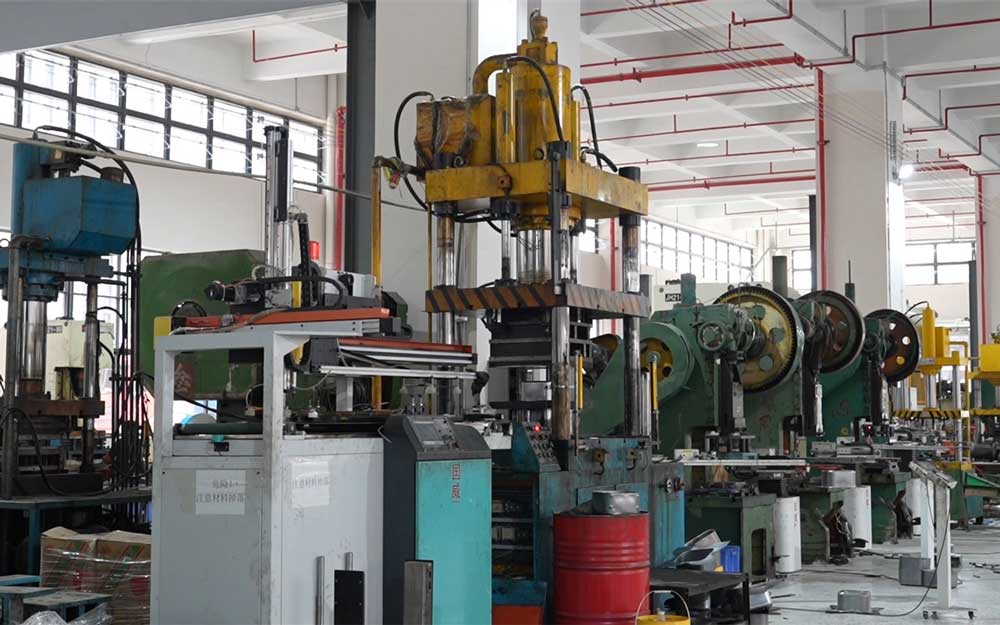
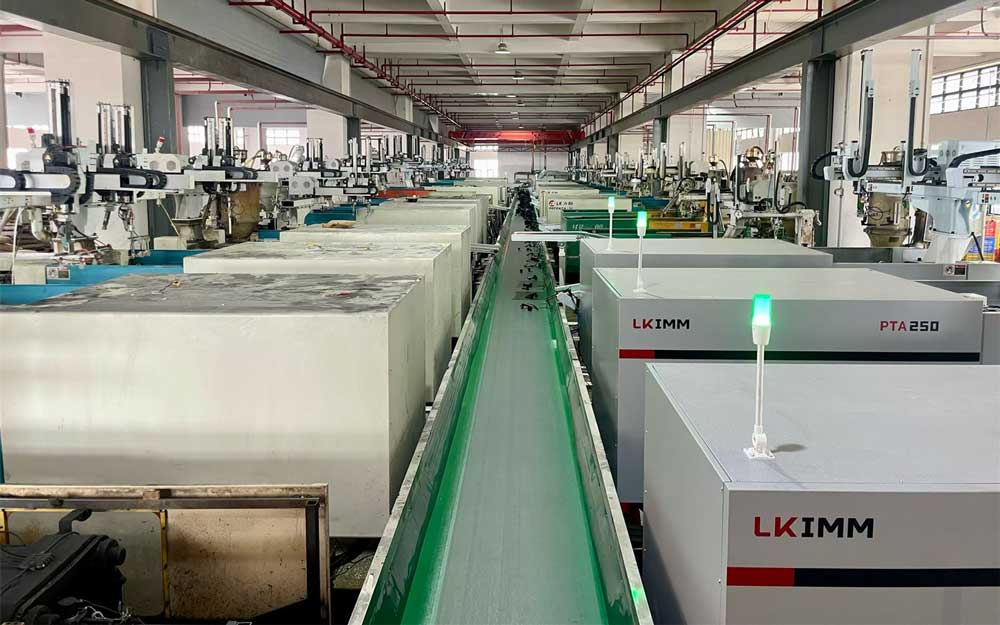
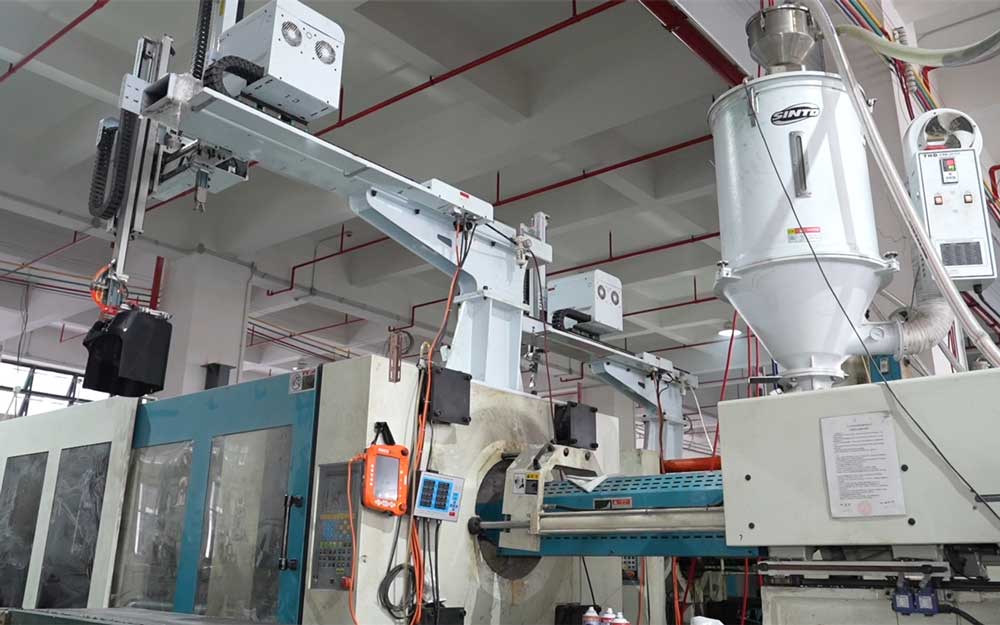
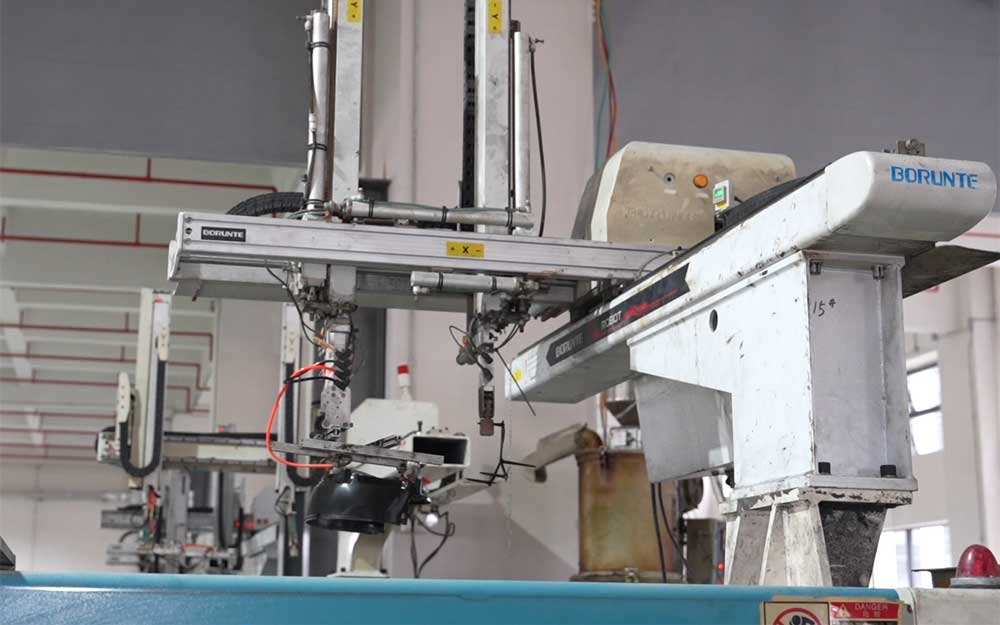
Furthermore, the efficiency of China's factories is not merely about cheap labor; it is built on automated manufacturing infrastructure. Precision robotic welding arms, automated optical inspection (AOI) systems for controller PCBA boards, and computerized leakage testers for microwave containment ensure that high volumes do not compromise safety or compliance standards.
Operational Scale and Engineering Capabilities powering global brand portfolios
A major mistake B2B buyers commit is sourcing a standard "one-size-fits-all" appliance. Food cultures, electrical grids, and regulatory environments differ radically across territories. Professional manufacturers recognize these nuances and engineer localized variations.
For instance, in the North American Market, safety requirements are governed strictly by UL 923 standards for microwave heating appliances, alongside FCC Part 18 compliance for electromagnetic interference. Additionally, consumer preference tilts toward larger capacities (typically 1.2 to 1.6 cubic feet) and higher power outputs (1000W-1200W microwave power coupled with high-output grill modules).
Conversely, in the European Union, space optimization dictates compact designs, with a massive focus on built-in units (20L to 25L capacity) that integrate seamlessly into standard European kitchen cabinetry. European models must comply with strict Eco-Design and ErP Directives, limiting standby power consumption to less than 0.5W. Furthermore, RoHS and REACH compliance are mandatory for all plastic and chemical materials used in the chassis and cavity.
In Latin American and Middle Eastern markets, grid instability is a primary design concern. Factories must engineer robust power boards capable of handling voltage spikes without burning out the magnetron or control ICs. The mechanical durability of door latches and switches is also prioritised, as these units undergo heavy duty-cycles in large household structures.
The technological trajectory of the grill microwave oven is characterized by three key innovations:
A deep look into our structural capabilities, quality frameworks, and scale benefits
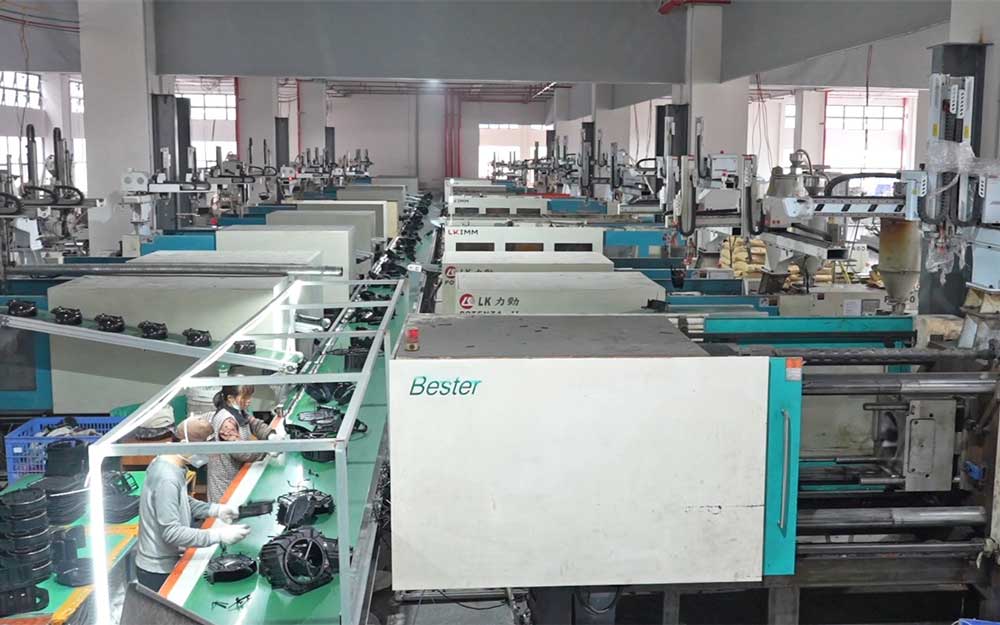
We design and construct molds directly on-site, reducing production lead times and lowering upfront tooling investment costs for new product introductions.
From Incoming Quality Control (IQC) to Outgoing Quality Assurance (OQA), every batch is subjected to rigorous high-voltage insulation tests and door drop assessments.
Our kitchen appliances carry global-recognized certifications, allowing immediate regulatory clearance in major retail markets including the US, EU, and UK.
When conducting a factory audit in China for grill microwave ovens, sourcing professionals must look beyond basic certifications. A rigorous audit checklist should focus on key technical areas:
Zhongshan Zhenmei operates under strict compliance with ISO9001 frameworks, housing specialized laboratory facilities for long-term aging tests, salt-spray corrosion tests for chassis paint, and environmental testing chambers to simulate harsh sea freight shipping environments.
Detailed technical answers for global buyers, product managers, and supply chain directors
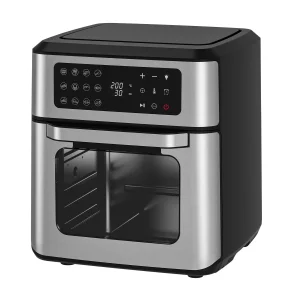
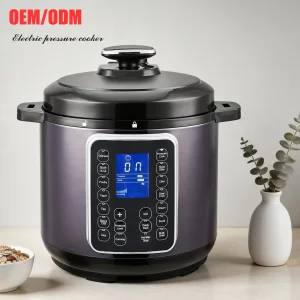
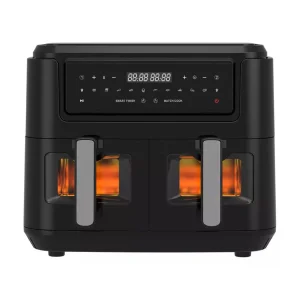
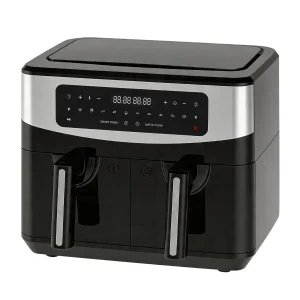
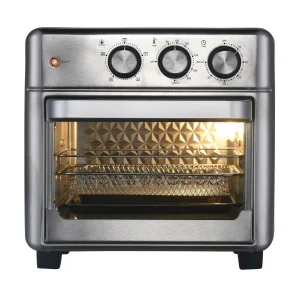
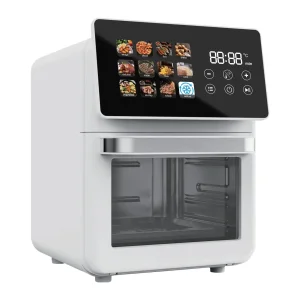
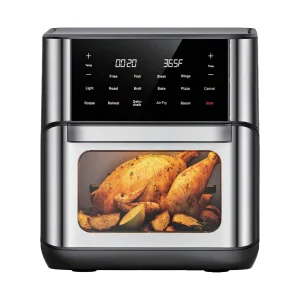
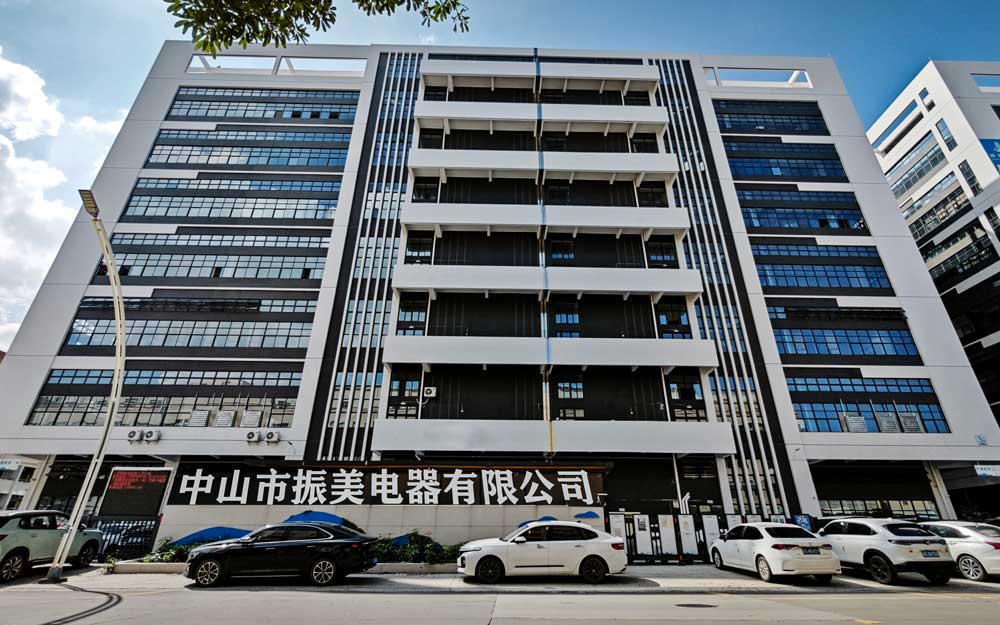
Zhongshan Zhenmei Electrical Appliance Co., Ltd. is a premier OEM/ODM partner specializing in the manufacturing of kitchen appliances, including air fryers, electric pressure cookers, blenders, and more. With over 16 years of expertise, we transform concepts into high-quality, market-ready products for leading global brands.
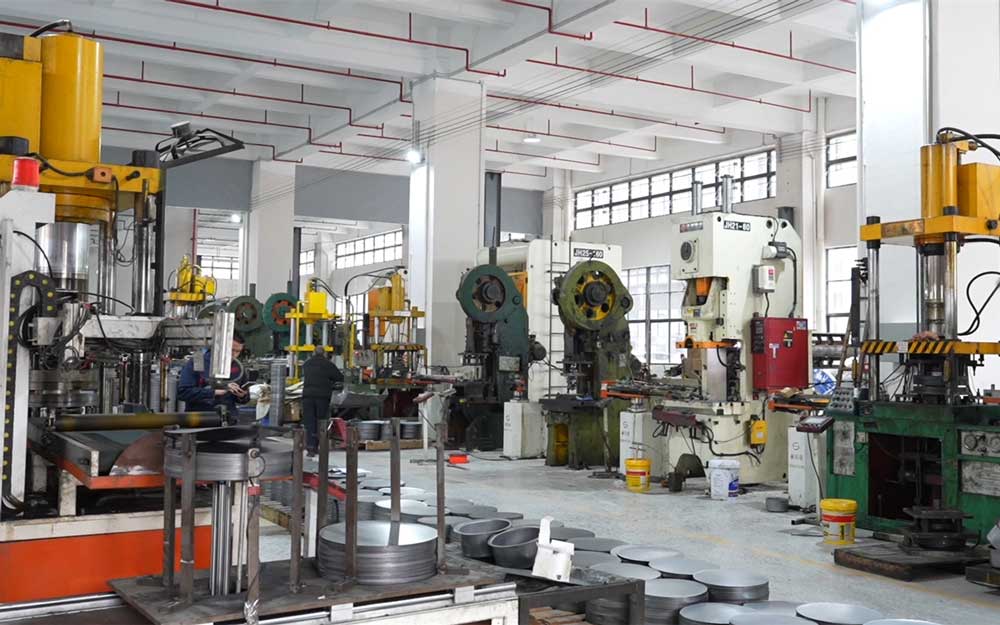
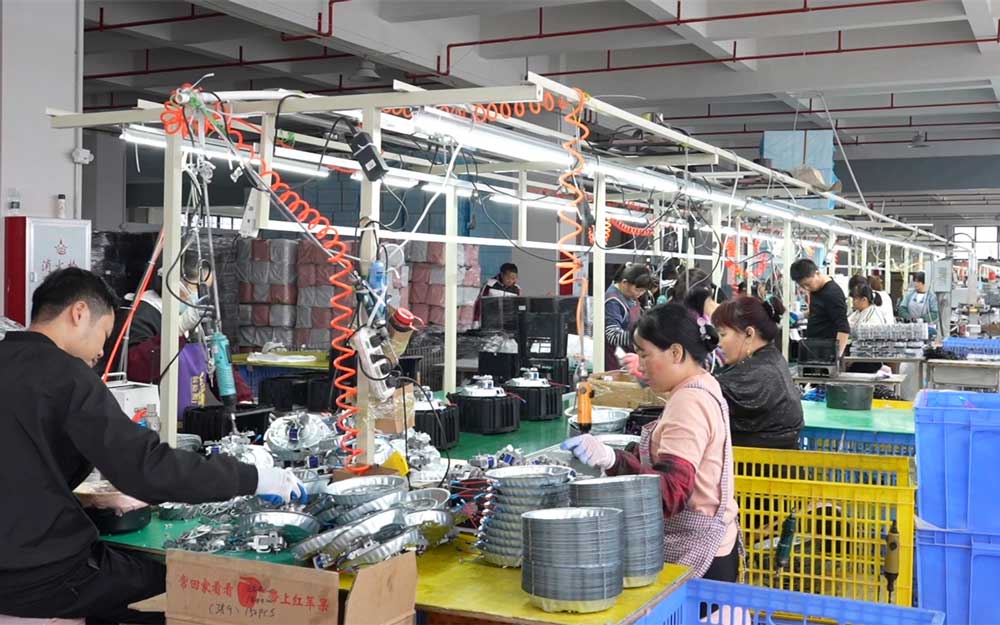
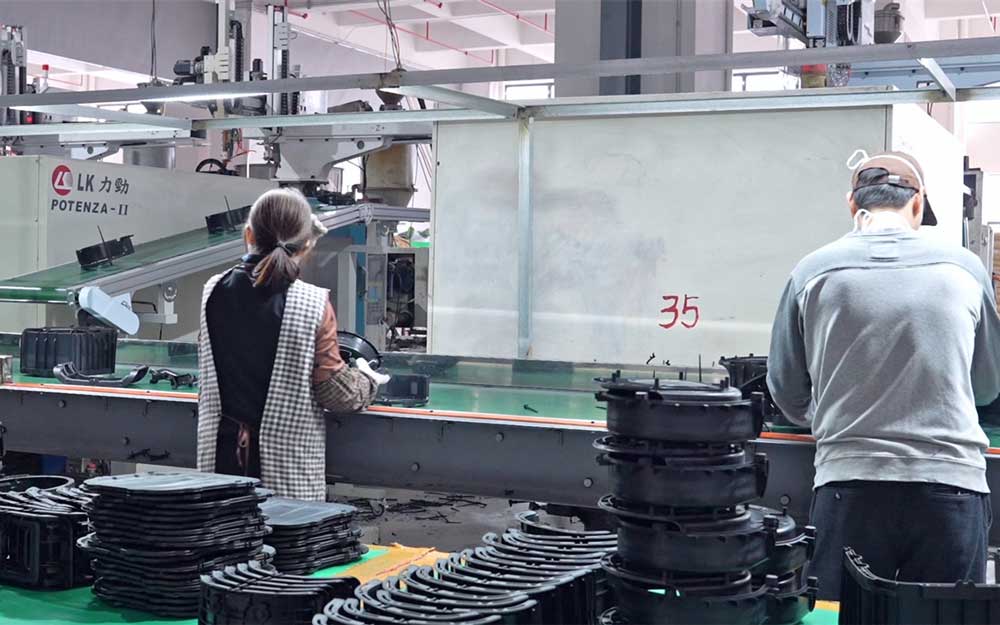
Our core manufacturing strength lies in robust in-house fabrication. Operating from a 40,000 sqm advanced facility, powered by 300+ dedicated professionals and 20+ R&D experts, we ensure precision and control at every stage of the production cycle. Our massive 10,000+ units daily output reliably meets the demands of high-volume orders worldwide. We are committed to excellence, underpinned by a rigorous quality control system that guarantees the safety and reliability of every product.
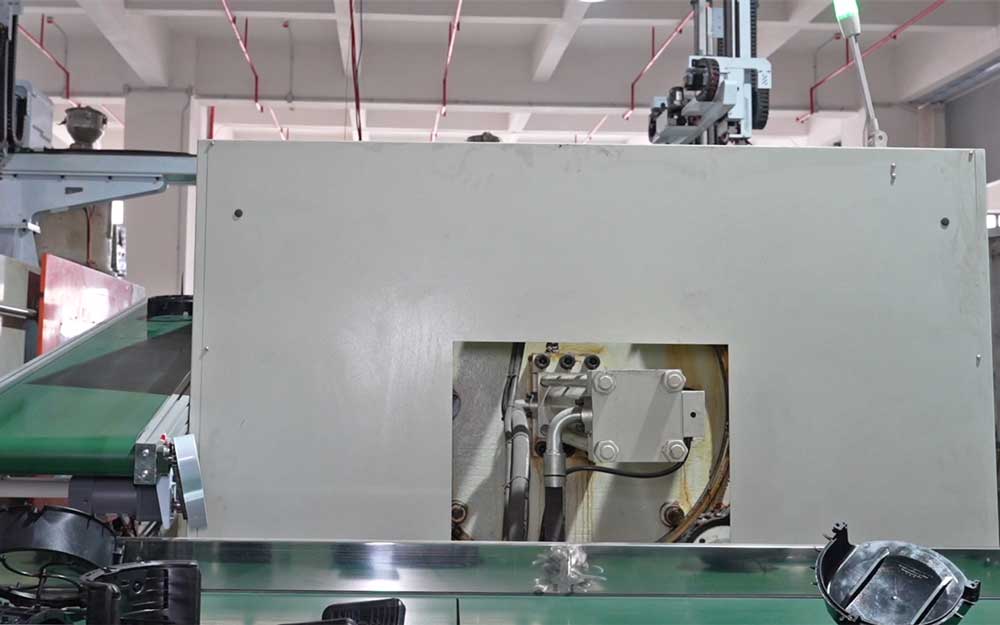
Our facility features optimized assembly configurations, automated robotic workstations, and comprehensive inspection areas. These assets allow us to run multiple concurrent assembly operations, maintaining consistent throughput during peak B2B procurement windows.


Engineered for high performance, thermal efficiency, and long lifespan durability
 Zhenmei Electrical