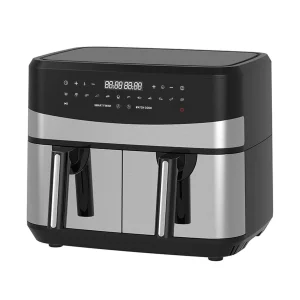
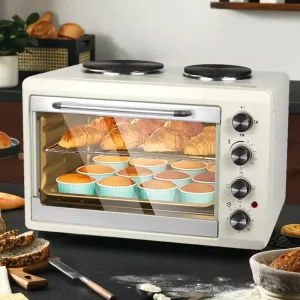
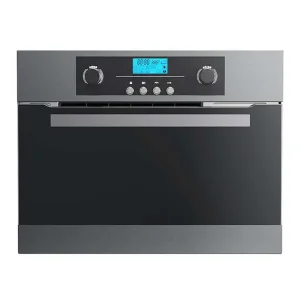
Explore our top-tier manufacturing fleet engineered for precise temperature management, high-durability kitchen operations, and intelligent smart automation.
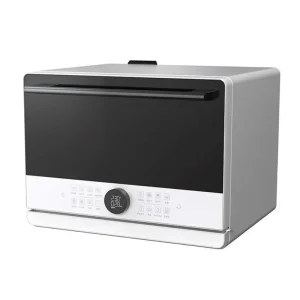
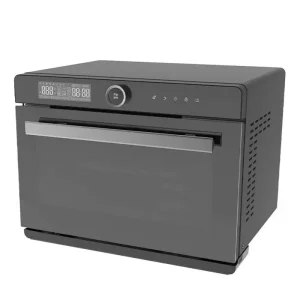
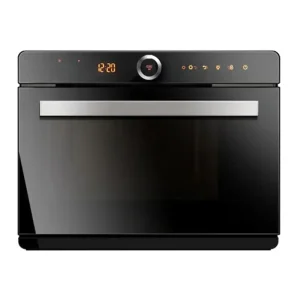
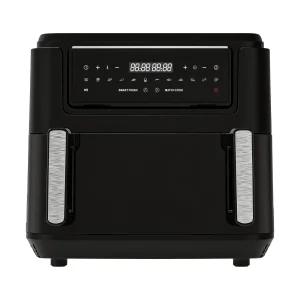
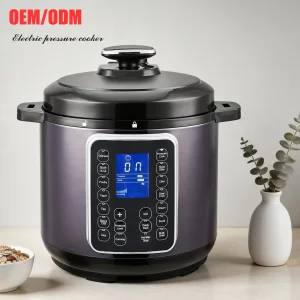
Zhongshan Zhenmei Electrical Appliance Co., Ltd. is a premier OEM/ODM partner specializing in the manufacturing of kitchen appliances, including air fryers, electric pressure cookers, blenders, and more. With over 16 years of expertise, we transform concepts into high-quality, market-ready products for leading global brands.
In the contemporary home appliance market, the lines defining beverage extraction, steam engineering, and high-frequency thermal circulation have dissolved. B2B buyers no longer view coffee makers or kitchen cookers as isolated technological domains. The underlying engineering principles—stable fluid dynamics, PID-controlled temperature curves, and rapid steam injection systems—bridge the gap between high-end air fryer steam ovens and commercial-grade fresh coffee brewing systems.
China's manufacturing sector has undergone a massive paradigm shift. Emerging from basic structural assembly pipelines, factories in the Pearl River Delta, specifically in Zhongshan, are leading the industry by introducing AI-driven thermal algorithms. For global sourcing managers, acquiring a coffee brewer, a smart steam oven, or an integrated air frying platform requires partnering with a factory that understands thermal precision. A modern coffee brewing system demands water temperature stabilization within a range of ±0.5°C to prevent under-extraction or burning. Similar technologies are implemented within our flagship smart ovens to ensure uniform heat mapping.
High-efficiency heating elements designed to reduce carbon footprints. Instant thermal start loops reduce energy draw by up to 30% compared to traditional boilers.
Wireless app control and API integrations (Tuya, WiFi, Bluetooth) that sync coffee brew programs, recipe libraries, and OTA diagnostic telemetry.
Use of SUS304 food-grade stainless steel, high-durability polymer composites, and wear-resistant coatings to survive rigorous domestic and office usage loops.
Enterprise procurement departments from North America, Europe, and the APAC region operate under stringent criteria. In selecting a manufacturing hub for kitchenware and extraction systems, key decision-makers focus heavily on compliance, assembly efficiency, and engineering depth. Key checkpoints include:
For global platforms deploying product lines in multiple territories, modular designs are crucial. A modular chassis allows easy replacement of power configurations (e.g., 220V/50Hz for EU markets vs. 120V/60Hz for US markets) without needing a complete overhaul of the mechanical tooling or PCB board layouts. This dynamic adaptation is key to minimizing development capital expenditures.
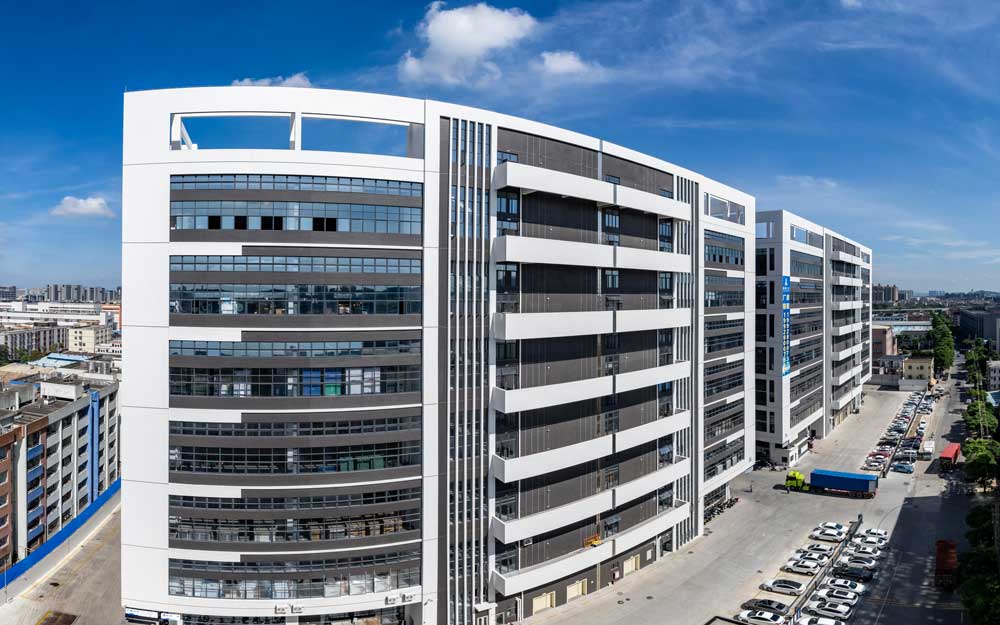
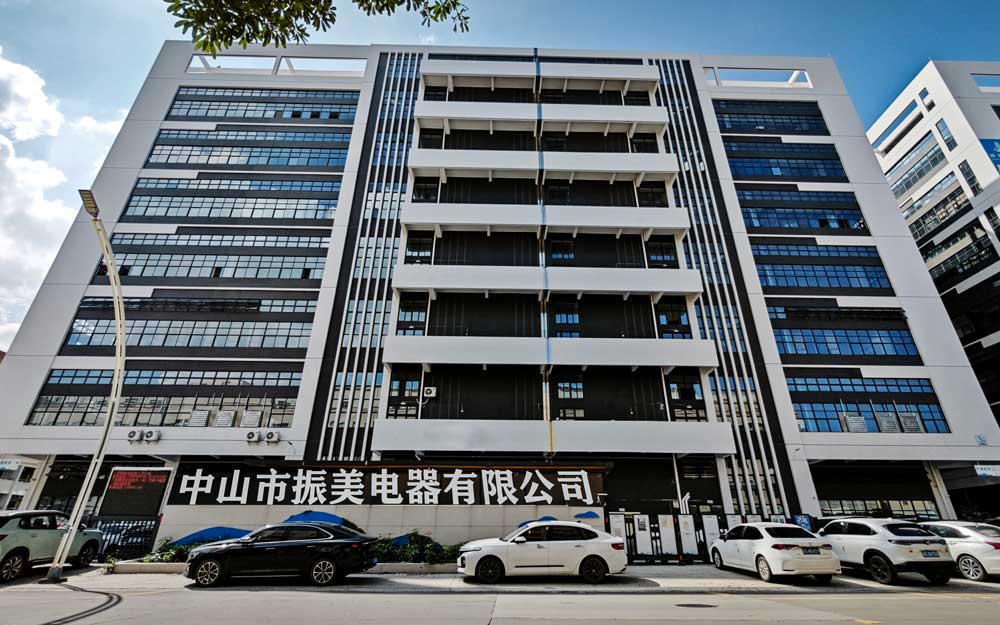
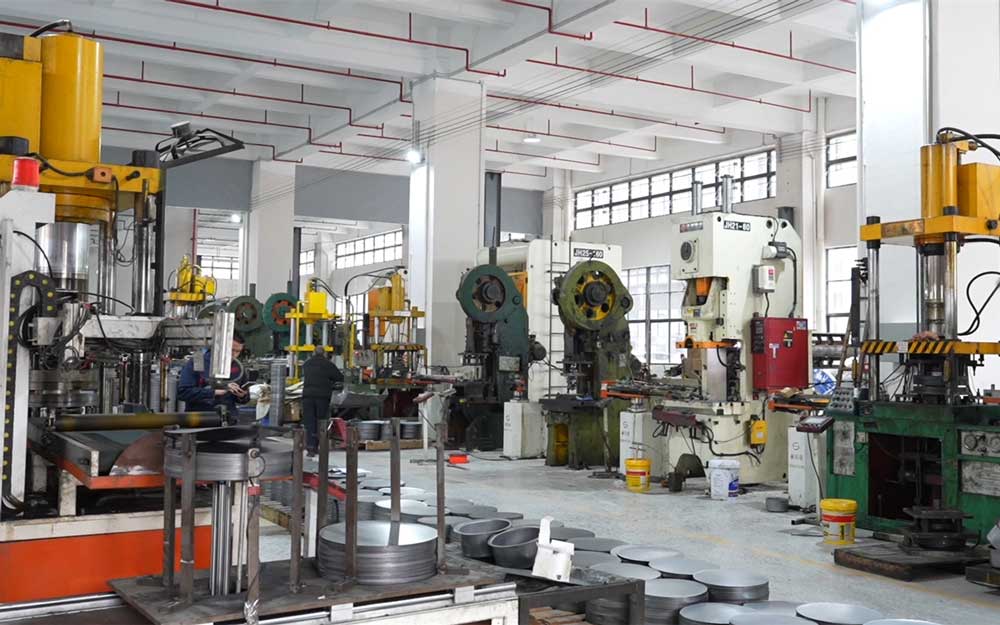
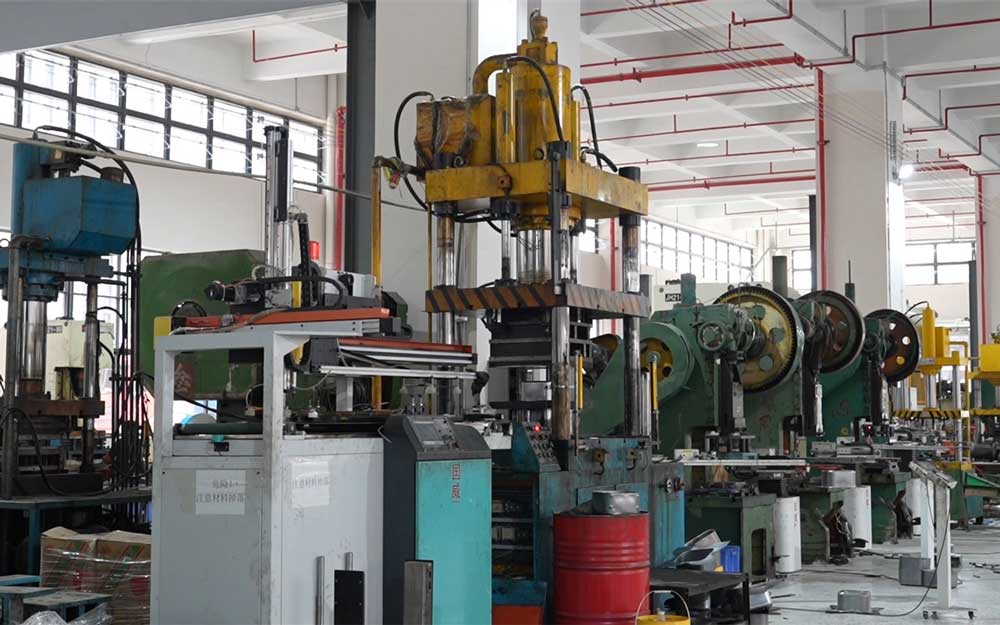
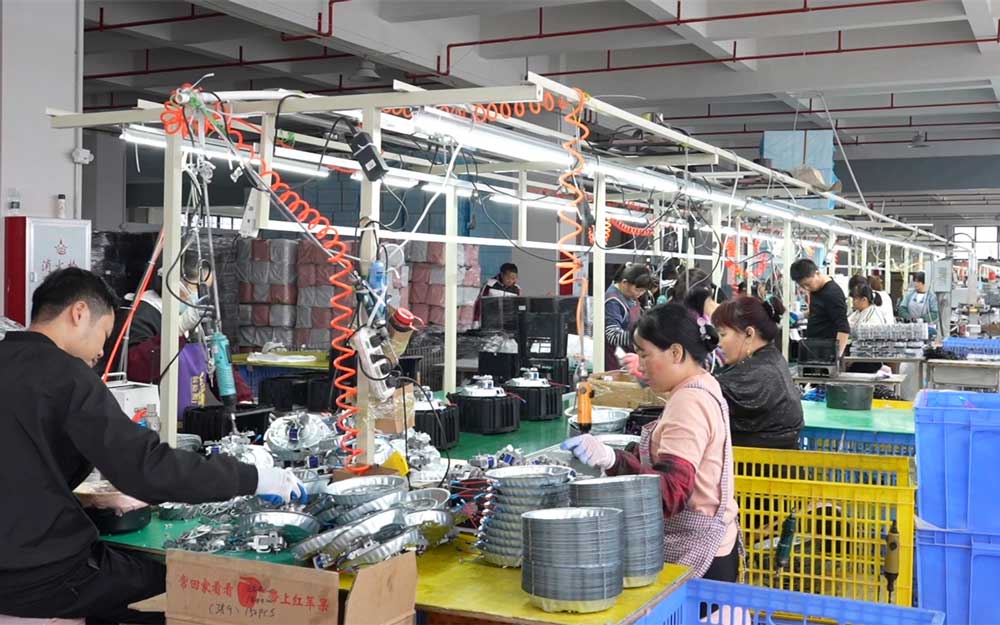
Our strength lies in robust in-house manufacturing. Operating from a 40,000 sqm advanced facility, powered by 300+ dedicated professionals and 20+ R&D experts, we ensure precision and control at every stage.
High Volume & Quality: Our massive 10,000+ units daily output reliably meets the demands of high-volume orders worldwide. We are committed to excellence, underpinned by a rigorous quality control system that guarantees the safety and reliability of every product.
Trusted OEM/ODM Partner: We are the trusted, end-to-end solution for your OEM/ODM needs. Choose us for innovation, scale, and reliability. Let's build your next success story together.
The future of small kitchen appliances lies in convergence. Standard extraction and heating methods are shifting toward highly precise, multi-functional hubs. Our R&D department is actively exploring and integrating advanced technological frameworks into our next-generation designs:
| Technology System | Engineering Integration | Key User / Sourcing Advantage |
|---|---|---|
| PID Micro-Controlled Heating | Active electronic feedback loops adjusting element output in real-time. | Ensures consistent thermal parameters, preventing extraction bitterness or uneven cooking results. |
| Superheated Vapor Injection | Rapid-flash vapor generators delivering pressurized steam at high velocities. | Deep moisture retention in steam ovens, offering fast sanitization and espresso milk-frothing properties. |
| AI-Powered Load Sensing | Weight and resistance detection algorithms adjusting motor torque and heat levels. | Automated recipe optimization, minimizing power waste and reducing mechanical stress. |
| Modular Chamber Technology | Detachable cooking chambers and food-contact areas with quick-release interfaces. | Effortless cleaning processes, ensuring zero cross-contamination and exceeding hygienic standards. |
By combining these systems, we enable global brands to introduce versatile appliances. A singular hardware platform can serve as a precision tea/coffee brewer, a rapid steam cooker, and a convection frying system. This strategy effectively cuts import tariffs, warehousing footprints, and retail floor-space demands.
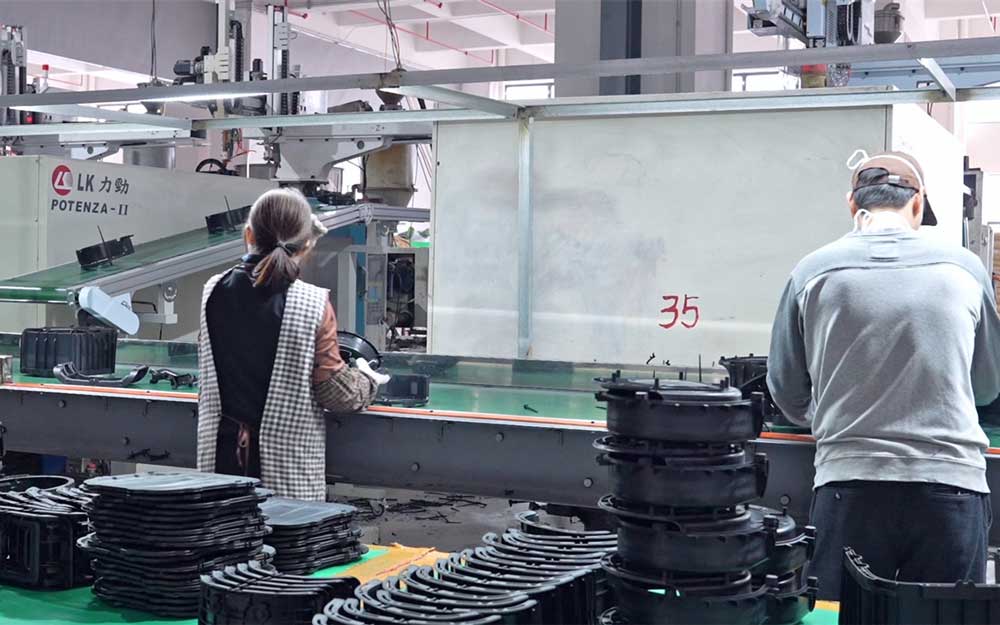
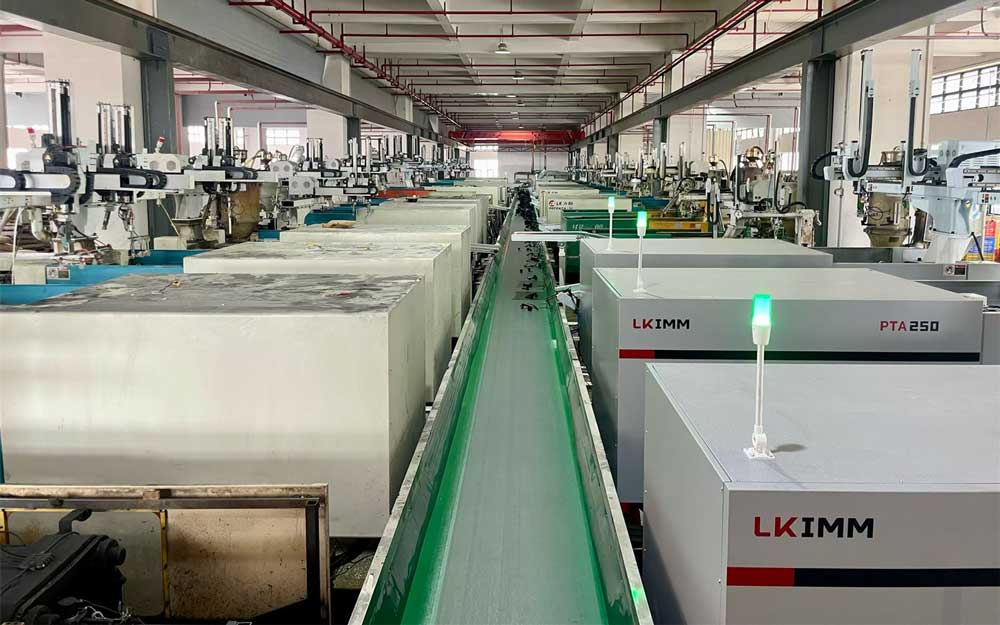
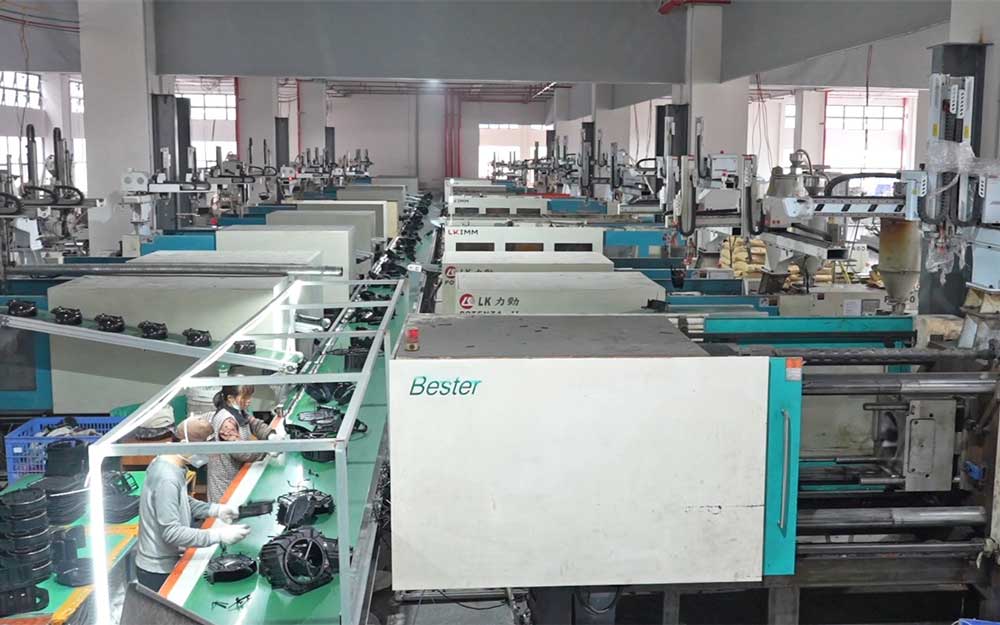
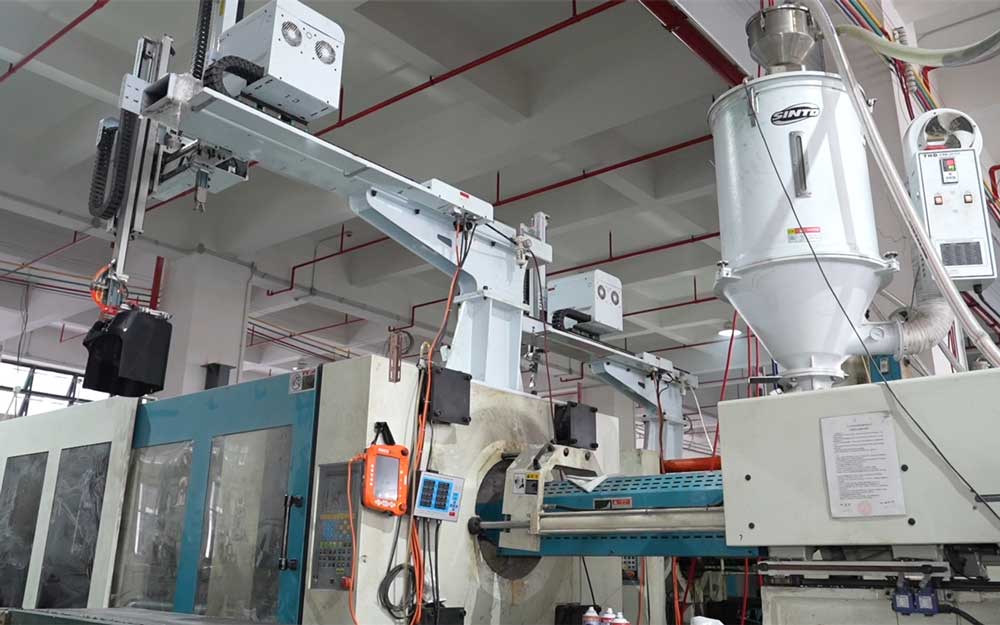
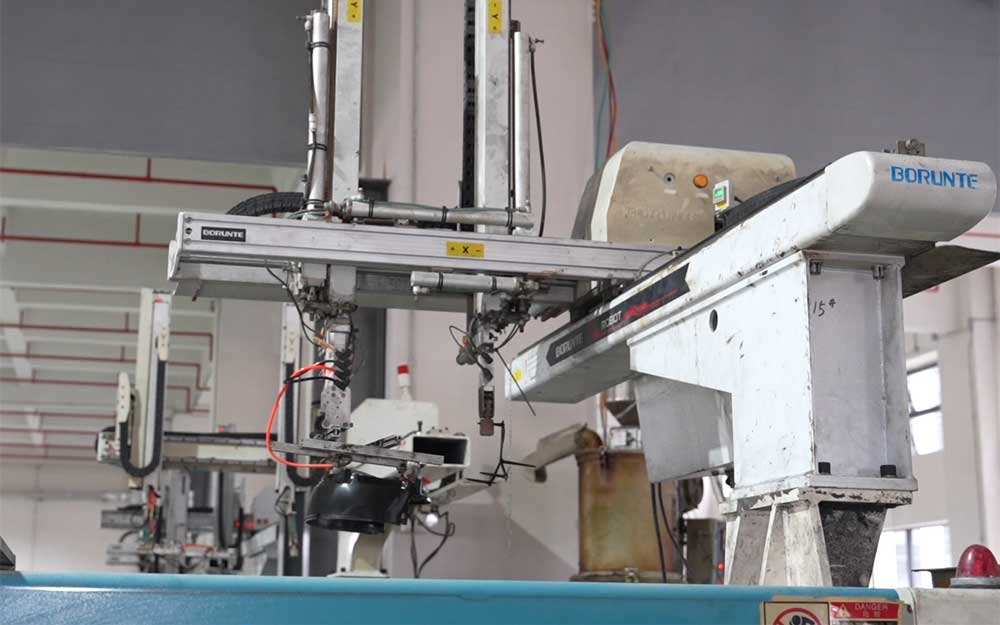
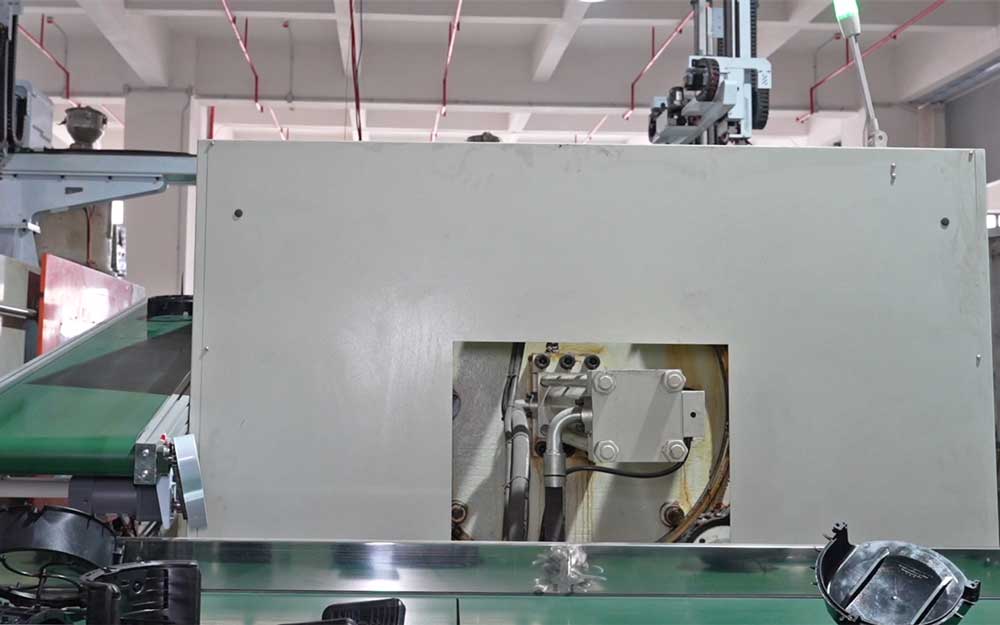
Transparency and infrastructure quality are key pillars of E-E-A-T (Experience, Expertise, Authoritativeness, Trustworthiness). Below are actual inside looks at our modern factories, clean assembly rooms, precision plastic injection centers, and testing labs.

Get answers to critical logistical, technical, and commercial questions to facilitate seamless supply chain integration.
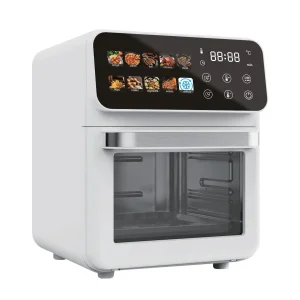
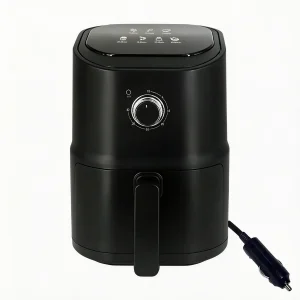
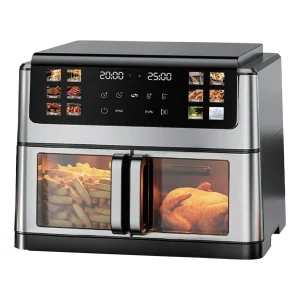
Heavy-duty culinary equipment built to optimize cooking cycles, enhance heat distribution, and support high-throughput operations.
 Zhenmei Electrical