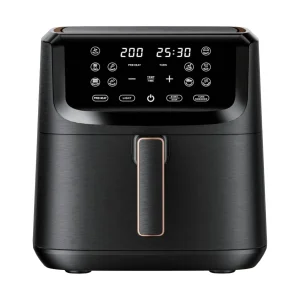
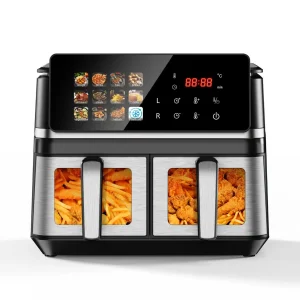
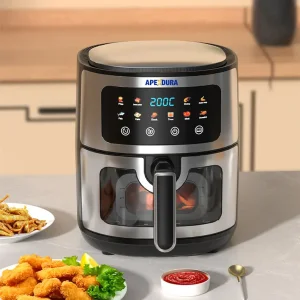
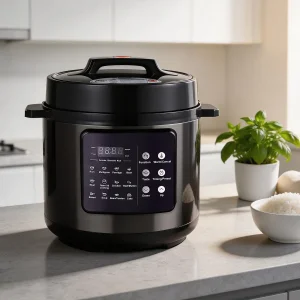
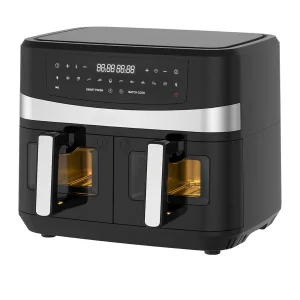
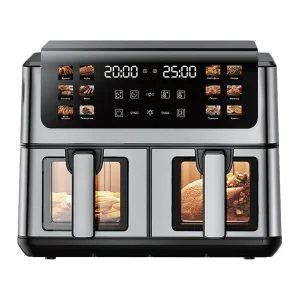
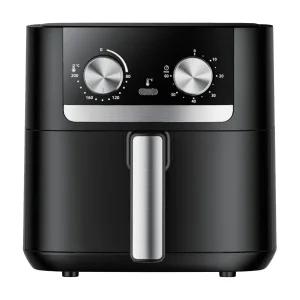
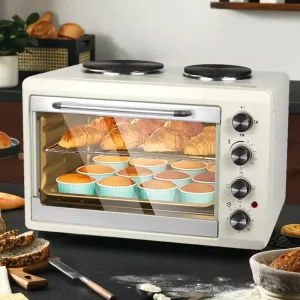
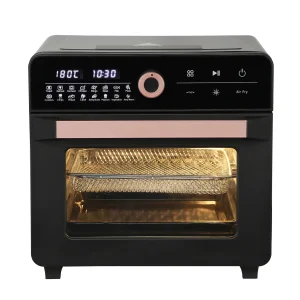
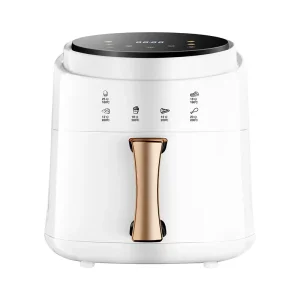
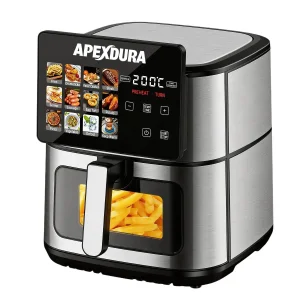
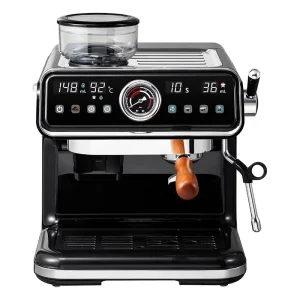
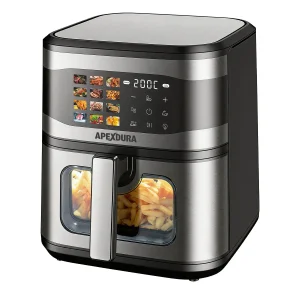
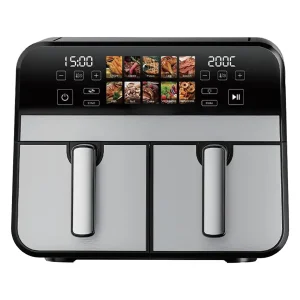
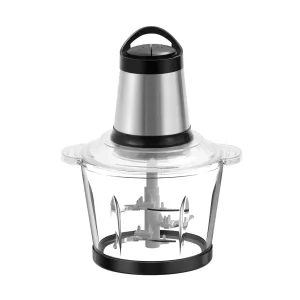
Explore our high-performance, certifiable appliance line-up engineered to meet dynamic household demands worldwide.
Analyzing the strategic demand shift in global commercial, industrial, and residential sectors.
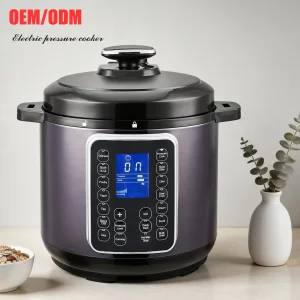
In the evolving consumer appliance landscape, the global market for electric pressure cookers has undergone a significant paradigm shift. Historically treated as secondary cooking utensils, high-capacity, multi-functional electric pressure cookers (specifically within the 6L to 12L "family size" segment) have positioned themselves as central pillars of the modern smart kitchen. This transformation is driven by shifting demographic parameters, including the rise of bulk meal preparation, multigenerational living arrangements, and an elevated demand for energy-efficient kitchen solutions.
From a macroeconomic perspective, international buyers—ranging from large-scale retail chains to specialized home appliance brands—are increasingly prioritizing manufacturers capable of engineering appliances that integrate thermal efficiency with state-of-the-art security micro-controllers. The transition from legacy mechanical stovetop pressure cookers to digital multi-cookers has created a robust avenue for OEM/ODM integration, making the selection of a highly competent Chinese manufacturing partner a key success driver for brand positioning.
Rising consumer preferences for batch cooking and family-oriented meals require smart appliances capable of handling larger volumetric outputs (8L-12L) without expanding counter space.
Under soaring global energy costs, insulated electric pressure cookers achieve thermal transfer efficiencies up to 70% higher than traditional gas-based boiling methods.
Modern compliance paradigms dictate multi-tiered digital safety redundancies, including automatic lid lock status sensors and dynamic pressure release regulators.
Your Premier OEM/ODM Enterprise Manufacturing Partner for Culinary Technology
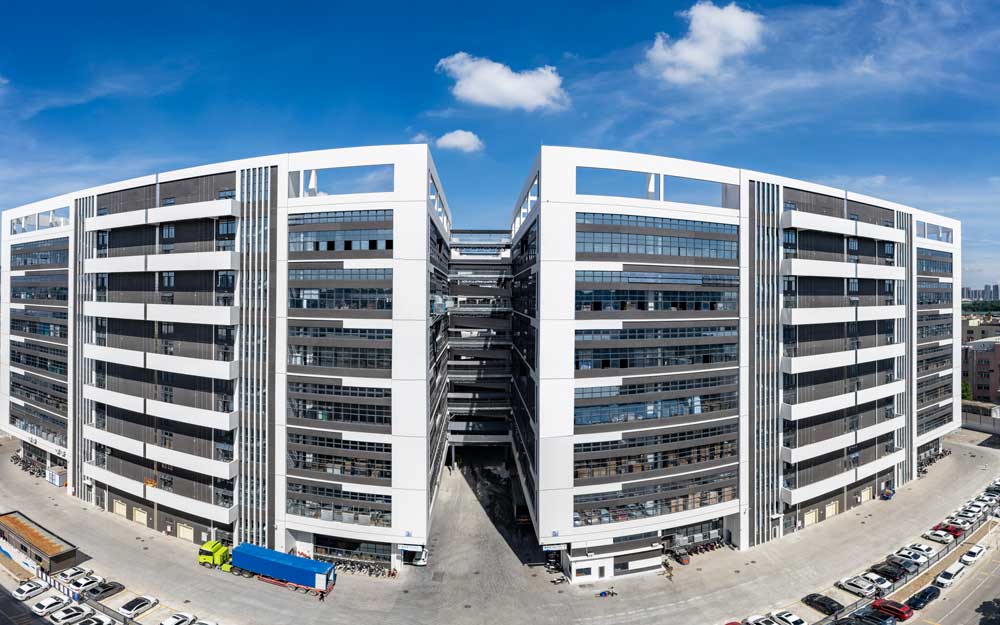
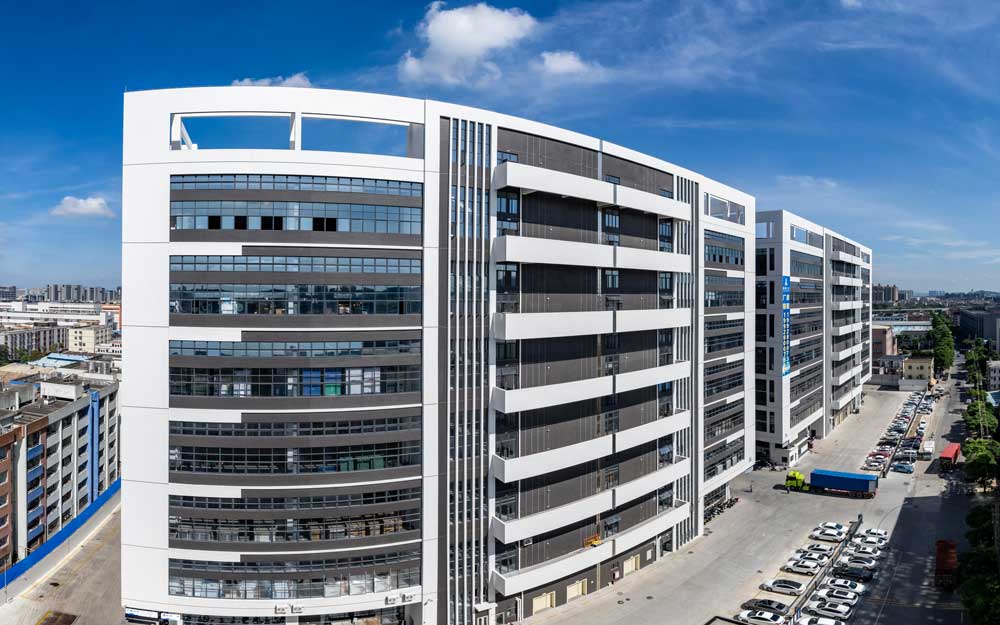
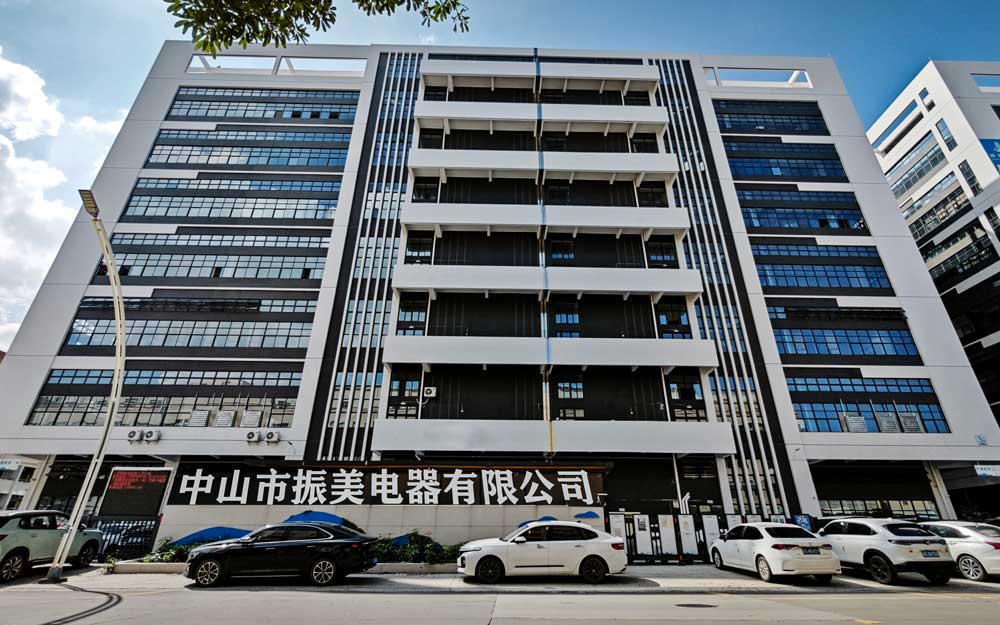
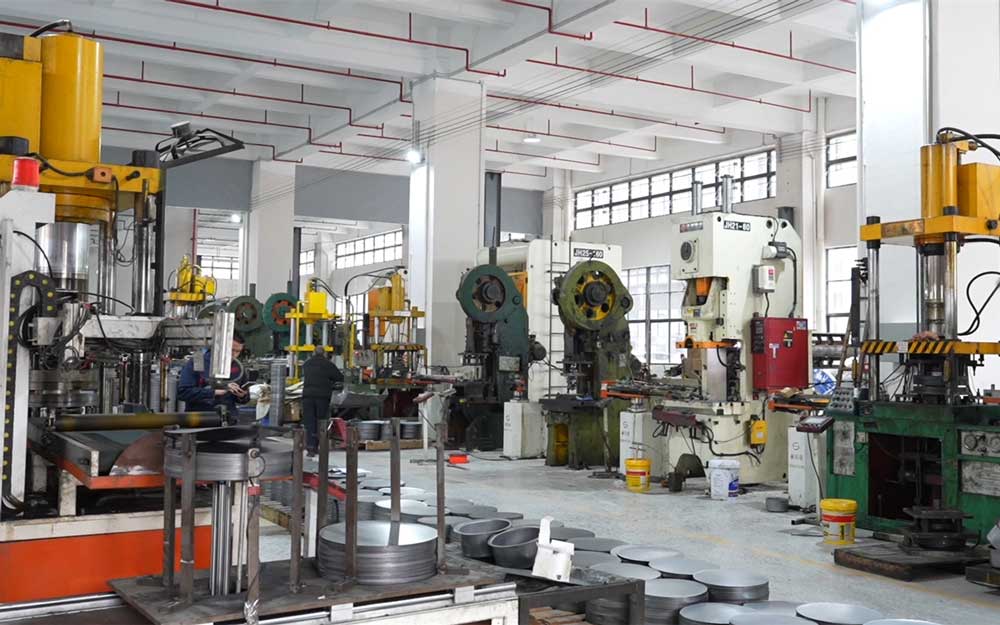
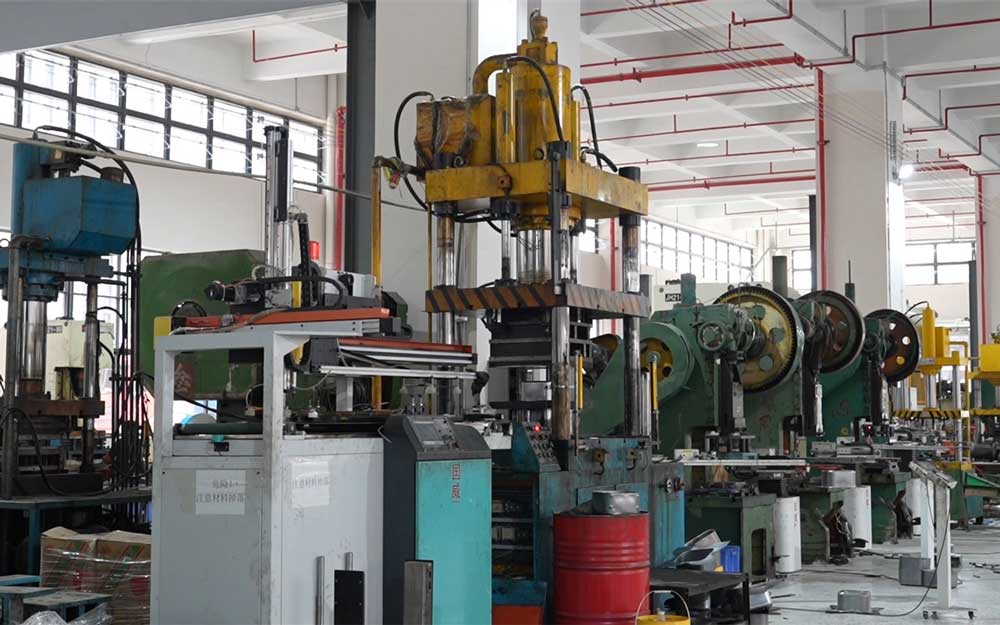
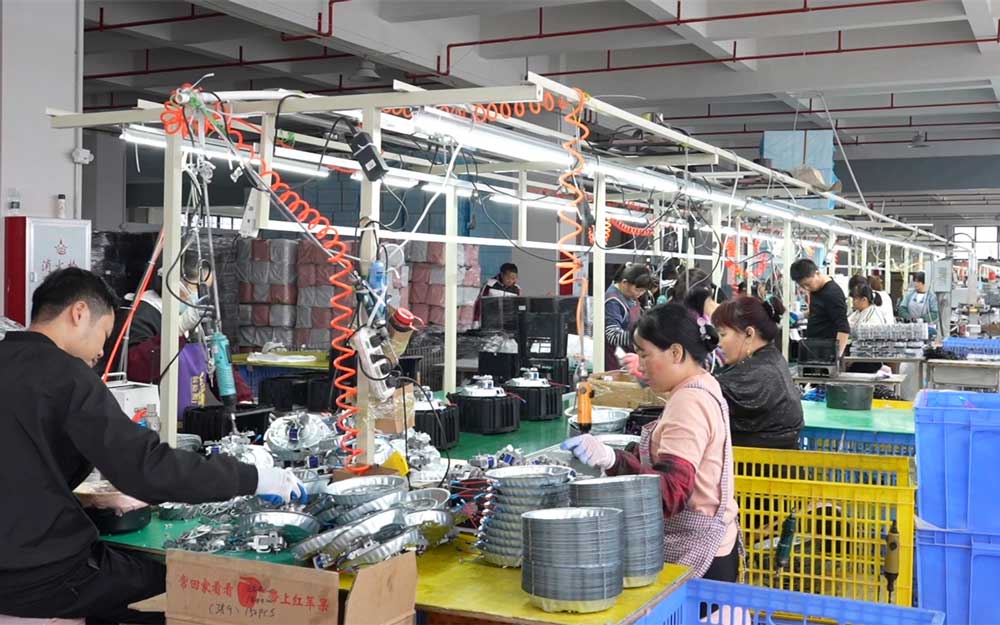
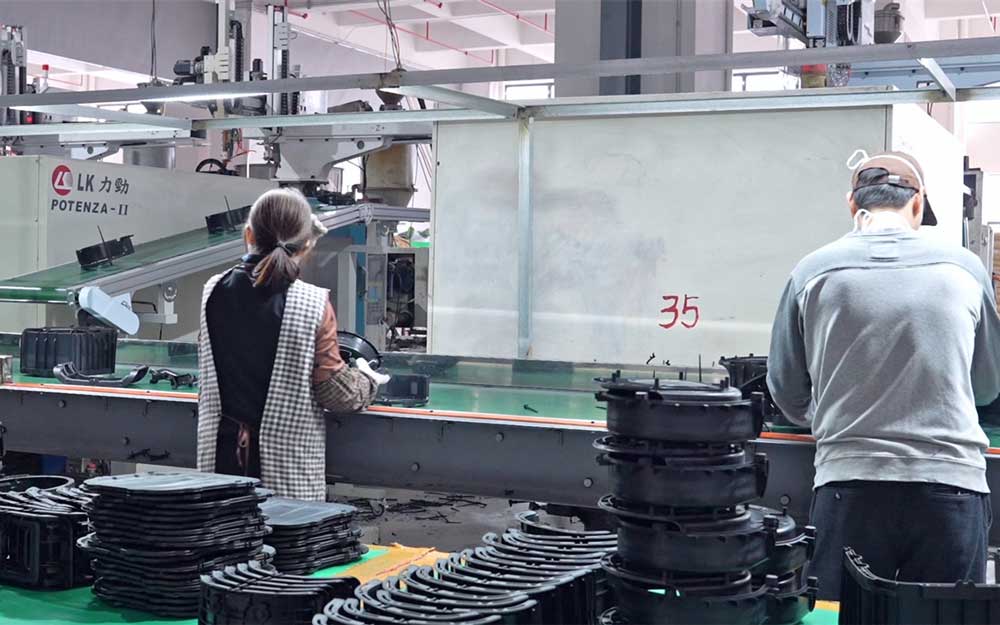
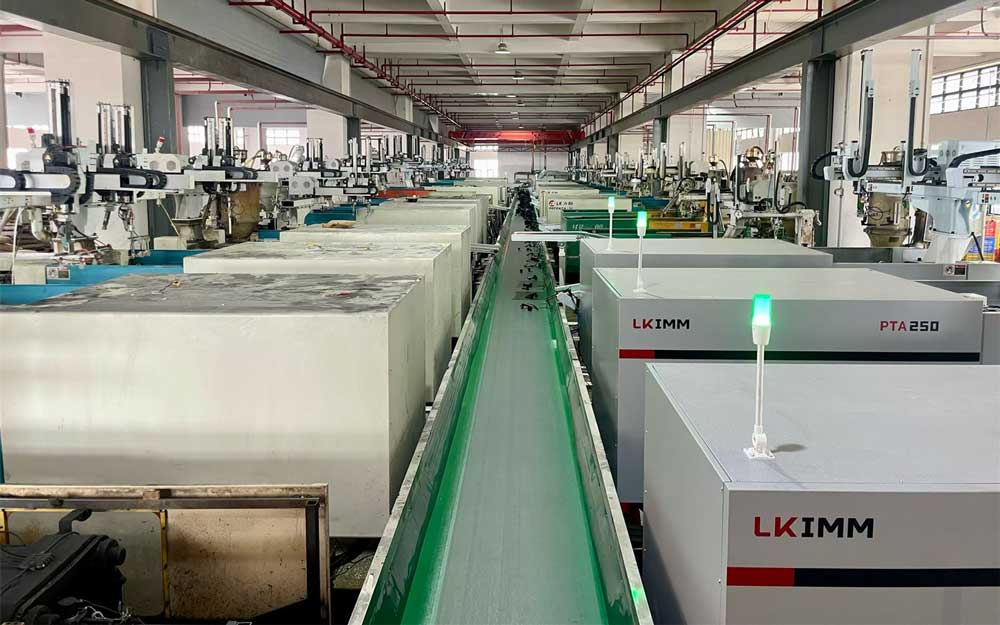
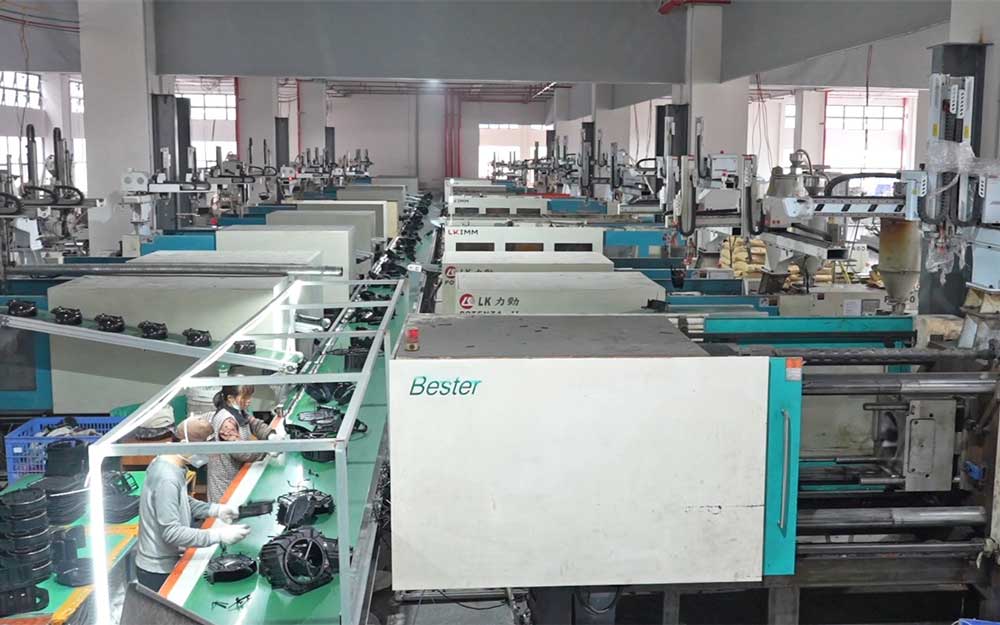
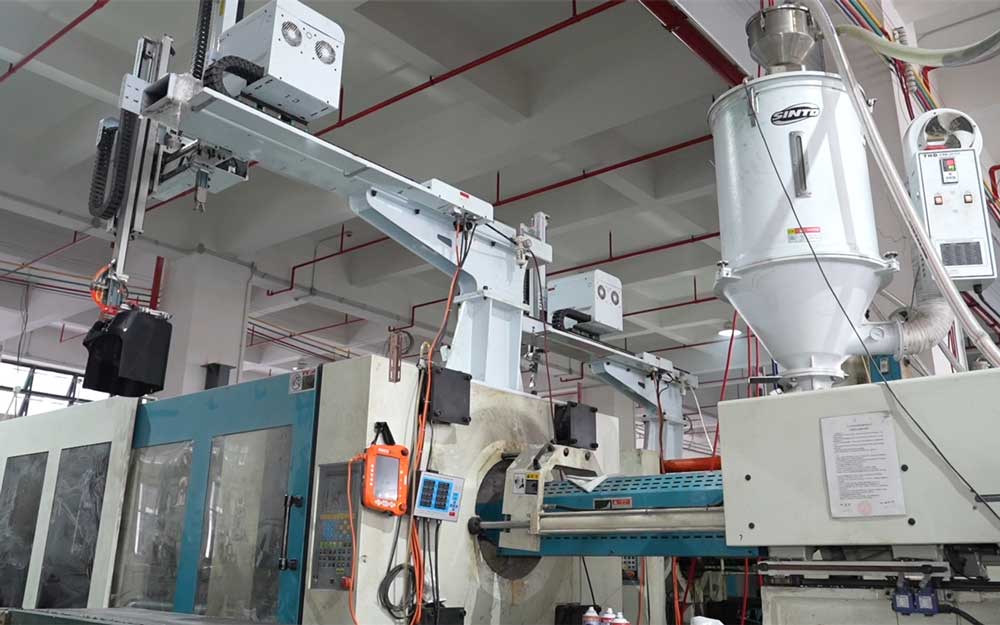
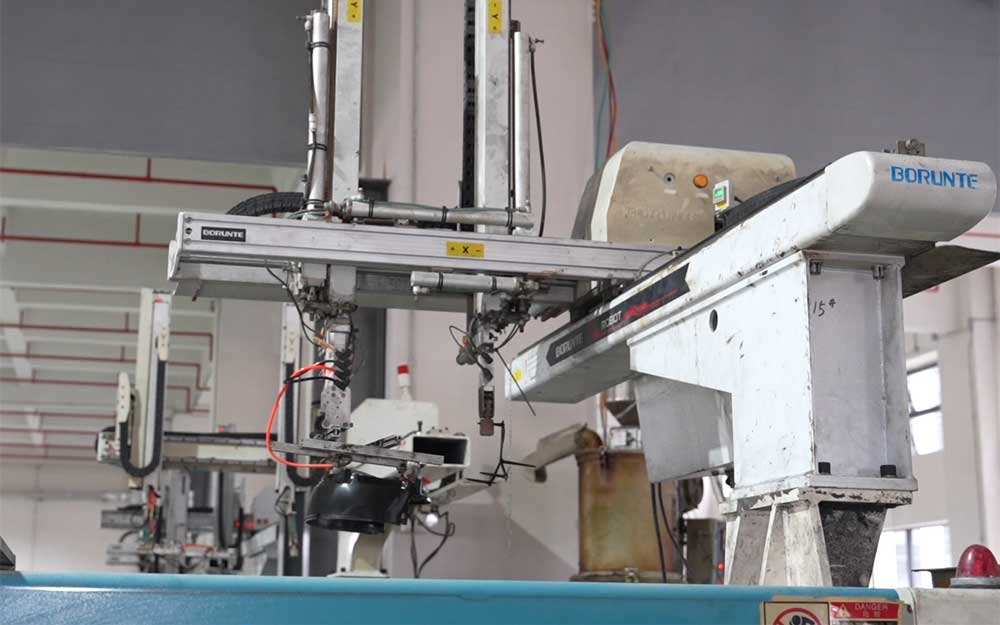
Zhongshan Zhenmei Electrical Appliance Co., Ltd. stands at the forefront of China's kitchen appliance manufacturing industry. With over 16 years of refined OEM/ODM expertise, we operate as a premier industrial partner, transforming early-stage engineering concepts into certified, shelf-ready products for leading global brands. Our core specialization spans advanced air fryers, electric pressure cookers, commercial-grade blenders, and other domestic thermal appliances.
Our facility operates under rigorous international quality management guidelines to maintain manufacturing continuity despite complex global shipping environments. Through strategic alliances with primary steel suppliers and integrated micro-controller fabricators, we buffer our clients against raw material volatility. Our proximity to the major shipping ports of Southern China guarantees optimized outbound logistics and reduced transit lead times.
When selecting a high-capacity electric pressure cooker for wholesale import, commercial buyers must look beyond basic aesthetic designs. The internal architecture governs durability, safety compliance, and failure rate statistics. A professional-grade multi-cooker utilizes several critical subsystems:
A major design factor for our R&D engineering team is localized adaptability. A pressure cooker calibrated for domestic rice boiling in East Asia will fail to satisfy the culinary requirements of West Africa, where preparing "Fufu" or "Cassava paste" demands high torque motor-blender mechanisms and rapid heat transfer profiles. Similarly, European and North American markets place immense weight on multi-use parameters, requiring cookers to switch effortlessly from low-temperature yogurt fermentations to high-temperature searing modes.
| Parameters & Features | Standard Household Cooker (3L-5L) | Enterprise Family Size Cooker (6L-12L) | Commercial / Industrial Cooker (15L+) |
|---|---|---|---|
| Primary Capacity | 3.0 - 5.0 Liters | 6.0 - 12.0 Liters | 15.0 - 40.0 Liters |
| Heating Engine Power | 700W - 900W | 1000W - 1600W | 2000W - 3500W |
| Main Shell Material | Plastic & Thin-Gauge Steel | SUS304 & Reinforced Polymer | Heavy-Duty Industrial Steel |
| Pressure Settings | Single Fix (50-60 kPa) | Dual Variable (30-90 kPa) | Multi-Zone Manual Regulators |
| Certification Standards | CE, RoHS | CB, GS, UL, ETL, FDA, LFGB | ASME, Industrial CE |
B2B appliance buyers must evaluate several complex procurement factors when shortlisting potential manufacturers in China. Quality assurance goes beyond inspecting final samples; it involves establishing consistent, repeatable assembly practices. Our internal validation process incorporates multiple inline checks, including automated leakage testing, electrical resistance verification, and physical pressure-drop tests over sustained periods.
Furthermore, managing international tariff classifications and container packing optimization requires structural foresight. By designing the external housing of our 8L and 12L appliances with nesting properties and compact control panels, we maximize the volumetric utilization of standard 40ft High Cube containers, effectively reducing per-unit shipping fees by up to 12%.
As smart home ecosystems mature, our R&D division continues to push the boundaries of high-capacity pressure cookers. Our digital platforms now support optional Bluetooth and Wi-Fi connectivity, allowing users to monitor temperature and pressure levels directly through mobile applications. These modern control designs not only appeal to younger demographics but also allow brands to build customized digital recipe eco-systems that cultivate post-purchase customer loyalty.
Get professional clarification on technical, commercial, and operational logistics for large-volume imports.
Complete your catalog with our versatile pressure cookers, air fryers, and specialized food processing units.
 Zhenmei Electrical