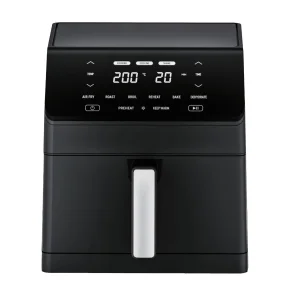
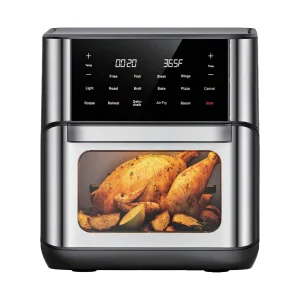
Explore our high-performance kitchen systems manufactured in our smart Industry 4.0 facilities, engineered to handle heavy duty commercial and domestic requirements.

Yam processing is one of the most culturally significant food preparation techniques across West Africa and the Caribbean. Historically, preparing Iyan (pounded yam) required rigorous physical exertion, utilizing a heavy wooden mortar and pestle to mash boiled yam tubers into a smooth, cohesive, and gelatinized dough. As urbanization accelerates and commercial kitchens demand faster turnaround times, mechanical automation has replaced traditional methods.
However, from a food science and rheology perspective, duplicating the exact mechanical kneading, stretching, and structural bonding of starches in yam requires more than a simple food processor or blender. This guide explains the engineering design paradigms of high-end electric yam pounding equipment, global B2B procurement constraints, and China’s optimized manufacturing supply chain.
The process of turning boiled yam tubers (specifically *Dioscorea rotundata*) into a smooth, lump-free paste requires starch gelatinization and physical alignment of amylose molecules. While typical blenders rely on high-speed shearing to slice ingredients, a true yam pounder relies on heavy rotational torque at structured speeds to knead, mash, and compress the starch matrices.
As a leading supplier, our engineering team optimizes motor gearing systems to achieve optimal mechanical output. We integrate heavy-duty motors featuring 100% copper windings paired with planetary gear systems that deliver high torque at moderate RPMs. This mechanical composition prevents the starch particles from breaking down completely into an undesirable sticky, fluid state, ensuring the final dish retains its elastic consistency.
B2B importers, distributors, and kitchen appliance brands face changing market dynamics in the global food equipment market. The demand for electric yam pounder machines spans three main customer groups:
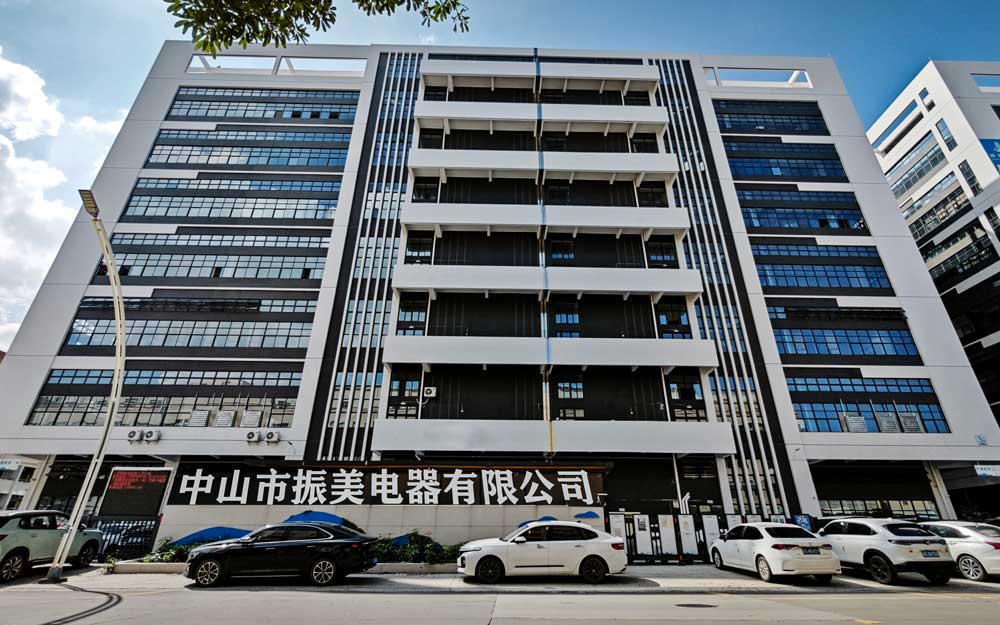
Manufacturing high-torque, durable food preparation machinery requires structural stability, heat dissipation, and motor lifespan control. Operating from our state-of-the-art facility in Zhongshan, we utilize an integrated supply chain model to manage everything from raw material processing to final product testing.
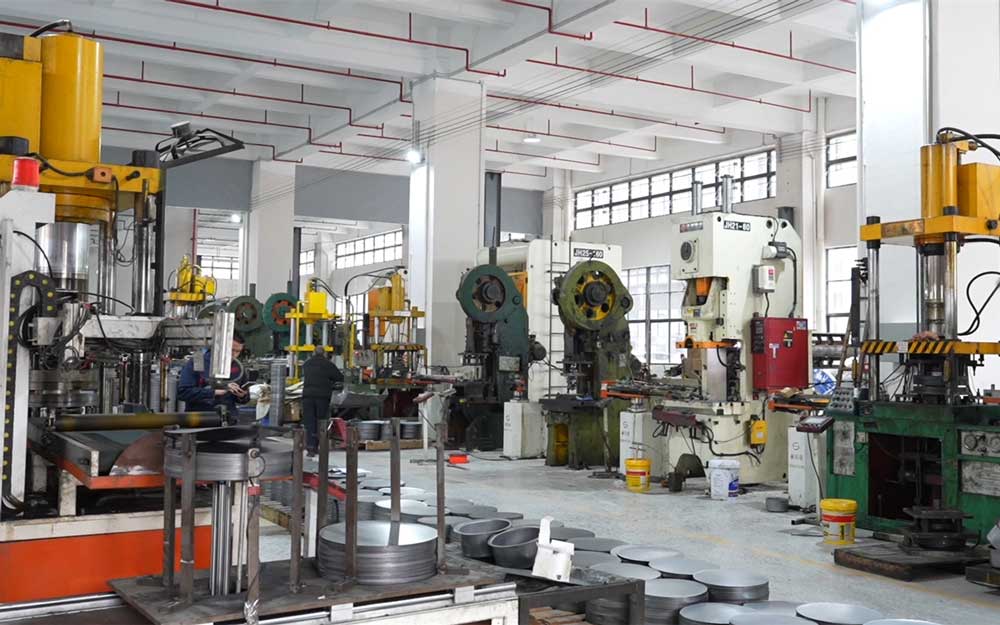
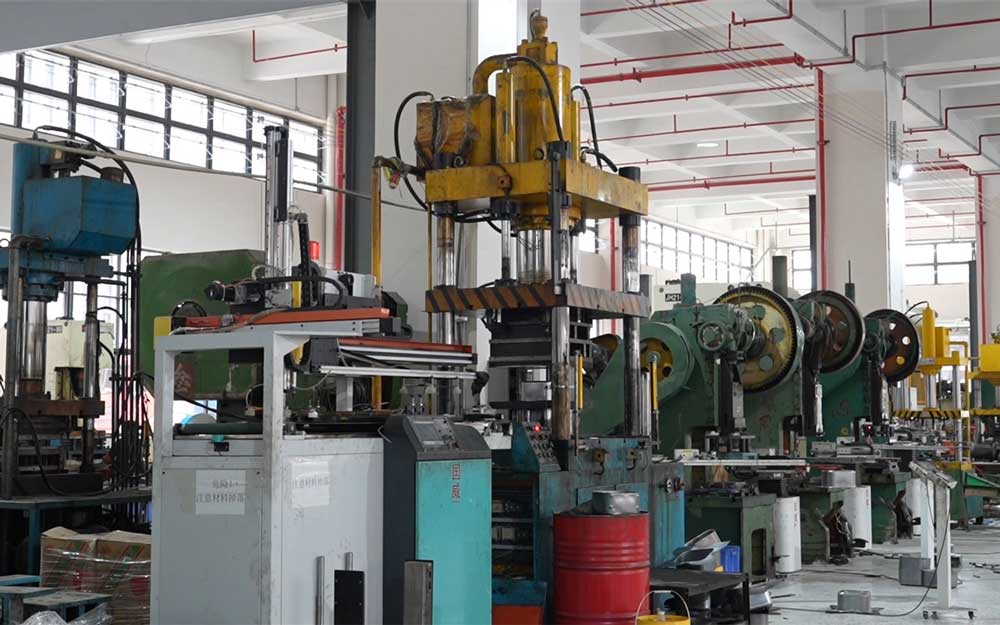
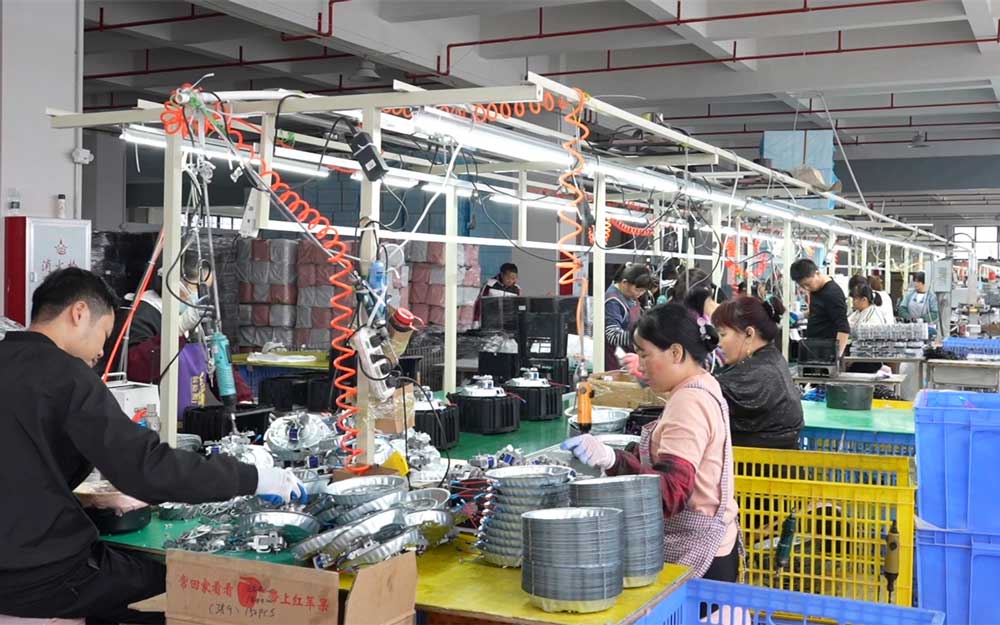
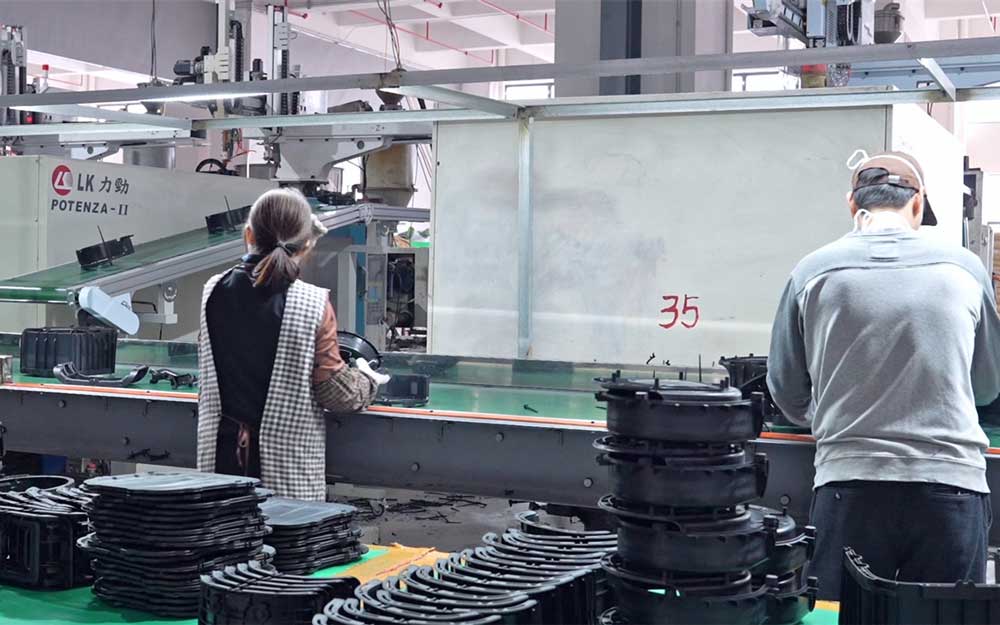
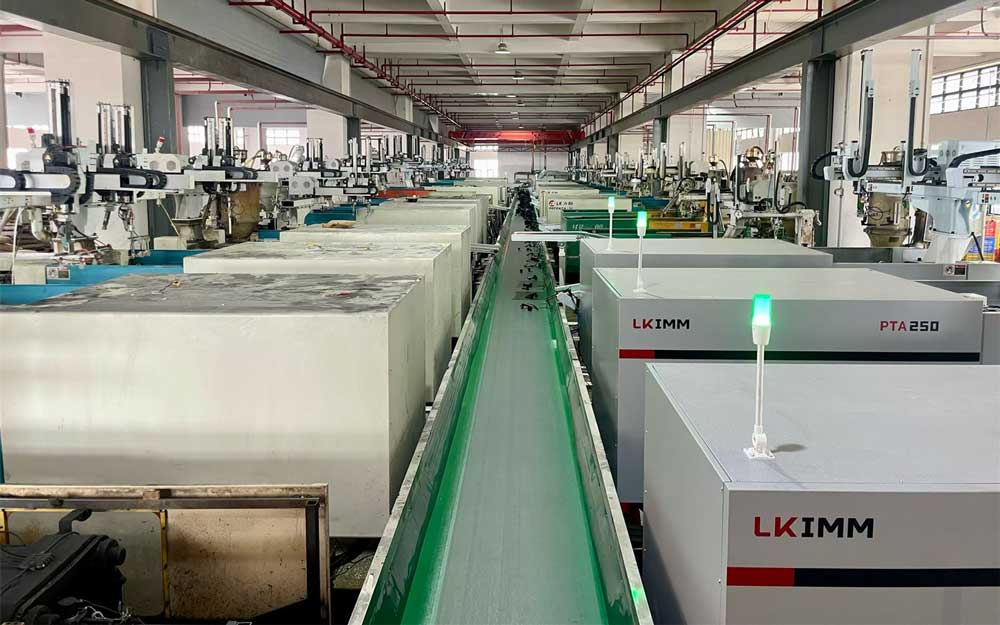
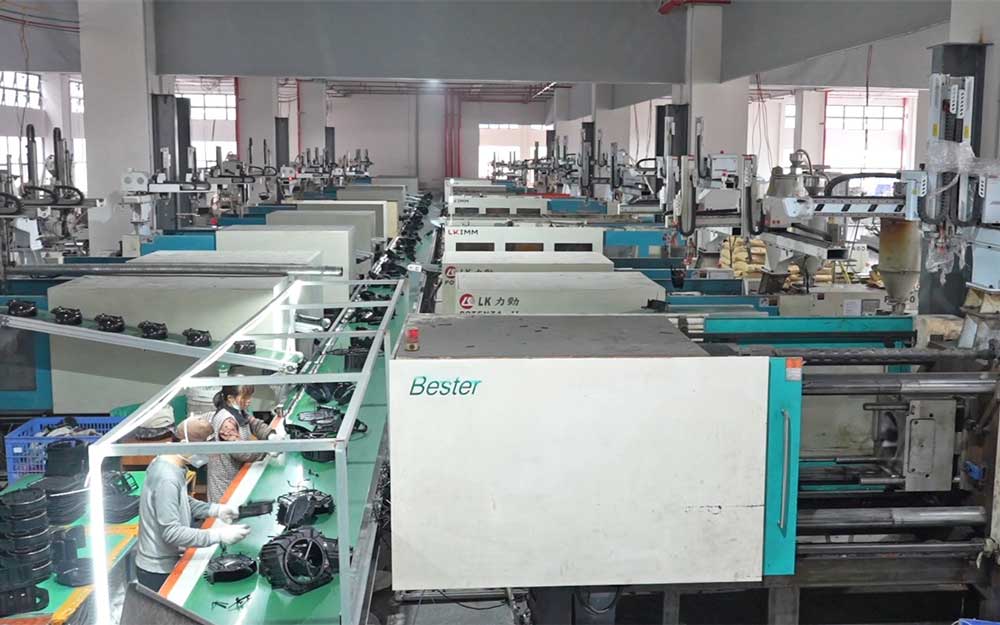
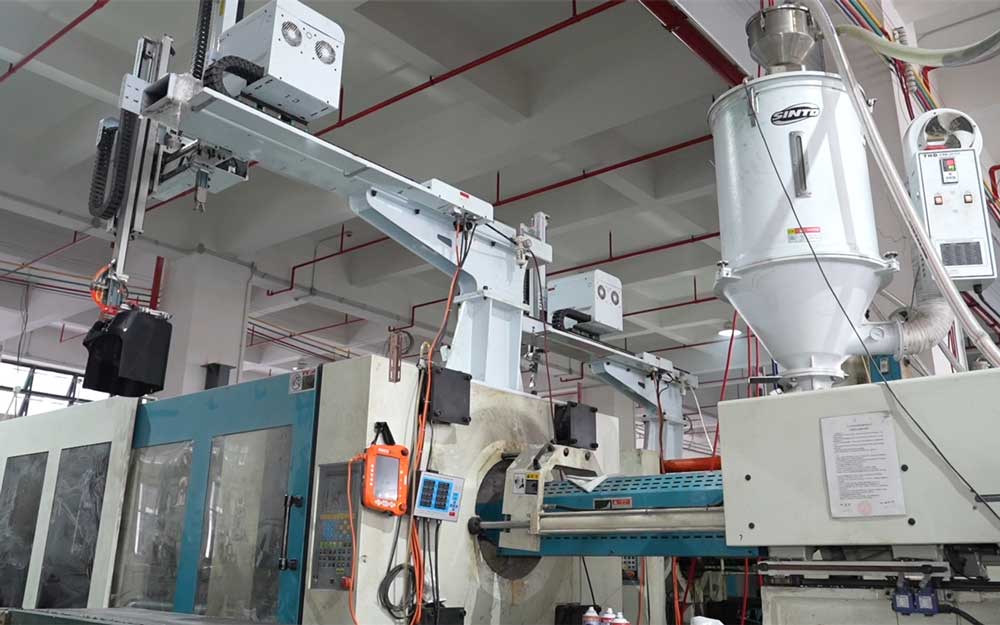
Our facility features automated metal stamping, precision injection molding machines, and robotic motor assembly stations. This setup enables a daily output of over 10,000 units. Our lean manufacturing practices reduce lead times and control costs, passing those savings on to global B2B buyers seeking high-value OEM/ODM solutions.
Food contact safety is critical for B2B procurement managers. Every component of our machinery is selected and tested to meet international standards:
Leveraging deep industrial engineering and component integration to build robust commercial and domestic appliances.
Designed with high-torque copper motors and planet-gear acceleration ratios, our machines process tough tuber starches without stalling or burning out.
Integrated microprocessors monitor temperature profiles, adjusting motor output during extended mashing cycles to ensure continuous operation.
Our outer shells feature shockproof materials paired with internal soundproofing, providing structural durability during high-speed operation.
Tour our state-of-the-art 40,000 sqm production site. Our clean, standardized manufacturing environment ensures consistent, high-quality production runs.


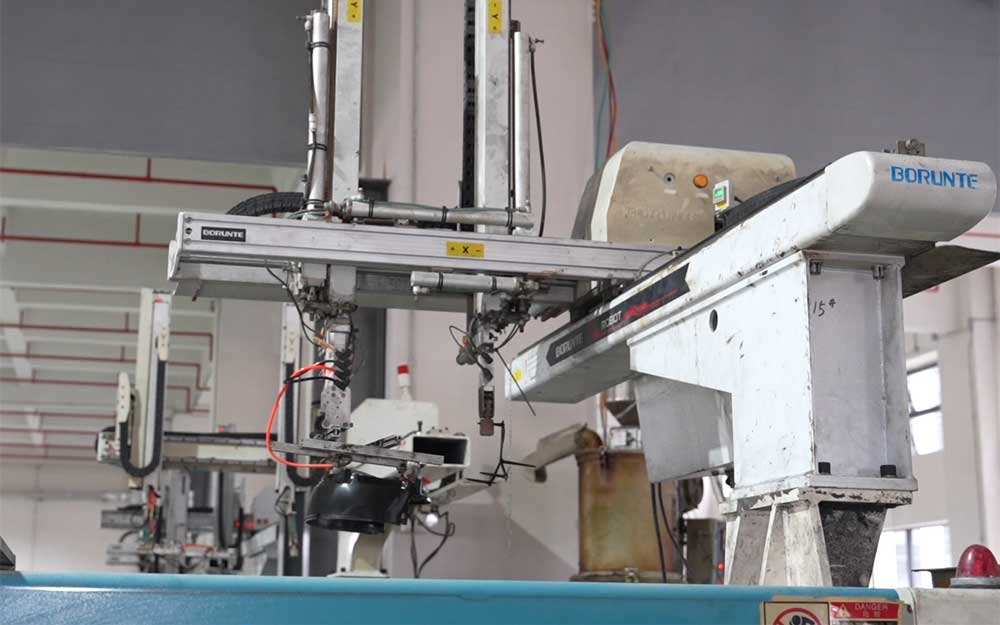
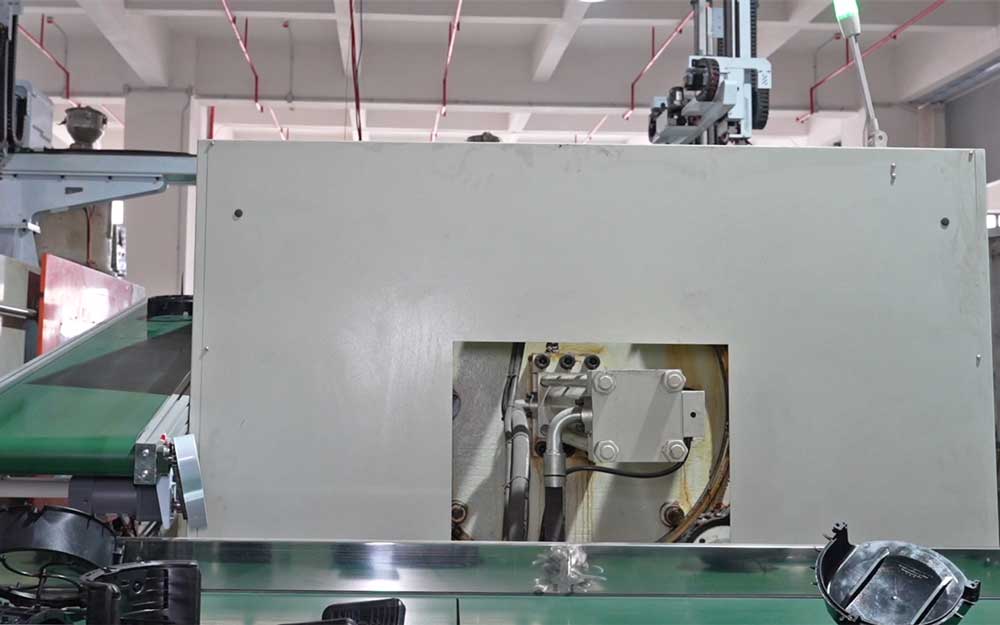
Clear answers to common engineering, procurement, and logistics questions from our B2B customers.
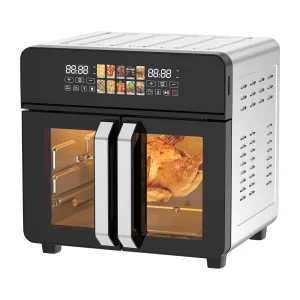
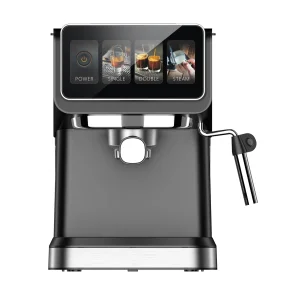
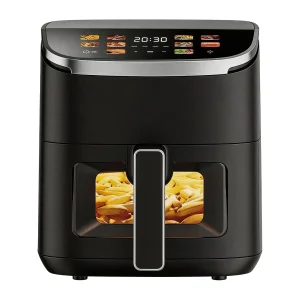
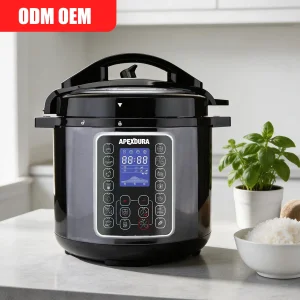
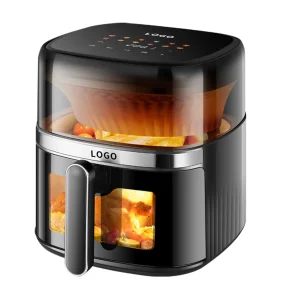
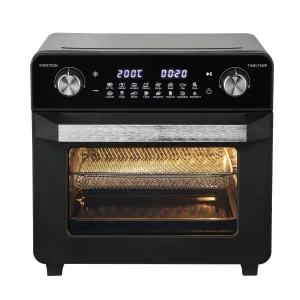
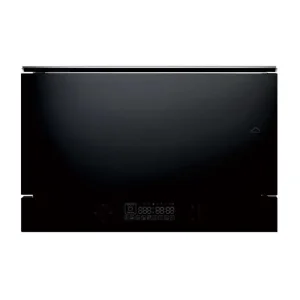
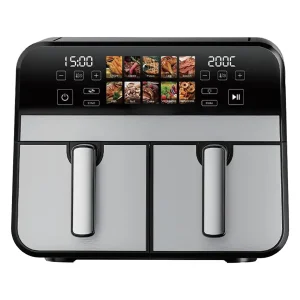
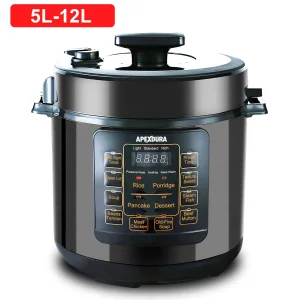
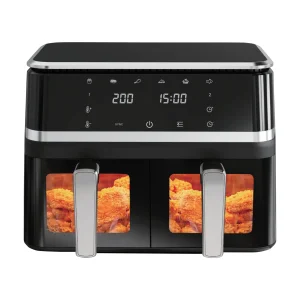
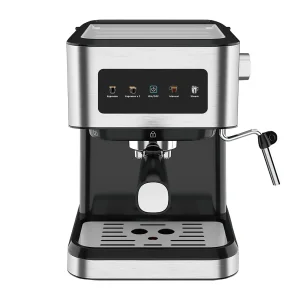
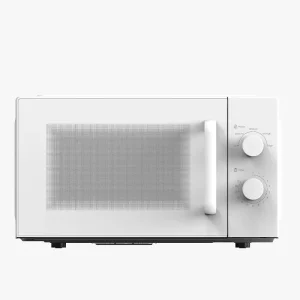
Check out our extended product lineup, featuring steam ovens, dual-basket air fryers, and smart pressure cookers designed to meet diverse customer needs.

 Zhenmei Electrical