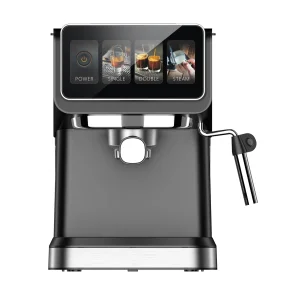
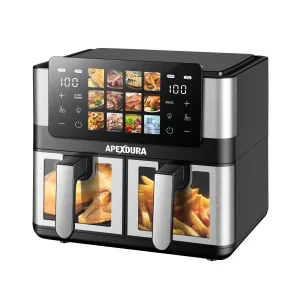
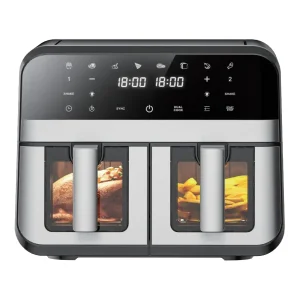
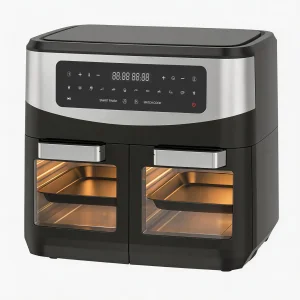
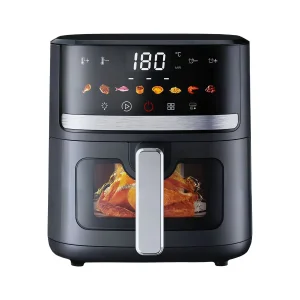
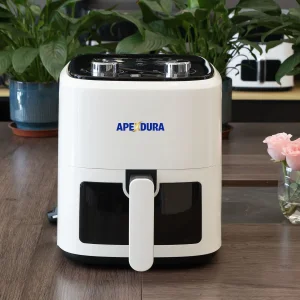
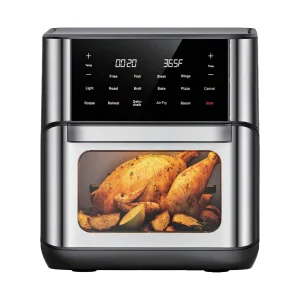
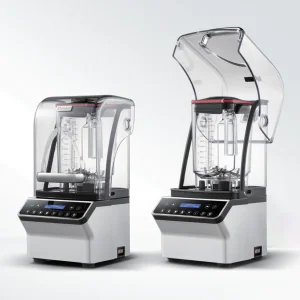
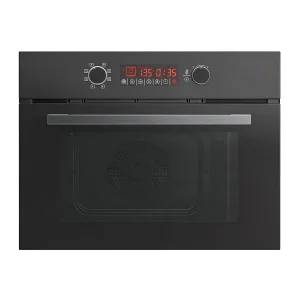
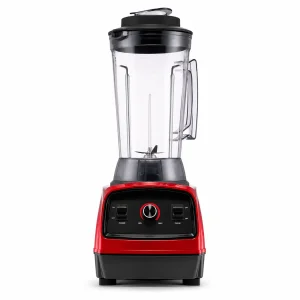
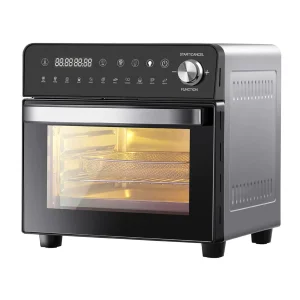
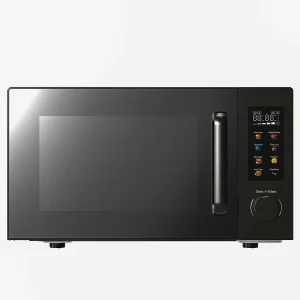
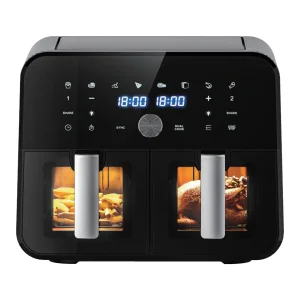
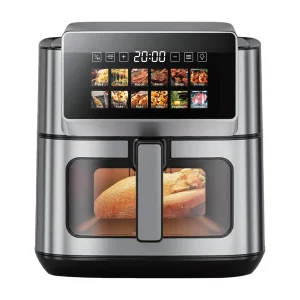
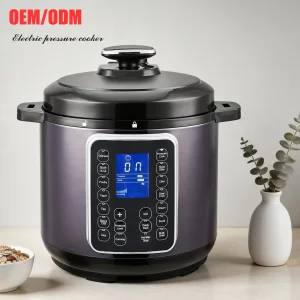
Explore our premium product portfolio designed for high efficiency, simple maintenance, and commercial durability.
Analyzing Maintenance Automation, Engineering Materials, and Design Innovation in Professional-Grade Beverage Systems
In the competitive landscape of small domestic and commercial kitchen appliances, user convenience has evolved from a secondary selling point to a primary purchasing driver. Nowhere is this dynamic more visible than in the coffee machine category. Traditionally, espresso makers, automatic bean-to-cup machines, and capsule brewers required rigorous, complex maintenance. The failure to clean these devices regularly leads to scale buildup, rancid coffee oil deposition, biological growth in pipes, and a drastic drop in extraction pressure. For global B2B buyers—ranging from retail brands and office suppliers to hotel chains—sourcing Easy Clean Coffee Machines directly affects product longevity, return rates, customer satisfaction, and total cost of ownership (TCO).
"Modern 'Easy Clean' design is not merely about detachable parts; it is an integration of hydrophobic surface treatments, automatic fluid dynamics cleaning cycles, and modular brewing chambers that require zero manual scrubbing."
At the core of an easy-to-clean system is the automation of the descaling and flushing sequences. A premium manufacturer integrates programmed solenoid valve controls that direct high-velocity hot water and steam through the internal pipes post-extraction. This thermal shock and high-velocity flush dissolve calcium carbonate and oil residue before crystallization occurs. By incorporating dual-channel fluid systems (separating the milk-steaming pathway from the coffee extraction pathway), modern systems like the CM3160 eliminate cross-contamination and the souring of lactic residues inside the internal piping.
Traditional plastic and copper components in coffee machine brewing units present micro-porosities where mineral particles and oils cling. Advanced factories in China employ food-grade polymers coated with hydrophobic layers (similar to PTFE or ceramic coatings) for critical elements such as the portafilter, the brewing screen, and the drip tray. This ensures that water runs off without leaving mineral residues, drastically reducing the frequency of manual interventions. The outer shells utilize fingerprint-resistant brushed stainless steel and high-gloss ABS, allowing commercial operators and residential users to wipe the machine clean with a microfiber cloth rather than harsh detergents.
"Easy Clean" translates structurally into how fast a consumer or employee can dismantle the product without tools. The core design layout emphasizes a slide-out brewing group, a magnetic clip-on drip tray, and a top-accessible water reservoir. Removing the brewing group takes less than five seconds, allowing it to be rinsed directly under the tap. This structural ease is vital to preventing the growth of mold in warm, moist internal pockets—a common issue identified by health departments globally.
A Premier Global OEM/ODM Appliance Manufacturing Powerhouse
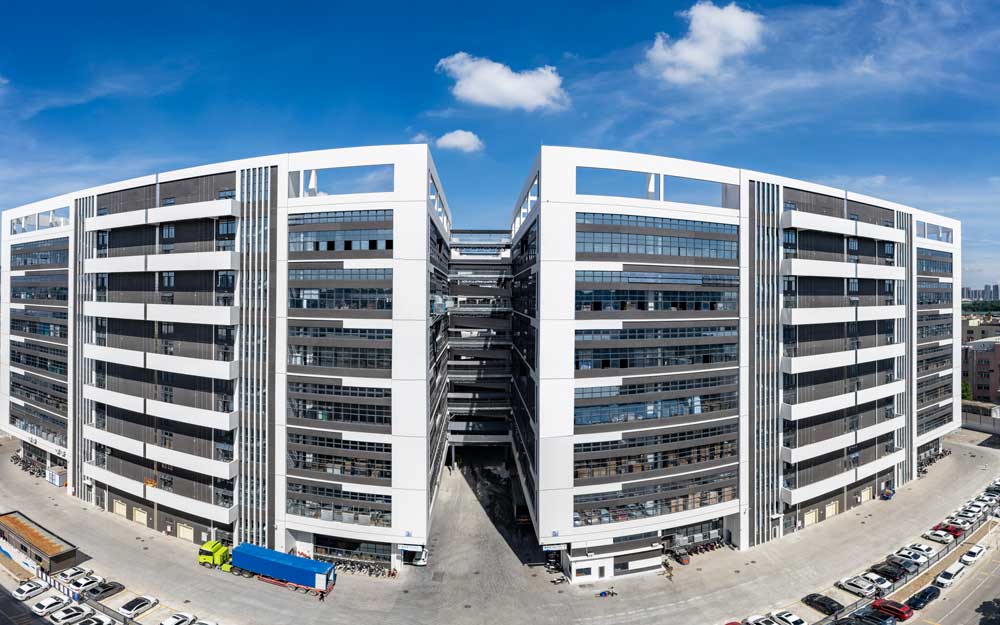
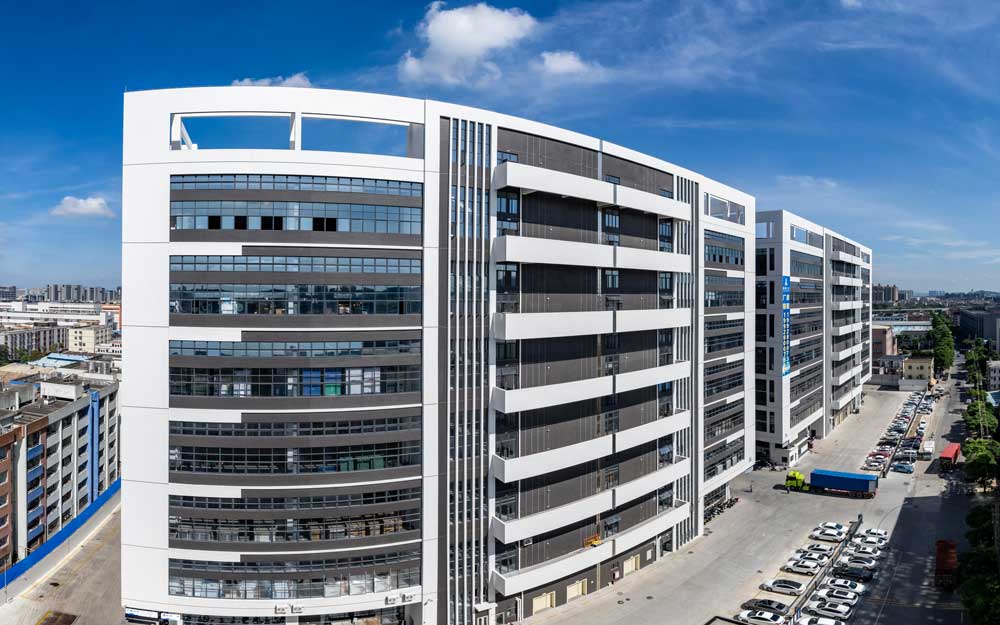
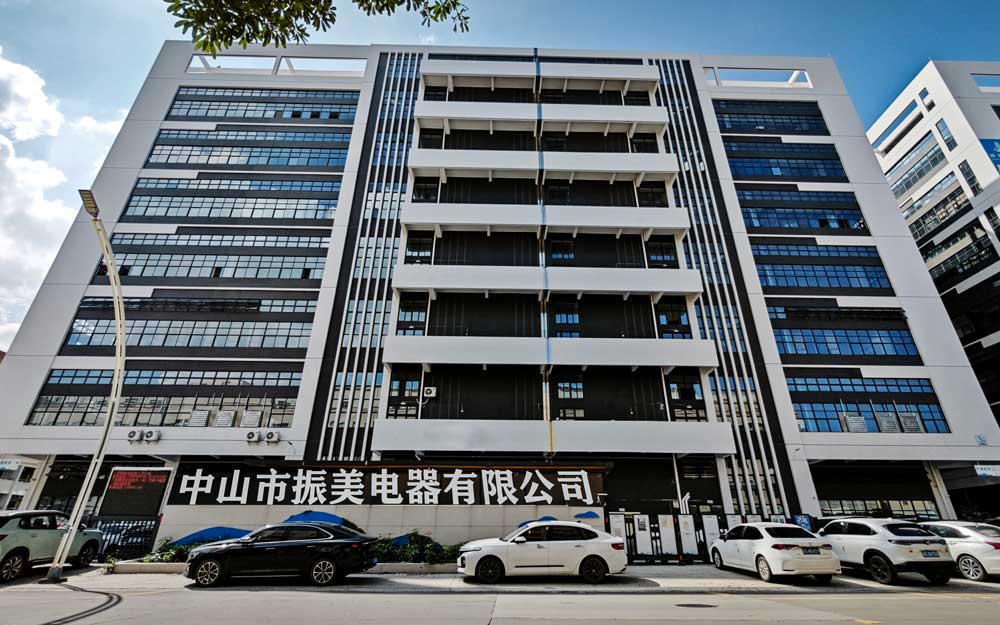
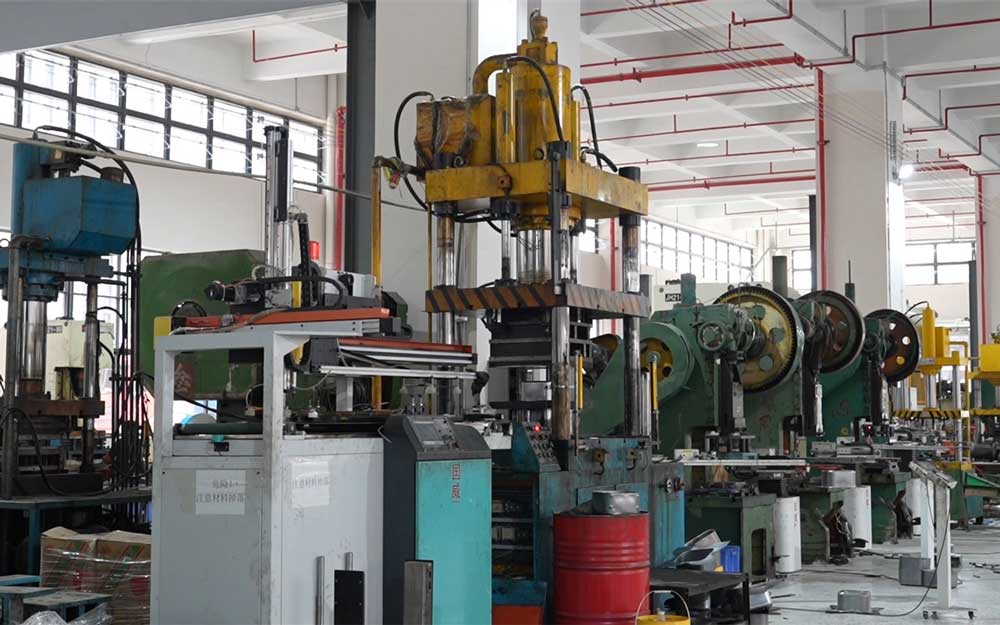
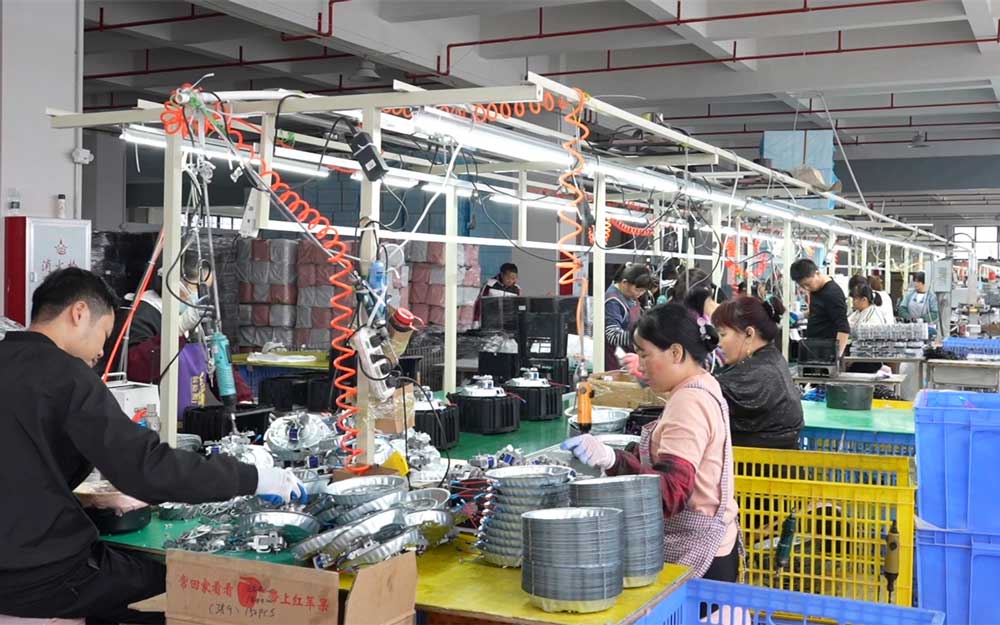
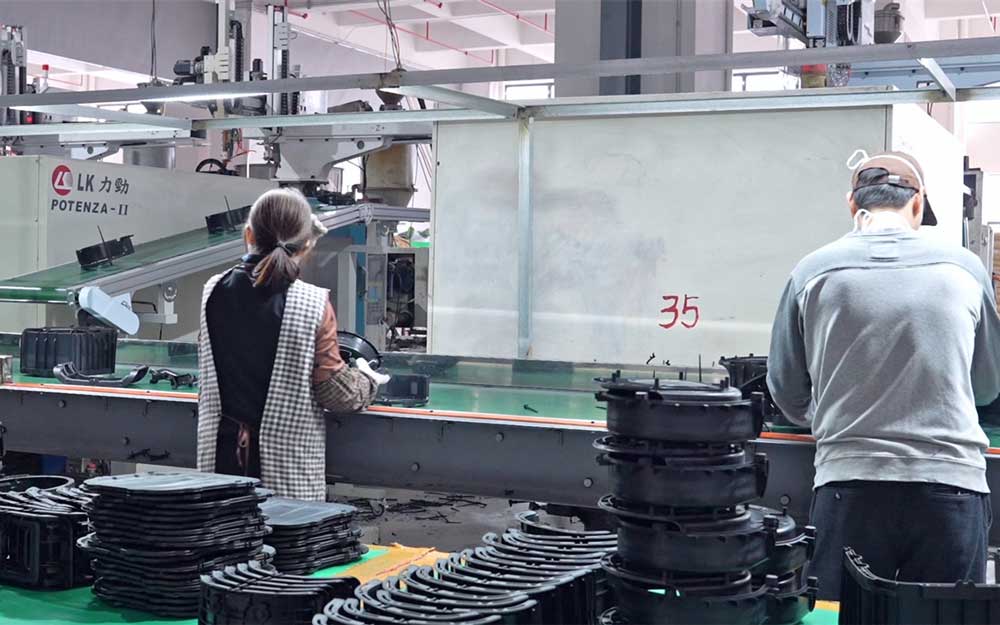
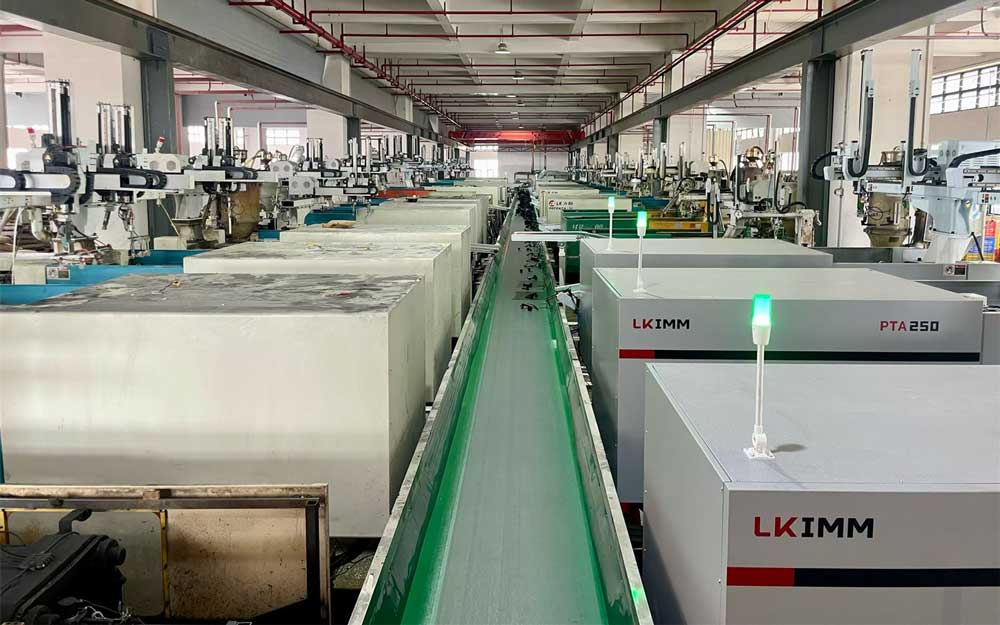
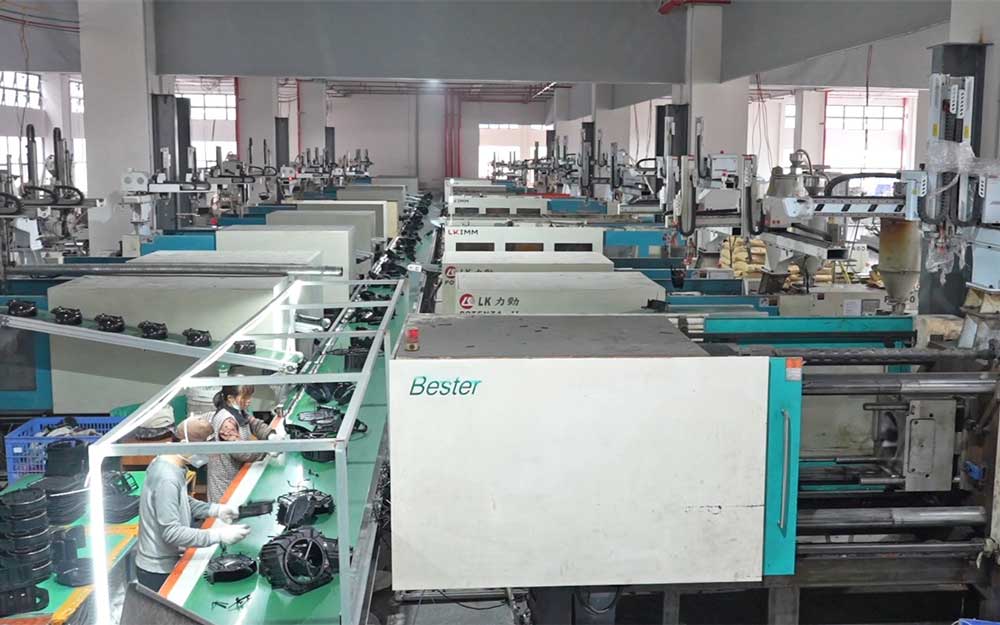
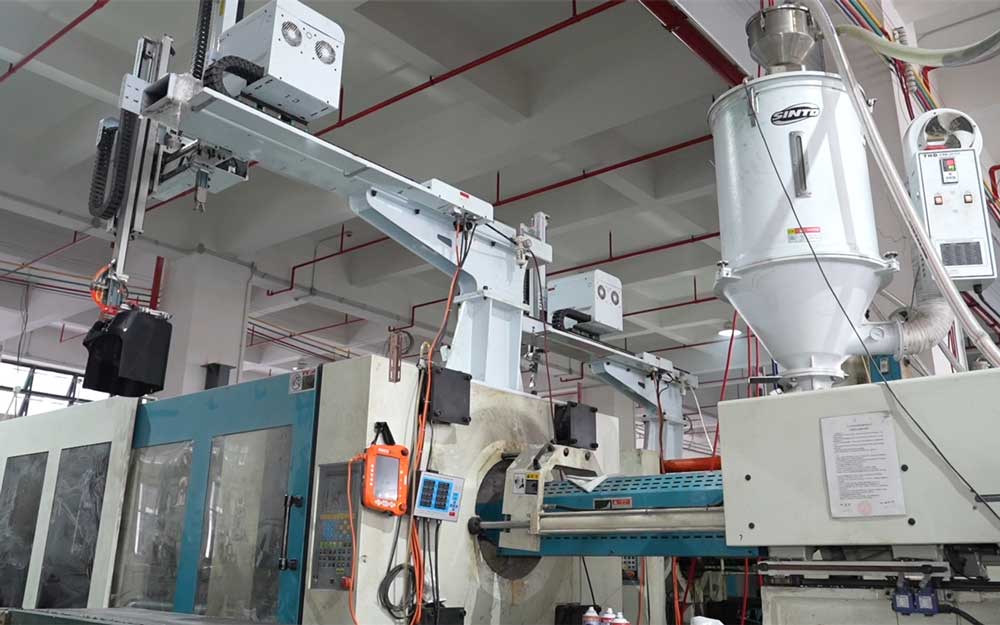
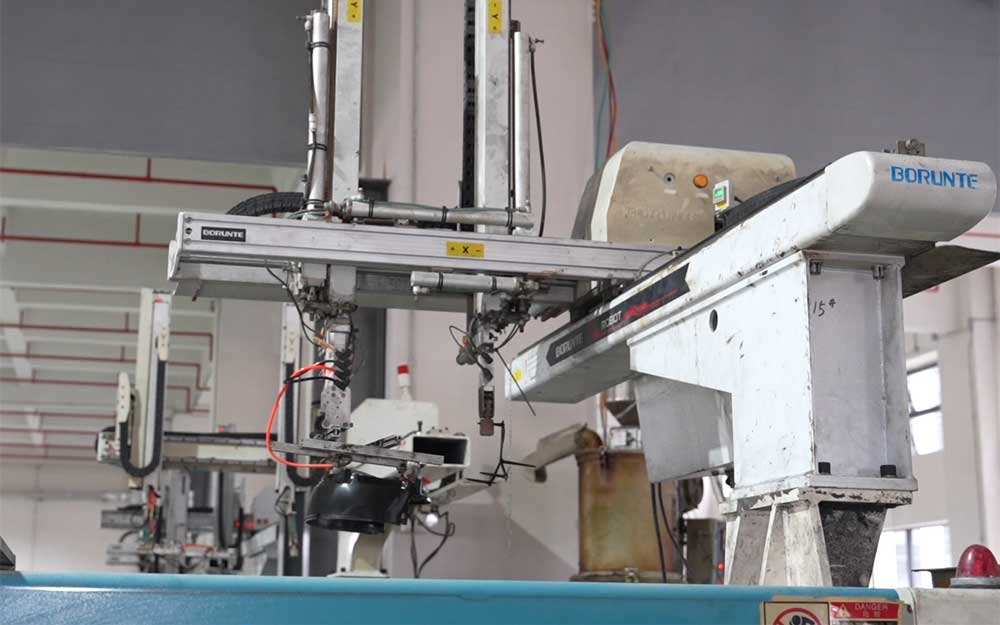
Our strength lies in robust, in-house manufacturing capabilities. Operating from a state-of-the-art 40,000 sqm facility, powered by over 300 dedicated professionals and a team of 20+ specialized R&D experts, we ensure absolute precision, consistency, and control at every stage of production.
Our massive daily output of 10,000+ units reliably satisfies the volume demands of top-tier global brands. We maintain a zero-compromise attitude toward quality, operating under strict international guidelines to ensure safety, durability, and low defect rates.
From initial sketches and engineering designs to mass production and logistics, we offer a seamless, end-to-end service. Choose our years of industry experience, deep supply chain relationships, and industrial capacity to drive your brand’s next commercial success.
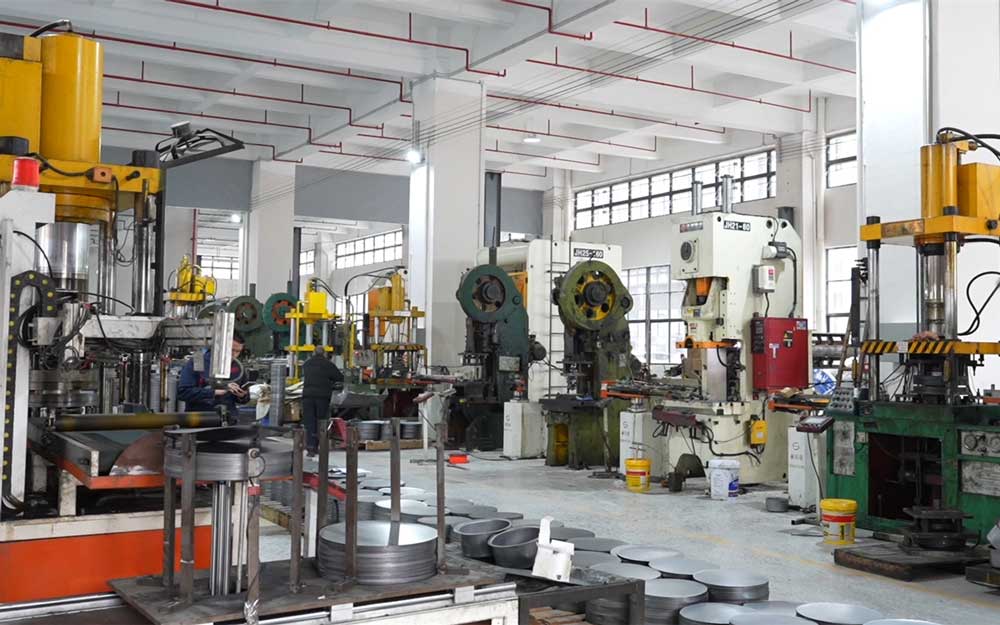
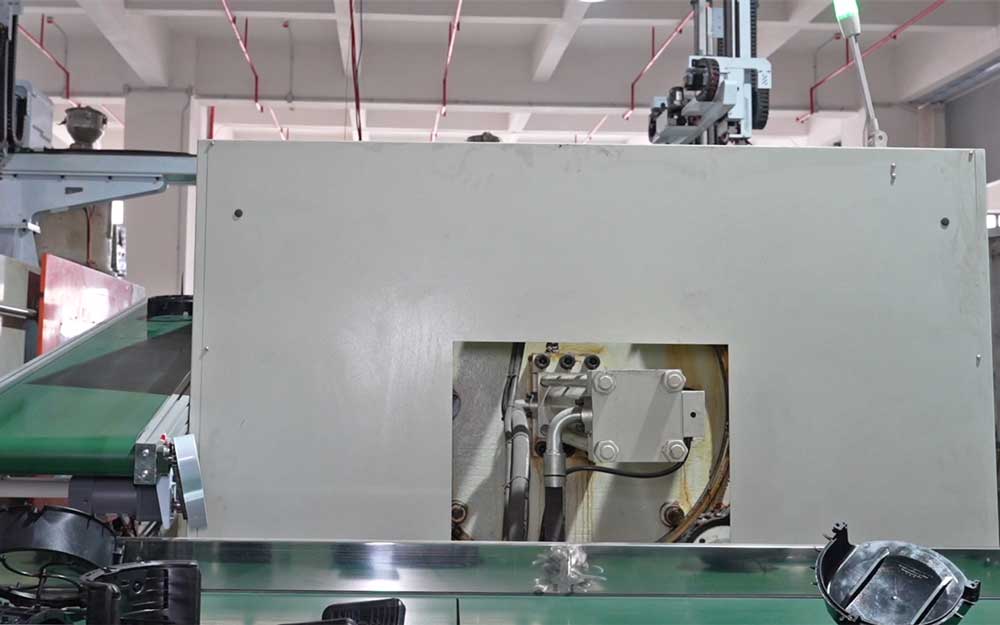
Take a tour of our specialized production workshops, testing laboratories, and assembly lines.
Unlocking Cost Efficiency, Structural Synergies, and Global Logistics Superiority from the Pearl River Delta
China remains the world's epicentre for kitchen appliance manufacturing, particularly for complex electro-mechanical devices like coffee machines. The Pearl River Delta, specifically the Zhongshan industrial cluster, provides unprecedented vertical integration. For international buyers, sourcing from a China-based factory goes beyond labor cost arbitration—it is about speed to market, component ecosystem maturity, and cross-category customization capabilities.
Within a 50-kilometer radius of our Zhongshan facilities, we can source precision-molded plastics, high-grade stainless steel heating elements, reliable micro-switches, control chips (PCBs), and advanced packaging materials. This proximity significantly reduces lead times for prototype iterations. A design modification that would take six weeks in Western markets can be fully prototyped, tested, and certified within 10 days in our facility.
This integrated ecosystem also stabilizes costs. When raw material prices fluctuate globally, our long-term supply agreements and bulk purchasing power mitigate spikes, shielding our global partners from sudden pricing volatility. Furthermore, having injection molding, sheet metal stamping, and assembly under one roof—or closely coordinated—ensures that tolerance variations are caught instantly, eliminating assembly bottlenecks.
With a team of 20+ R&D engineers, we utilize advanced CAD modeling and finite element analysis (FEA) to simulate water flow, temperature distribution, and mechanical fatigue. This capability allows us to offer robust ODM options. If a buyer needs to adapt a standard espresso machine into a smart-connected IoT brewer or integrate a specific milk frothing texture control, our R&D team can implement modifications to the PCB circuitry and structural mold layouts efficiently.
"Supply chain agility is the defining factor in modern retail. A factory that can scale daily production while maintaining strict quality parameters protects its buyers' market share during peak demand windows."
Located near major international shipping hubs like Guangzhou, Shenzhen, and Hong Kong, our factory offers robust logistics options. Whether shipping FOB, CIF, or coordinating direct-to-warehouse logistics for major e-commerce platforms, our proximity to deep-water ports reduces domestic transport times and customs friction. We handle all export documentation, custom clearances, and compliance paperwork, ensuring a seamless transaction for global procurement teams.
Bridging Regional Regulations, Enterprise Quality Assurance Systems, and Localized Service Integration
For global brands, sourcing appliances from overseas is not just about unit price; it involves risk management. A single non-compliant shipment or a high field-failure rate can wipe out retail margins and damage brand equity. Enterprise procurement departments prioritize three key pillars when selecting a manufacturing partner: regulatory compliance, rigorous quality control systems, and localized after-sales support.
Kitchen electrical appliances operate under strict electrical safety, materials, and food-contact regulations. A reliable OEM partner must align its manufacturing lines with target market rules. These include:
During the R&D stage, we verify every elastomer gasket, boiler alloy, and plastic housing to confirm they are chemical-migration-free, BPA-free, and heat-resistant. This ensures that when products arrive at customs, they pass testing and go straight to retail shelves.
At Zhongshan Zhenmei, we enforce a strict quality control (QC) pipeline from inbound raw materials to final packaging:
Sourcing overseas can complicate customer service. To address this, we offer robust warranty and support options to our OEM/ODM partners:
Adapting Kitchen and Beverage Solutions to Diverse Global Environments and Consumer Segments
Consumer preferences and operating environments vary significantly across regions. A standard appliance configuration that excels in a European kitchen might not meet the expectations of a North American office or a portable RV setup in Australia. Successful brands adapt their product lineups to these specific scenarios.
In Europe, espresso quality is paramount. Coffee machines must achieve the ideal extraction pressure (15-20 Bar) and maintain precise water temperature. Additionally, because EU energy rules are strict, machines must feature auto-power-off states and high thermal efficiency boilers. Easy-clean functions are highly valued because European consumers prioritize hygienic safety and unit longevity. Space-saving designs are also crucial due to smaller European counter spaces.
North American buyers look for high volume, ease of use, and speed. Multi-functional or larger reservoir designs are popular here. The "Easy Clean" feature is critical in shared spaces like corporate break rooms, where users expect simple push-button self-cleaning cycles rather than manual disassembly. Strong compliance with FDA standards is a must for these commercial and semi-commercial settings.
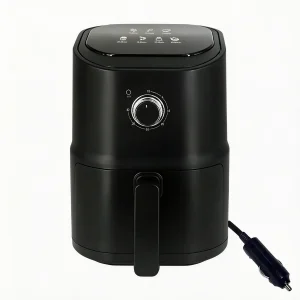
With the rise of outdoor recreation and van life, there is growing demand for low-voltage or compact appliances. For example, our 24V Car Air Fryer (3L) targets truck drivers, campers, and RV owners who need reliable appliances that operate within vehicle electrical limits. These mobile environments require vibration-proof construction, secure door latches, and easy-to-wash interior pans, showing how core appliance technology can adapt to unique outdoor scenarios.
Deep Technical and Commercial Answers for Procurement Managers and Brand Distributors
Reliable commercial and domestic kitchen technology, built to international safety standards.
 Zhenmei Electrical