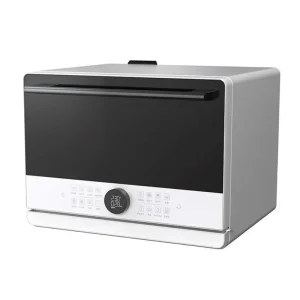
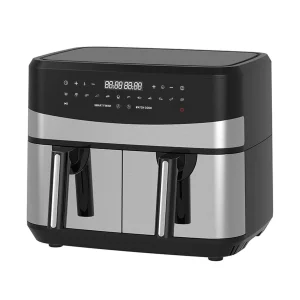
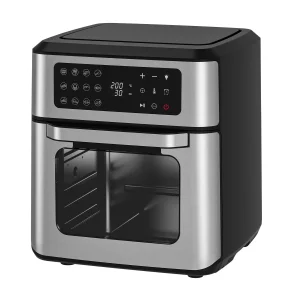
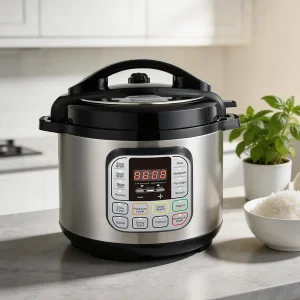
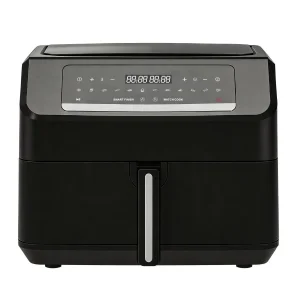
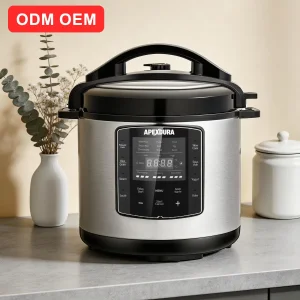
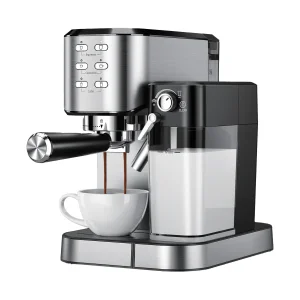
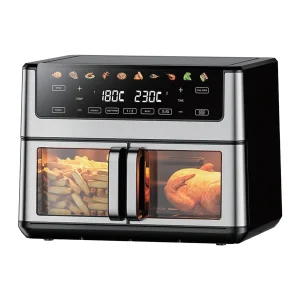
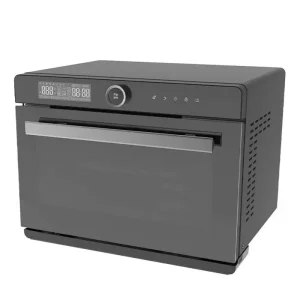
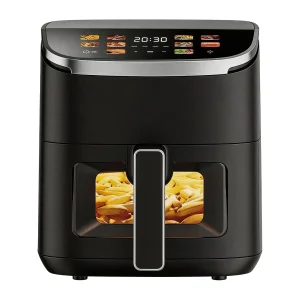
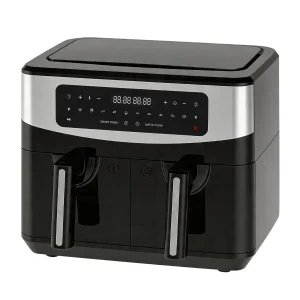
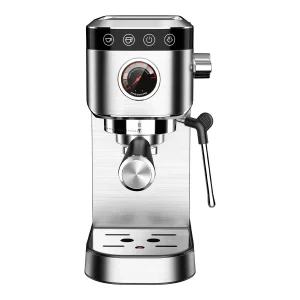
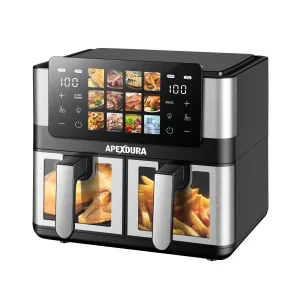
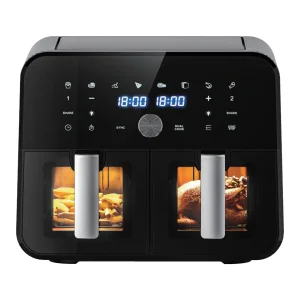
Explore our precision-engineered core appliance lineup. Built with high-grade components for superior thermal efficiency, mechanical endurance, and international safety compliance.
Staple foods across West Africa, Central Africa, and the Caribbean—most notably Fufu, Poundo Yam, Eba, and Amala—have historically relied on manual preparation methods that require intense physical labor and significant preparation times. Traditional pestle-and-mortar pounding, while culturally rich, presents substantial hygiene challenges, inconsistent texture control, and high physical strain, making it incompatible with modern urban lifestyles and commercial sanitation standards.
As urbanization accelerates across the West African region and the global diaspora expands within North America and Europe, the demand for industrialized, automated solutions has surged. Commercial eateries, central kitchens, and modern households are actively replacing traditional tools with durable, mechanical fufu making machines. This transition is not merely a matter of convenience; it represents a fundamental shift toward food safety, labor optimization, and commercial scale. Industrial operators require heavy-duty machines capable of handling highly viscous starch mixtures continuously without thermal cutout or mechanical failure.
Why Chinese supply chains stand as the global benchmark for mechanical integrity, industrial-grade thermal dissipation, and long-term durability in high-torque food processing equipment.
Processing cooked yam, cassava, or plantain flours into a cohesive, elastic dough generates extreme resistance. Standard domestic food processors or lightweight blenders quickly overheat and burn out their motors under these high-viscosity conditions. Designing a truly durable fufu making machine requires deep technical expertise in mechanical drive systems, thermal cooling pathways, and food-grade metallurgy.
Our engineering research focuses on three critical pillars to prevent structural wear and drive unit failure:
Unlike cheaper copper-clad aluminum (CCA) motors, our heavy-duty models utilize 100% oxygen-free pure copper windings. This guarantees lower electrical resistance, reduced heat generation, and significantly longer runtimes. Combined with Class F insulation ratings, our motors can withstand internal temperatures up to 155°C without compromising winding integrity.
High-viscosity starches quickly shear plastic gears. We implement all-metal planetary reduction gearboxes with hardened steel teeth. This transfers rotational energy from the motor shaft to the mixing paddle with zero gear slippage and minimal frictional wear over millions of rotations.
Equipped with dual-fan active convection cooling, our chassis design ensures hot air is continually pulled away from the motor block. In the rare event of overloading, smart thermal sensors prompt an automated cutoff circuit before any component damage occurs.
| Technical Parameter | Standard Consumer Grade | Our Commercial / Heavy-Duty Grade | Strategic Operational Benefit |
|---|---|---|---|
| Motor Winding | Copper-clad Aluminum (CCA) | 100% Oxygen-Free Pure Copper | Lowers resistance; prevents rapid thermal degradation. |
| Gear Construction | Plastic / Nylon Blend | Hardened Steel Planetary Gears | Eliminates teeth stripping under high shear forces. |
| Insulation Class | Class B (130°C max) | Class F (155°C max) with thermal sensor | Extends operational runtimes during back-to-back prep cycles. |
| Chassis & Bowl | Thin Grade 201 SS or Plastic | AISI 304 Food-Grade Stainless Steel | Resists acids, organic salts, and mechanical abrasion. |
Leveraging the robust manufacturing framework of Zhongshan Zhenmei Electrical Appliance Co., Ltd. to deliver premium OEM/ODM solutions worldwide.
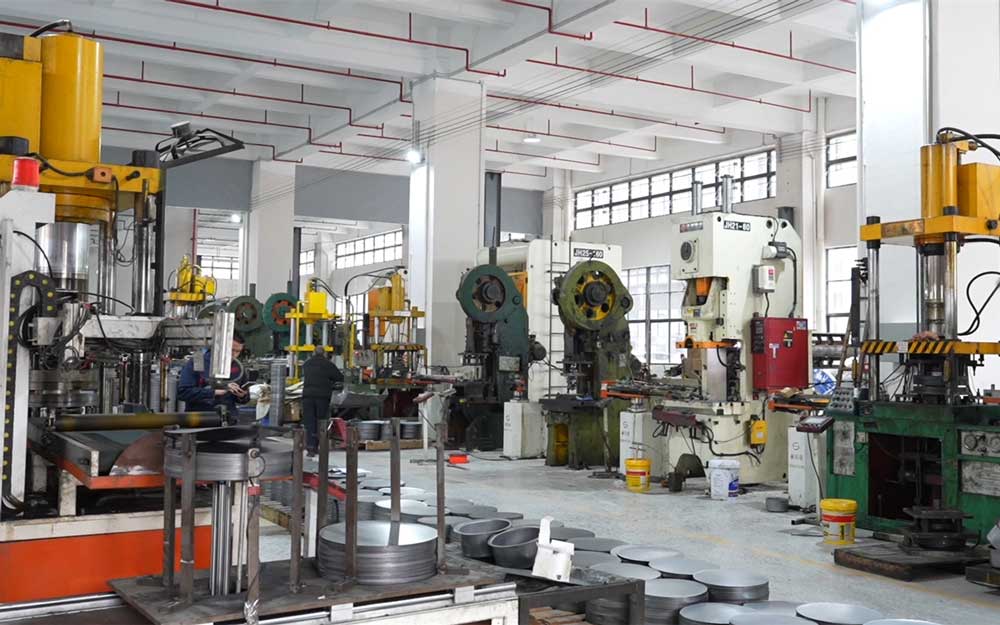
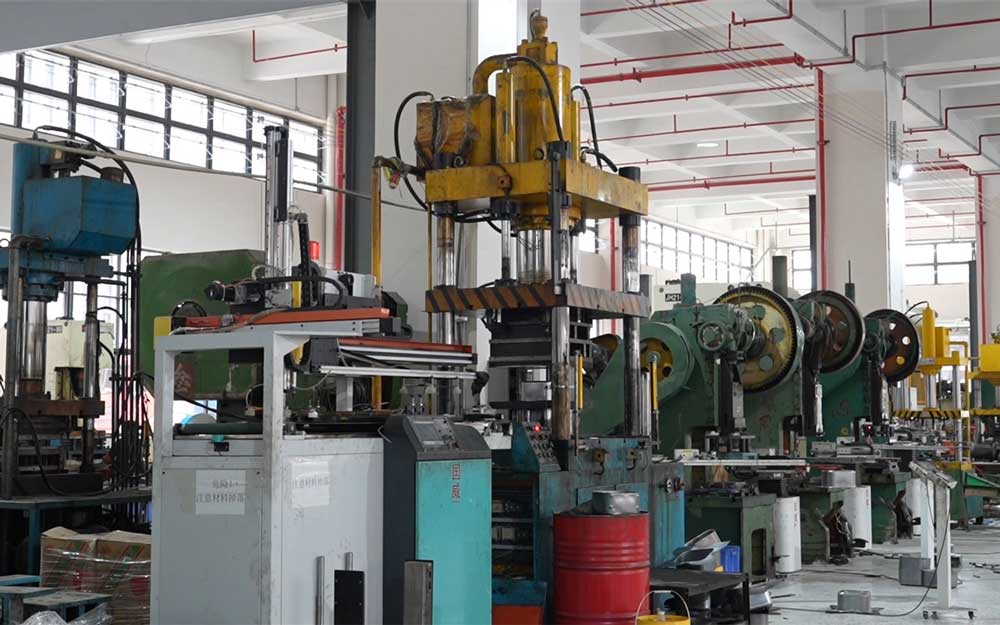
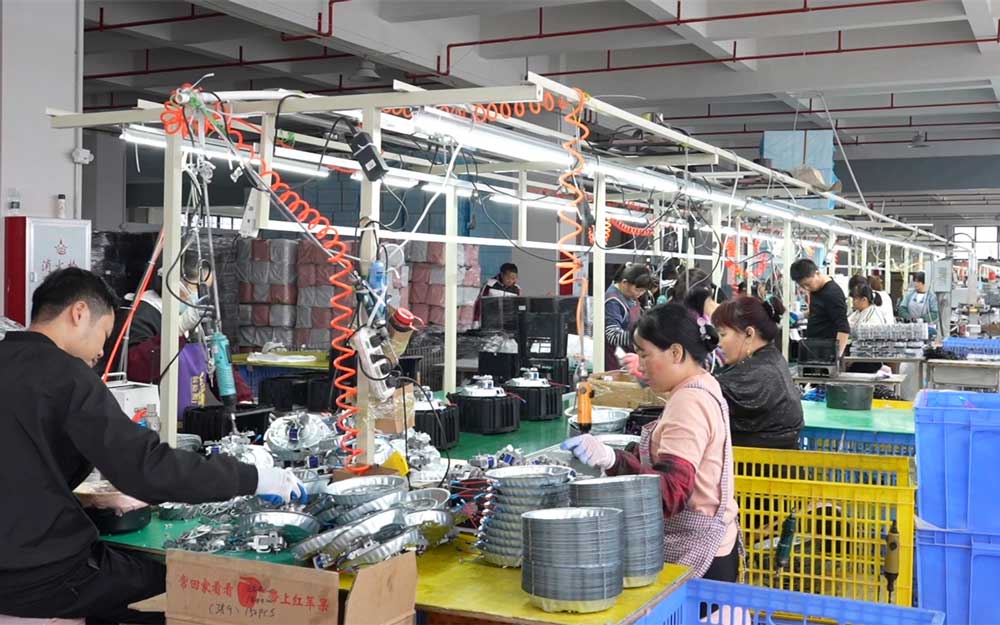
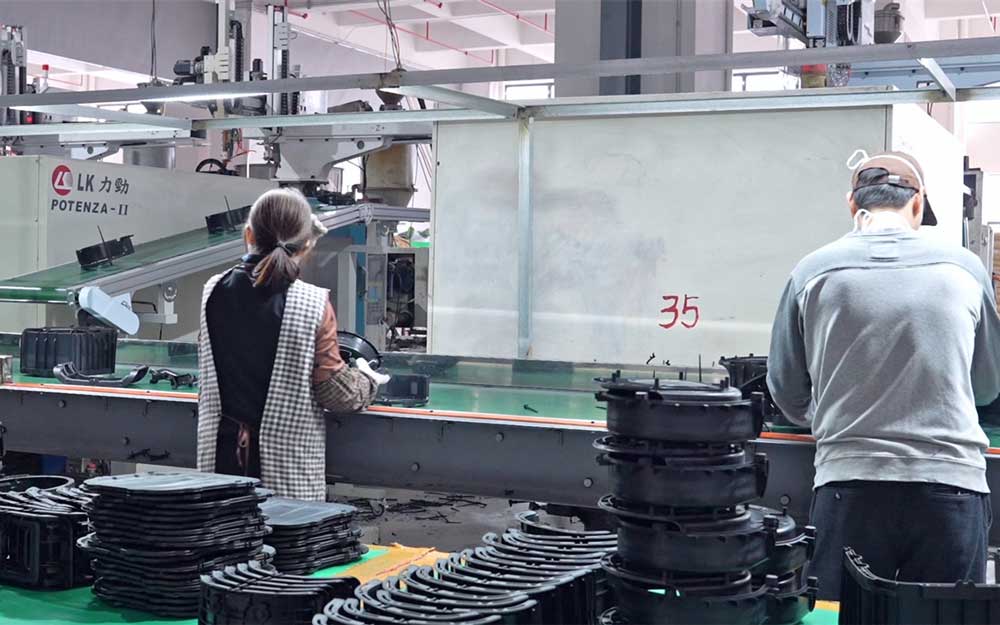
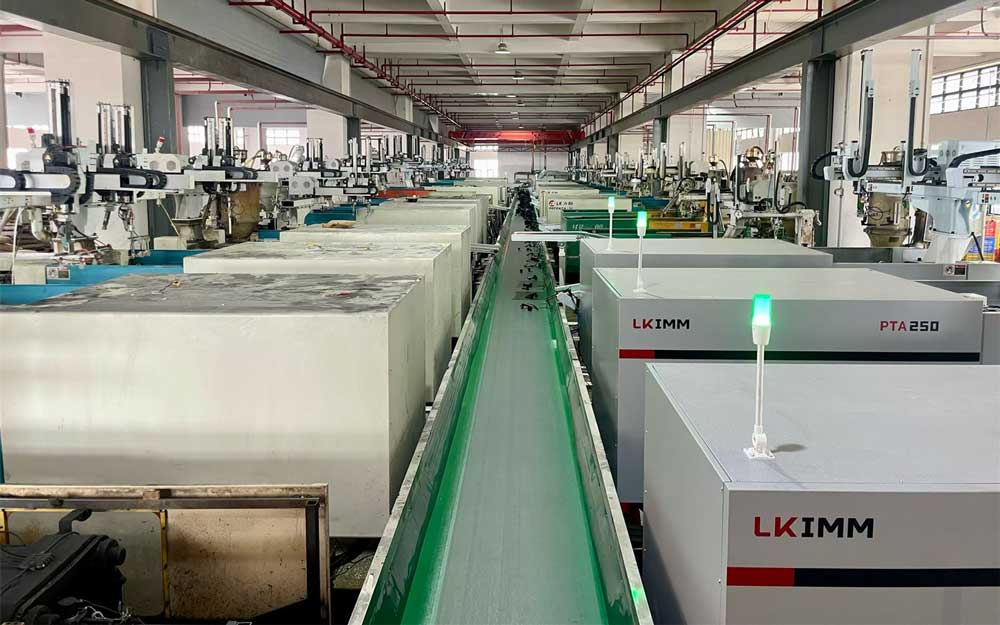
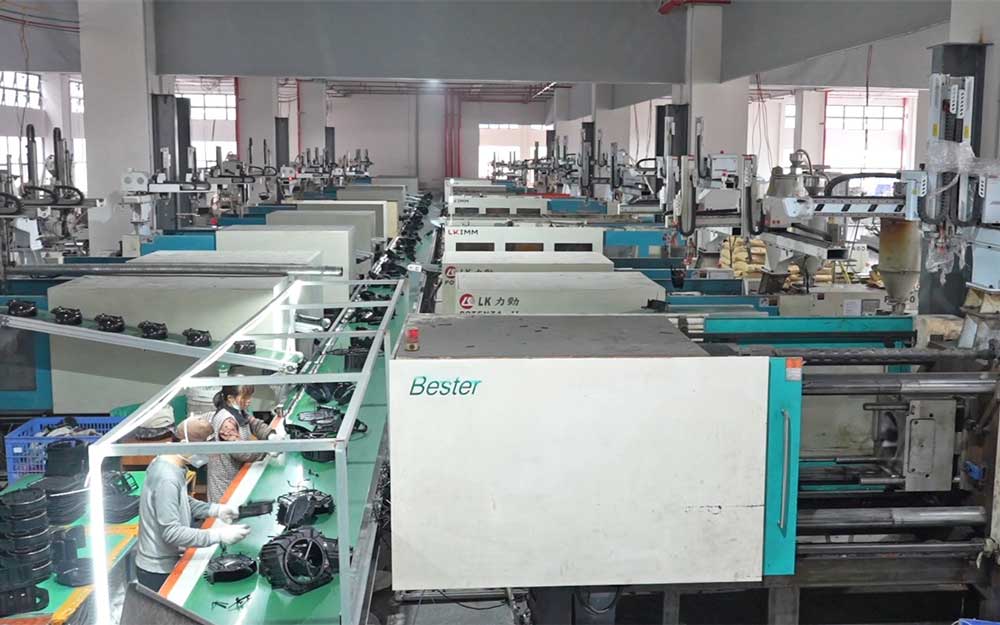
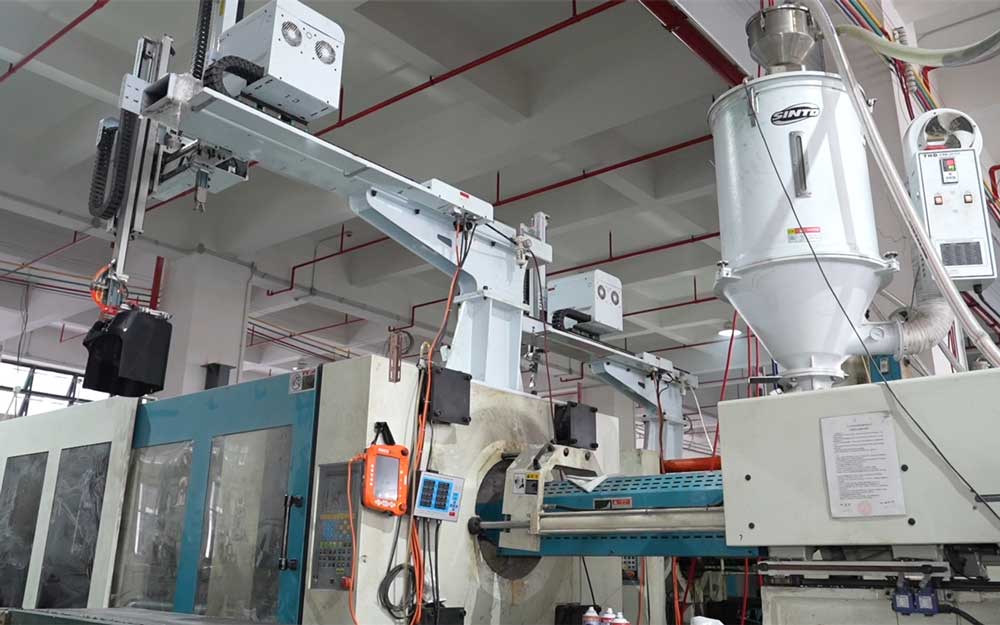
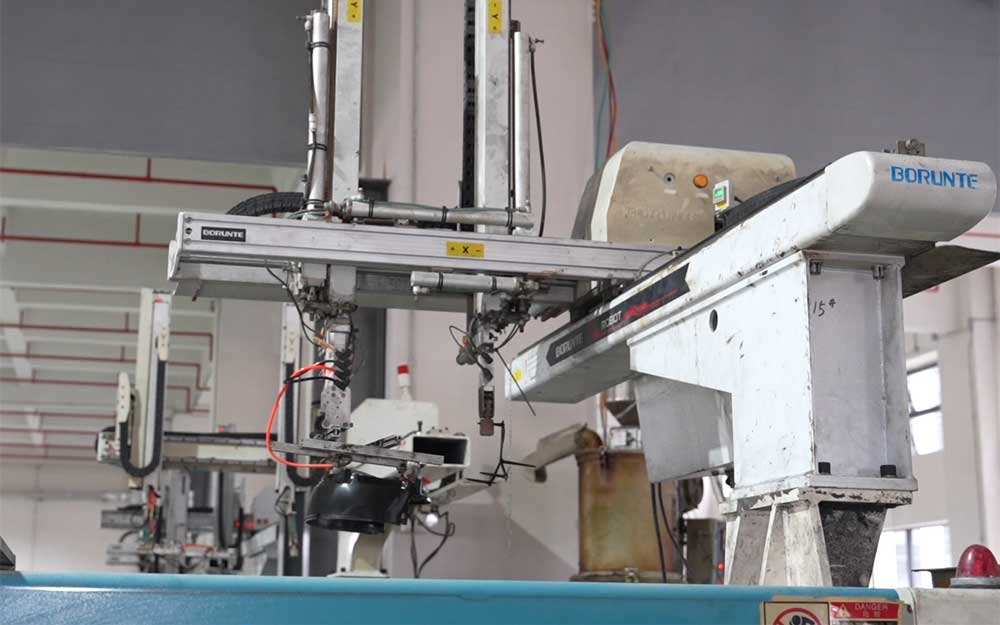
Operating out of Zhongshan, China—the global capital of kitchen appliance manufacturing—our facility provides unmatched vertical integration. Our 40,000 square meter factory floor houses heavy-duty metal stamping presses, high-precision automated injection molding machinery, dedicated motor assembly lines, and rigorous QC testing centers.
Because we control the entire production pipeline, from raw sheet metal to finalized electronic components, we offer custom development capabilities that foreign competitors cannot match. Our team of 20+ R&D engineers works closely with global B2B buyers to customize voltage standards, safety protocols, blade geometries, and cosmetic finishes.

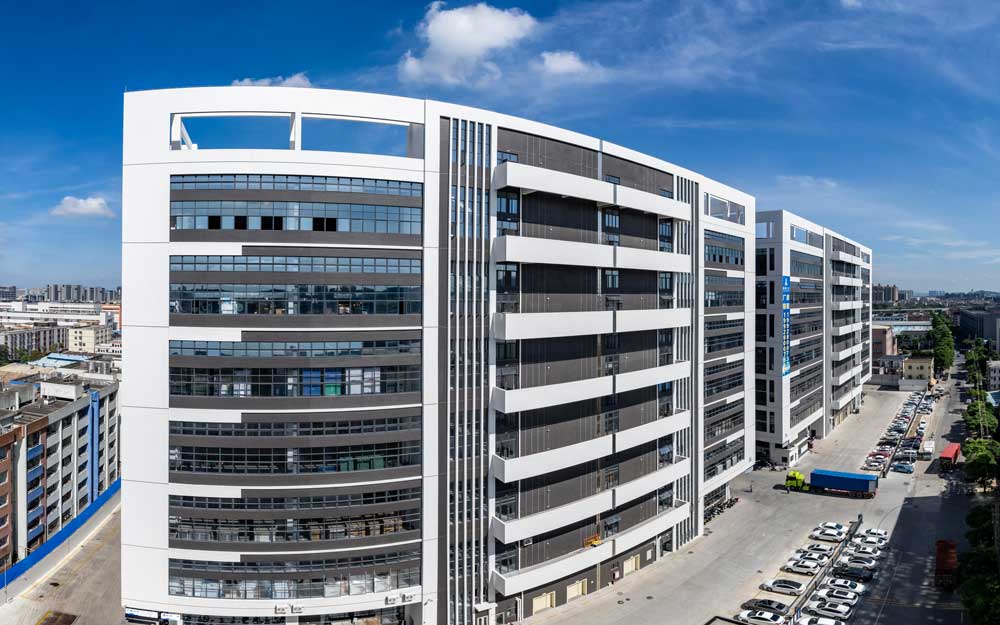
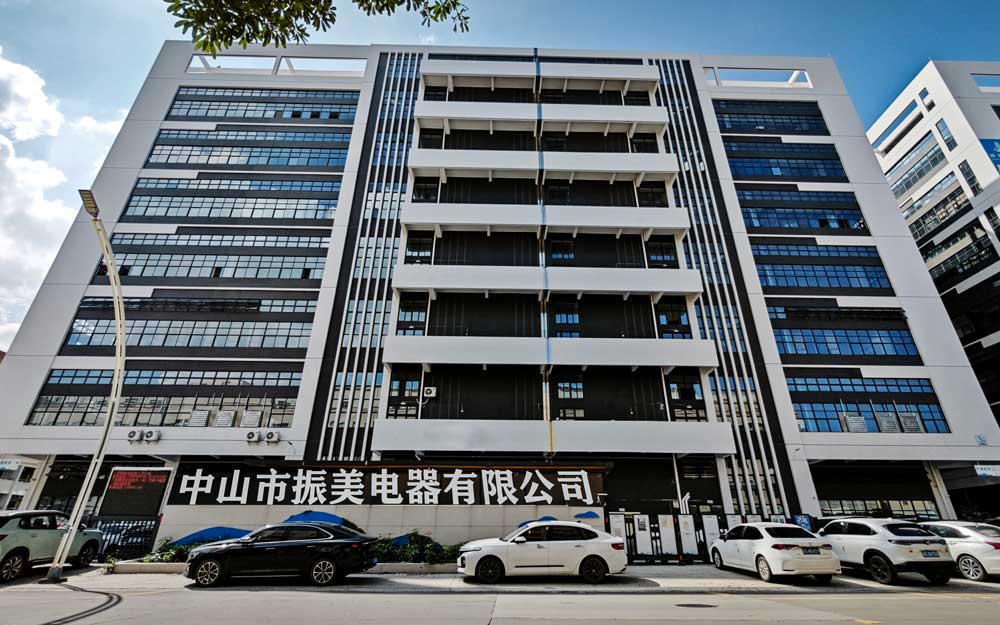
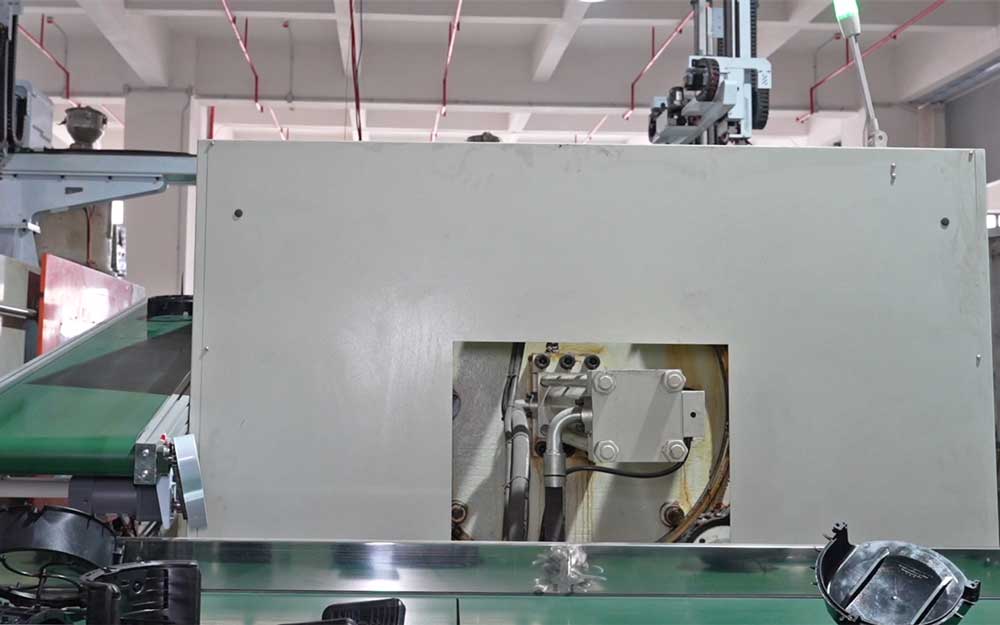
Adapting machinery for localized culinary styles and integrating next-generation smart automation.
Depending on the region, staple ingredients differ, requiring custom torque-speed profiles to ensure smooth processing:
As smart kitchens evolve, we are integrating next-generation technologies into our new models:
B2B procurement teams must carefully evaluate technical parameters to ensure safety, reliability, and local electrical compatibility.
For international distributors, appliance importers, and restaurant supply chains, sourcing durable kitchen machinery requires thorough compliance with local safety standards. Our export lines are fully certified and ready for distribution in global markets.
We supply products tailored to standard international voltage requirements: 220V-240V at 50Hz/60Hz (for African and European markets) and 110V-120V at 60Hz (for the North American market). All units carry CE, CB, RoHS, and LFGB food-grade contact clearances, ensuring smooth customs processing and hassle-free retail distribution.
Our quality control team ensures that every batch meets the highest standards:
Technical and commercial answers for B2B distributors, importers, and sourcing managers.
Complete your product catalog with our expanded range of B2B kitchen appliances. Engineered for commercial reliability and modern user convenience.
 Zhenmei Electrical