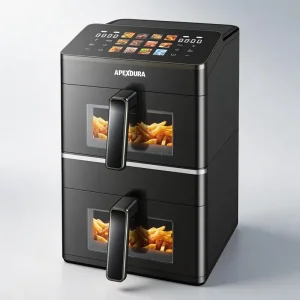
Explore our core engineering capabilities ranging from advanced dual-basket air fryers to commercial-grade beverage equipment.
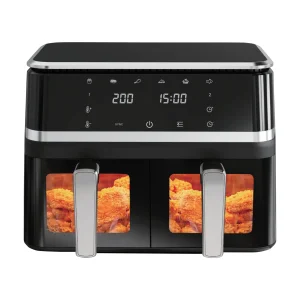
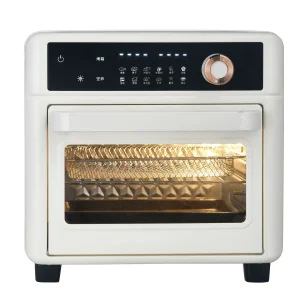
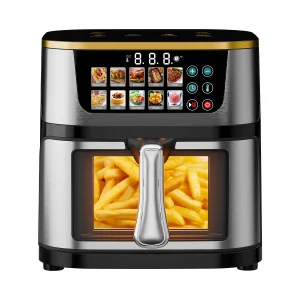
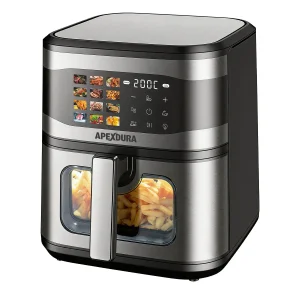
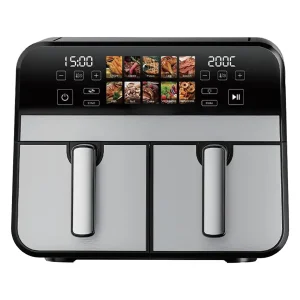
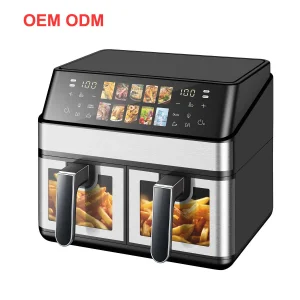
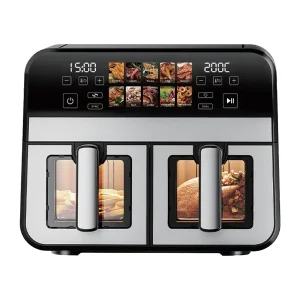
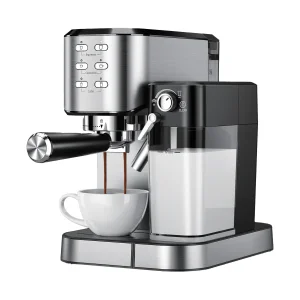
Leveraging deep vertical integration and engineering control to streamline global kitchen appliance distribution.
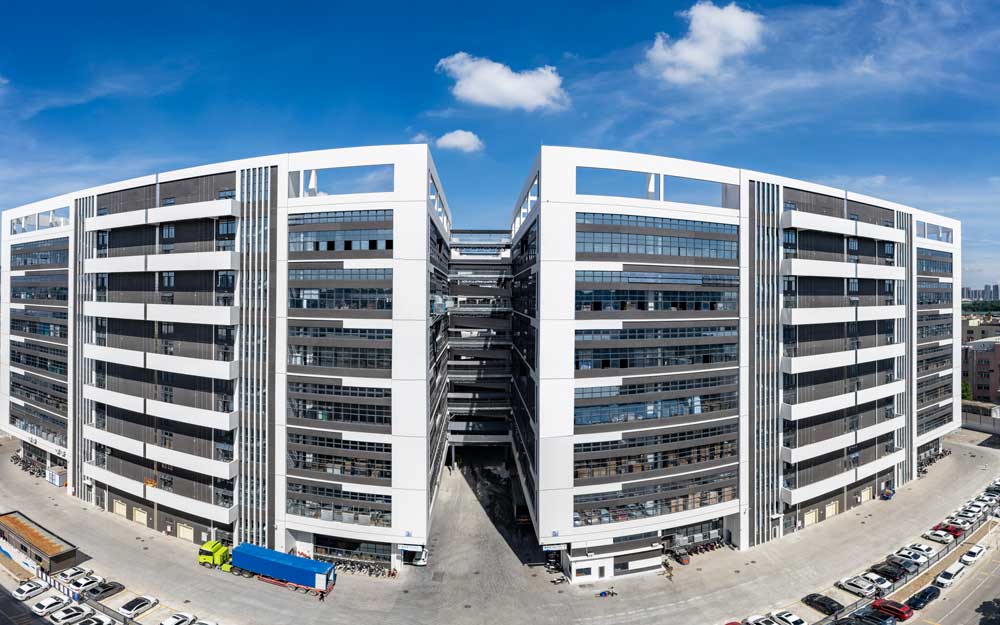
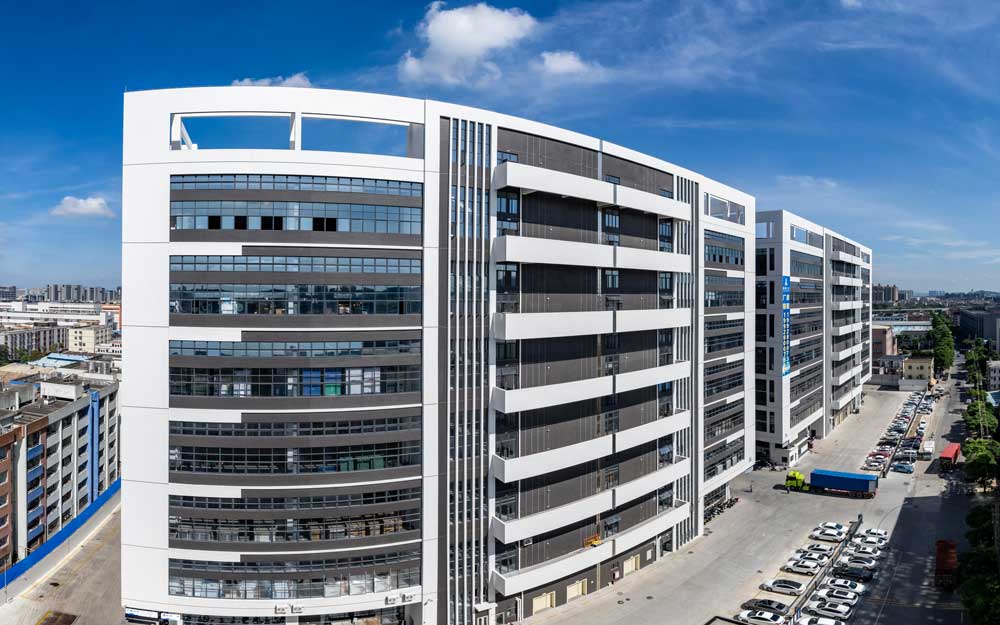
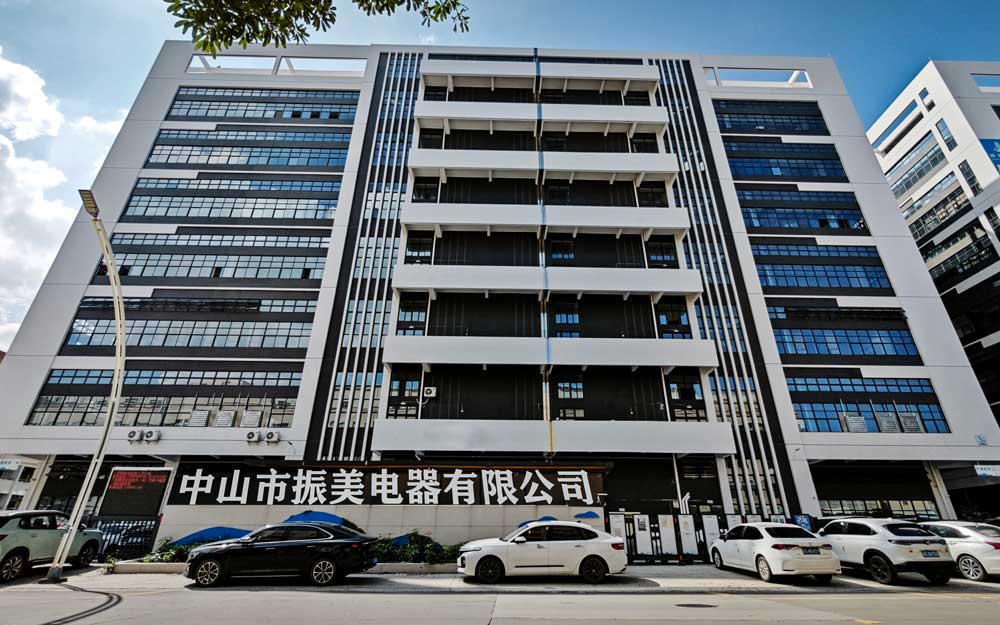
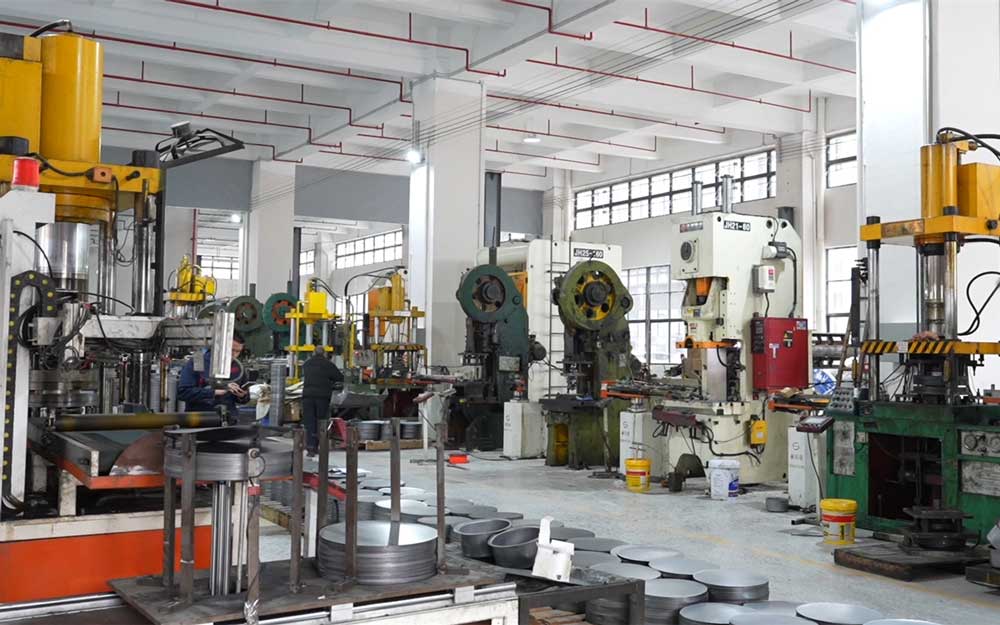
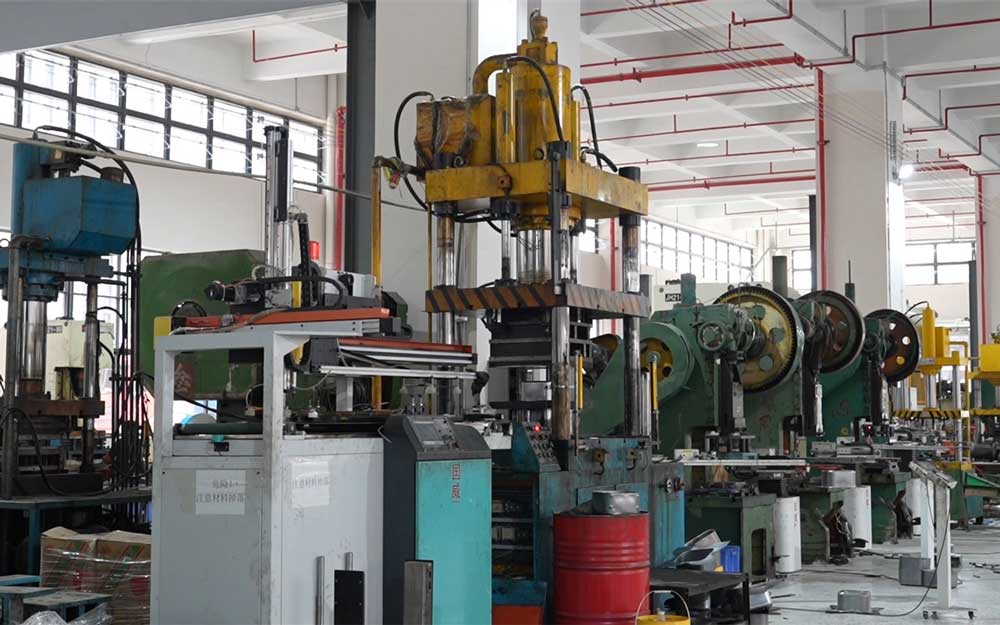
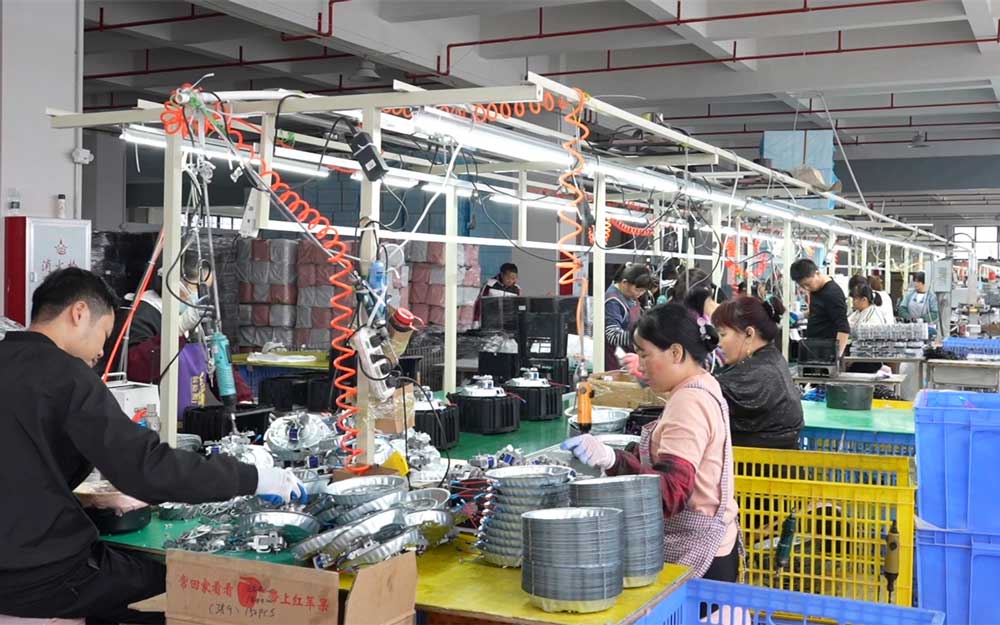
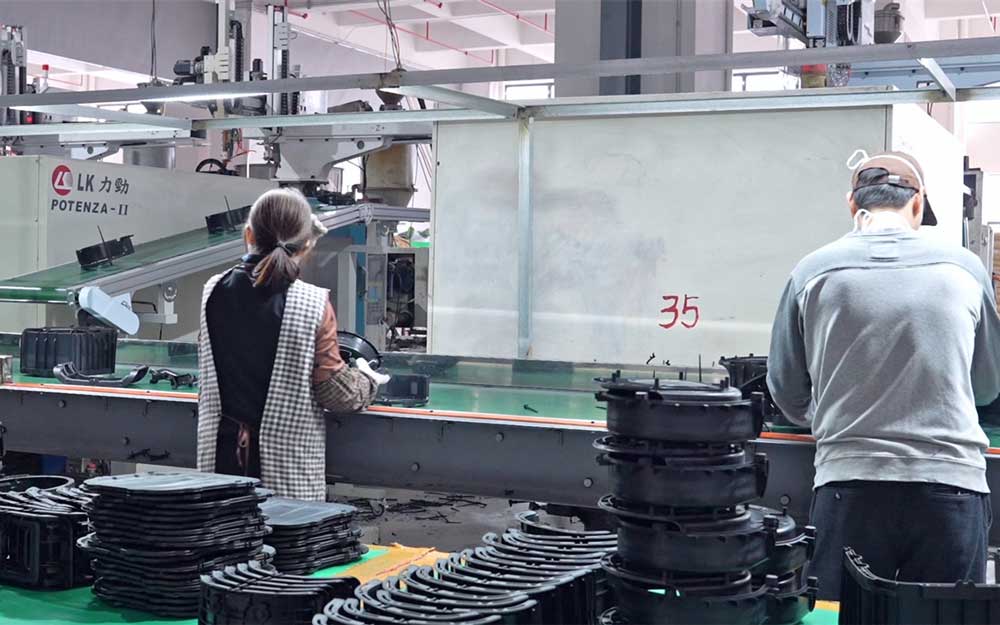
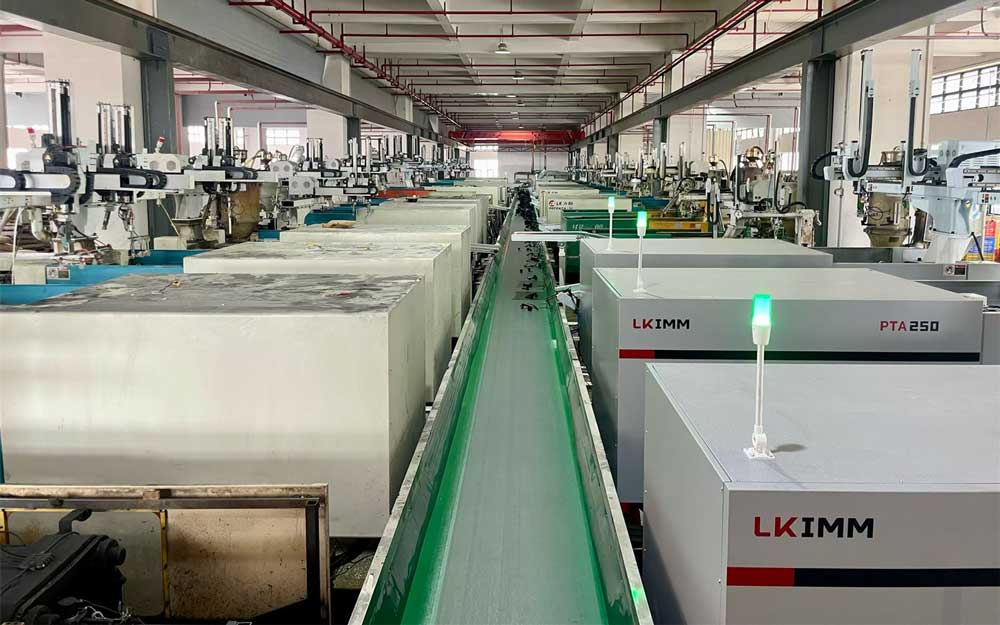
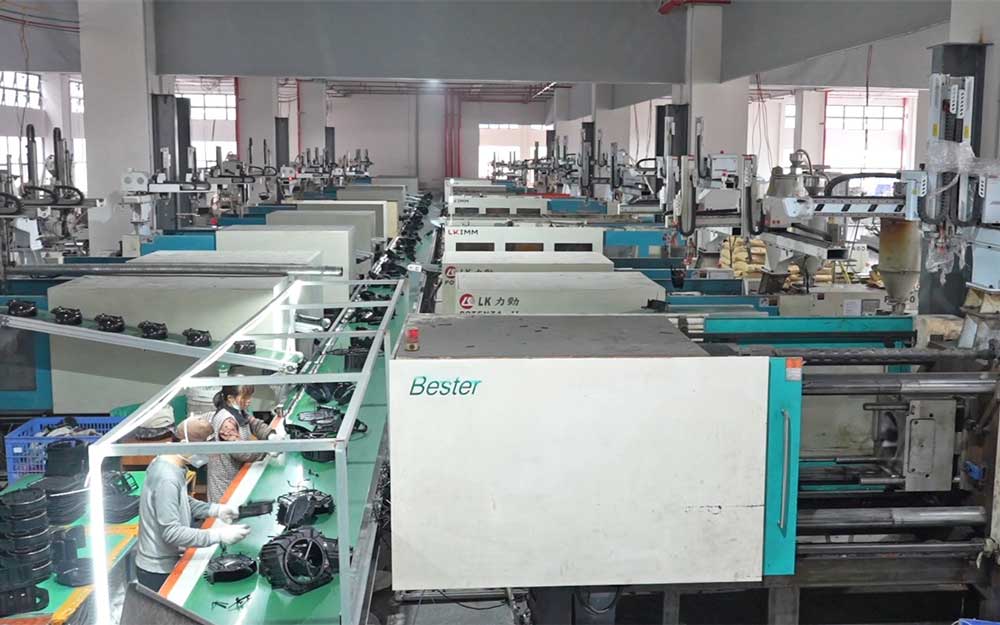
Our operational strength lies in robust, localized, in-house manufacturing. Under the state-of-the-art 40,000 sqm facility, powered by 300+ dedicated manufacturing professionals and a specialized team of 20+ R&D experts, we maintain total control over material quality, mechanical tolerances, and thermodynamic precision at every assembly stage.
Our operations yield an expansive output exceeding 10,000 units daily, ensuring international procurement programs remain fully stocked. Built around strict compliance standards, our comprehensive Quality Control (QC) infrastructure leverages life-cycle testing, pressure-threshold analyses, and mechanical safety inspections to safeguard performance metrics.
As a seasoned product development partner for global retailers and regional distribution brands, Zhongshan Zhenmei (Apexdura) delivers integrated end-to-end services. From initial CAD blueprint rendering and custom tooling development to final thermal performance validation, we bridge the gap between design and scalable retail successes.
In the globalized kitchen appliance market, consumer safety regulations and device operational reliability act as barriers to entry. Partnering with a vetted manufacturer like Zhongshan Zhenmei Electrical Appliance Co., Ltd. ensures compliance with complex global product standards. Holding certifications such as CE, CB, RoHS, and FDA is not merely a formality but represents a manufacturer's compliance foundation.
Under Google's E-E-A-T (Experience, Expertise, Authoritativeness, Trustworthiness) criteria, product engineering claims must be supported by empirical manufacturing metrics. A verified 16-year operational history, backed by a 40,000 sqm physical manufacturing footprint and direct ownership of injection molding, stamping, and automated assembly operations, differentiates professional original design manufacturers (ODMs) from short-term trading intermediaries. This structured foundation guarantees that high-pressure extraction systems (such as 20-bar pump systems) and thermal systems (such as high-density heating tubes) are calibrated for durability, safety, and consistent thermal output.
The global coffee maker market is undergoing a transition driven by premiumization and smart-home integration. Consumers demand cafe-quality extraction at home, fueling the growth of high-pressure espresso machines and multi-function countertop systems. At the same time, air fryers and multi-cookers continue to evolve, integrating high-capacity dual-basket designs, smart sensors, and advanced touch-screen controls.
This convergence of beverage preparation and modern culinary technology requires production platforms that support both digital precision and thermal efficiency. Modern consumers seek appliances that optimize kitchen counter space while delivering professional results. This trend is visible in the demand for hybrid kitchen appliances, commercial-grade blenders with noise suppression covers, and high-performance espresso systems equipped with precise milk texturing components.
China's kitchen appliance manufacturing ecosystems—specifically in clusters like Shunde and Zhongshan in Guangdong—offer unparalleled scale and efficiency. This geographic concentration of supply chain partners yields several strategic benefits:
The engineering roadmap for next-generation coffee makers and thermal appliances is centered around precision, energy conservation, and smart user interfaces:
PID Temperature Control: Integrating proportional-integral-derivative (PID) controllers ensures water temperatures remain within the ideal extraction range of 90°C to 96°C. This level of thermal control minimizes bitter or sour notes, yielding a balanced espresso extraction.
Optimized Pump Pressures: Italian-designed 20-bar electromagnetic pumps, utilized in premium models like the CM5121, deliver the constant pressure needed to emulsify coffee oils and create rich, thick crema.
Energy-Efficient Thermal Elements: Shift from heavy aluminum boilers to high-speed die-cast thermoblocks and thick-film heating elements. These technologies reduce pre-heating times to under 40 seconds and lower overall standby energy consumption.
Digital Control Interfaces: High-definition touch displays and intelligent menu presets allow users to customize brewing metrics, water volume, and steam outputs, standardizing quality across varying consumer groups.
To capture market share across different regions, manufacturers must tailor appliance designs to match local habits and operating conditions:
Exporting electrical appliances globally requires adhering to diverse regulatory frameworks. Sourcing from an ISO 9001-certified factory ensures that every production batch is manufactured under documented quality procedures. Our engineering team conducts routine safety tests, including high-voltage insulation tests, earth-grounding verification, and electromagnetic compatibility tests, ensuring that every unit meets the safety codes of destination ports.
For food safety, all internal tubing, water reservoirs, and brewing chambers are manufactured from BPA-free, FDA-approved, and food-grade materials. In Europe, this compliance is verified through LFGB testing protocols, ensuring no chemical migration occurs during extraction. Furthermore, our logistics team assists international buyers in navigating customs requirements, managing import tariffs, and organizing container space optimization to minimize freight charges.
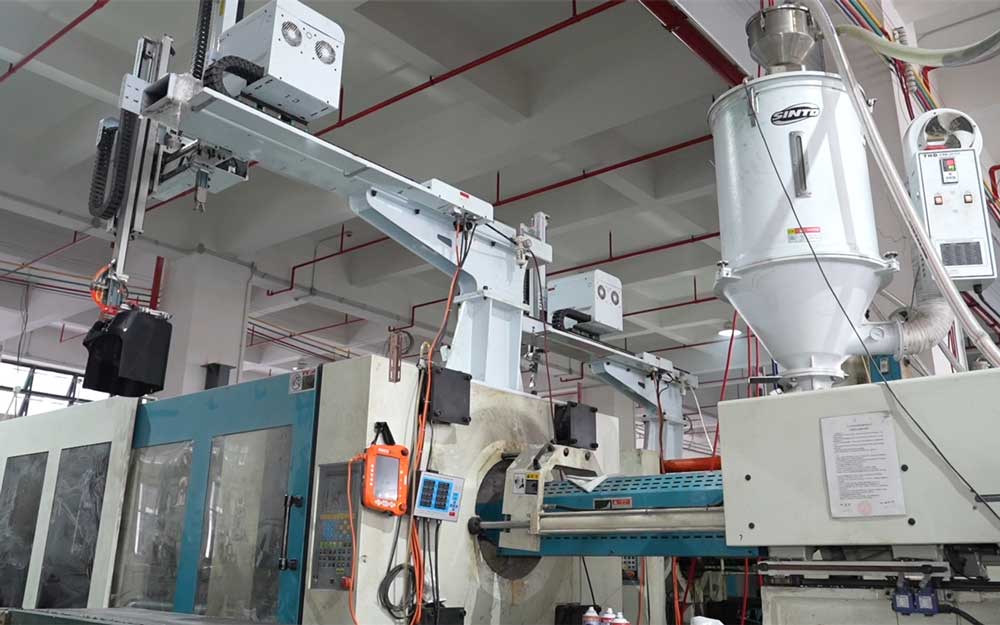
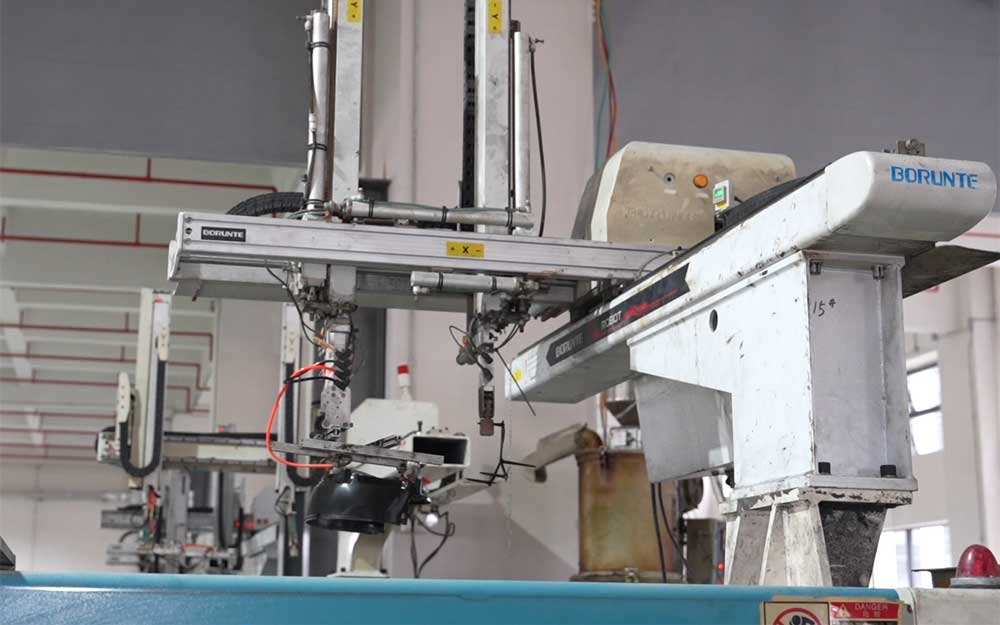
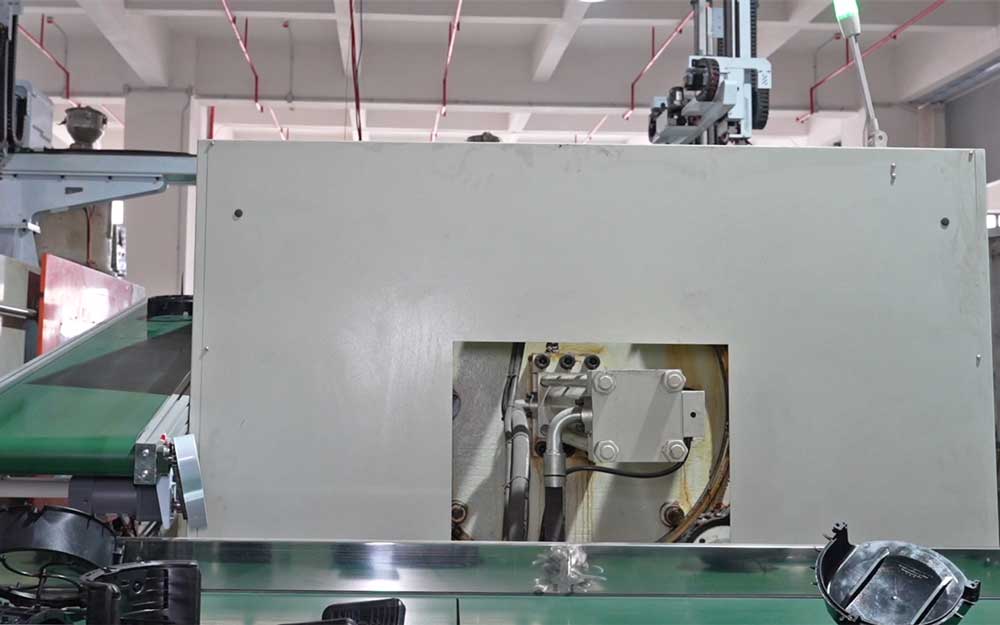
A look inside our 40,000 sqm manufacturing floor, tooling workshops, and automated quality testing lines.
Insights into custom engineering, production lead times, and global certification compliance.
For custom ODM/OEM orders requiring brand printing, specialized colors, or custom carton packaging, our standard MOQ is typically 1,000 units per model. This allows us to calibrate tooling machinery efficiently and manage material sourcing costs. If your project requires unique outer shell molds or changes to the inner heating block configuration, tooling amortizations can be discussed based on projected annual purchase volumes.
Our R&D department validates espresso machines like the CM5121 using integrated flow-rate meters, electronic temperature probes, and mechanical pressure transducers. We monitor the temperature curve during brewing to ensure it remains stable, and test the steam wand's durability across thousands of cycles to confirm consistent milk texturing performance.
Yes. All components that come into contact with water, steam, or coffee grinds—including the filter basket, internal pipes, and water tank—are made from food-grade materials. We use FDA-compliant and BPA-free polymers along with high-grade stainless steel (304/316) that pass European LFGB and RoHS safety standards.
For initial OEM projects, the lead time is usually between 45 and 60 days to allow for tooling setup, packaging proof approval, and pre-production quality checks. Repeat orders are typically manufactured and dispatched within 30 to 45 days. This rapid turnaround is supported by our 10,000+ daily unit production capacity, which helps keep global supply chains moving.
We implement a strict multi-tier quality control protocol. This process starts with Incoming Quality Control (IQC) testing raw plastics, metals, and electrical heating tubes. In-Process Quality Control (IPQC) monitors the assembly lines, and Outgoing Quality Control (OQC) checks final product performance, including electrical safety tests on every finished unit before packaging.
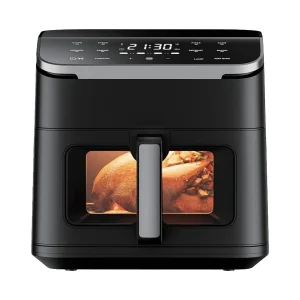
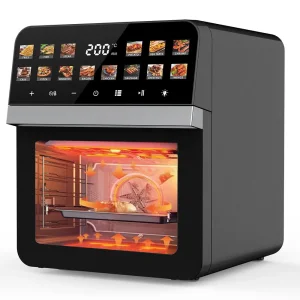
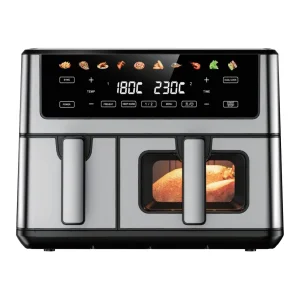
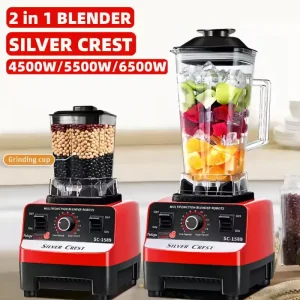
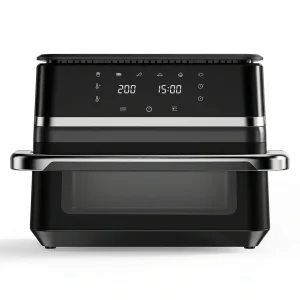
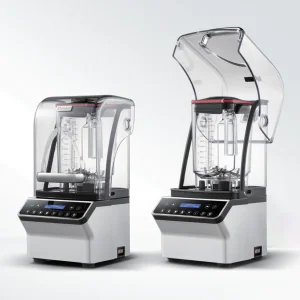
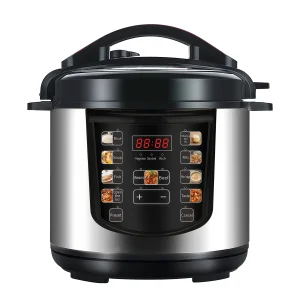
Explore our range of air fryers, commercial-grade food blenders, and digital pressure cookers.
 Zhenmei Electrical