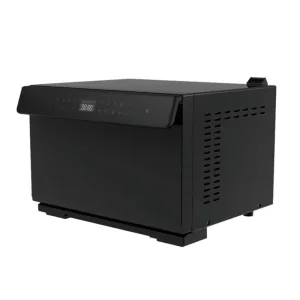
Leveraging state-of-the-art thermal engineering and extraction technologies across our premium home and commercial product lines.
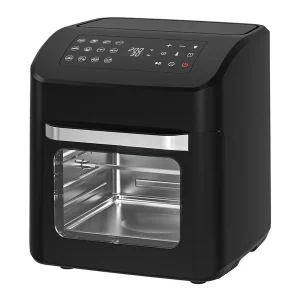
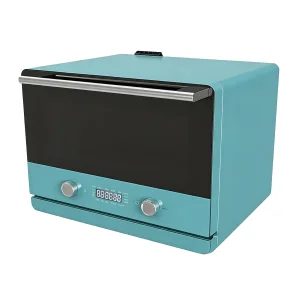
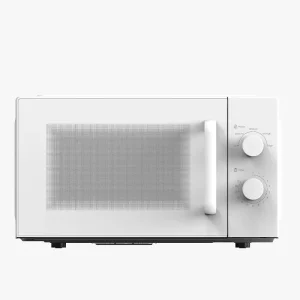
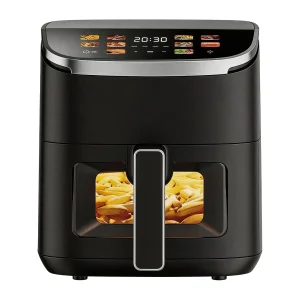
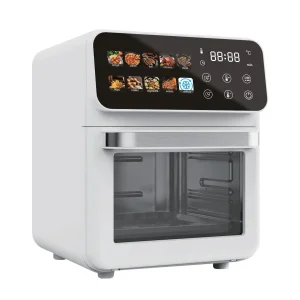
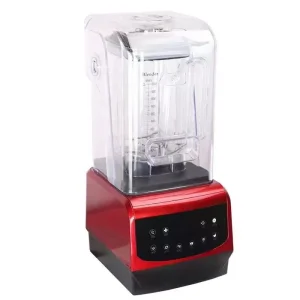
The global beverage market is experiencing an unprecedented evolution. Consumers no longer view coffee machines as simple countertop appliances; they demand precision espresso brewers, IoT-enabled customization, thermoblock multi-zone temperature controls, and commercial-grade pressure extractions. For global procurement directors, choosing the right China Coffee Machine Factory or kitchen appliance OEM/ODM supplier is a critical strategic decision. The Chinese manufacturing landscape has transformed from a low-cost assembly hub into an innovative epicenter for advanced thermal engineering, automated fluid dynamics, and microchip integration.
Information Gain Strategy: Unlike standard superficial guides, this whitepaper dives deep into factory infrastructure synergies, specific component engineering (such as Italian Ulka pumps, precision NTC sensors, and food-grade SUS304 boilers), and rigorous quality-control methodologies required to meet FDA, LFGB, and CE standards.
When sourcing from China, professional buyers must evaluate how the core competencies of appliance manufacturers extend into precision beverage brewing. High-performance steam generation (seen in 2000W+ digital steam ovens) and complex fluid heating mechanisms (found in smart induction cookers and commercial blenders) are direct technological cousins to the thermal engineering required for commercial and domestic espresso machines. Leading OEM partners like Zhongshan Zhenmei Electrical Appliance Co., Ltd. leverage decades of experience across heating elements, metal stamping, and digital control boards to deliver unmatched reliability and cost efficiencies in global appliance manufacturing.
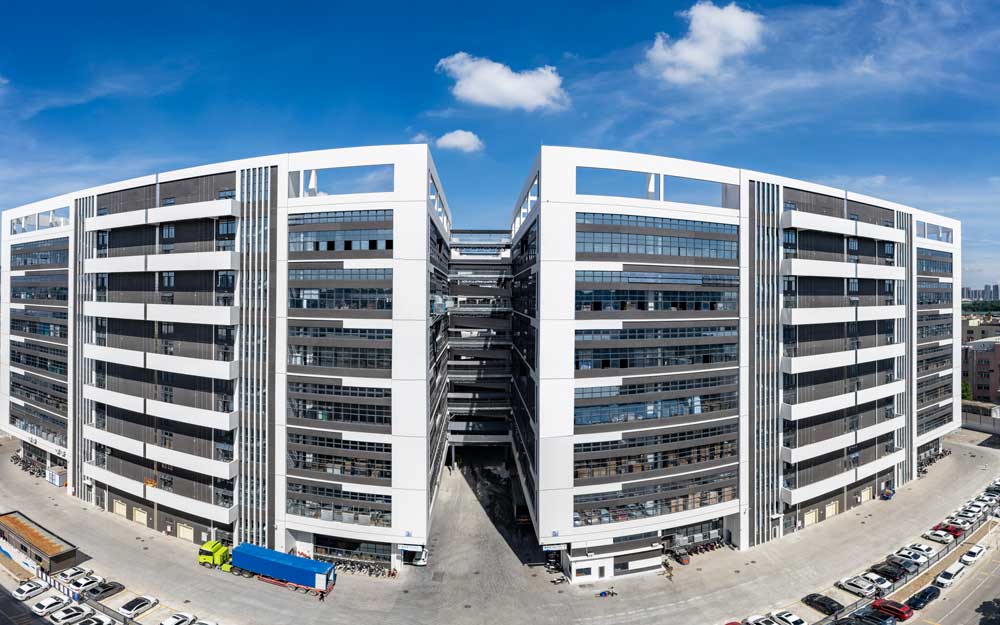
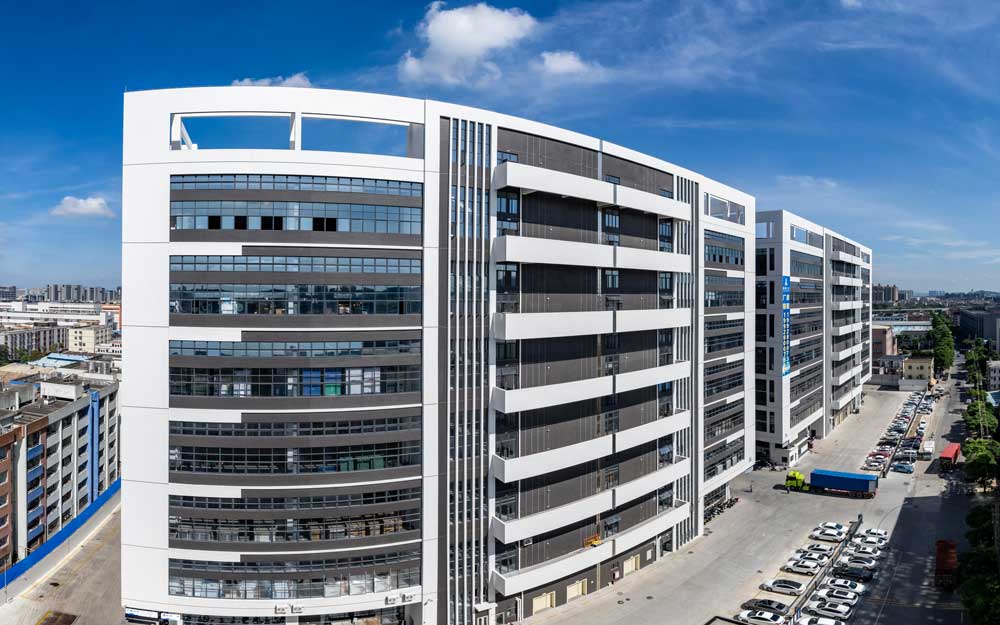
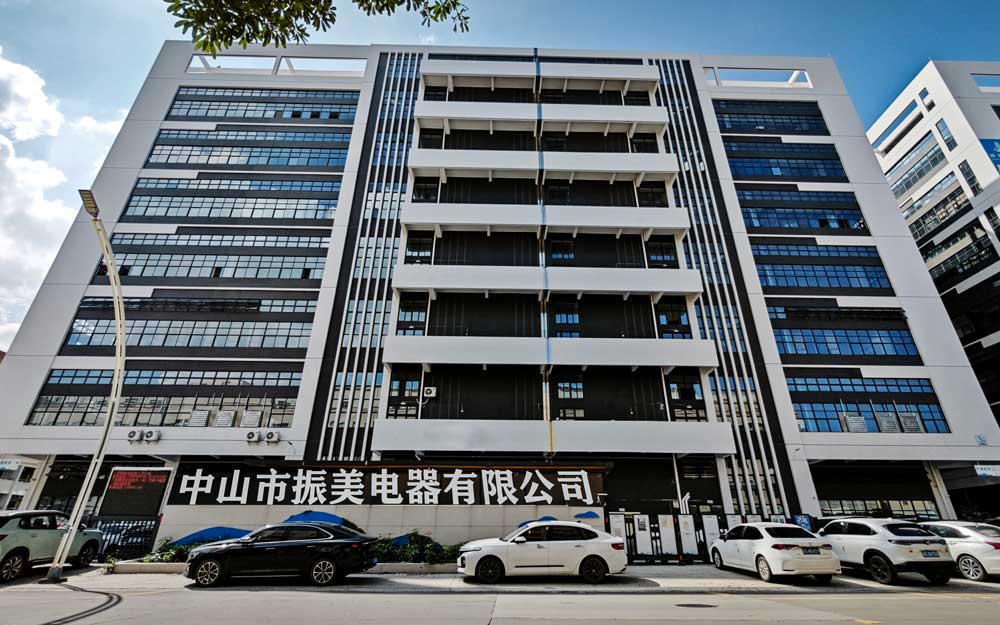
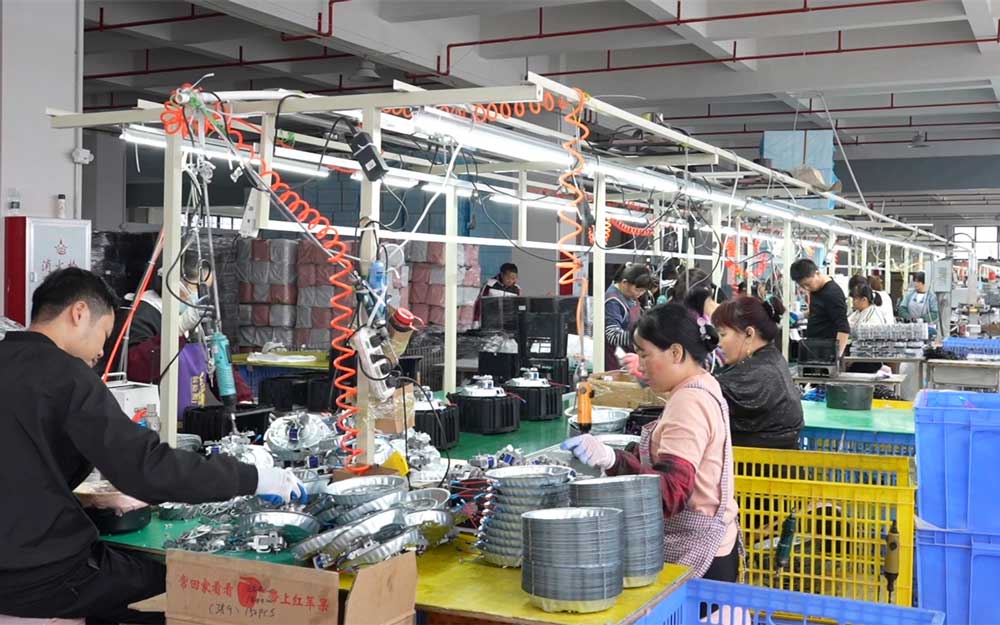
As a premier OEM/ODM partner with over 16 years of expertise, Zhongshan Zhenmei Electrical Appliance Co., Ltd. has established itself as an industry leader in engineering high-end kitchen appliances. Operating from an expansive 40,000 square meter advanced facility, powered by a dedicated team of over 300 professionals and 20+ R&D engineering experts, Zhenmei seamlessly transforms concepts into premium, market-ready products for leading global brands.
Zhenmei's massive daily output exceeding 10,000 units allows the factory to reliably fulfill high-volume global retail programs and commercial sourcing contracts. Underpinned by a rigorous QC inspection standard (AQL 1.5/4.0), the company guarantees absolute electrical safety, thermal stability, and food-grade material verification.
Our R&D center is equipped with advanced CAD modeling and thermal simulation tools. We optimize thermostatic flow controls, PID heating loops, and structural housing layout before prototyping, saving time and money.
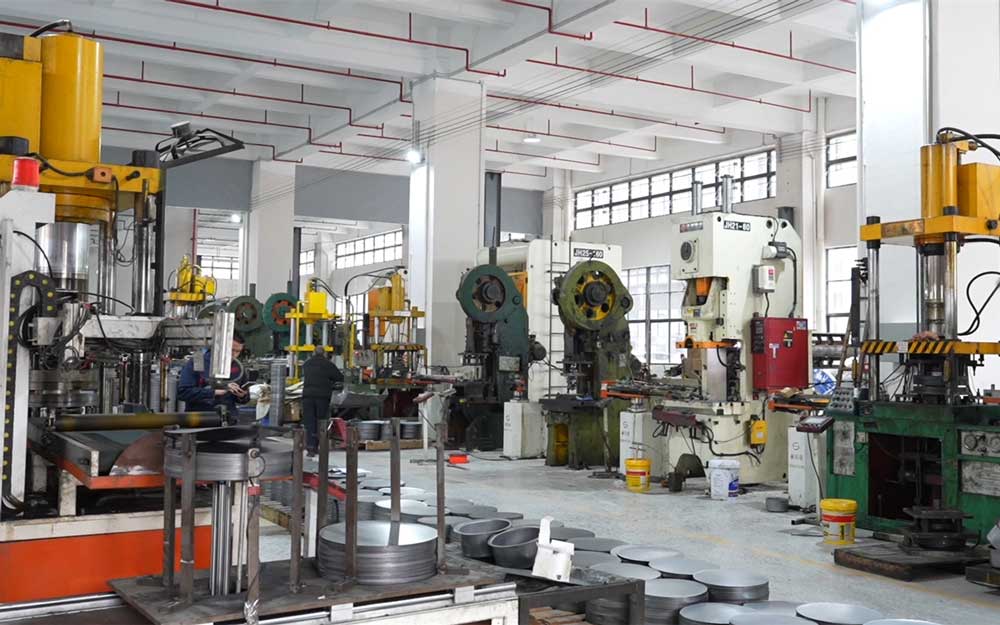
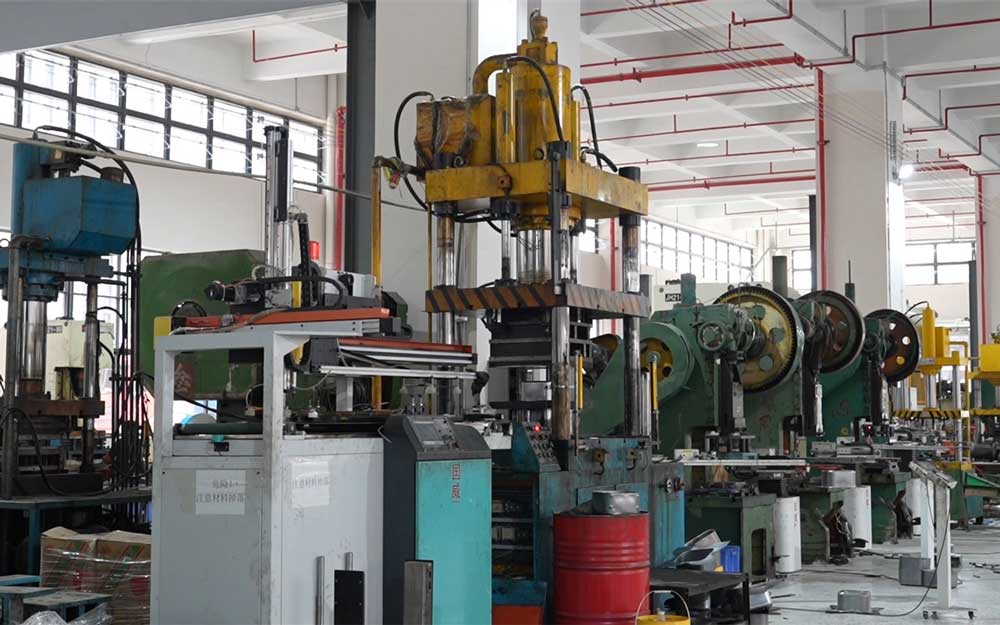
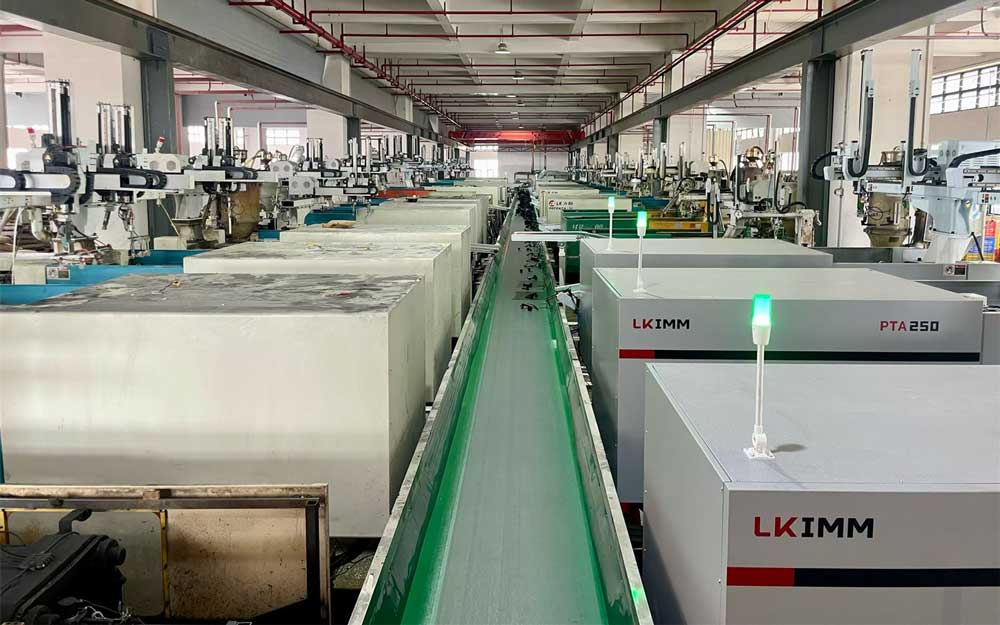
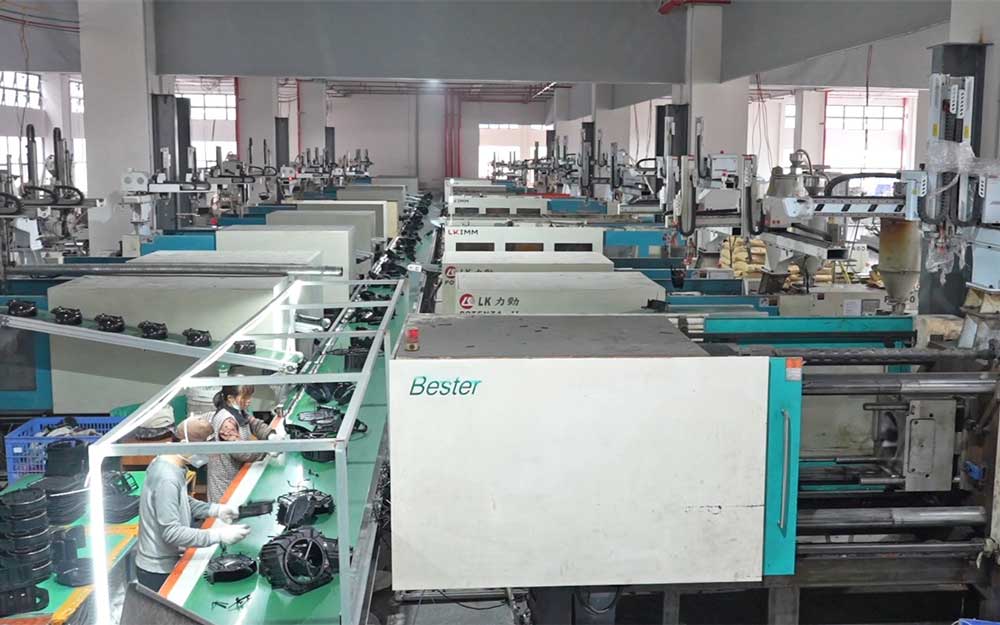
Operating multiple high-speed production lines with dedicated quality assurance inspectors ensures high-volume consistency. We scale up production seamlessly to meet Q3/Q4 seasonal demands without compromising lead times.
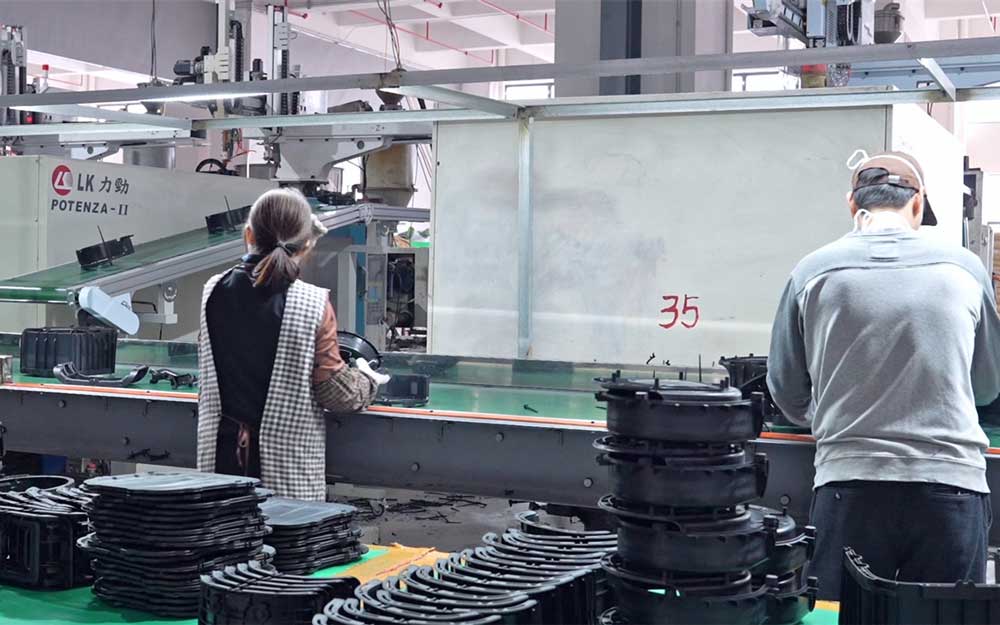
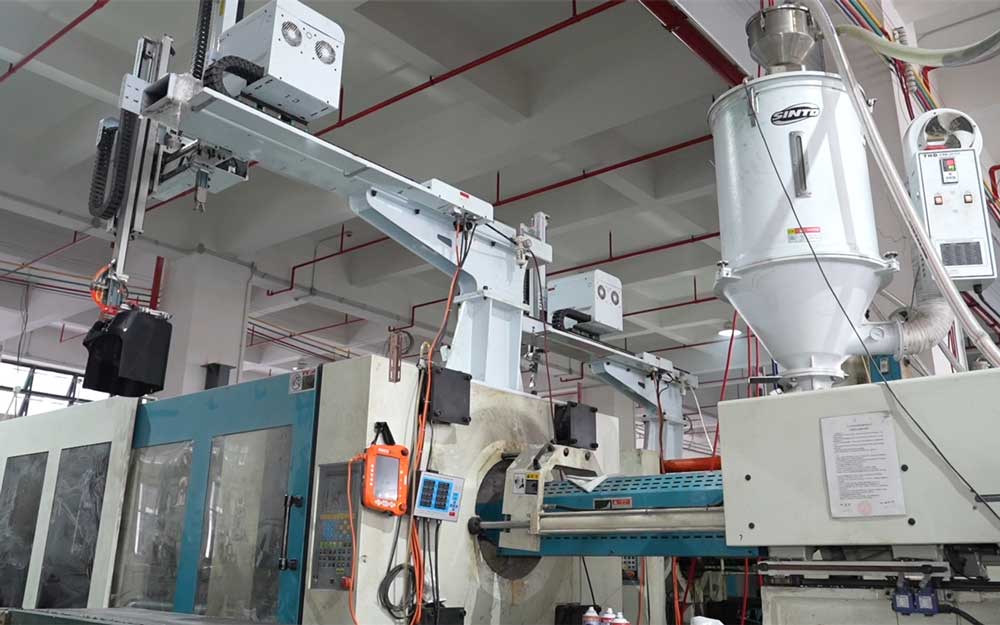
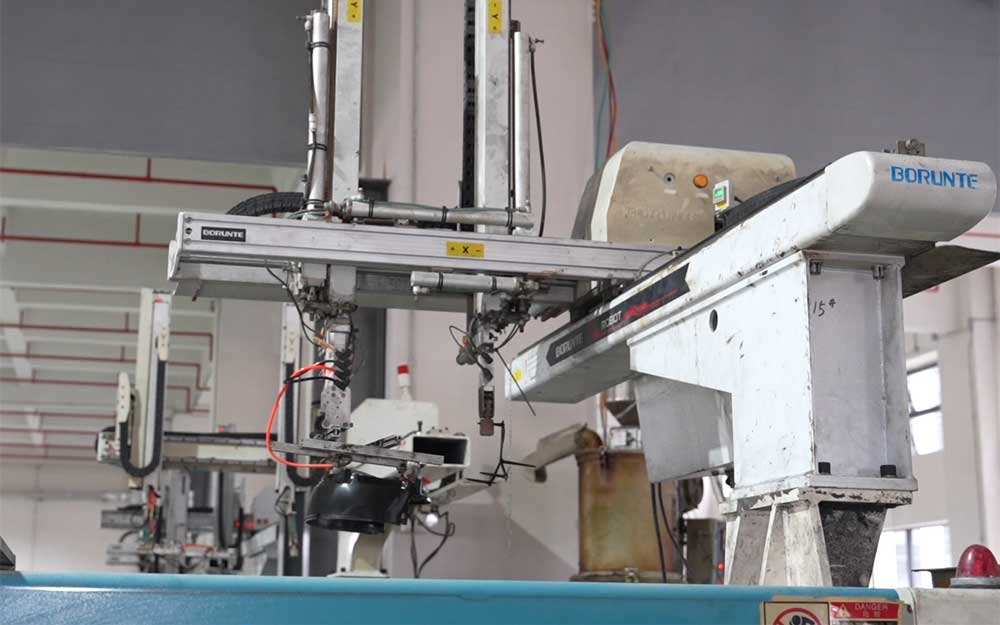
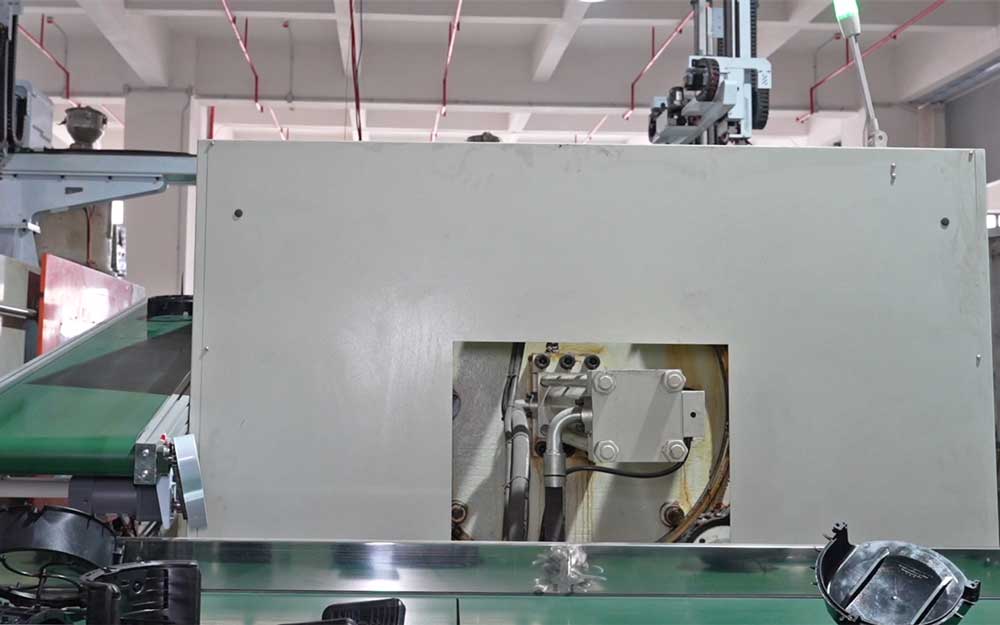
From internal PCBA programming and custom plastic injection molding to metal stamping and final safety testing, our full vertical integration guarantees complete traceability and IP protection.
Sourcing premium espresso or multi-function brewers requires looking beyond superficial aesthetic designs. B2B buyers must analyze the internal components and thermal dynamics that dictate long-term durability and cup quality. Below are the key engineering pillars of elite coffee machines:
Standard espresso machines require consistent 15-bar to 20-bar pressure to achieve adequate emulsification of coffee oils, resulting in rich crema. Partner with factories utilizing premium Italian-imported pumps (e.g., Ulka) or high-durability domestic equivalents calibrated with built-in overpressure valves (OPV) to prevent water channeling.
Extraction requires strict water temperature control (typically between 90°C and 95°C). Thermoblocks provide rapid heating (under 40 seconds), while boilers offer superior thermal volume. The inclusion of PID (Proportional-Integral-Derivative) controllers allows microprocessors to regulate temperature to within ±0.5°C.
For bean-to-cup coffee systems, the integration of high-carbon steel or ceramic conical burr grinders is crucial. The RPM of the grinder must be calibrated (usually kept below 500 RPM) to minimize heat transfer to the beans, preserving the delicate aromatics during pre-extraction grinding.
Furthermore, component materials must strictly abide by food contact regulations. The entire fluid path—including the boiler, pipe connections, flowmeter, and brew group—must be free of harmful heavy metals and BPA. Leading factories rely exclusively on food-grade 304 Stainless Steel, brass with lead-free coatings, and FDA-compliant silicone.
Sourcing household and commercial electronics on a global scale demands rigorous compliance with regional regulatory landscapes. An experienced factory supplier must provide full certifications to eliminate customs roadblocks and ensure consumer safety.
Requires ETL / UL electrical safety certifications, FDA food contact safety clearances, and FCC compliance for wireless and touch modules.
Mandates CE, GS, CB certifications, LFGB food safety standards, and strict adherence to RoHS and WEEE ecological disposal directives.
Demands CCC (China Compulsory Certificate), PSE (Japan), KC (Korea), and various international food contact safety verifications.
Requires factories operating under audited ISO 9001:2015 quality management systems and BSCI ethical labor certifications.
At Zhenmei, our quality control protocols include 100% testing on the assembly line for electrical isolation, high-pressure leak checks, and thermal accuracy. Additionally, our R&D team carries out long-term reliability trials, checking life cycles up to 15,000 brewing iterations to ensure components withstand the demands of domestic and commercial environments.
Coffee culture varies dramatically by region. A successful OEM partner must understand these nuances to guide clients toward the right product specifications. Below, we examine the distinct localized configurations required by regional markets:
Emphasis is placed on drip brewers with large carafe capacities (10-14 cups), single-serve capsule compatibility (K-Cup style), and durable 110V/60Hz configurations with high-wattage heating elements for rapid brewing.
High demand for automated bean-to-cup platforms and traditional 15-bar espresso makers. Customers demand class-A energy efficiency (ErP directive), compact counter space layouts, and integrated, easy-to-clean milk steam wands.
Urban density favors compact, hybrid designs. Popular appliances combine tea brewing and drip coffee functions with smart app integration, touch control screens, and highly decorative industrial designs.
Looking ahead to 2024-2030, the global kitchen appliance market is focusing heavily on connectivity and sustainability. The integration of Bluetooth and Wi-Fi IoT modules allows users to schedule brews, program temperature profiles, and receive self-diagnostic maintenance alerts through proprietary smartphone applications.
At the same time, eco-conscious designs are shifting from optional value-adds to mandatory market entry requirements. This includes energy-saving standby modes (under 0.5W), modular internal architectures that facilitate easy repair rather than replacement, and the use of post-consumer recycled (PCR) plastics for outer structural bodies. Factories must also adapt to handle biodegradable or compostable capsule solutions, ensuring compatibility with evolving environmental standards worldwide.
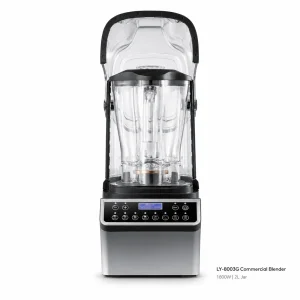
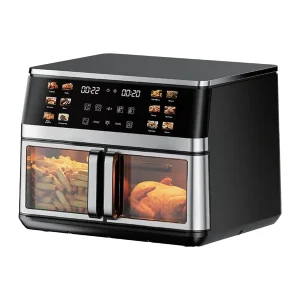
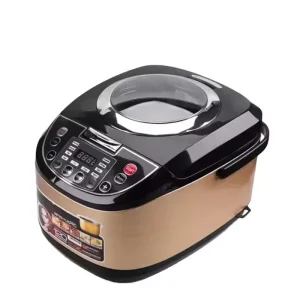
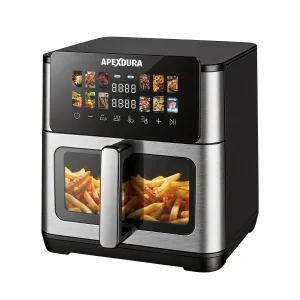
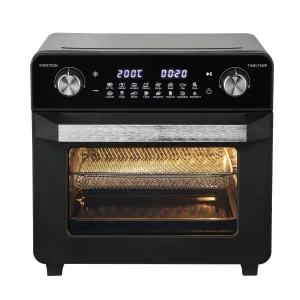
From smart cooking tools to high-powered commercial blenders, our factory delivers reliable performance to clients worldwide.
 Zhenmei Electrical