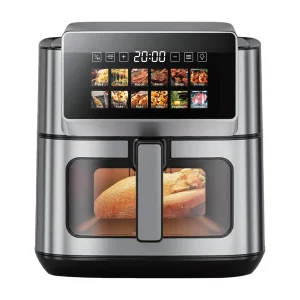
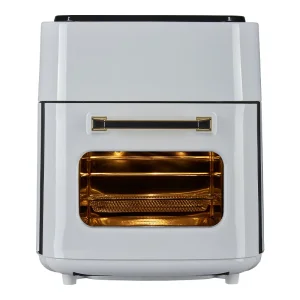
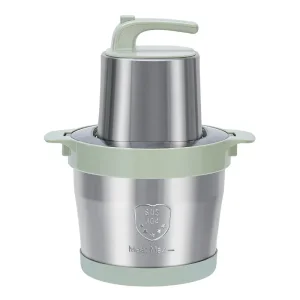
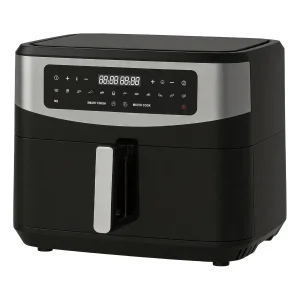
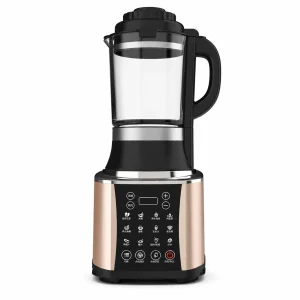
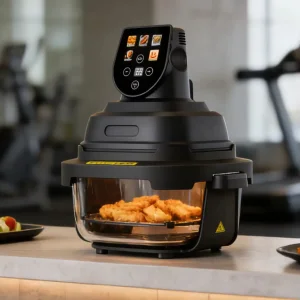
Discover our highly-engineered commercial and residential kitchen portfolio designed for precise heat transfer, quiet operation, and premium build quality.
The global coffee equipment landscape has transformed from basic mechanical thermal extraction models into a highly specialized sector reliant on thermodynamics, fluid dynamics, and Internet of Things (IoT) integrations. Today, professional and residential consumers demand more than a caffeine shot; they seek precision control over the extraction yield, measured in Total Dissolved Solids (TDS).
The Gold Cup standard set by the Specialty Coffee Association (SCA) dictates a solubles extraction yield of 18% to 22% from the ground beans. Achieving this reliably at a commercial scale requires mechanical consistency that only advanced manufacturing systems can provide. Key technical requirements include:
As micro-roasters and specialty retail outlets proliferate globally, commercial-grade technology is shrinking into residential footprints. Households now expect consumer-friendly systems, such as the CM3160 Coffee Machine, to feature Italian-engineered 15 Bar vibration pumps and integrated thermal blocks. For global distributors, matching these complex technical variables with competitive manufacturing partners is the foundation of long-term market differentiation.
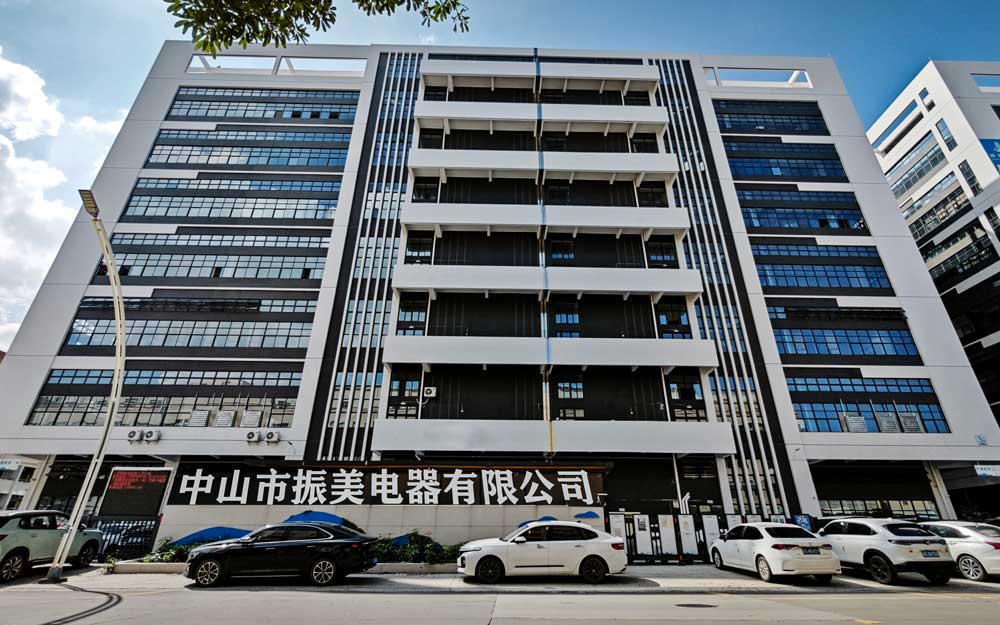
Zhongshan Zhenmei Electrical Appliance Co., Ltd. is a premier OEM/ODM manufacturing partner specializing in high-performance kitchen appliances and coffee systems. Operating from our state-of-the-art facility in Zhongshan, China, we integrate structural design, safety certifications, tool construction, and lean manufacturing to convert client concepts into globally marketable products.
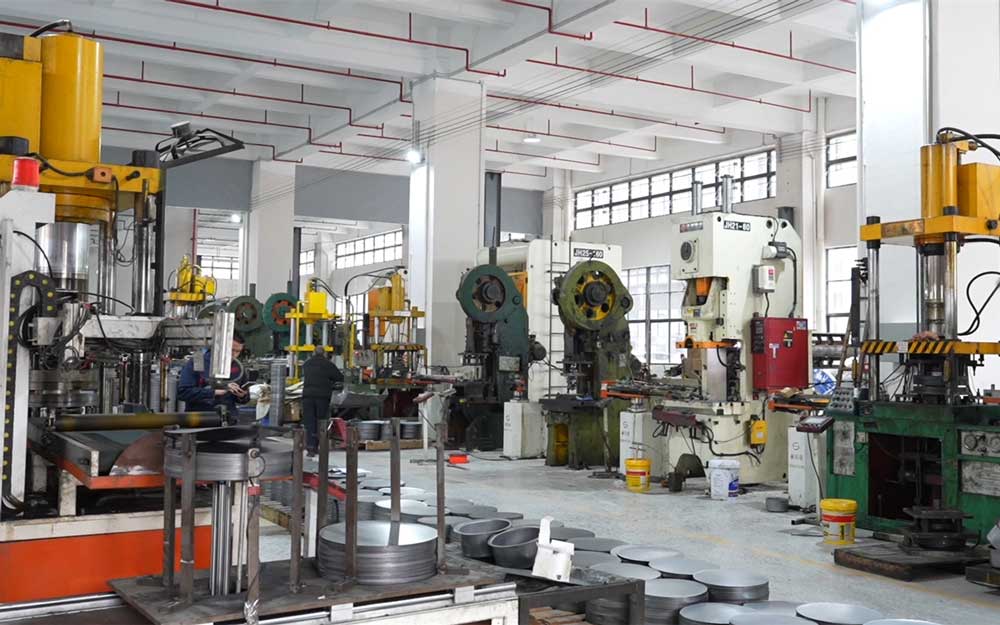
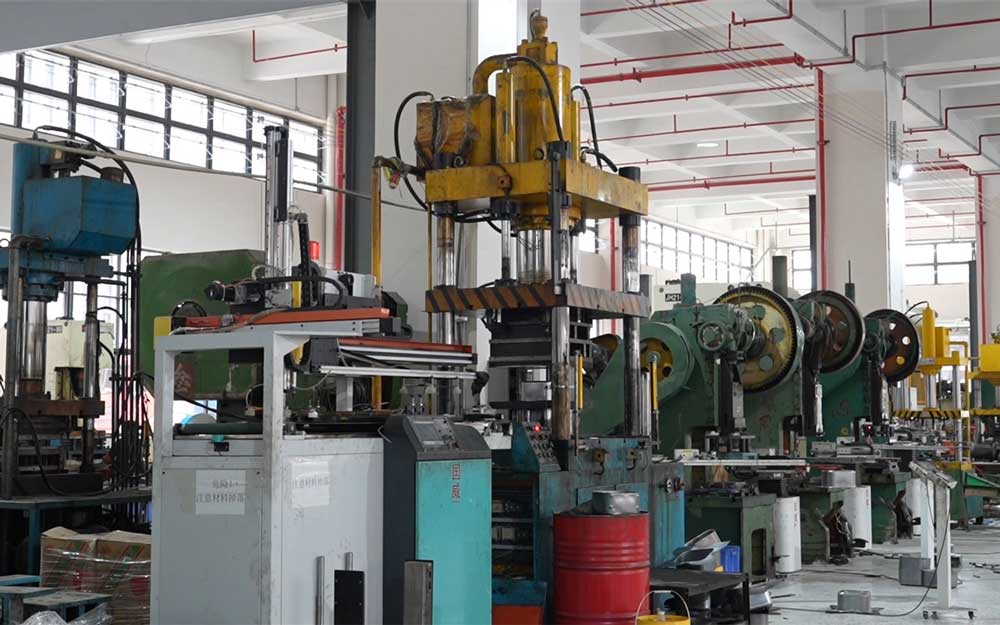
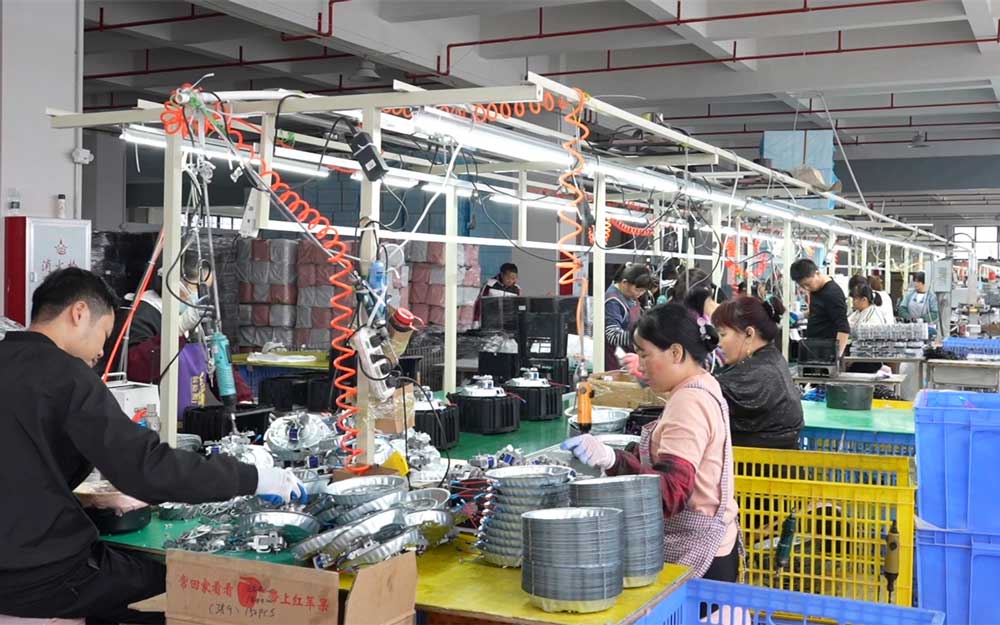
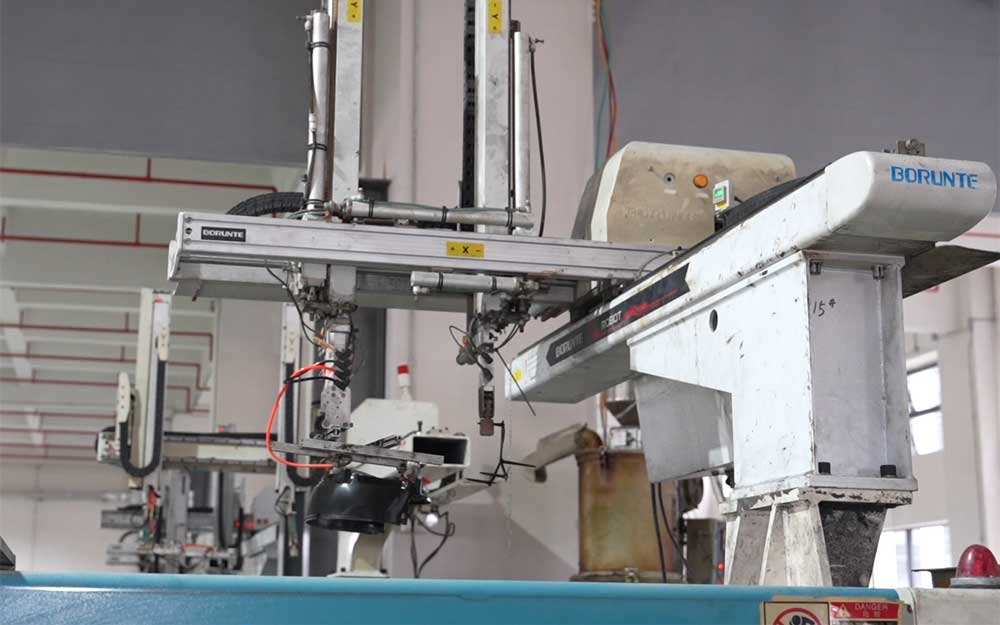
Our competitive edge is rooted in deep vertical integration. By handling injection molding, tooling fabrication, metal stamping, and assembly lines in-house, we eliminate external logistical delays and retain absolute control over assembly tolerance. This unified workflow supports our high daily production volume and guarantees compliance with ISO 9001:2015 quality standards.
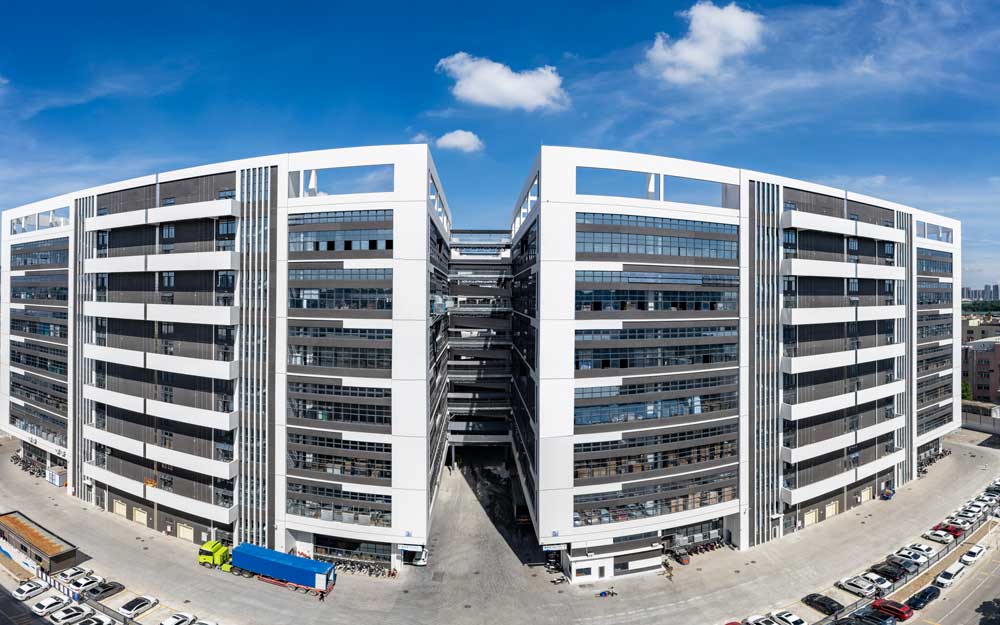
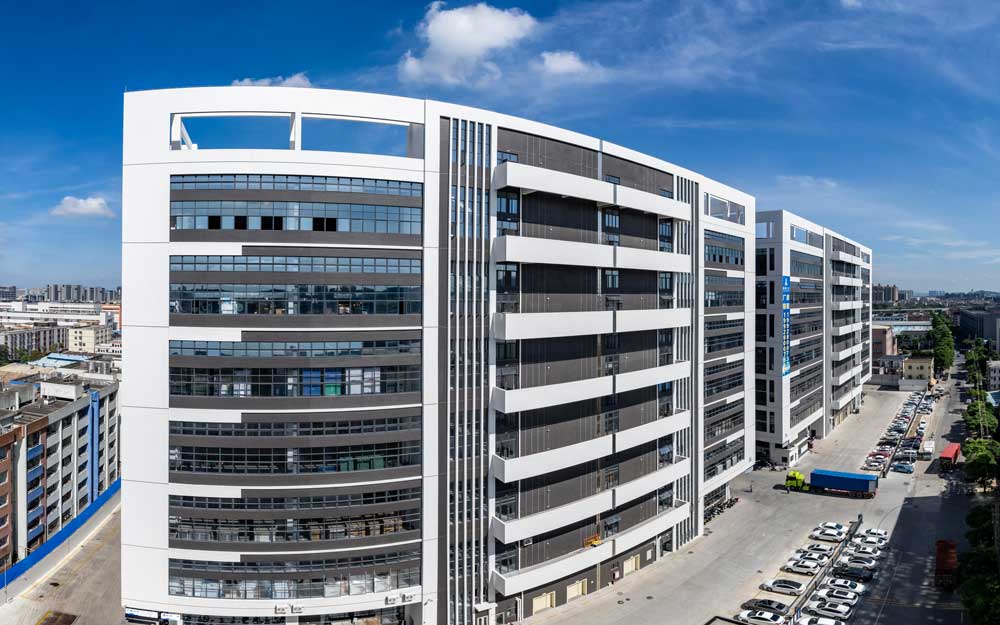
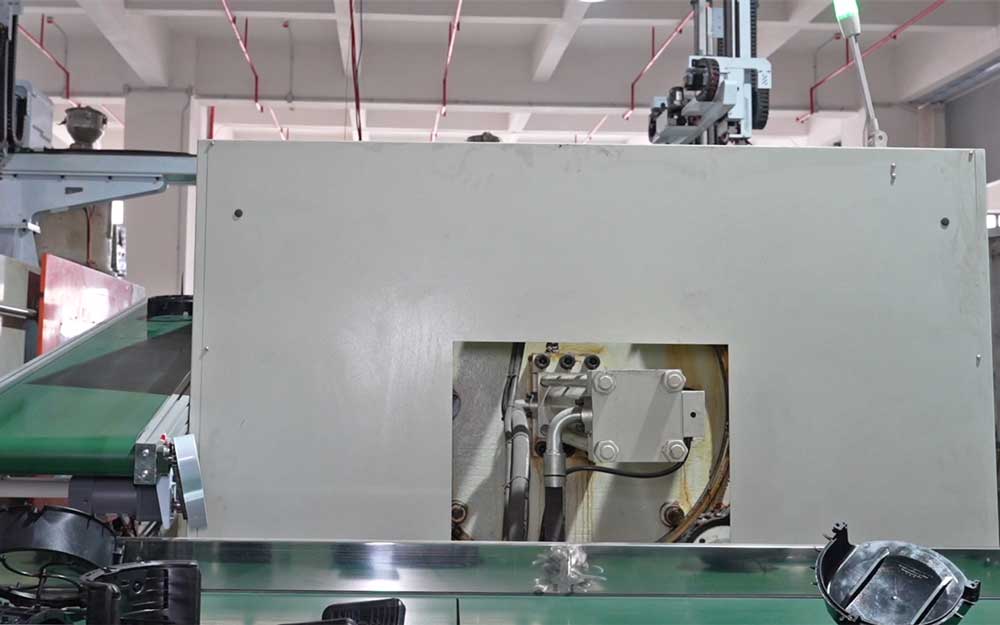
Our production facilities feature climate-controlled assembly lines, heavy-tonnage plastic injection machines, high-precision metal stamping platforms, and standardized burn-in test stations. Explore our workplace and specialized facilities below:
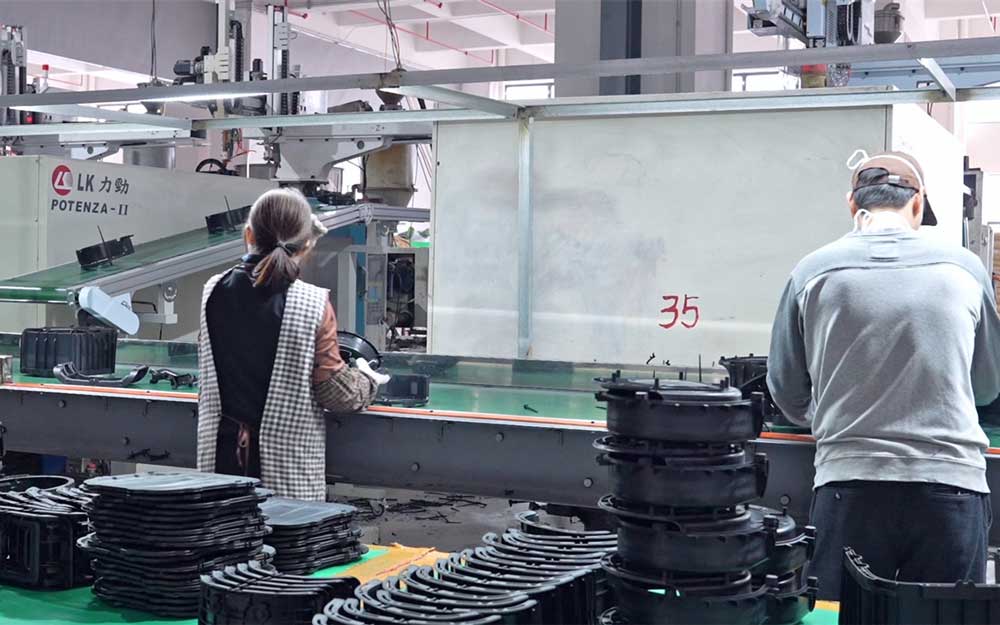
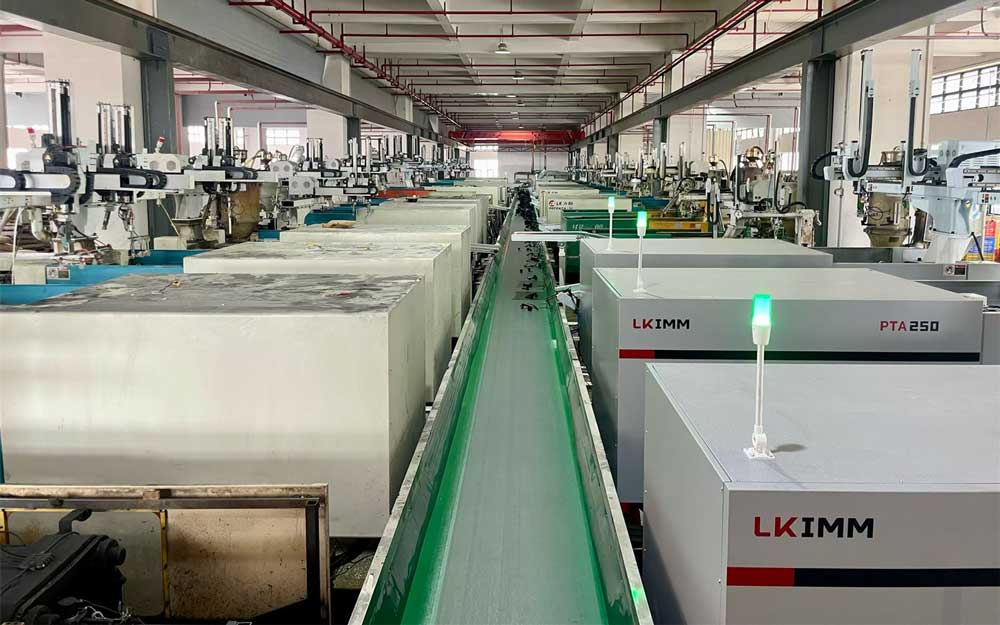
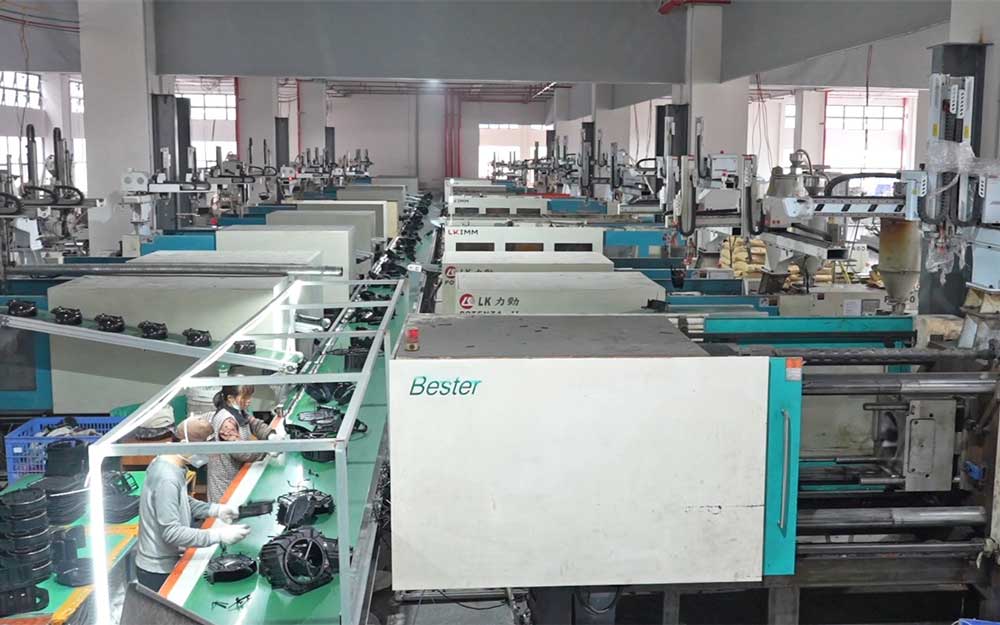
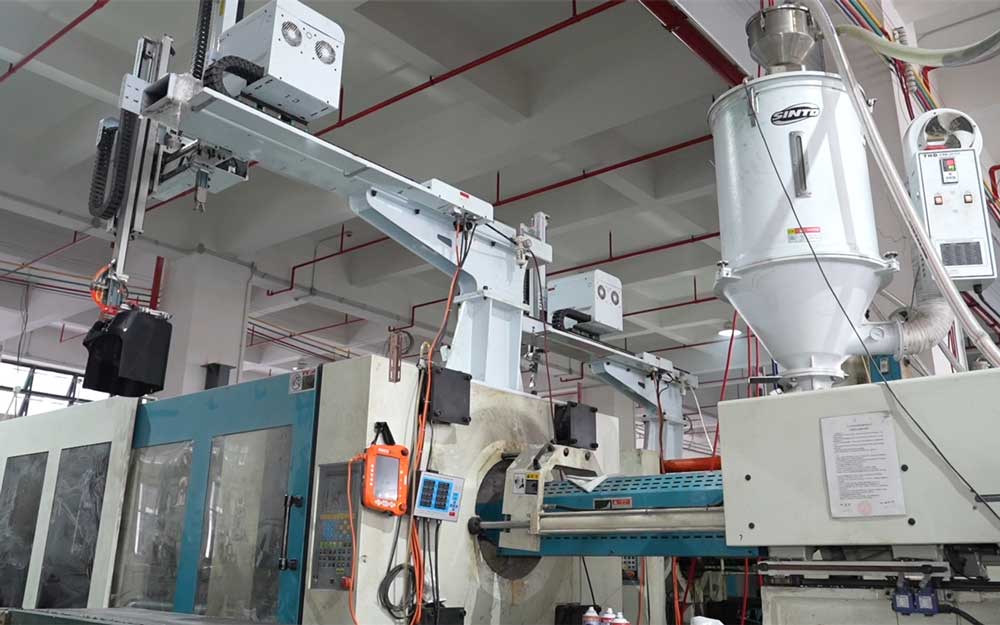
China's Pearl River Delta, specifically the Zhongshan and Shunde regional clusters, handles over 60% of the world’s small kitchen appliance production. The concentration of component suppliers, testing laboratories, and raw material distributors in this region provides global brand owners with unique competitive advantages:
Key component factories (producing heating elements, digital displays, solenoids, flowmeters, and injection-molded casings) are located within a 50 km radius. This close integration reduces transit times and allows for rapid prototyping and adjustment cycles during development phases.
Chinese factories are no longer just basic assembly shops. R&D centers in Zhongshan design high-efficiency PCB architectures, touch sensor controls, and micro-controllers. These developments ensure compliance with international safety and electromagnetic compatibility (EMC) standards.
Our automated testing equipment reduces manual error rates. Systems like high-pressure water test lines, safety ground resistance testing, and continuous life-cycle aging chambers ensure that mass production lots meet strict AQL (Acceptable Quality Limit) requirements.
From an engineering perspective, modern coffee brewing equipment represents a balance between thermal energy and high pressure. The table below outlines how specific product architectures manage these factors:
| Equipment Type | Core System Mechanism | Target Pressure Bar | Temperature Precision Control | Electronics & Interface Integration |
|---|---|---|---|---|
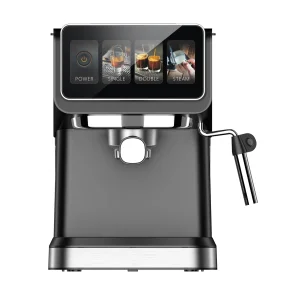
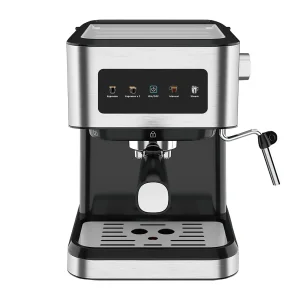
| 15 Bar Espresso (e.g., CM3160 / CM3000) | Italian Ulka Vibration Pump + Casting Thermoblock | 15 Bar (9 Bar group head extraction) | NTC Thermistor / PID Closed-Loop System (±0.5°C) | Capacitive Touch Sensing PCB, Automatic Flow Volumetric Auto-Stop |
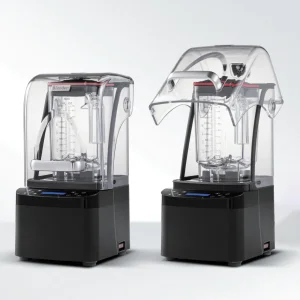
| Multi-Function Heating Blenders (e.g., CM-903) | Brushless DC Motor + Flat Bottom Die-Cast Heating Plate | N/A (Atmospheric pressure) | Dual-Sensor Overheat & Precise Boiling Point Calibration | Smart Microcontroller Unit (MCU), Silent Enclosure Control, LCD Interface |
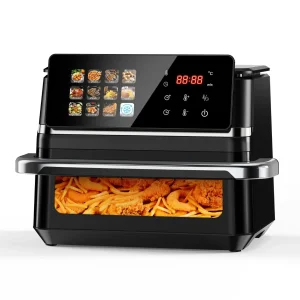
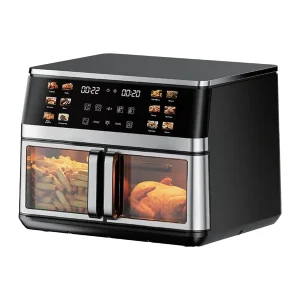
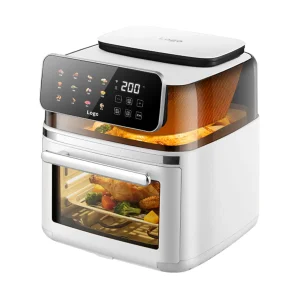
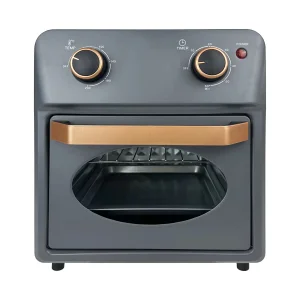
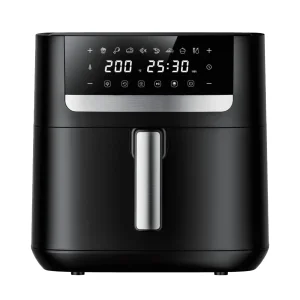
| Rapid Convection Systems (Air Fryer Ovens) | High-Velocity Circulation + Nickel-Chromium Coil | N/A (Airflow Velocity 4.5 m/s) | Dual NTC Probe Ambient Air Tracking (±1.5°C) | Multi-Preset Digital Color OS (iOS / iPad style touch screens), Smart App Control |
Precision temperature management prevents the extraction of harsh chlorogenic acids (which occur at temperatures above 96°C) while ensuring complete extraction of sweet lipids and floral compounds (which require temperatures above 90°C). By combining this thermal control with an Italian 15 Bar pressure system, our machines produce espresso with a rich, long-lasting crema.
Modern brewing technology must adapt to diverse operational settings. Each application scenario requires specific engineering considerations:
In high-use commercial and office environments, equipment durability is critical. In these settings, machine downtime directly impacts operational efficiency. High-capacity, low-noise systems are essential:
In residential settings, consumers seek aesthetics, clean counter layouts, and multi-functional capability. This need has driven the development of smart, connected kitchen appliances:
Sourcing engineers and global retail category buyers must verify specific regulatory and technical milestones when onboarding a new manufacturing partner. Use the checklist below to evaluate your next supplier:
Verify that the factory holds active certificates matching your target markets:
A reliable supplier must conduct multi-stage quality control checks at every stage of production:
As the industry moves toward greater connectivity and sustainability, three major technological shifts are shaping the future of small kitchen appliances:
Critical engineering, sourcing, and OEM/ODM answers for global category managers and procurement directors.
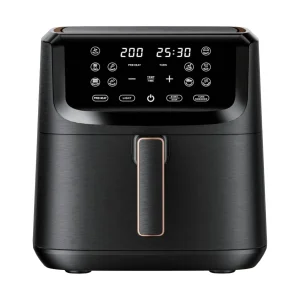
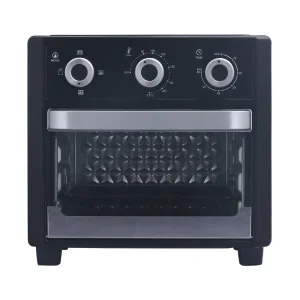
Explore our specialized espresso extraction systems, versatile blenders, and compact cooking ovens engineered for modern consumer demands.
 Zhenmei Electrical