China Capsule Coffee Machine Suppliers & Manufacturer Ecosystem

High-Precision OEM/ODM Sourcing Guide: Elevating Brewing Technology, Supply Chain Stability, and Compliance Standards for Global Brands.

The global capsule coffee machine sector is undergoing a massive shift towards premium extraction precision, multi-pod compatibility, and ecological sustainability. As global buyers navigate the complexities of sourcing reliable high-pressure brewing hardware, aligning with a premier China capsule coffee machine supplier that integrates modern R&D, supply chain resilience, and stringent global compliance is critical. This whitepaper analyzes the technical architecture, manufacturing landscape, and supply chain efficiencies defining today's market.

16+
Years Industry Experience
40k+
SQM Facility Area
10k+
Daily Output (Units)
20+
R&D Engineers

1. The Global Landscape & Capsule Sourcing Dynamics

Single-serve espresso systems are no longer limited to high-end households. In today’s B2B landscape, commercial offices, boutique hospitality chains, and modern residential developments demand flexible, low-maintenance espresso extraction solutions. This rise in demand has established capsule coffee machines as a dominant force in the global beverage appliance market.

For buyers and distributors, selecting a China capsule coffee machine manufacturer requires looking beyond mere cost per unit. The evaluation must cover pump pressure calibration, thermal block responsiveness, and compliance with varying international patent frameworks. High-quality Chinese factories have transitioned from simple assembly workshops to sophisticated technical partners capable of executing deep OEM/ODM customizations.

2. Technical Roadmap & Future Architectural Engineering

Achieving the perfect cup of espresso requires balancing pressure, temperature, and extraction duration. Premium manufacturers leverage advanced hardware topologies to consistently deliver barista-level coffee:

19-20 Bar Pressure Pumps

High-pressure ULKA or Jiayin electromagnetic vibration pumps ensure rich crema extraction by penetrating the capsule seal precisely at optimal pressure levels.

Instant Heating Thermoblocks

Utilizing high-power heating elements (1200W-1450W) with die-cast aluminum water paths lined with stainless steel to prevent heavy metal leaching and scale build-up.

PID Precision Controls

Proportional-Integral-Derivative controllers regulate thermoblock temperatures to within ±0.5°C, eliminating bitter or under-extracted sour flavors.

As we look to the future, the technical roadmap for capsule coffee makers highlights three key areas:

  • Multi-Capsule Compatibility: Interchangeable chamber modules allowing seamless brewing of Nespresso, Dolce Gusto, K-Cup, and point-to-point paper pods within a single unit.
  • Eco-Friendly Brewing Systems: Engineering modifications to injection needles and pod chambers to support PLA (polylactic acid) compostable capsules without structural damage or pressure failure.
  • Smart Home Connectivity: BLE (Bluetooth Low Energy) and Wi-Fi modules integrated into MCU controllers, enabling users to program custom temperature profiles and pre-wetting phases via mobile apps.

3. Localized Application Scenarios & Spatial Needs

Capsule coffee machine engineering must adapt to different operating environments. A premium manufacturer designs models tailored to specific localized use cases:

  • Corporate Offices & Coworking Areas: Focuses on high-capacity water reservoirs (up to 1.8L) and automated capsule ejection dropboxes holding over 15 used pods. Integrated drip trays adjust to accommodate various cup sizes.
  • Boutique Hotels & VIP Hospitality suites: Emphasizes ultra-quiet extraction mechanisms (under 50dB) and compact footprints to fit within minibar cabinets. Simple user interfaces allow guests to brew easily without reading complex manuals.
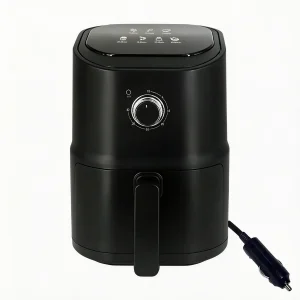
  • Automotive, RV, and Off-Grid Camping: Utilizing low-voltage DC heating setups or high-efficiency low-wattage configurations, similar to portable car air fryers, optimizing power usage while delivering consistent hot coffee.

4. China Factory Supply Chain Resilience & Efficiency Advantages

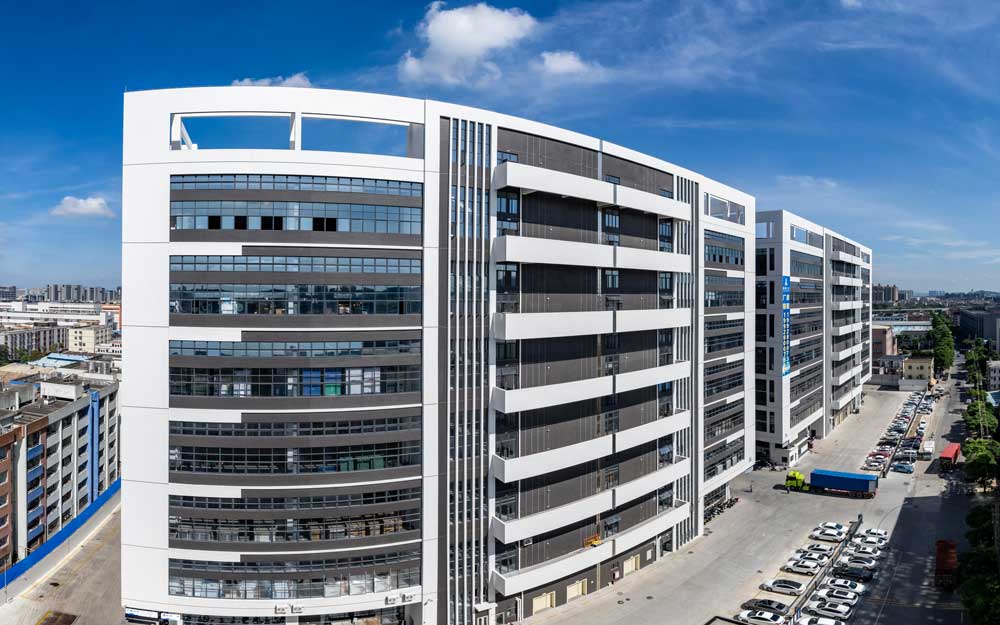
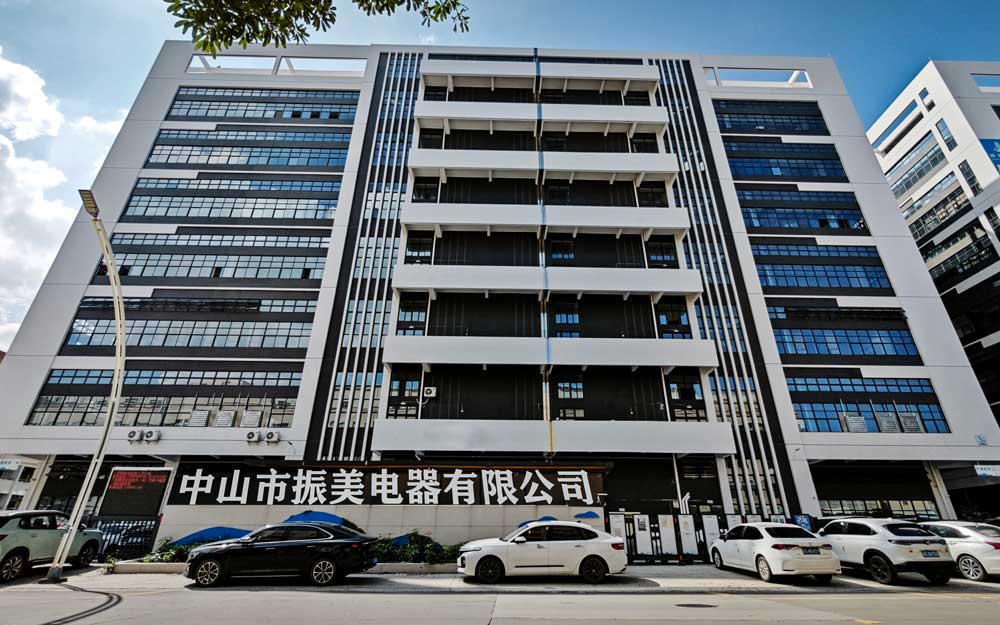
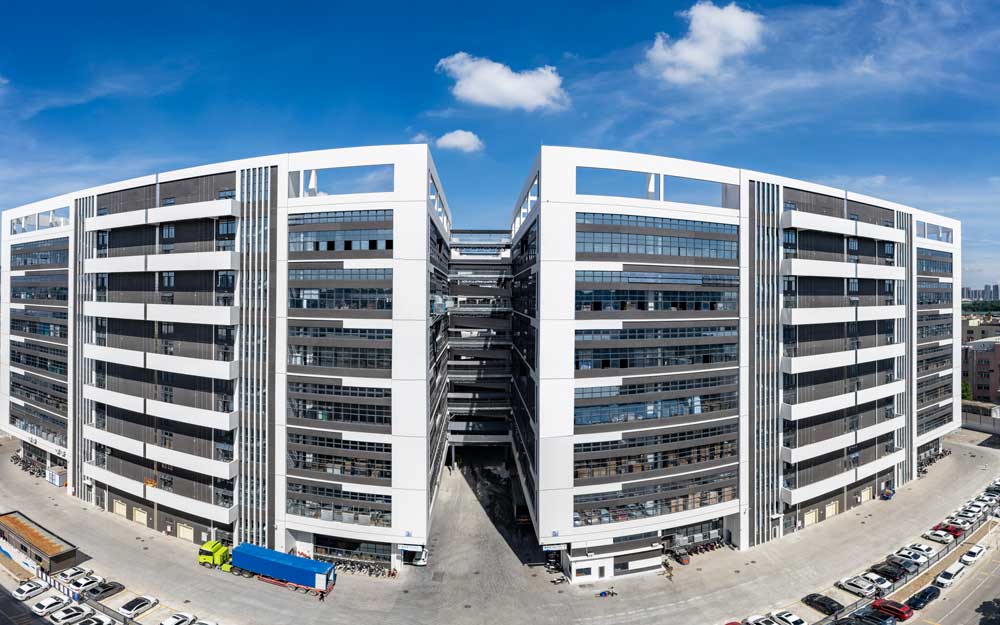
Selecting a supplier like Zhongshan Zhenmei Electrical Appliance Co., Ltd. offers significant advantages, particularly due to its location within the world's most dense kitchen appliance cluster in Guangdong. This regional concentration ensures high supply chain efficiency and product quality.

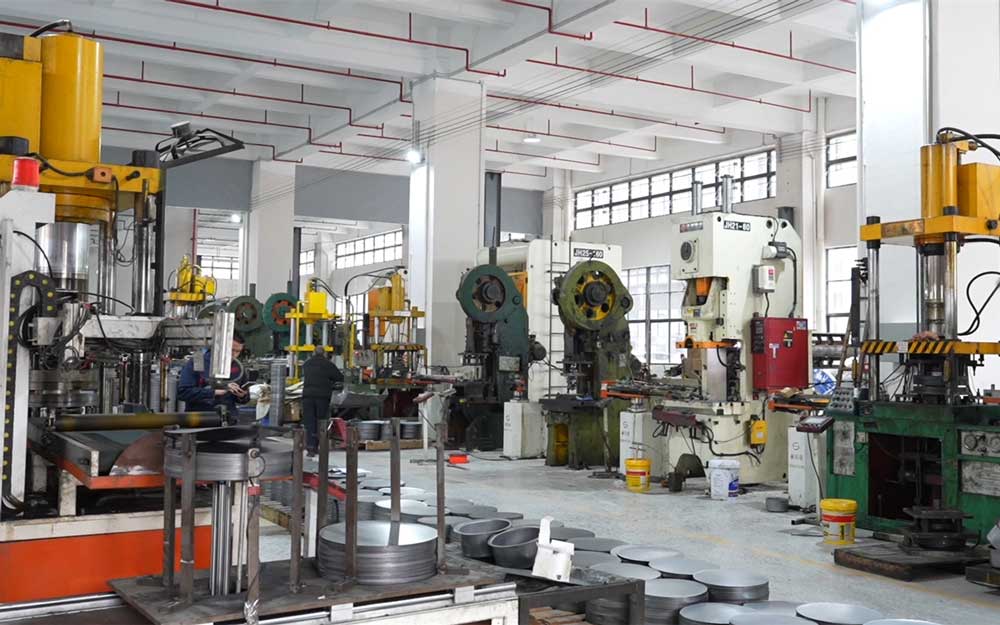
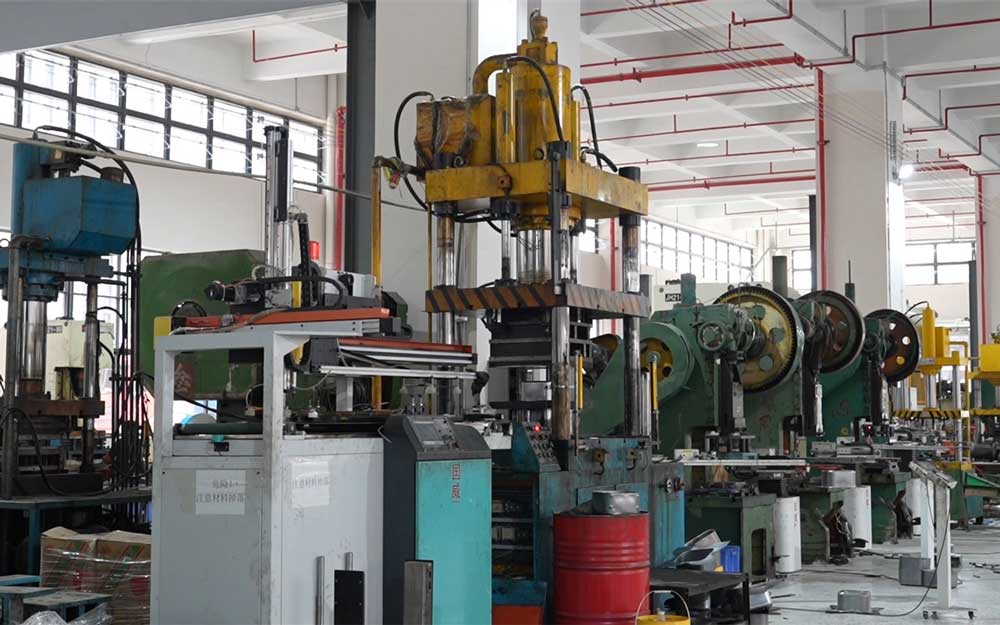
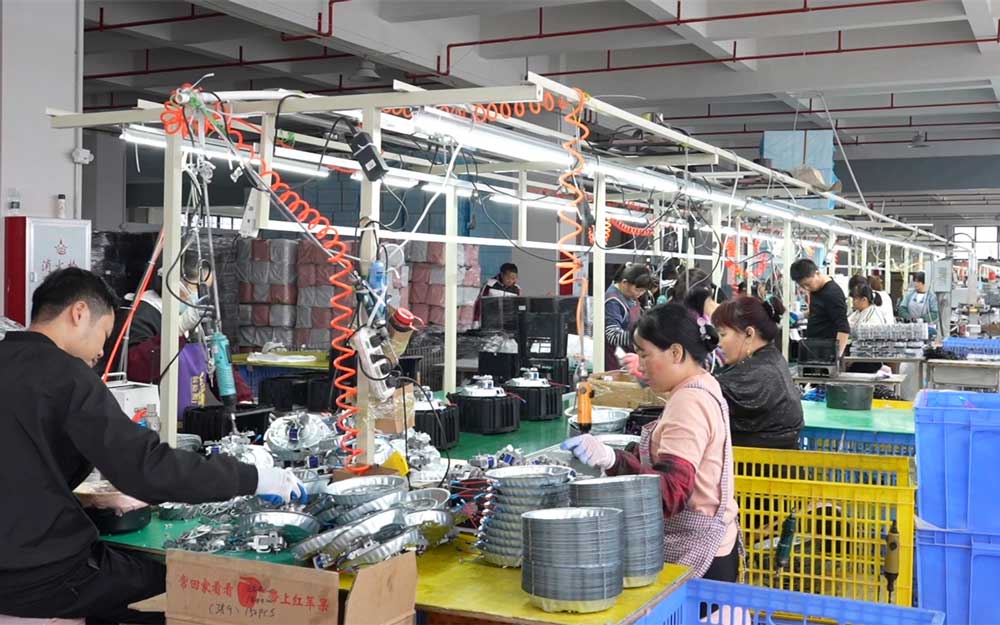
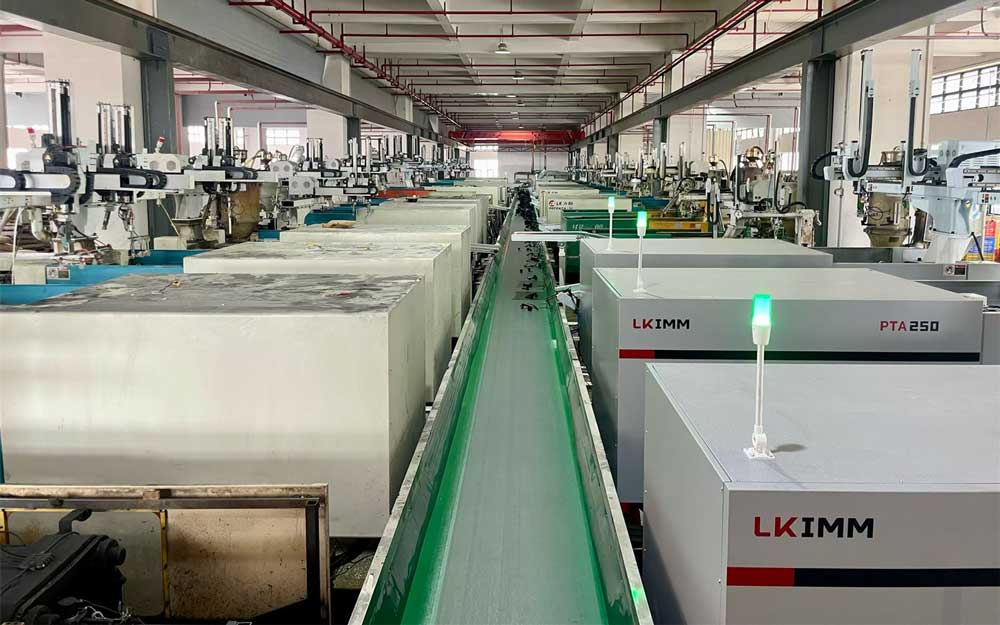
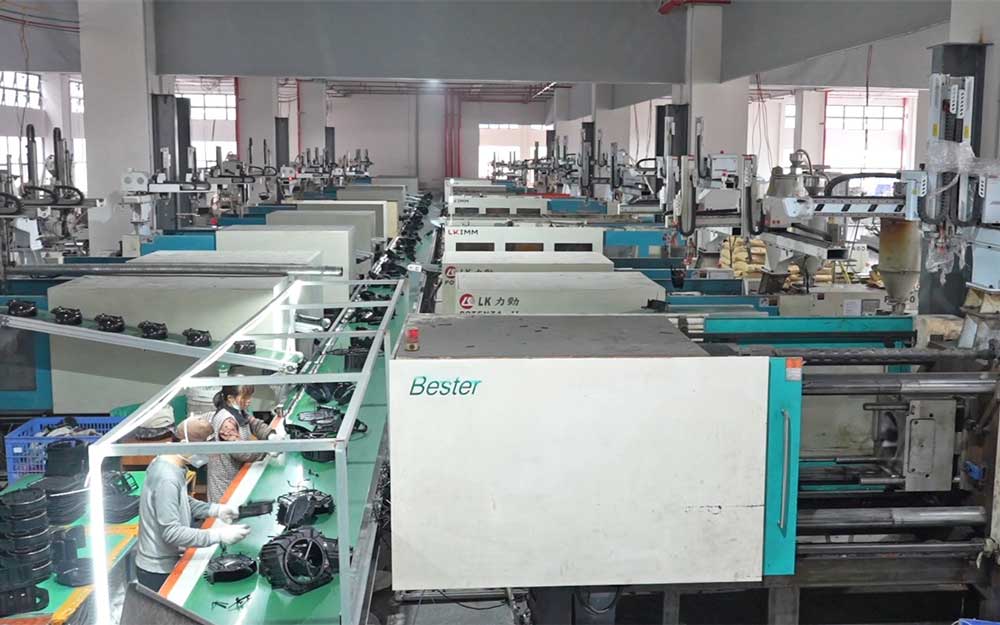
Our robust production capacity is backed by a 40,000 square meter facility, powered by over 300 dedicated professionals and an engineering team of more than 20 R&D experts. This infrastructure enables us to achieve a daily output exceeding 10,000 units, ensuring reliable supply for high-volume orders.

The manufacturing ecosystem delivers critical benefits:
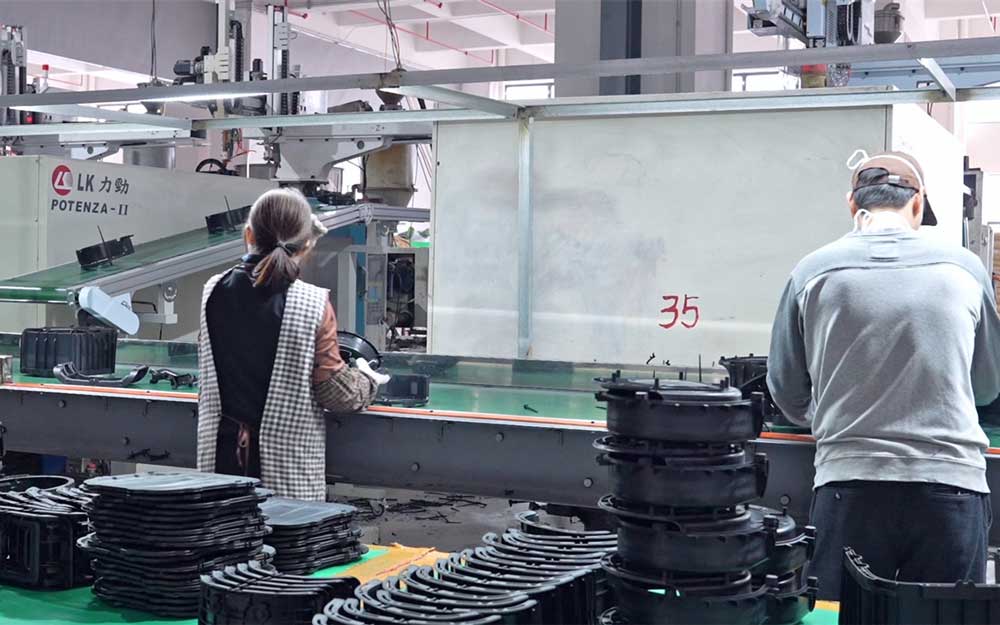
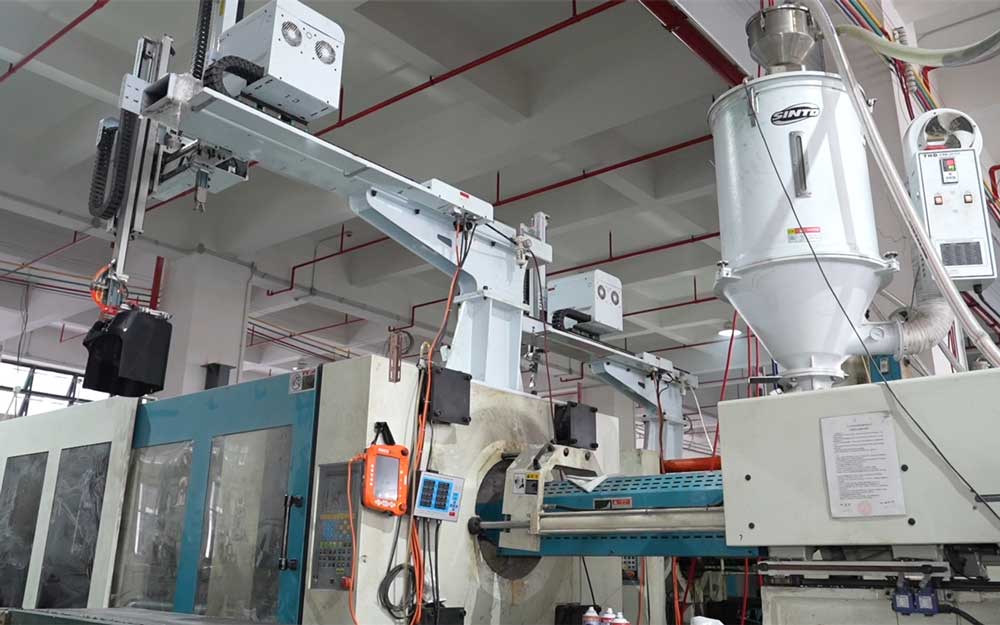
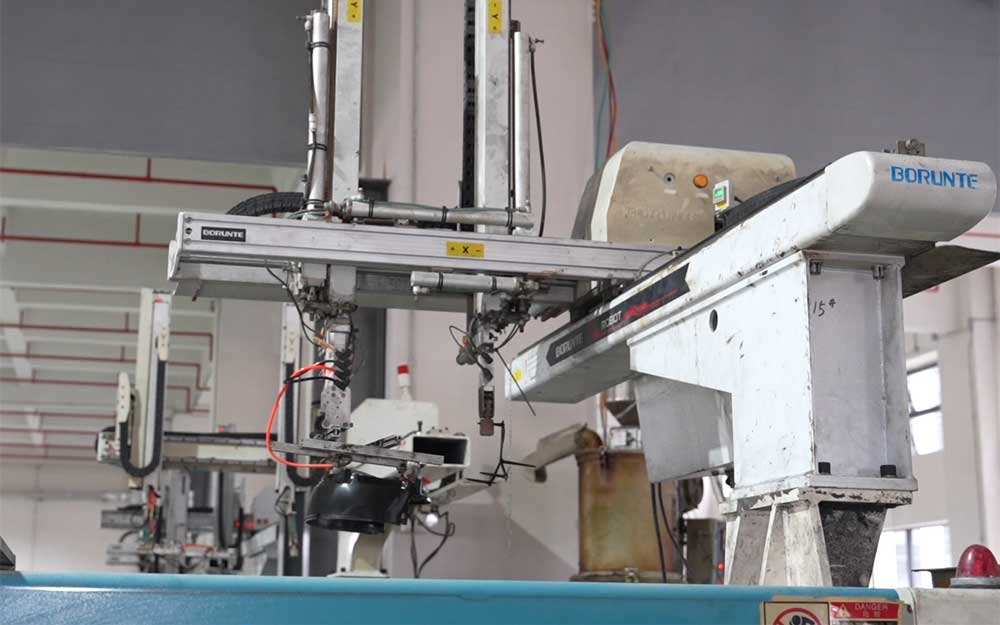
  • Vertical Component Integration: From in-house high-tonnage plastic injection molding to sheet metal stamping and cable assembly, we maintain full quality control and reduce reliance on third-party suppliers.
  • Strategic Component Sourcing: Key precision parts—such as silicone pressure seals, flowmeters, and high-pressure brass connectors—are sourced locally in Guangdong. This ensures reliable supply even during volatile freight periods.
  • Rigorous Testing Laboratories: Every production run undergoes extensive testing, including lifetime aging tests (up to 5,000 cycles), high-pressure leakage tests, and food-grade LFGB material analysis.

5. Global Support, Compliance & Quality Standards

Navigating international safety certifications is critical when importing electrical appliances. Sourcing partners must ensure all products meet key global standards:

  • Electrical Safety (CE, CB, GS, UL): Internal wiring, creepage distances, and electrical insulation must comply with IEC 60335-2-15 specific standards for liquid heating appliances.
  • Food Grade Compliance (LFGB, FDA, RoHS): All components in contact with hot water or espresso extraction must be BPA-free and release no chemical residues at high temperatures.
  • Energy Conservation (ErP Class A+): Incorporating automatic standby modes that disconnect thermoblock power within 9 minutes of inactivity, satisfying strict European green energy mandates.

6. FAQ: Key Sourcing & Engineering Questions Answered

Can you customize capsule brewing chambers for regional pod variations?
Yes. Our R&D division designs interchangeable brewing groups capable of accommodating Nespresso Classic, Dolce Gusto, K-Cup, and point-to-point capsule systems. We also offer customization for custom private-label pod designs.
What is the typical OEM/ODM development lifecycle for new designs?
Generally, structural and industrial design takes 2-3 weeks. Working 3D functional prototypes are delivered within 30-45 days. Tooling development and pre-production certification require 45-60 days, followed by mass manufacturing.
How do you handle water pressure and flow stability during extraction?
Our machines utilize precise Swiss-made flowmeters integrated with dynamic feedback loops inside the main MCU control board. The system adjusts power to the electromagnetic vibration pump in real-time, maintaining a stable flow rate and constant high pressure.
Are there mechanisms to mitigate scales in hard-water geographic zones?
Our heating thermoblocks feature food-grade Teflon coatings along the inner fluid channel walls. This reduces the adhesion of calcium carbonate ions, extending the machine's operating lifespan in hard-water regions.