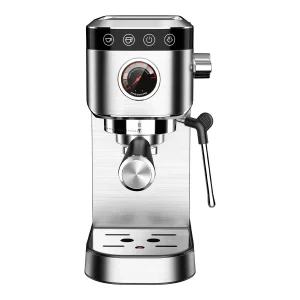
For modern commercial buyers, brand managers, and import distributors, identifying a trustworthy partner in China for bulk pressure cookers is no longer a matter of simply locating the lowest unit price. It requires a profound understanding of structural engineering safety, heat treatment capabilities, regulatory alignment, and factory scalability.
As semantic search queries shift toward demanding "sustainable manufacturing practices," "IoT smart kitchen compatibility," and "food-grade material traceability," businesses must evaluate the entire operational ecosystem of their chosen manufacturer. The global kitchen appliance industry is in the midst of a technological transition, moving away from single-cook thermal systems to multi-functional, chip-controlled pressure and convection combo devices.
Our mandate as an industry-leading OEM/ODM hub in Zhongshan is to address these macro challenges. By offering comprehensive R&D expertise, fully certified quality assurance metrics, and vertically integrated manufacturing, we enable global entities to introduce state-of-the-art multi-cookers that exceed end-user expectations while mitigating supply chain risks.
When sourcing commercial or residential pressure cookers globally, the focus must center on safety engineering compliance. In this whitepaper, we dissect the core advantages, engineering parameters, and global trends shaping the pressure cooking sector in 2025 and beyond.
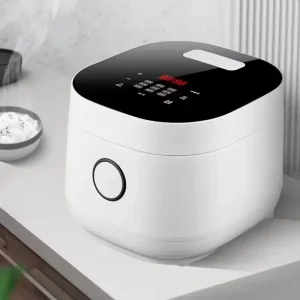
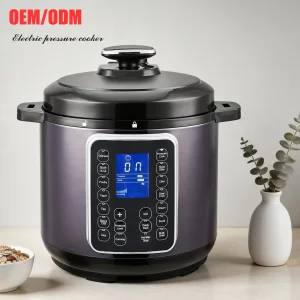
Modern electric pressure cookers (EPCs) operate under extreme mechanical stress, typically generating pressures between 70 kPa and 90 kPa (kilopascals) to elevate boiling points up to 120°C. This requires precise calculation of structural integrity, lid sealing mechanisms, and thermal efficiency. Below is an engineering overview of our standard bulk pressure cooker specifications:
| Feature/Parameter | Technical Specification | Sourcing Benefit |
|---|---|---|
| Inner Pot Construction | Food-Grade SUS304 Stainless Steel or Die-cast Aluminum with PFAS-free Ceramic Non-stick Coating | Maximum thermal conductivity, structural longevity, and absolute food safety compliance. |
| Pressure Management | Automatic Solenoid Pressure Release Valve + Manual Backup Mechanical Weight Valve | Redundant safety features that satisfy rigorous European and North American retail test requirements. |
| Heating Element | High-Density Induction Heating (IH) or Concentric Die-Cast Heating Plate (1000W - 1500W) | Even heat distribution preventing hotspots and burning, reducing cooking time by 40%. |
| Thermal Control | Dual NTC Thermistors (Base & Lid Sensors) with PID Closed-loop Temperature Logic | Extremely precise temperature regulation to within +/- 1°C for optimal recipe execution. |
| Chassis Integrity | High-tensile SUS430 Brushed Stainless Steel Outer Housing with Anti-Fingerprint Coating | Premium structural aesthetic with high corrosion resistance in humid kitchen environments. |
From an engineering perspective, the critical failure point for sub-standard pressure cookers lies in the gasket durability and lid-locking mechanism. Our R&D division implements high-grade, food-contact silicone gaskets that undergo rigorous tension testing up to 10,000 cooking cycles without structural deformation. Furthermore, our electric pressure cookers incorporate an interlocking lid safety system that prevents pressurized operations if the lid is improperly aligned, and inhibits lid removal while internal pressure remains above 5 kPa.
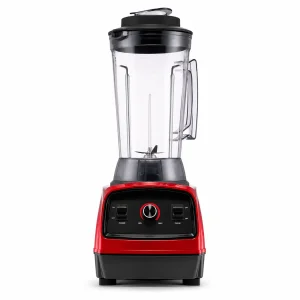
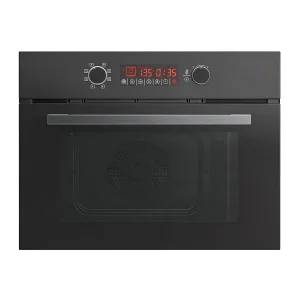
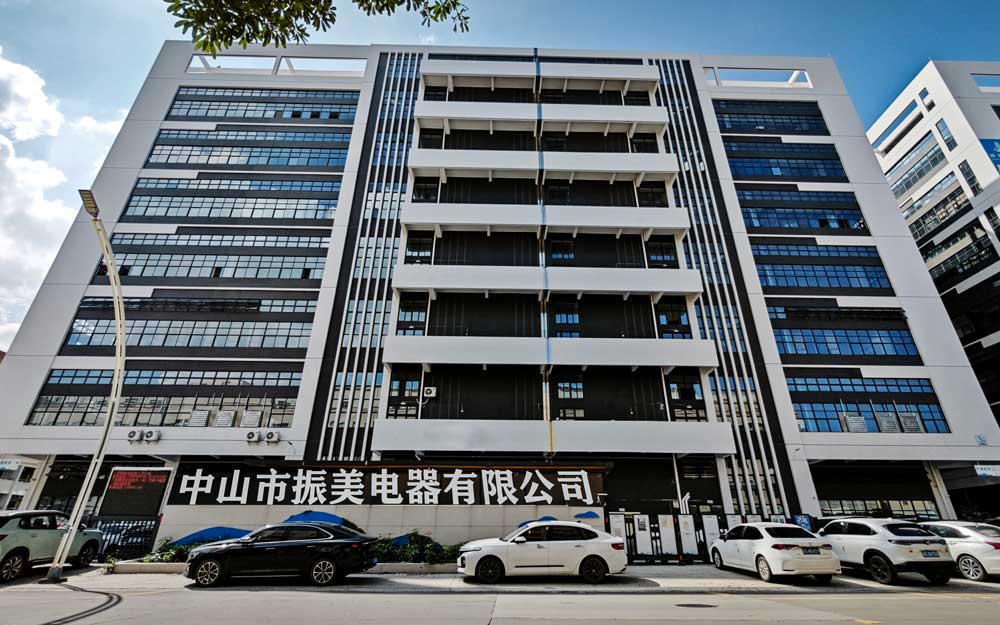
Zhongshan Zhenmei Electrical Appliance Co., Ltd. is a premier OEM/ODM partner specializing in the manufacturing of kitchen appliances, including air fryers, electric pressure cookers, blenders, and more. With over 16 years of expertise, we transform concepts into high-quality, market-ready products for leading global brands.
Our strength lies in robust in-house manufacturing. Operating from a 40,000 sqm advanced facility, powered by 300+ dedicated professionals and 20+ R&D experts, we ensure precision and control at every stage.
Our massive 10,000+ units daily output reliably meets the demands of high-volume orders worldwide. We are committed to excellence, underpinned by a rigorous quality control system that guarantees the safety and reliability of every product.
We are the trusted, end-to-end solution for your OEM/ODM needs. Choose us for innovation, scale, and reliability. Let's build your next success story together.

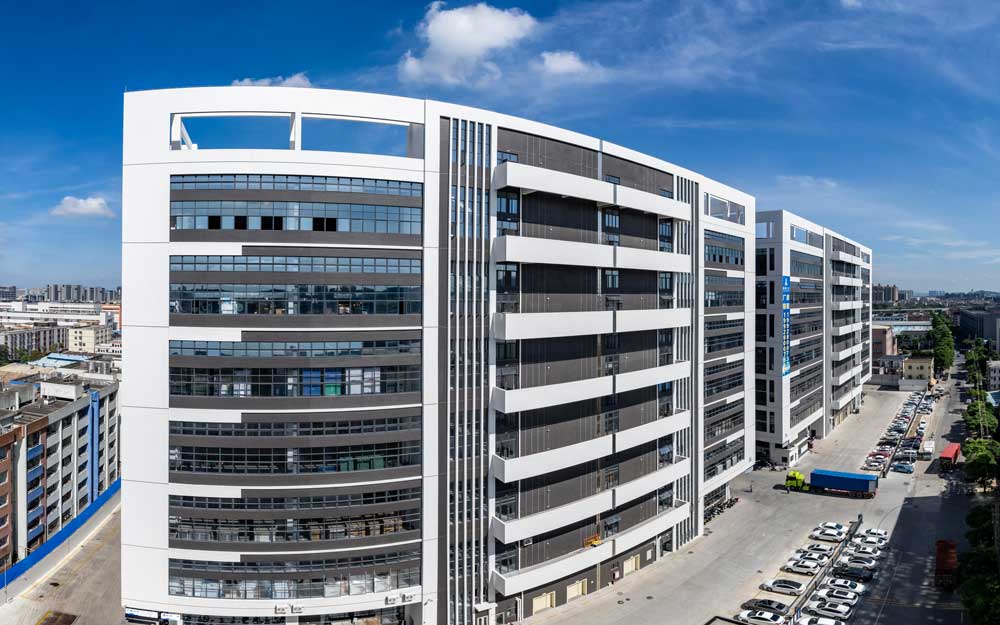
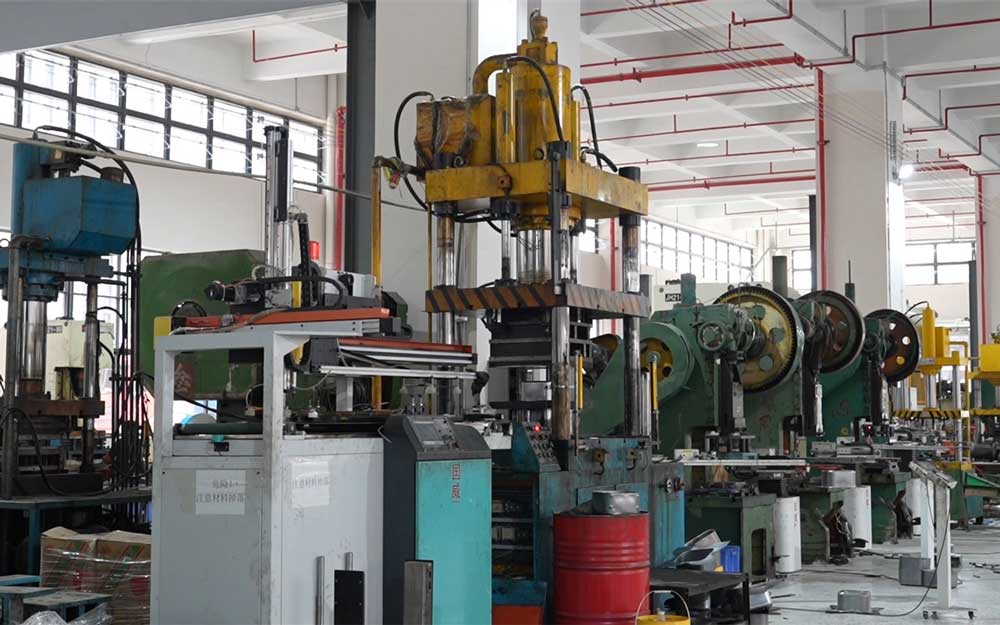
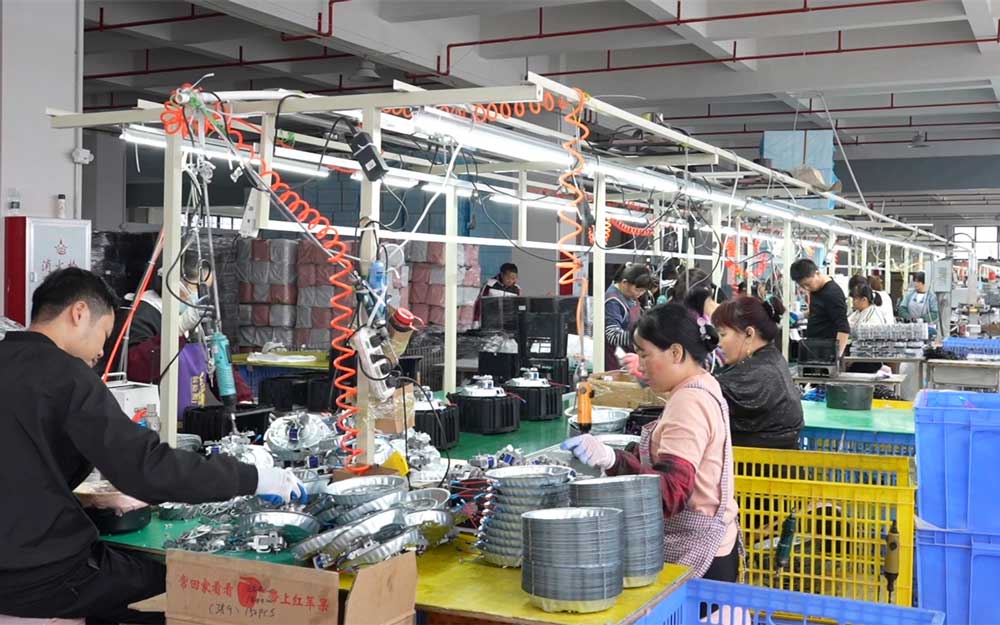
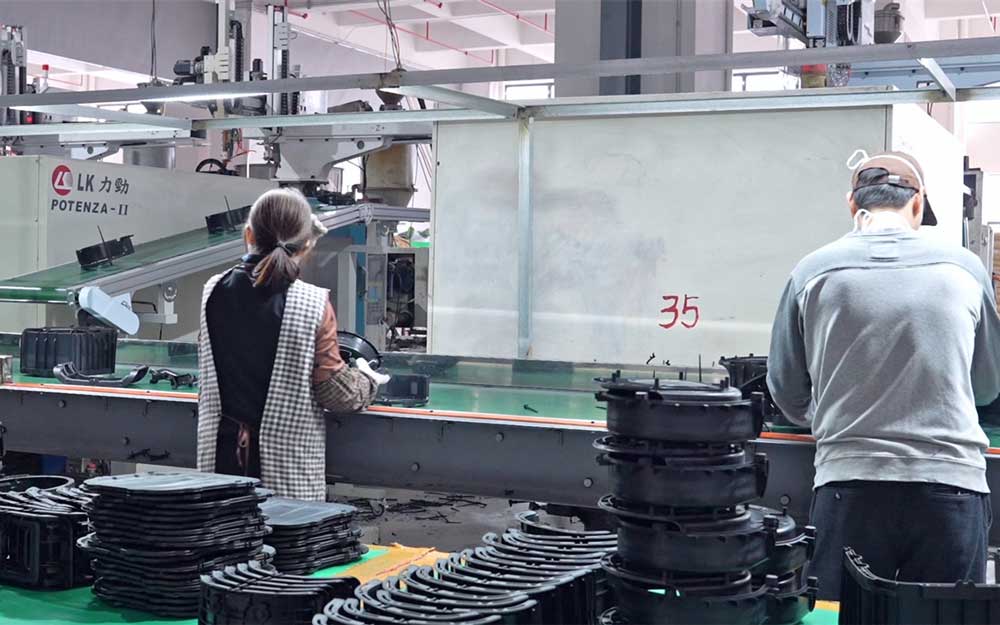
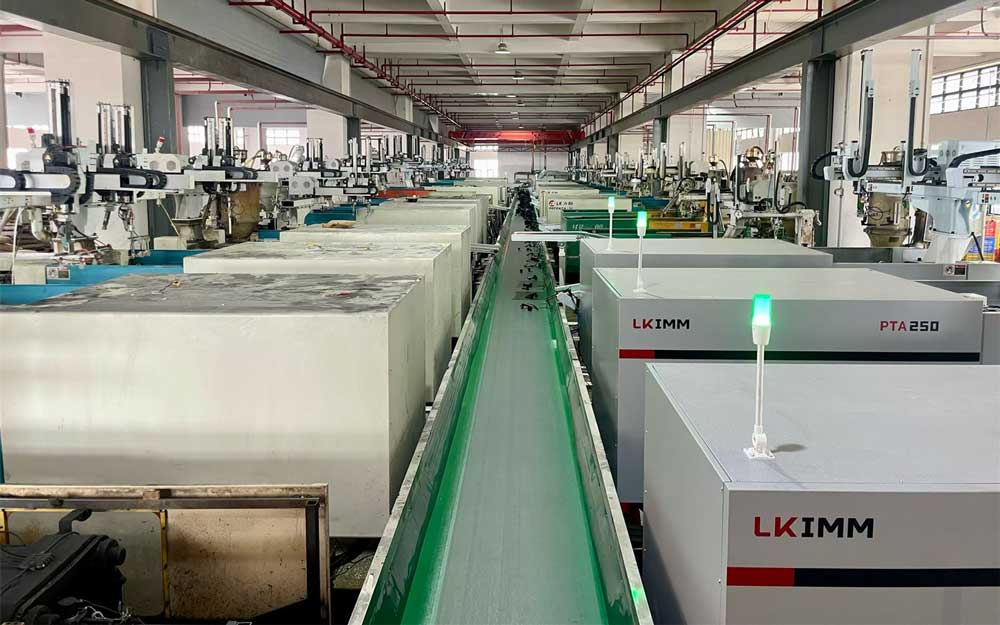
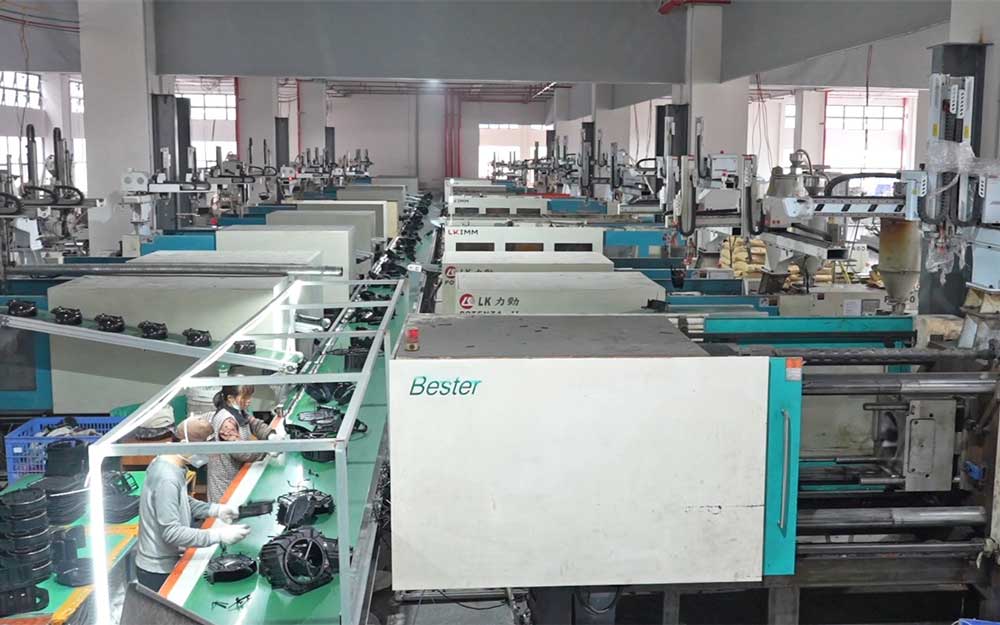
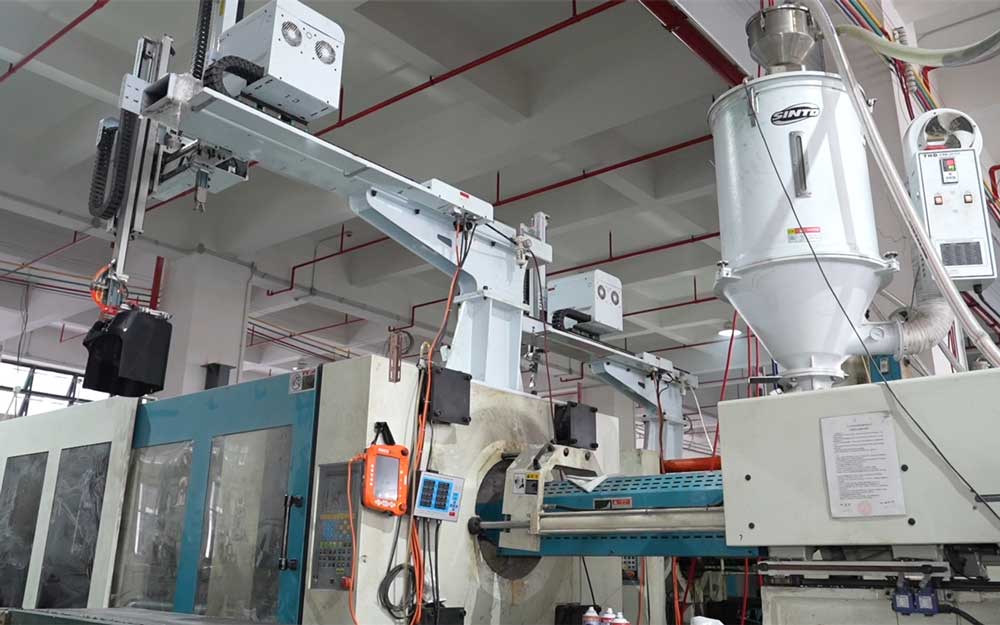
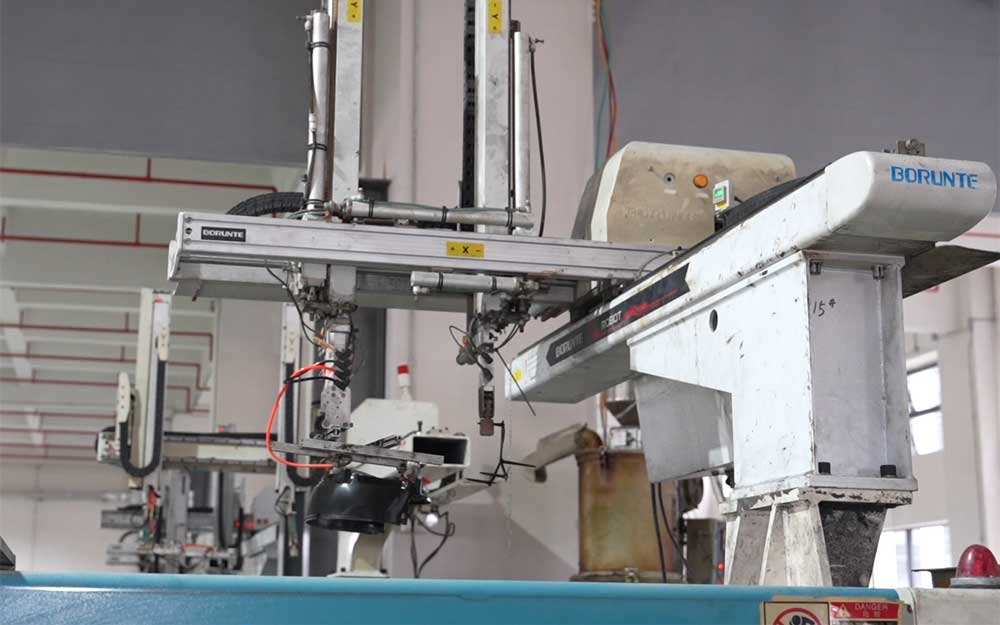
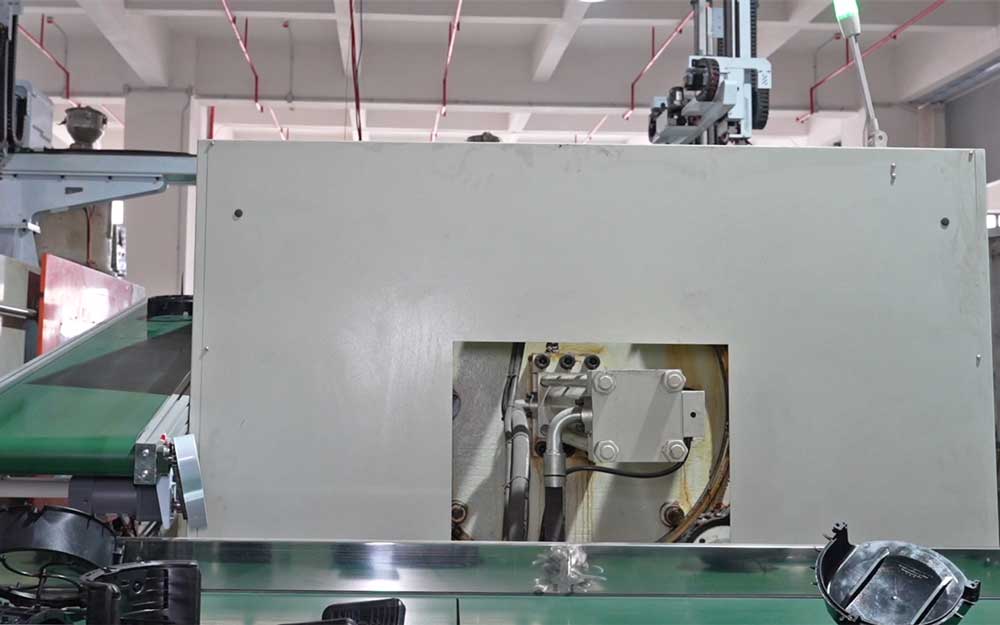
For procurement professionals evaluating manufacturing options, China's kitchen appliance clusters (most notably in Guangdong Province) provide unparalleled structural advantages that cannot be easily replicated elsewhere. The efficiency of a pressure cooker supplier is determined not just by the machinery within their factory walls, but by the supply-chain density surrounding them.
Zhongshan Zhenmei sits at the heart of this regional network. Within a 50-kilometer radius of our factory gates, we source high-purity aluminum alloys, precision microchips, custom silicone seals, and double-wall corrugated packaging. This geographic concentration minimizes transit delays and shields our partners from the volatile overhead costs associated with fragmented logistics. When you source bulk pressure cookers from us, you tap into a robust system engineered for efficiency.
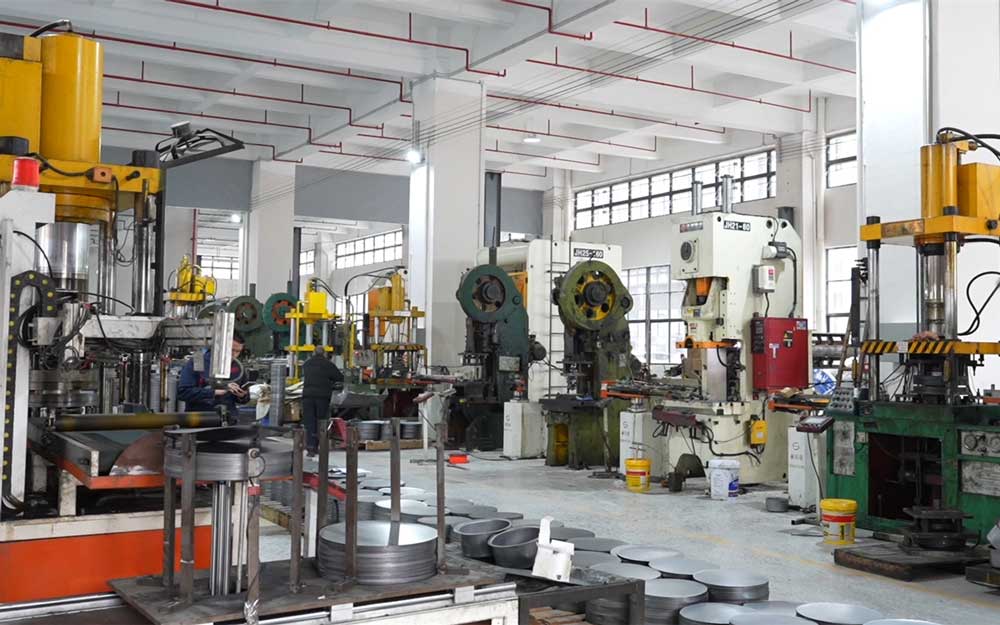
Furthermore, China’s industrial ecosystem excels at advanced metal stamping and injection molding tooling. We invest heavily in multi-stage hydraulic presses capable of forming single-sheet steel pots with uniform density. This structural integrity is critical for high-pressure appliances and prevents the micro-fissures that lead to pressure loss or safety failures over time. Our clients benefit directly from this investment in automated manufacturing.
Our engineering team works closely with brand managers to provide OEM customizations that alter the technical capabilities of the unit without compromising certified baselines. This includes customizing safety systems, developing specific heat profiles for regional grain types (e.g., specific algorithms for Basmati rice in the Middle East or sticky rice in Southeast Asia), and tailoring localized UI/UX designs.
By leveraging our deep understanding of international safety regulations (UL, GS, CE, CB, RoHS), we assist global partners in circumventing costly customs delays and certification roadblocks. Every batch of electric pressure cookers leaving our facility is backed by testing certificates that facilitate rapid market entry and safeguard brand equity in highly competitive retail sectors.
As consumer demands evolve, the technical demarcation lines between traditional kitchen categories continue to blur. The most prominent trend is the rising demand for hybrid multi-cookers. Below are the key transformations shaping the commercial sourcing pipeline today:
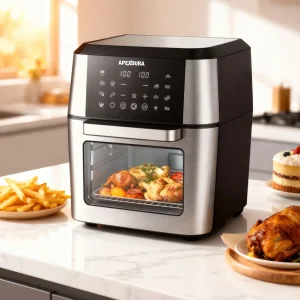
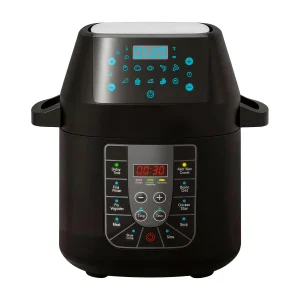
Consumers seek units that combine pressure cooking with air-frying functions (like the YBW610 model). This integration requires sophisticated power management modules to switch between 1000W pressure-base heating and 1500W convective air circulation systems.
Static heat switches are being replaced by dynamic microcontrollers that actively adjust power input based on pressure build-up rates. This reduces energy consumption by 25% and ensures consistent texture profiles for diverse food types.
Global chemical bans on traditional PTFE are driving transition toward food-safe ceramic and hard-anodized interior surfaces. Brands sourcing bulk pressure cookers must verify raw materials are PFOA and PFAS free.
A major pitfall in global appliance sourcing is attempting to market a uniform product across regions without customizing it to localized culinary habits, grid specs, and safety guidelines. The engineering requirements for a bulk pressure cooker destination differ significantly by region:
Sourcing for the US and Canadian retail markets requires strict compliance with UL 1026 standards. Power limits (typically 120V, 60Hz, max 1200W) demand tailored thermal engineering to optimize boil times without overloading standard 15-amp kitchen circuits. Additionally, the user interface must be clean, digital, and intuitive, often prioritizing presets for meats, stews, and grains. Our factory configures custom UI overlays with bilingual warnings in English and French to comply with regional regulations.
For the EU, compliance with CE, GS, and EN 60335-2-15 is mandatory. Furthermore, recent revisions to ErP (Energy-related Products) directives require strict standby energy limits. Our European exports incorporate intelligent auto-shutdown modules that reduce standby power consumption to under 0.5W. Inner cooking pots must satisfy LFGB chemical migration testing, ensuring zero heavy metal leaching during high-pressure thermal cycles.
Unlike the 5L and 6L standard capacities dominant in Western markets, procurement teams targeting the Middle East, Central Asia, and East Asia require high-volume multi-cookers ranging from 8L to 12L capacities. These larger units cook for extended families, demanding enhanced heating elements (up to 1600W) to efficiently heat the larger thermal mass. We construct these pots with reinforced structural ribs to prevent base warping under continuous high-temperature loads.
For commercial hospitality and catering enterprises, we construct heavy-duty pressure systems that undergo specialized industrial testing. These units feature manual dials alongside digital interfaces, offering operators fail-safe redundancy. The high-stress environments of commercial kitchens demand thicker gauge stainless steel shells and reinforced carry handles to withstand frequent transit and heavy daily usage.
Our production system is built on rigorous testing. We understand that a single pressure safety malfunction can result in product recalls and sever damage to a brand's market reputation. To prevent this, Zhongshan Zhenmei implements a multi-tier Quality Assurance (QA) workflow across the manufacturing cycle:
We audit all raw steel sheets, heating elements, silicon compounds, and electrical IC chips upon arrival. Spectrometer testing is performed on steel batches to verify the precise elemental composition of nickel and chromium required for food-grade compliance.
At various stages of the assembly line, automated sensors verify voltage consistency, pressure threshold alignment, and structural alignment. Samples from every batch undergo pressure-stress testing at 1.5 times the maximum rated operating capacity.
Finished pressure cookers undergo 100% dielectric strength testing (Hi-pot test), ground continuity tests, and functional test runs. Visual inspections ensure anti-fingerprint coatings are flawless prior to packaging in impact-tested cartons.
Our manufacturing facility is audited regularly for social and structural compliance, maintaining clear trace documentation from component sourcing to shipping container seals. This transparency is crucial for global enterprises that require auditable supply chains for regulatory ESG compliance.
 Zhenmei Electrical