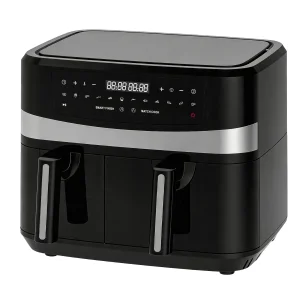
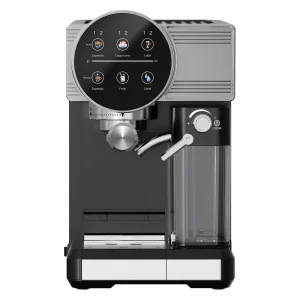
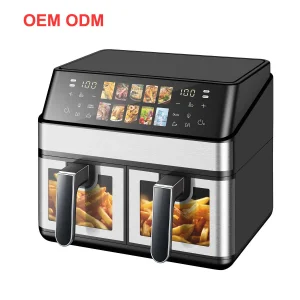
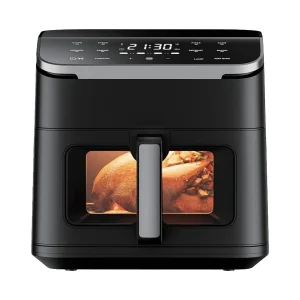
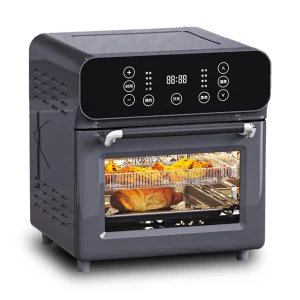
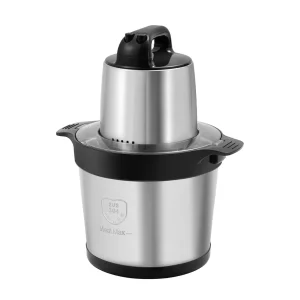
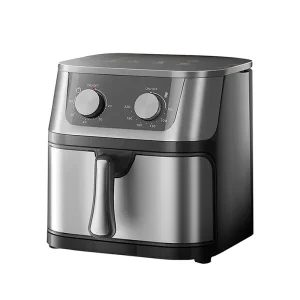
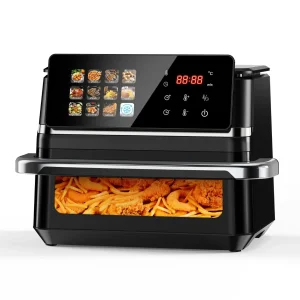
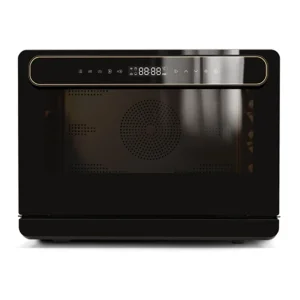
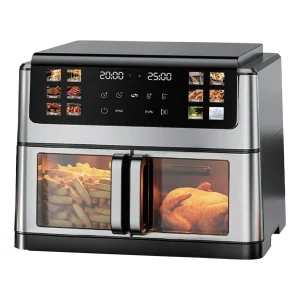
The global demand for automated bulk fufu machines has experienced exponential growth, transitioning from a localized household practice to a highly industrialized sector. Fufu, the carbohydrate-dense staple food prepared from boiled and pounded cassava, yams, plantains, or cocoyams, is consumed daily by over 500 million people across West and Central Africa, the Caribbean, and expanding diaspora communities in Europe and North America. Historically, fufu preparation has been incredibly labor-intensive, requiring multiple operators to manually crush and knead hot starches using heavy wooden mortars and pestles. This bottleneck limited commercial kitchen scalability, posed significant hygiene concerns, and produced high physical strain.
Today, rapid urbanization, rising disposable incomes, and the expansion of Quick-Service Restaurants (QSRs) across major metropolitan hubs like Lagos, Accra, London, Houston, and Paris have driven the demand for professional-grade bulk fufu processing machinery. China-based manufacturers have positioned themselves at the forefront of this industrial shift. By leveraging high-precision metal stamping, advanced thermodynamics, high-torque induction motors, and automated control logic, Chinese factories are engineering high-capacity, heavy-duty commercial mixers and grinders capable of processing between 50kg to 500kg of paste per hour. This industrialization allows local food entrepreneurs, commercial processing plants, and hospitality chains to lower operations costs, ensure consistent texture (elasticity and smoothness), and maintain rigorous food safety standards.
The mechanical engineering of bulk fufu processors has advanced significantly over the past decade. Processing cassava or yam starch requires a delicate balance of continuous heat, moisture, and high-shear mechanical mixing to achieve the perfect gelatinization index. Standard kitchen appliances fail under the high-viscosity profile of starch pastes, which often results in motor burnouts and uneven lump formation.
Modern bulk fufu machines produced by leading factories incorporate key technological innovations:


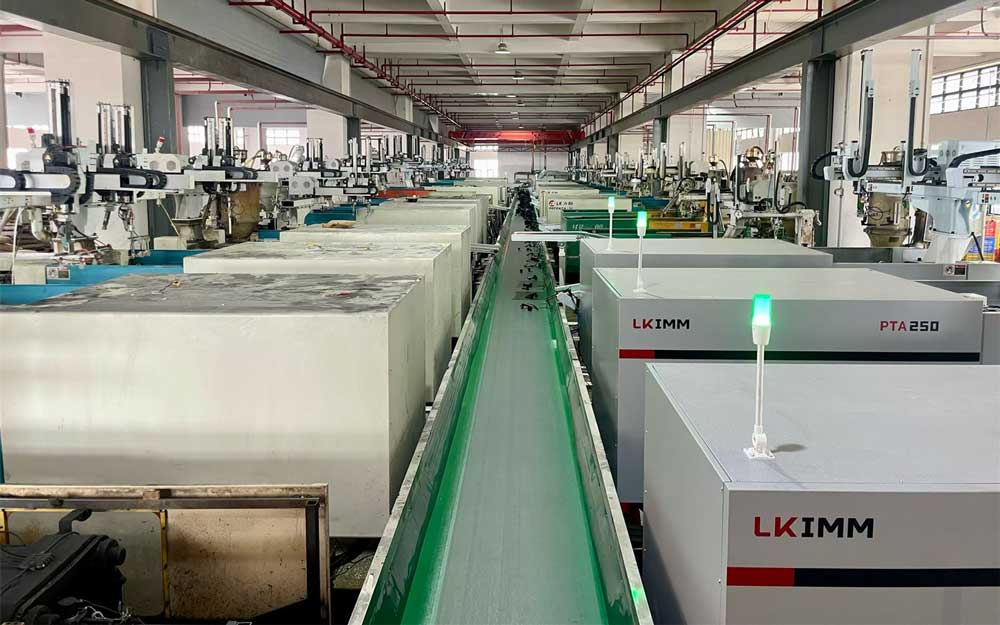
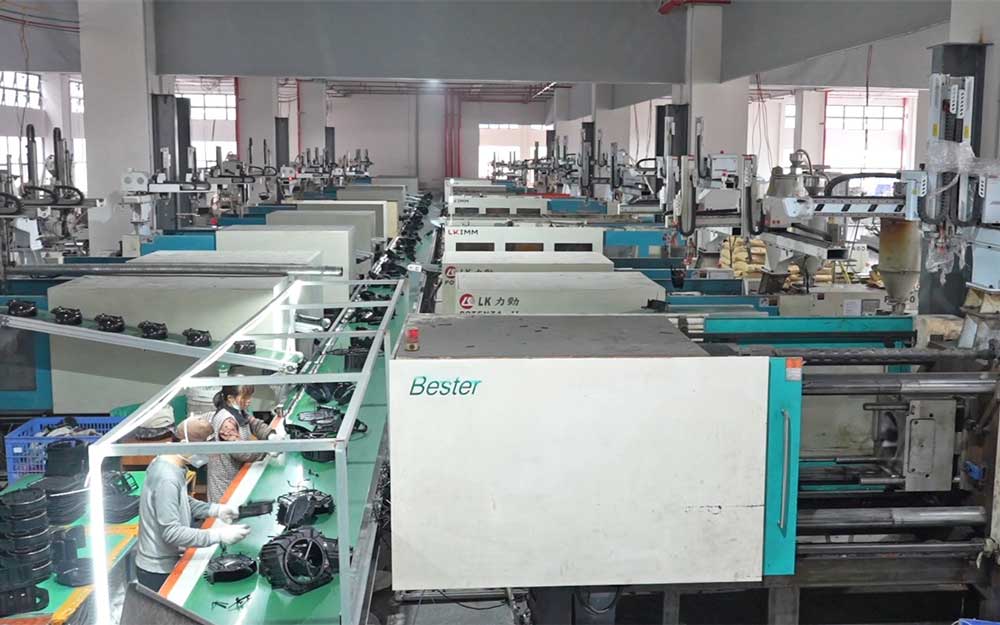
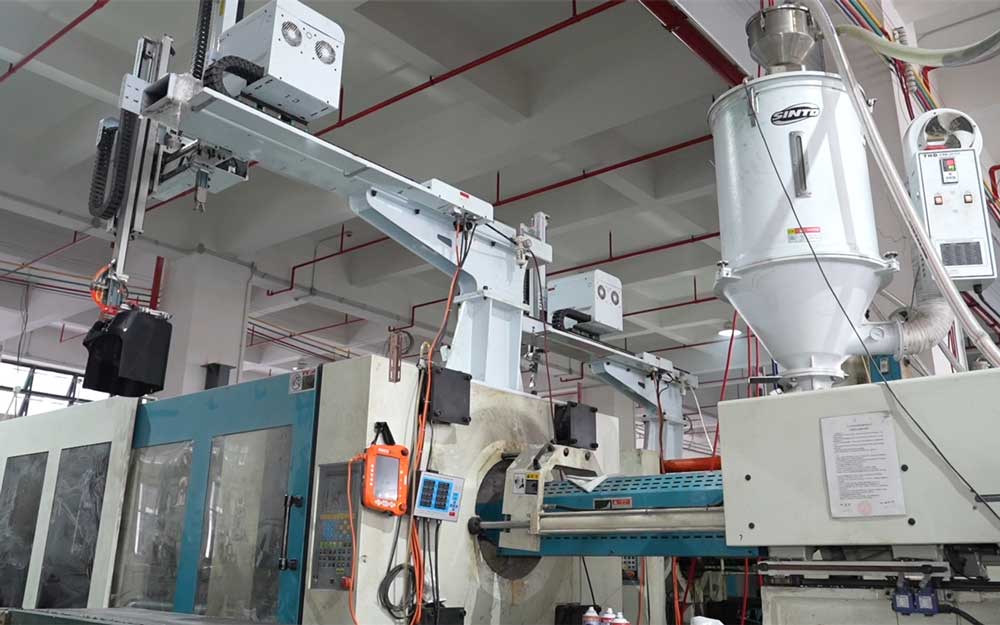
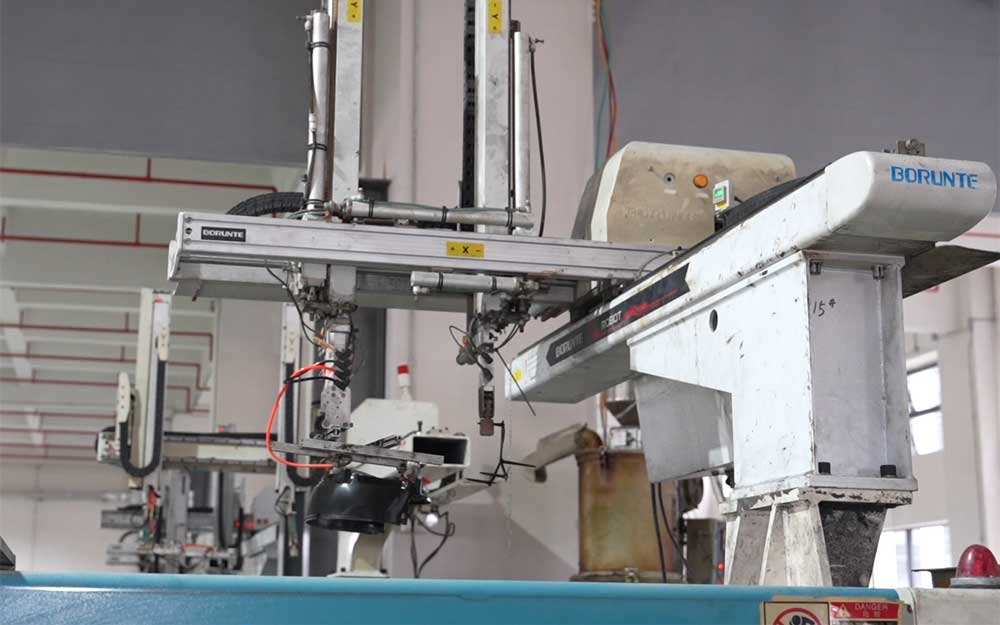
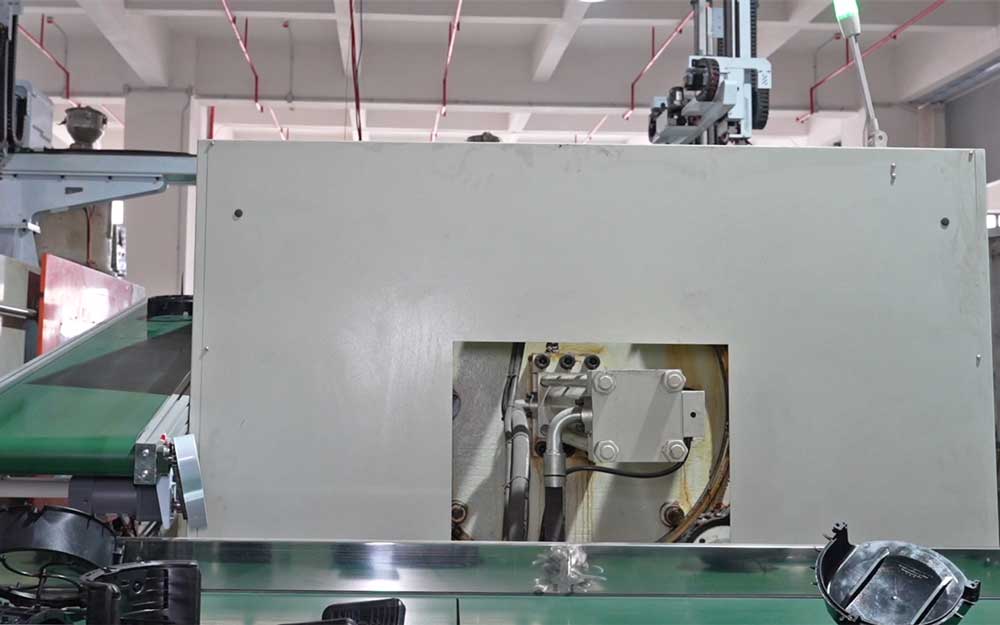
Understanding the varied environments where fufu is processed helps guide the engineering of different product categories. Grounded in actual user-intent data, we have categorized the primary commercial settings for these machines:
For procurement officers, sourcing managers, and wholesale distributors, choosing the right machinery requires matching specific performance indicators to operational needs. The table below details the technical standards of our heavy-duty commercial food processors:
| Engineering Attribute | Standard Model Specification | Industrial Model Specification |
|---|---|---|
| Motor Power & Gearing | 1600W High-Torque AC Induction Motor | 3300W - 4500W Heavy-Duty Brushless Motor |
| Chamber Capacity | 6L to 15L Batch Processing Bowl | 50L to 150L Heavy-Wall Processing Vessel |
| Mixing Type | Planetary Agitator with Dual Edge Scrapers | Double-Shaft Interlocking Sigma Blade System |
| Thermal Output Style | Direct 3D Coil Heating (1400W) | Multi-Zone Steam Jacket or High-Frequency Induction |
| Operational Controller | Smart LED Touch Pad with Preset Timers | PLC Digital Screen with Viscosity Automation Sensors |
| Structural Composition | SUS304 Stainless Steel (Food Contact Zone) | Fully Welded SUS316 Acid-Resistant Stainless Steel |
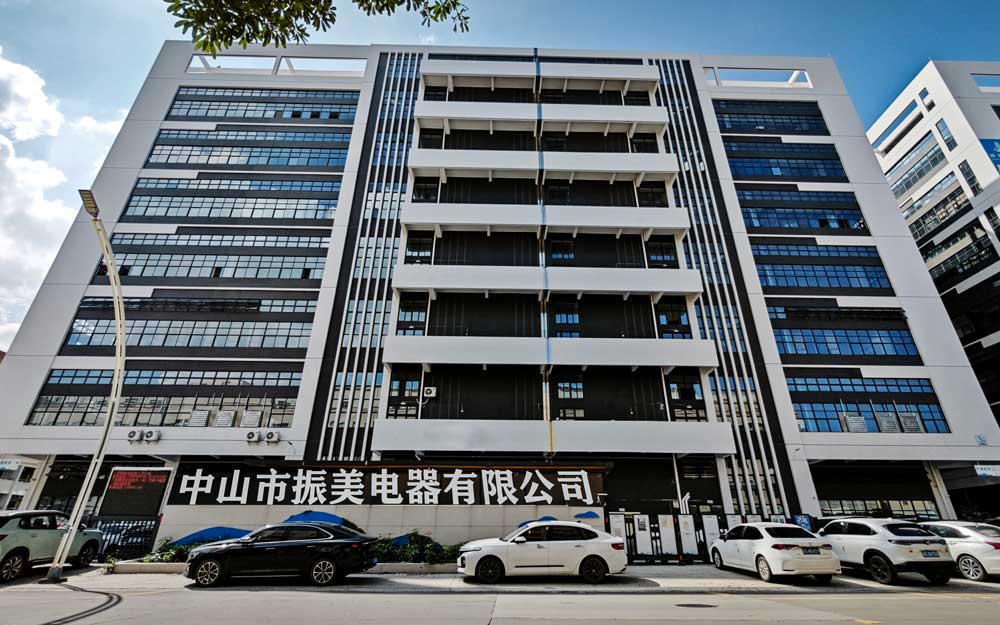
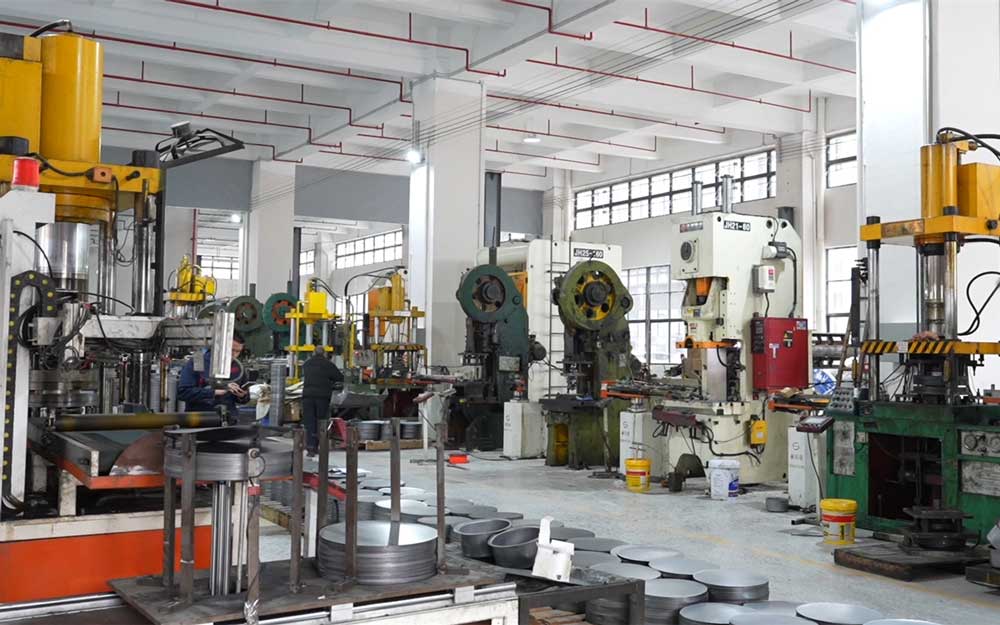
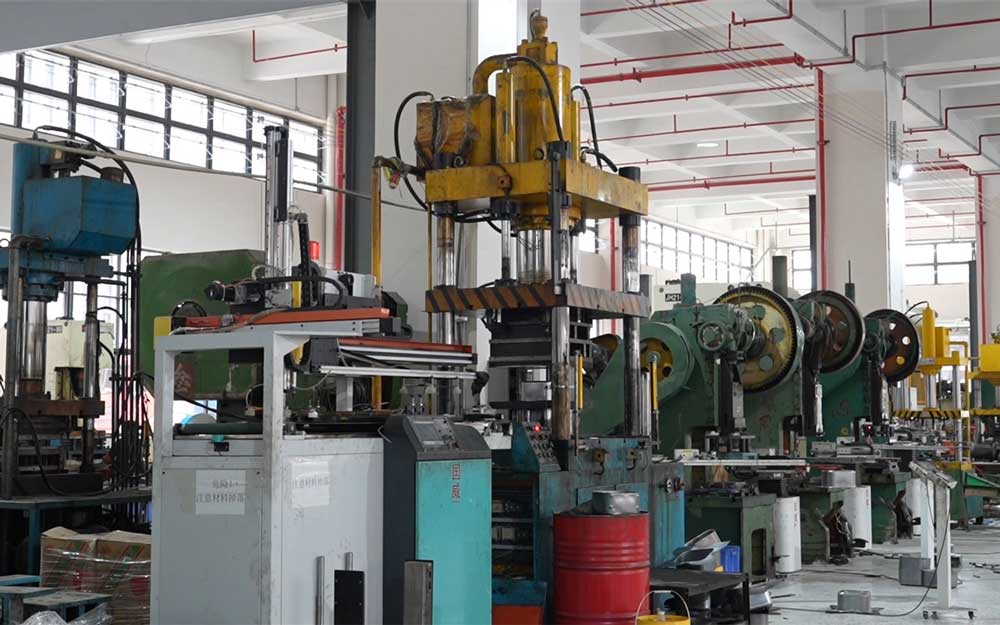
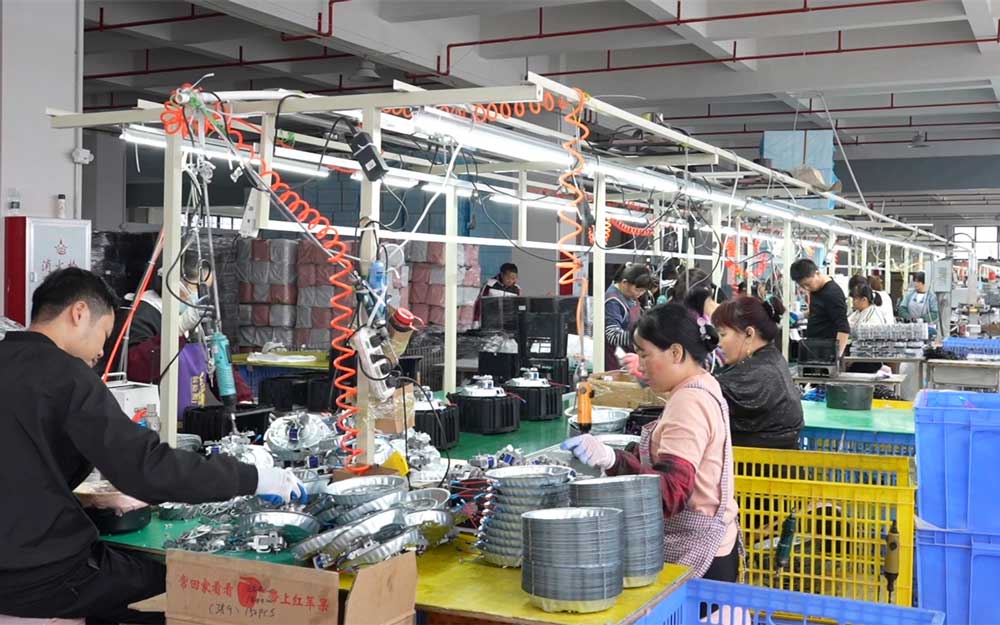
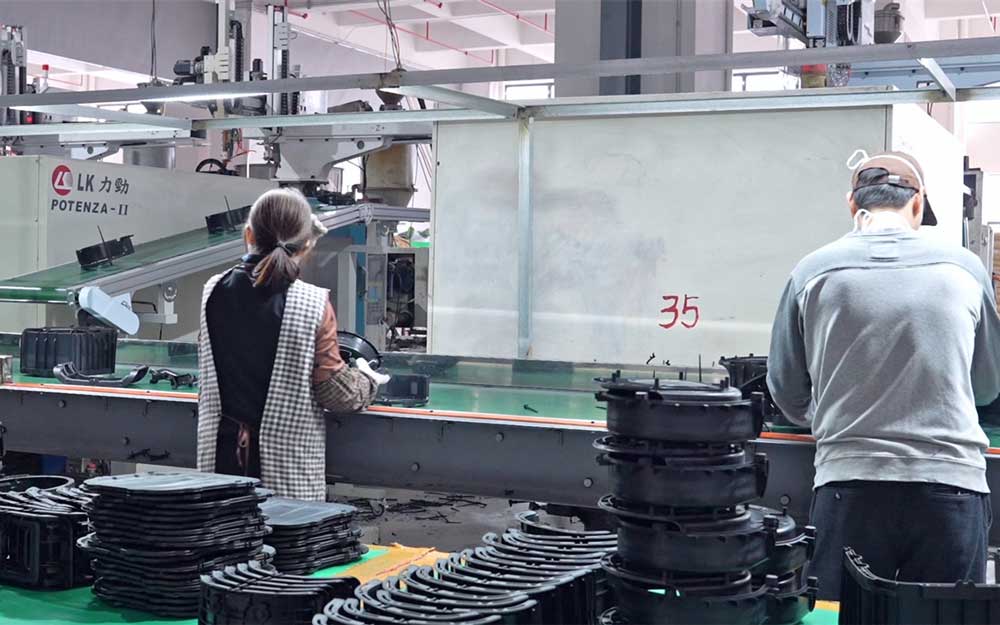
For B2B buyers and international brands, working with a scale manufacturer like Zhongshan Zhenmei Electrical Appliance Co., Ltd. offers a range of strategic advantages. With 16+ years of experience in the design and production of high-volume kitchen appliances, our factory has built an end-to-end supply chain capable of handling custom configurations.
Our solutions cover every phase of production, from initial R&D to final global delivery:
 Zhenmei Electrical