 Zhenmei Electrical
Introduction: The Critical Role of Safety in Commercial & Industrial Blending
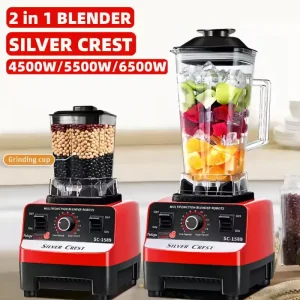
In high-capacity culinary operations, food processing facilities, and commercial beverage stations, the industrial blender stands as an indispensable asset. However, the combination of high-torque motors, high-speed blade assemblies, and high-voltage power lines turns these devices into potential hazards if proper safety precautions are overlooked. Sourcing managers and quality compliance officers recognize that blender safety tips are not just operational suggestions; they are the bedrock of manufacturing compliance, worker safety, and brand asset protection.
This comprehensive industry report addresses the critical technical frameworks, user guidelines, and factory-level safety standards required when importing kitchen hardware from major industrial centers, particularly China. By utilizing state-of-the-art sensory interfaces, automated lid locks, and thermal cutoff systems, modern blender factories are shifting the paradigm from basic mechanical mixing to intelligent, risk-free processing systems.
E-E-A-T Safety Concept Note: Safety is not an afterthought; it is built into the design process of every motor casing, blade coupling, and control circuit. An OEM partner must possess clear engineering frameworks that satisfy global rater guidelines and field durability expectations.
Essential Blender Safety Tips: Engineering Solutions and User Best Practices
To reduce risk in commercial food prep environments, operators must adopt a dual approach to safety: understanding the mechanical parameters of their machinery and adhering to structured operations. Below are core safety protocols:
- Lid & Tamper Safety: Never operate a high-power blender without the lid securely fastened. Modern commercial blenders utilize magnetic interlock sensors that automatically stop the motor if the lid is removed. Only use the manufacturer-approved tamper through the dedicated lid opening to prevent the tool from contacting the blades.
- Overload & Thermal Protection: Commercial grade motors (ranging from 1500W to 4500W) generate substantial heat under heavy loads. Make sure the blender has a built-in auto-shutoff mechanism that activates when internal temperatures exceed safe operating limits. Always clean ventilation ports to prevent dust-induced overheating.
- Jar Inspection & Mechanical Wear: Blending pitchers made of Tritan copolyester or tempered glass must be regularly inspected for micro-fractures. Damaged jars subjected to high speeds (up to 30,000 RPM) can burst, creating severe injury hazards. Inspect the blade drive socket and drive coupler monthly for signs of wear.