In the global food service, hospitality, and residential kitchen appliance markets, blender sanitation has transitioned from a routine housekeeping chore to a critical regulatory compliance metric. The design complexity of modern commercial blenders—comprising high-shear multi-blade assemblies, tightly sealed bearings, and complex container geometries—creates inherent challenges for microbial control. If not properly addressed at the manufacturing stage, these units become susceptible to cross-contamination, biofilm development, and material degradation.
As premier OEM/ODM partners in China, leading factories like Zhongshan Zhenmei Electrical Appliance Co., Ltd. prioritize sanitary engineering. Design methodologies must integrate mechanical durability with ease of cleaning. This document serves as the definitive industry guide, detailing the manufacturing innovations, materials compliance, and operational maintenance protocols necessary to sustain hygienic processing standards across domestic and high-volume food service sectors.
The international kitchen appliance landscape is undergoing a paradigm shift driven by automated sanitation. B2B buyers and commercial enterprise procurement specialists are increasingly prioritizing systems that reduce labor costs, minimize water usage, and guarantee micro-level cleanability. Below are the key trends defining modern blender development and cleaning integrations:
Integration of smart microprocessor algorithms that run customized pulse sequences to generate high-velocity fluid currents, purging residues without disassembly.
Utilization of advanced FDA-approved polymers and hydrophobic coatings on container walls to prevent sticky food particles and proteins from bonding.
Upgraded double-lip seals and grease-retaining rings that isolate the drive-shaft cavity, preventing ingress of liquids and eliminating breeding grounds for pathogens.
B2B buyers, distributors, and appliance brands demand strict physical standards when evaluating manufacturers in China. A reliable factory must align its production output to support globally recognized sanitization frameworks.
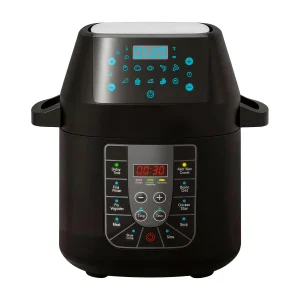
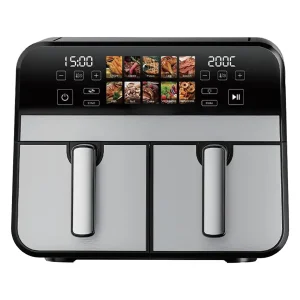
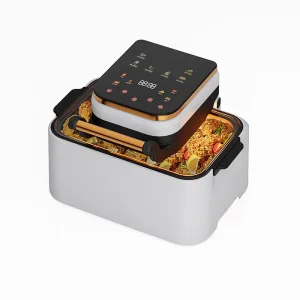
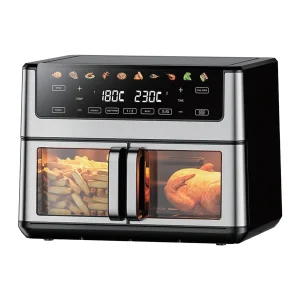
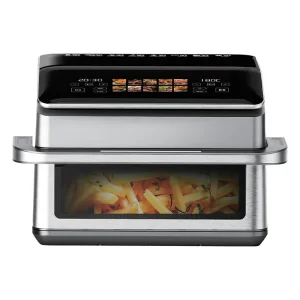
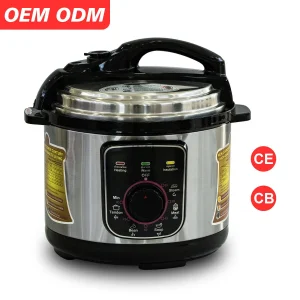
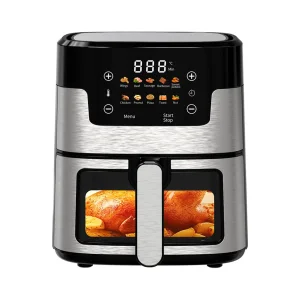
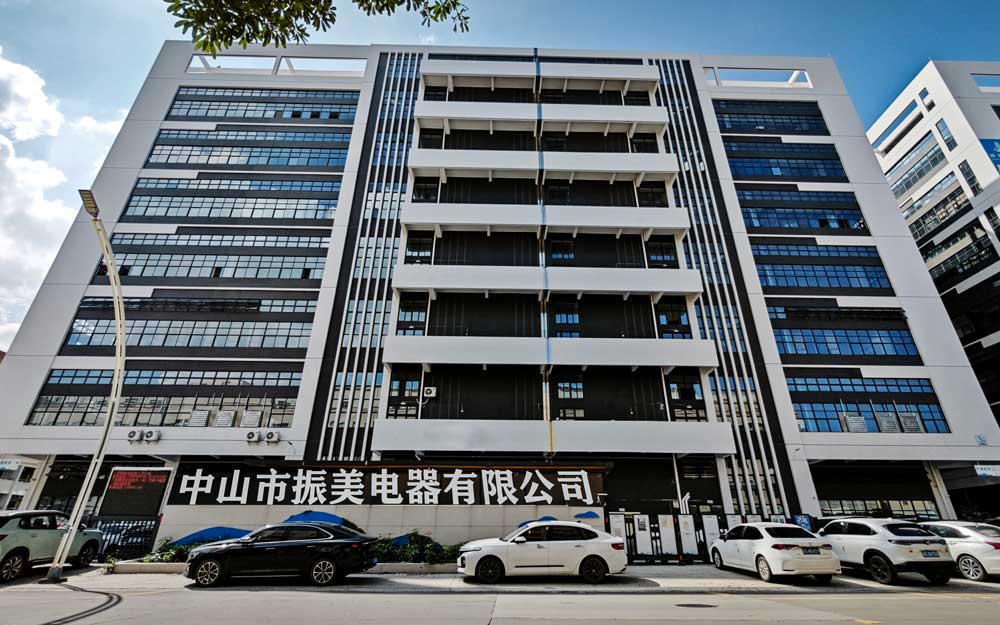
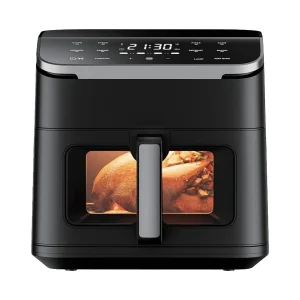
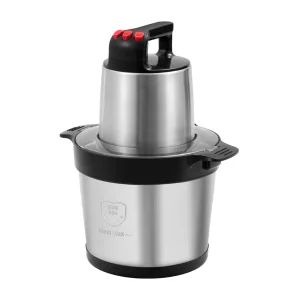
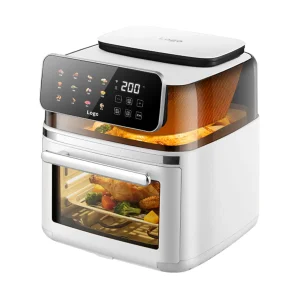
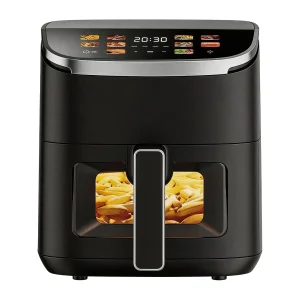
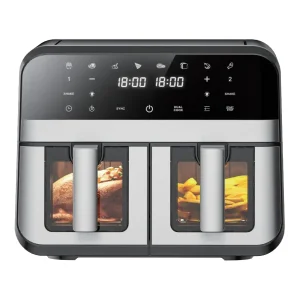
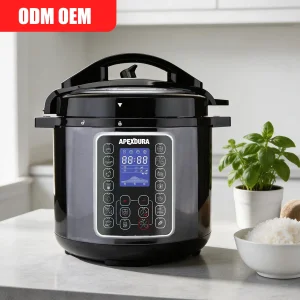
Zhongshan Zhenmei Electrical Appliance Co., Ltd. is a premier OEM/ODM partner specializing in the manufacturing of kitchen appliances, including air fryers, electric pressure cookers, blenders, and more. With over 16 years of expertise, we transform concepts into high-quality, market-ready products for leading global brands.
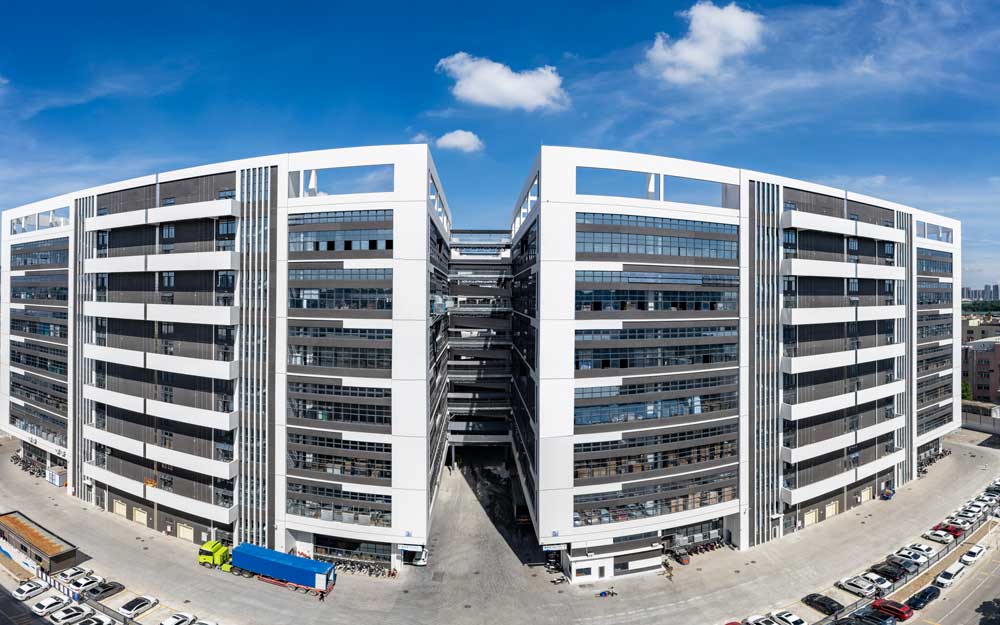
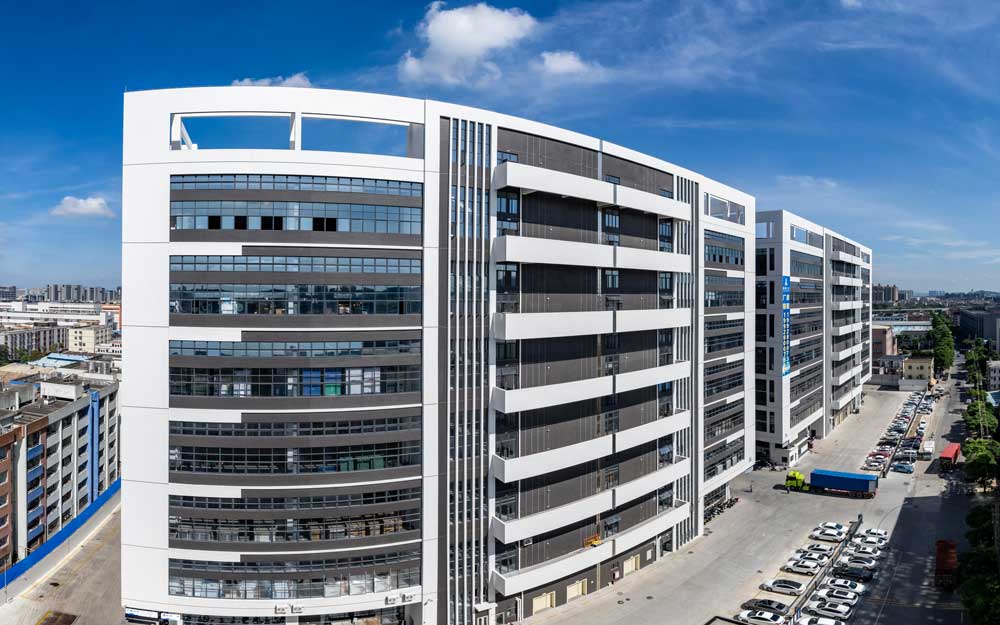
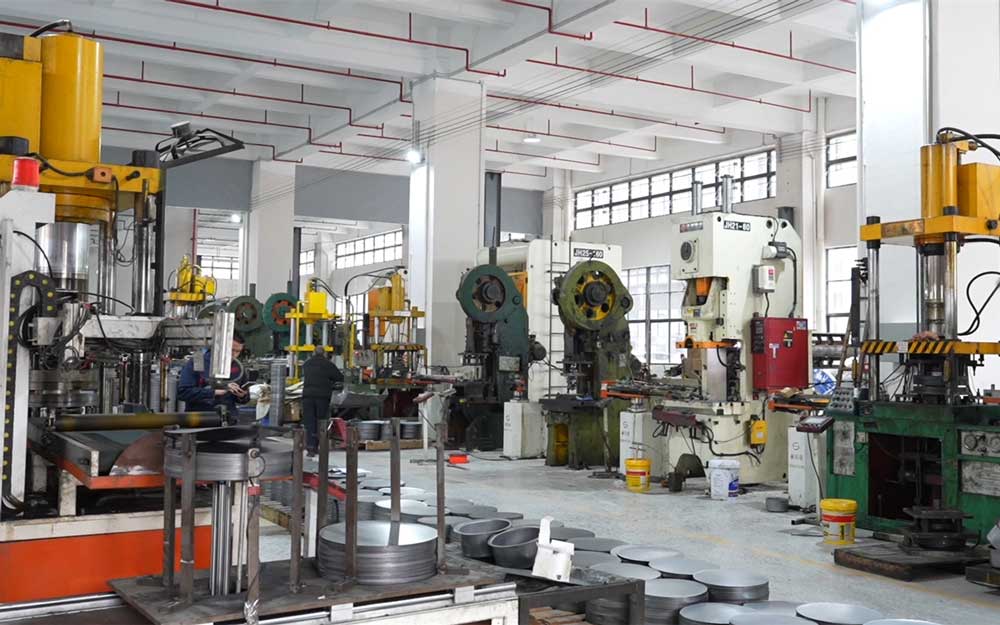
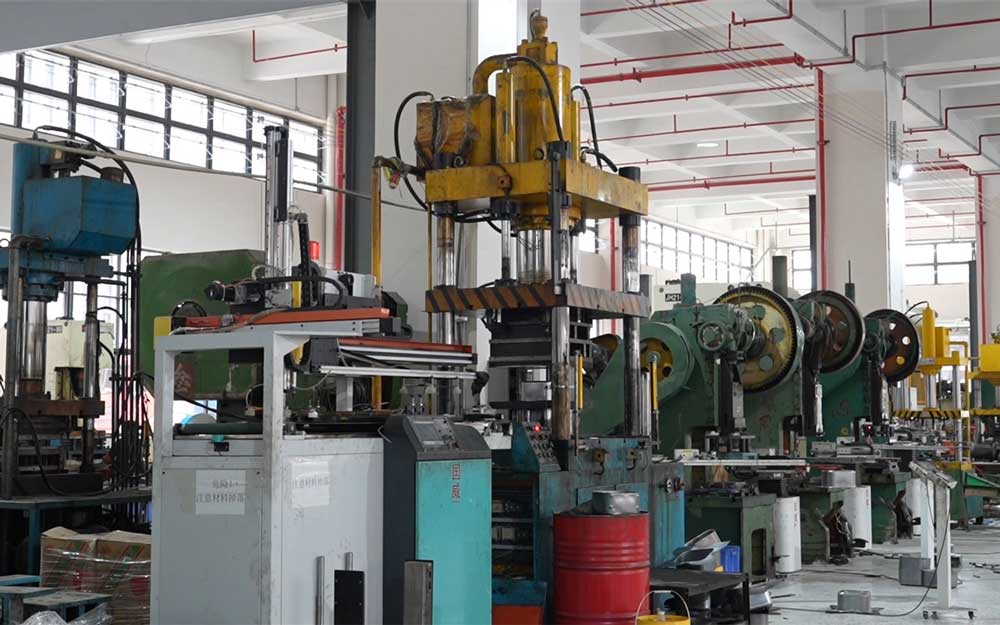
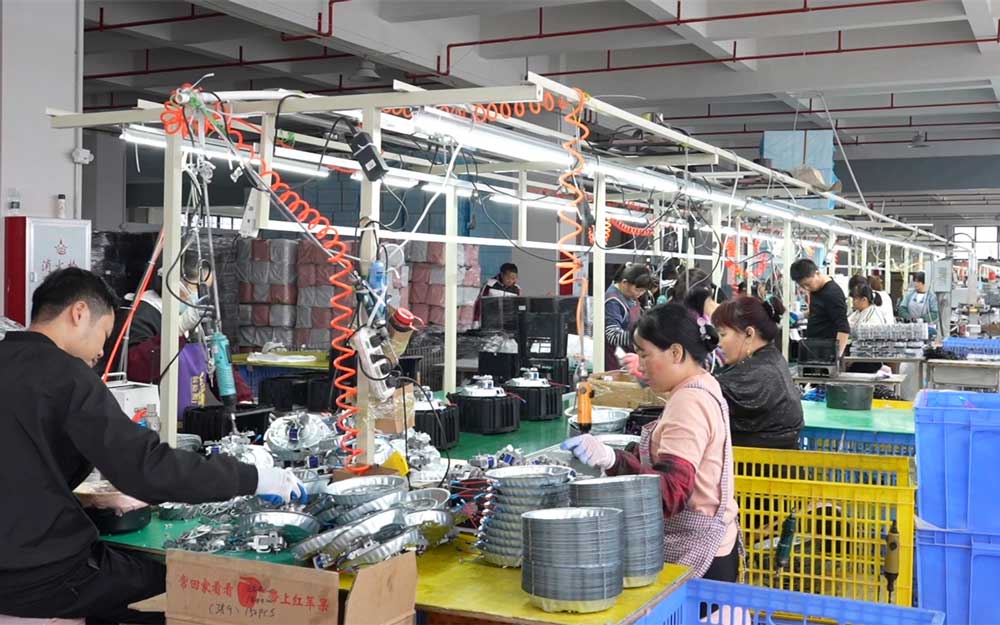
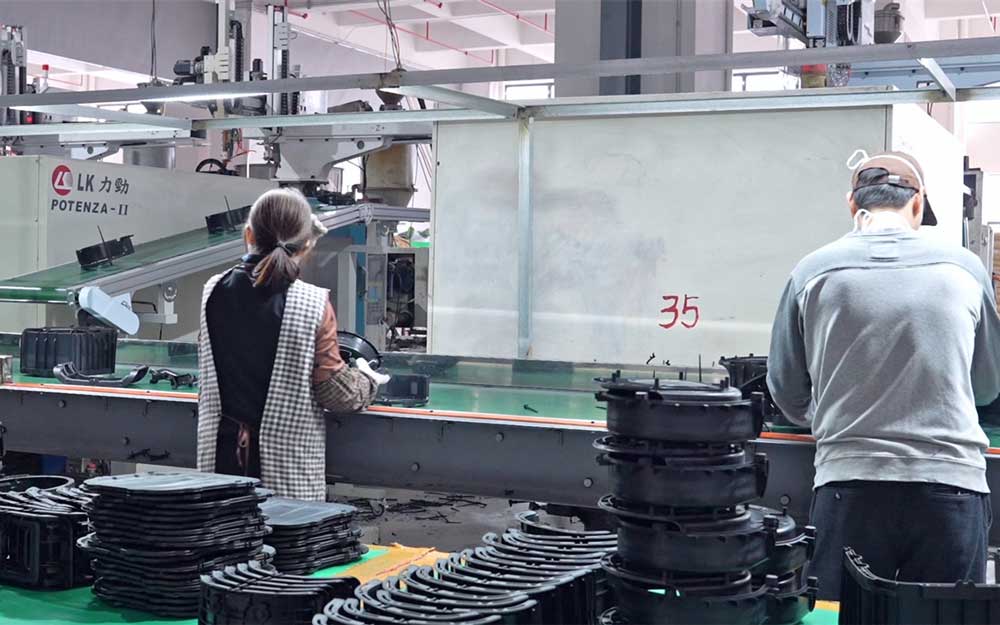
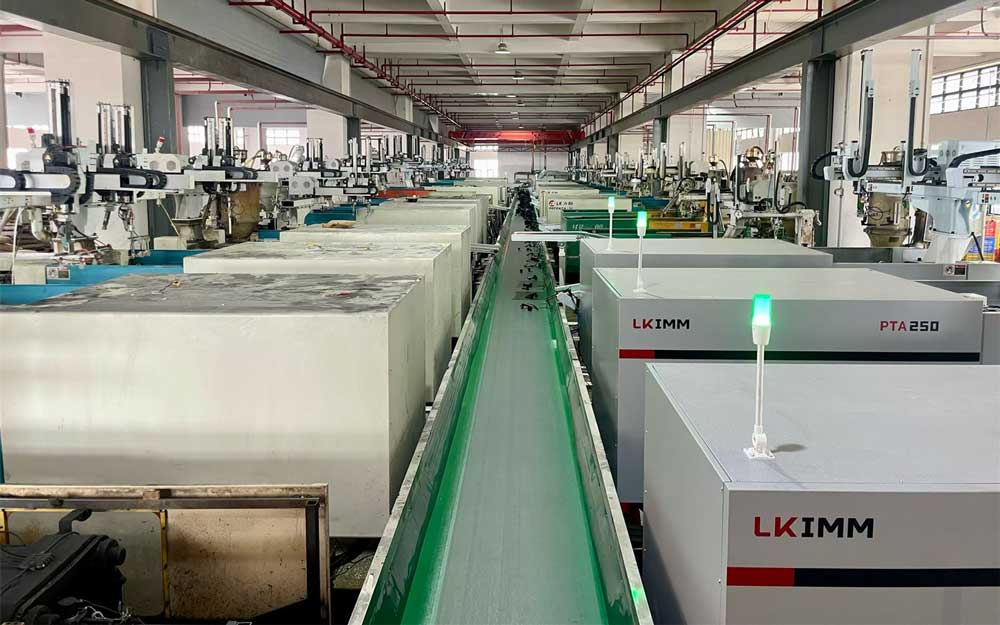
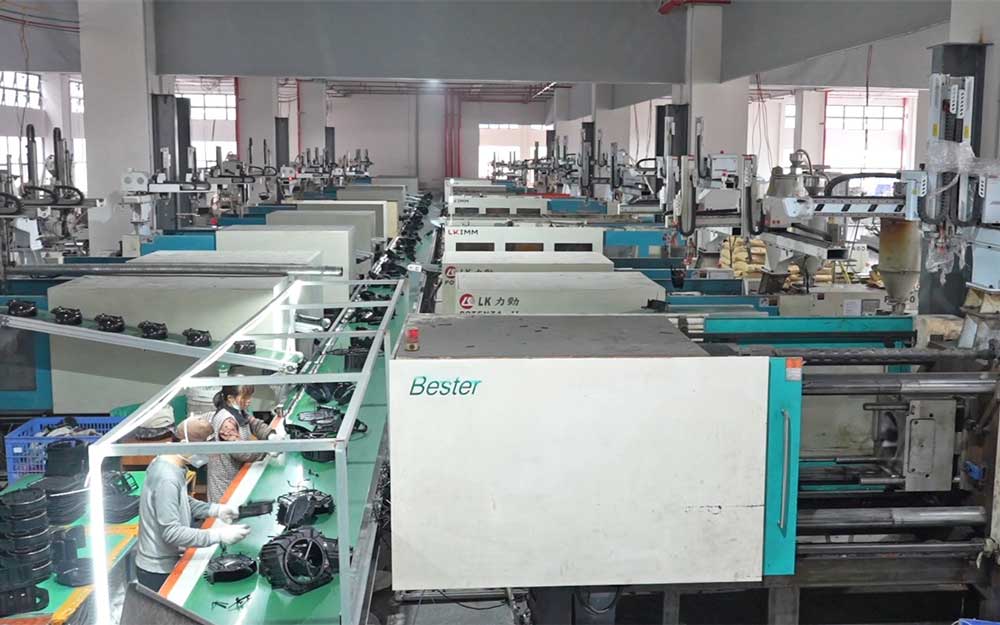
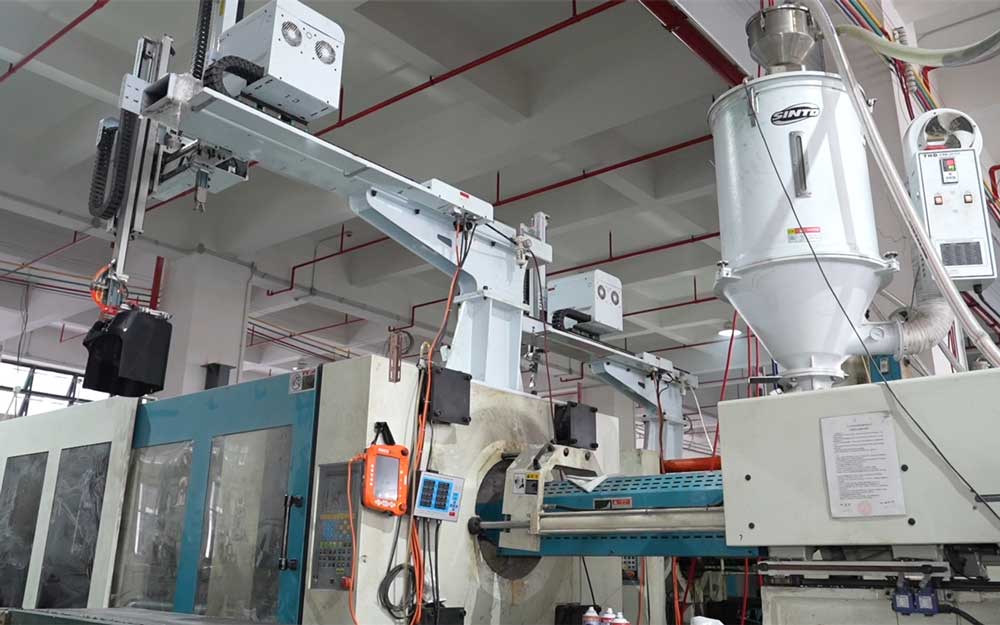
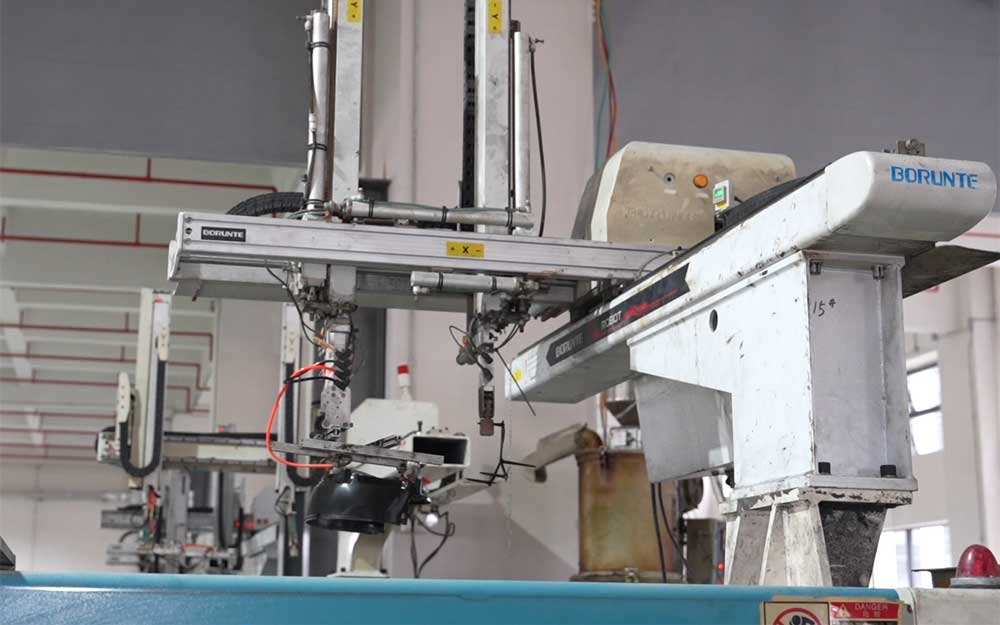
Our strength lies in robust in-house manufacturing. Operating from a 40,000 sqm advanced facility, powered by 300+ dedicated professionals and 20+ R&D experts, we ensure precision and control at every stage.
Our massive 10,000+ units daily output reliably meets the demands of high-volume orders worldwide. We are committed to excellence, underpinned by a rigorous quality control system that guarantees the safety and reliability of every product.
We are the trusted, end-to-end solution for your OEM/ODM needs. Choose us for innovation, scale, and reliability. Let's build your next success story together.
To address global compliance standards and changing consumer behaviors, China's manufacturing sector is driving innovations that integrate hardware improvements with digital IoT platforms. Over the next 3 to 5 years, we project development along the following technical parameters:
Integrating solid-state UV-C LED arrays within blender lids and docking stations to destroy bacterial DNA at the end of the self-clean cycle, rendering the vessel 99.9% aseptic.
Development of turbidity sensors built into the jar base to analyze water clarity during cleaning cycles, indicating to the user when the vessel is fully free of microscopic organic residues.
Refining blade structures to induce controlled hydrodynamic cavitation. This mechanism produces micro-bubbles that collapse under intense pressure, blasting off food particles using 40% less water.
Commercial blender operators and consumers must adhere to structured steps to prevent cross-contamination and prolong the life of the machine. Below is the industry-approved standard operational cleaning procedure.
Directly after usage, fill the blender jar halfway with warm water (approximately 45°C - 50°C). High-heat water is crucial for breaking down fats and dispersing proteins before they dry and form a stubborn film. Add 2 drops of low-foaming, neutral pH detergent. Secure the lid, mount onto the base, and run on high speed for 30 to 45 seconds. This creates high shear stress across the blades and jar walls.
For thorough cleaning, unthread the collar assembly from the bottom of the container. Extract the blade unit and remove the silicone gasket. Wash each element separately in warm, soapy water using a soft-bristled non-abrasive brush. Pay close attention to the underside of the blades and the gasket groove where organic matter can hide. Never use steel wool or metal sponges as they scratch the plastic and stainless-steel surfaces, leaving micro-fissures where bacteria can colonize.
Reassemble the blade and container. Fill the jar with a solution of commercial chlorine-based sanitizer (approx. 100 ppm concentration) or a quaternary ammonium compound diluted according to manufacturer directions. Run the blender on low speed for 15 seconds. Let the solution stand in the jar for at least 2 minutes to satisfy microbial contact-time requirements.
Empty the sanitizing solution. Do not rinse the jar after sanitizing unless mandated by local health regulations, as this can reintroduce contaminants. Invert the blender jar on a clean, sanitizing rack at an angle to allow water to drain completely from the bearing housing and drive socket. Proper air drying is vital; storing wet blenders leads to mold growth and bearing degradation.
 Zhenmei Electrical