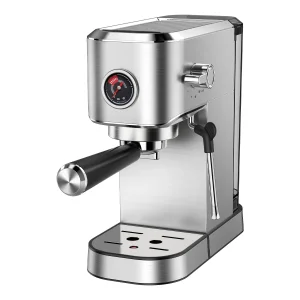
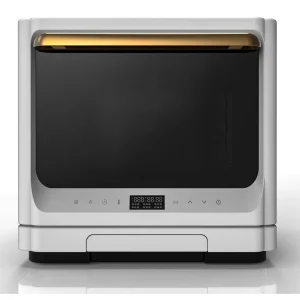
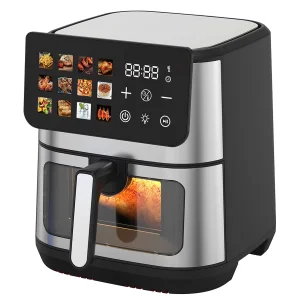
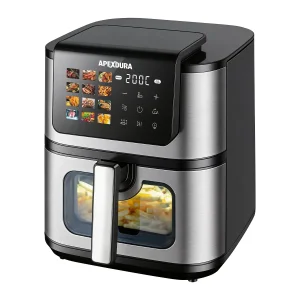
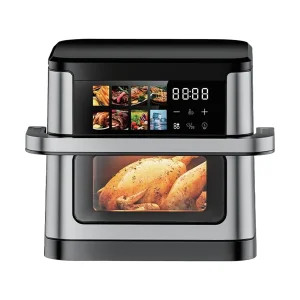
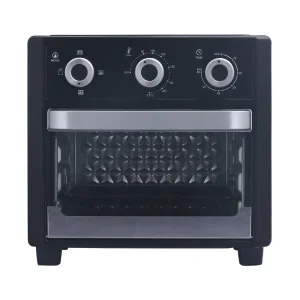
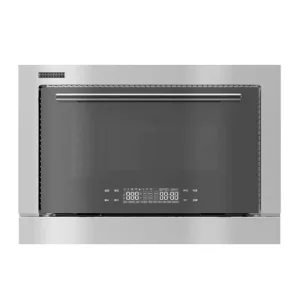
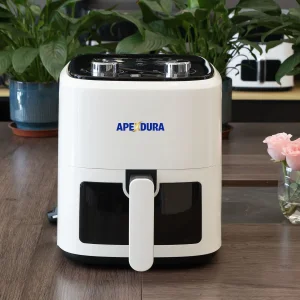
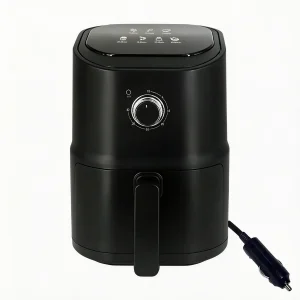
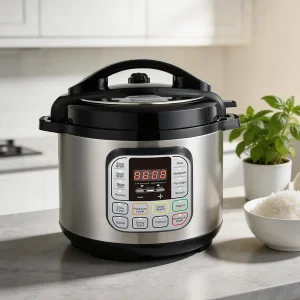
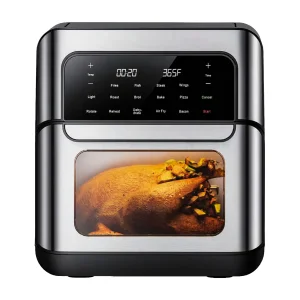
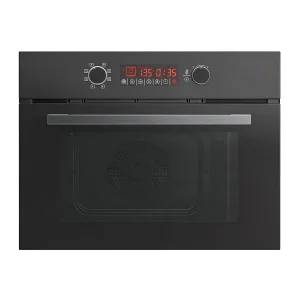
Premium OEM/ODM home appliance options engineered for international markets, complying with global performance and safety specifications.
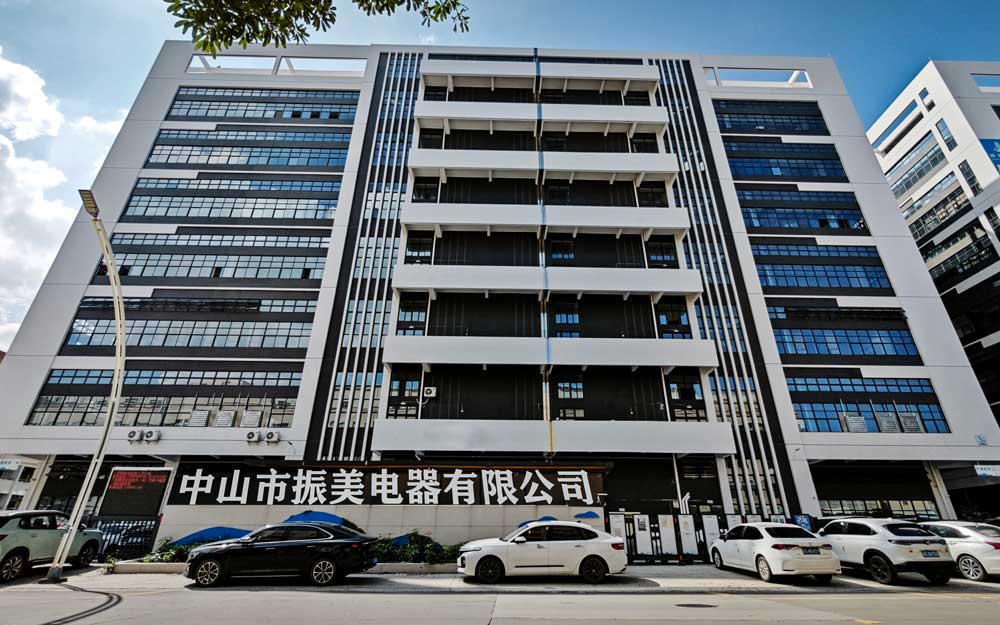
Zhongshan Zhenmei Electrical Appliance Co., Ltd. is a premier OEM/ODM partner specializing in the engineering, design, and high-volume manufacturing of high-quality kitchen appliances, including blenders, air fryers, and electric pressure cookers. With over 16 years of expertise, we bridge the gap between design concepts and market-ready products for leading global brands.
By prioritizing state-of-the-art automation, rigorous internal quality management systems, and a robust hardware research pipeline, we ensure that every blender and small domestic appliance leaving our facility exceeds basic functional expectations, delivering structural longevity, efficiency, and compliance safety.
Analyzing how industrial integration and geographic clustering create unbeatable value for global B2B buyers.
Located in the heart of China's appliance manufacturing hub, our facilities benefit from immediate proximity to key component producers. From custom high-torque motors, copper winding, and steel blades to BPA-free Tritan housings and microprocessors, our ecosystem decreases lead times and cuts shipping costs.
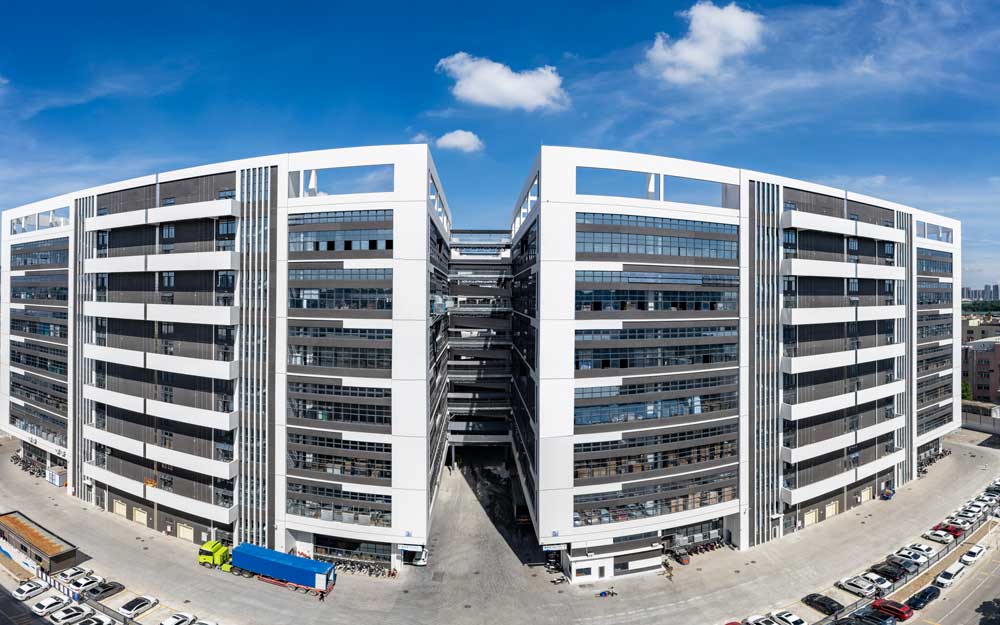
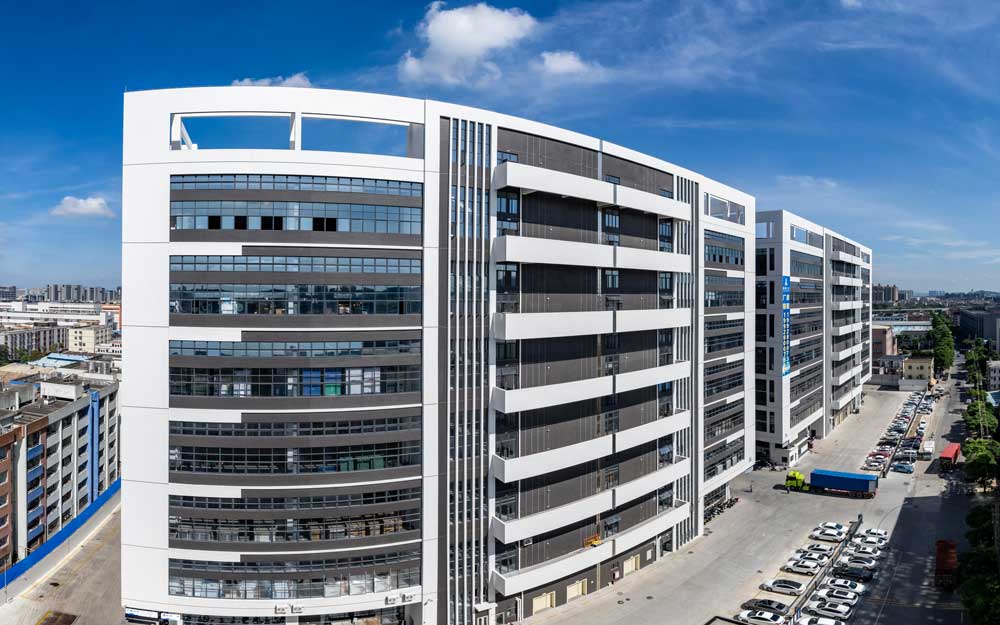
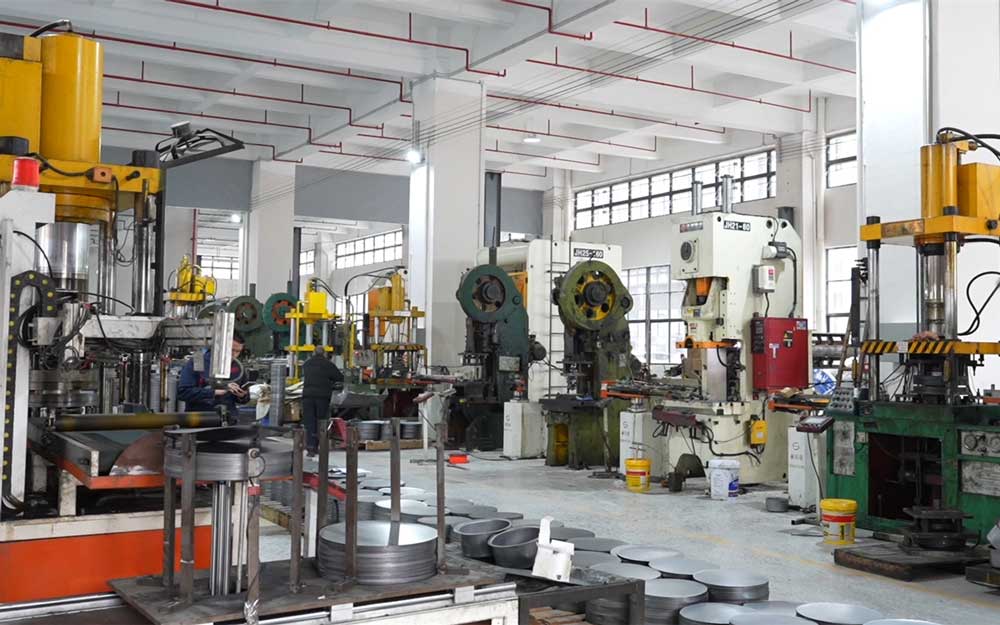
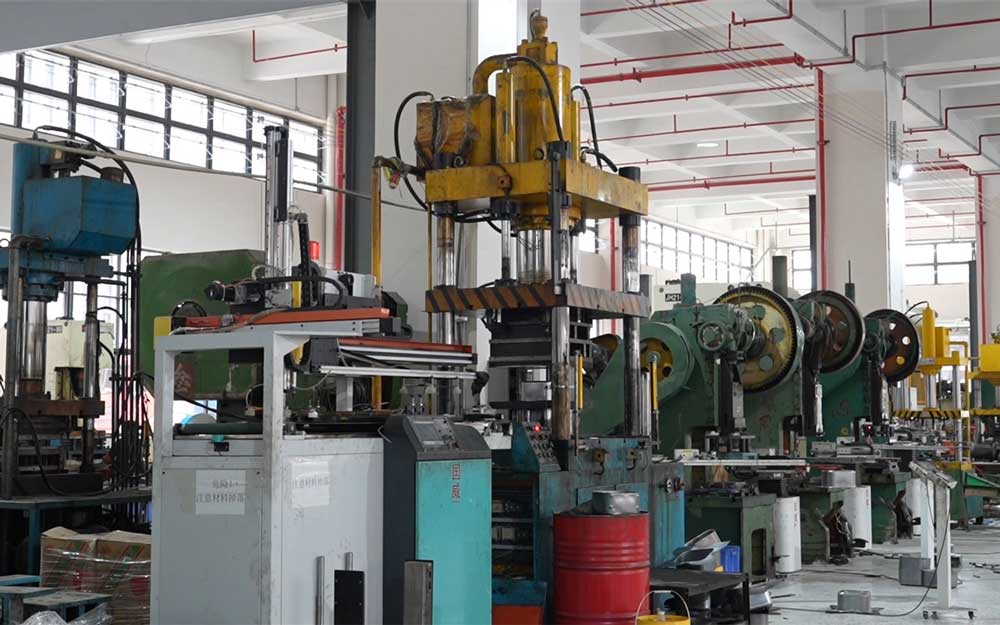
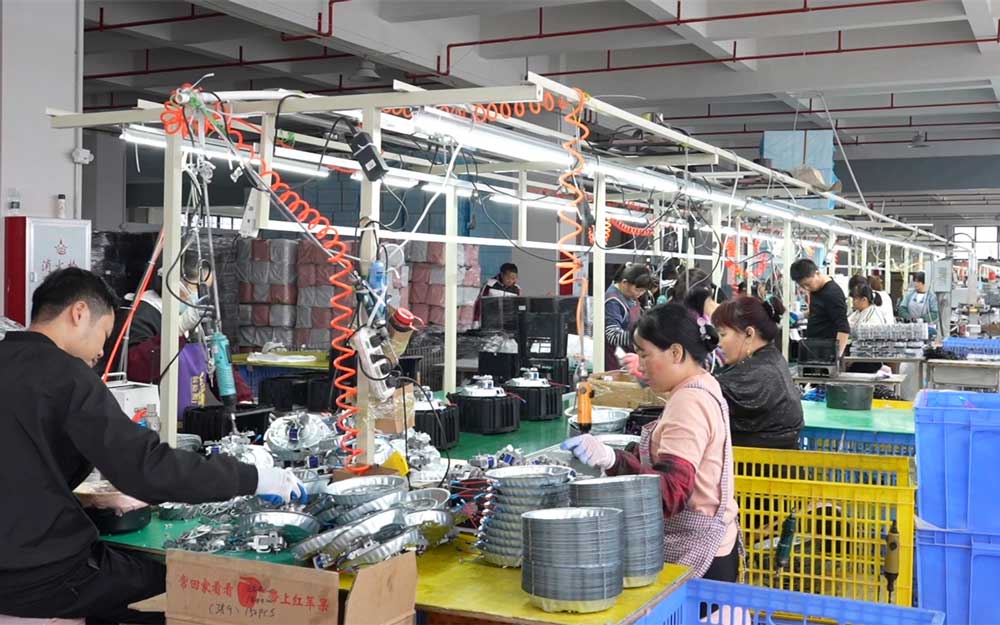
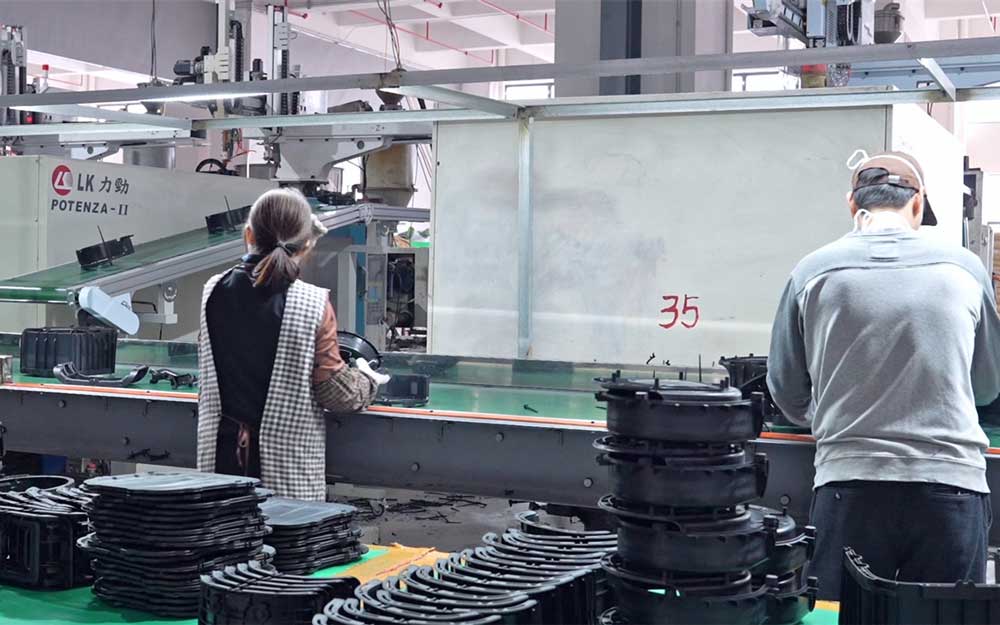
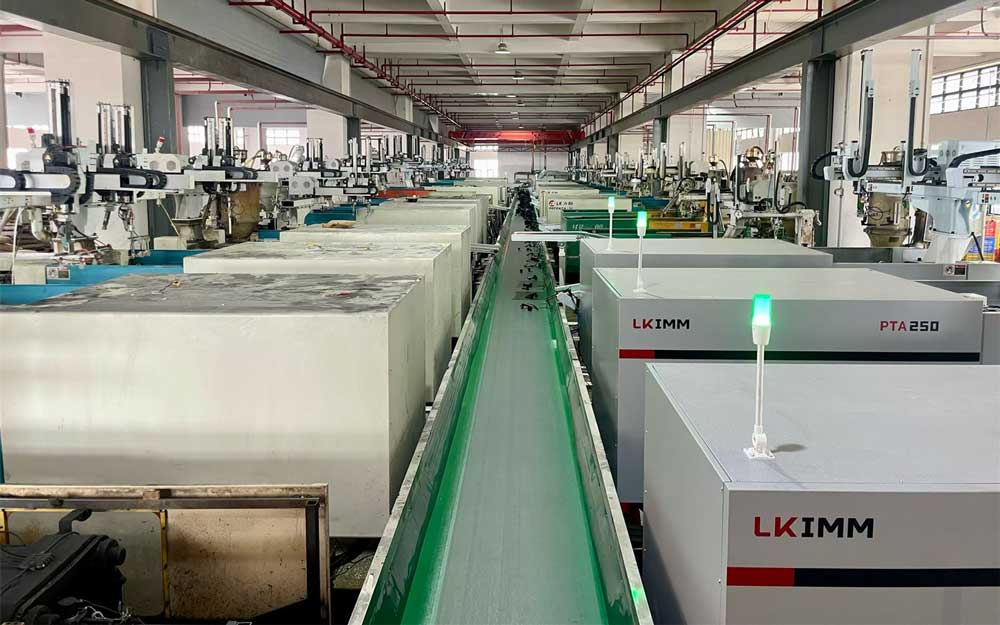
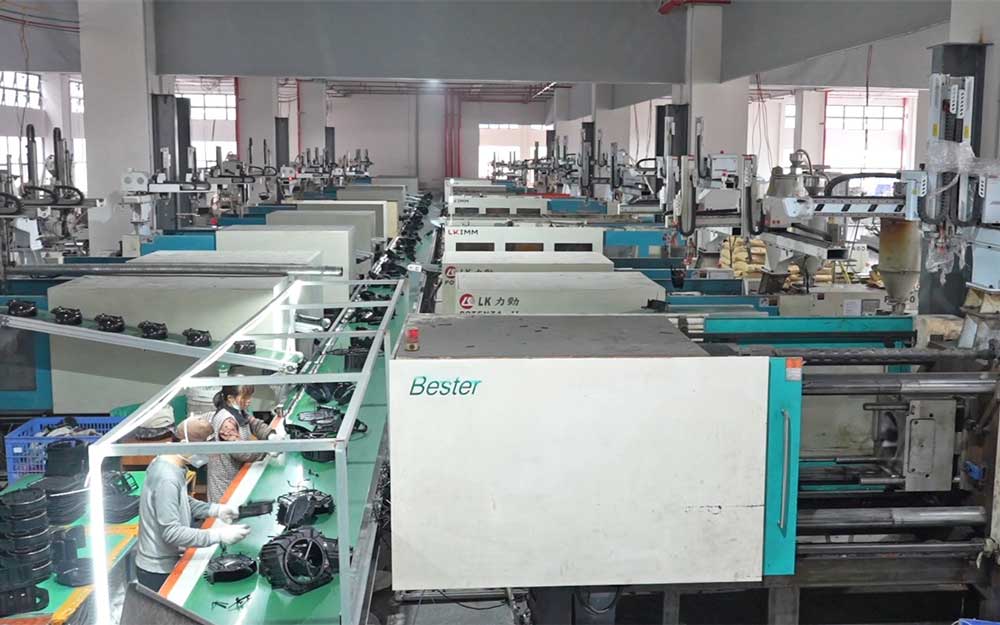
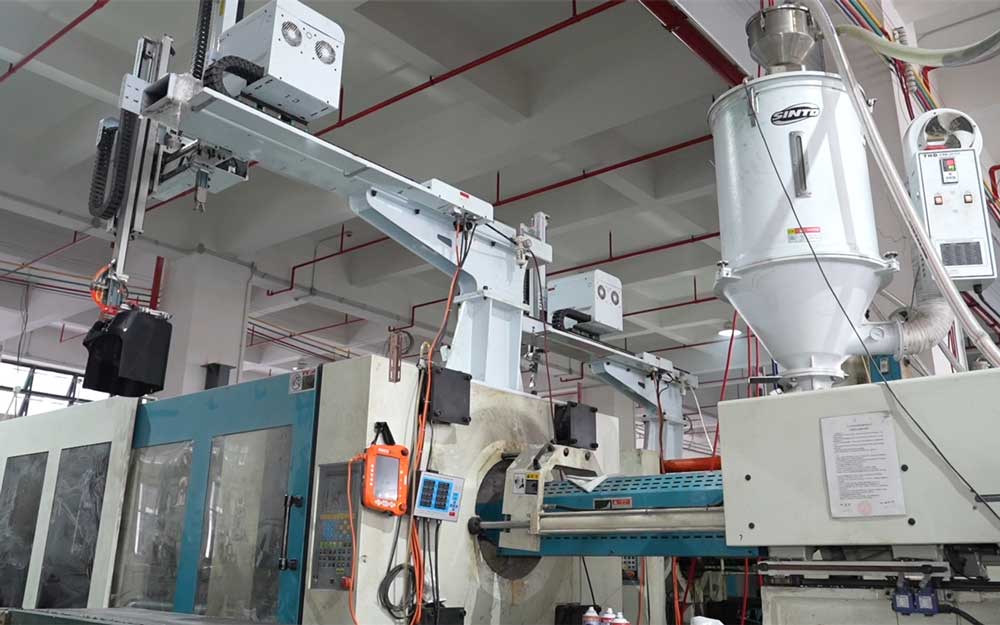
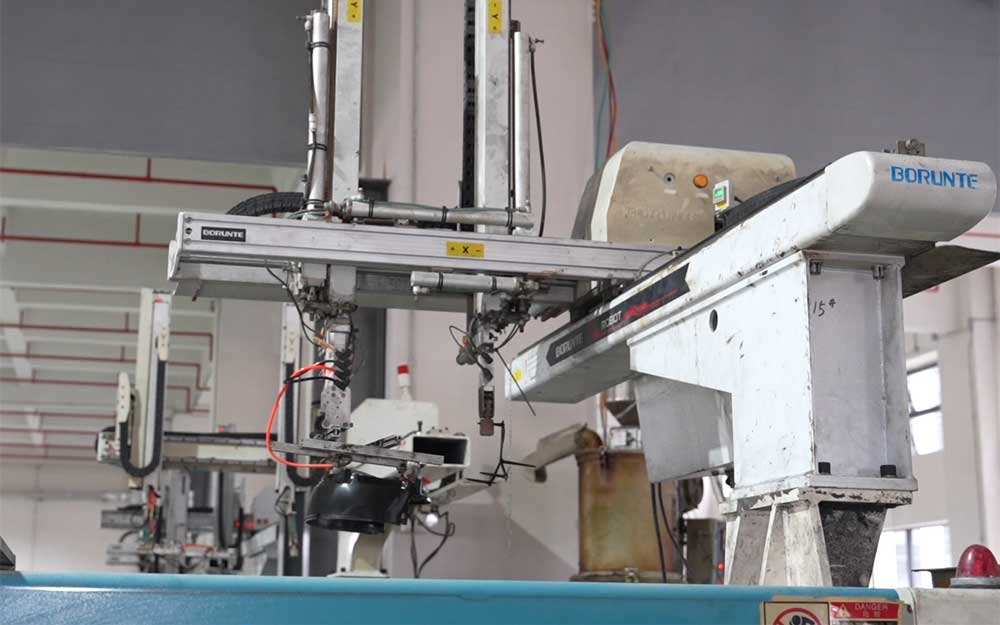
Operating a massive facility with advanced injection molding lines and assembly units, we support a massive 10,000+ units daily output. This scalability ensures that seasonal demand spikes, large retail runs, and urgent restocking orders are completed without compromising production schedules.
Our dedicated R&D experts specialize in converting preliminary 2D sketches into comprehensive 3D CAD files, electrical schematics, and functional prototypes. With custom CNC tooling and fast component sourcing, we can shorten product development cycles significantly.
From motor efficiency to materials science, explore the critical design elements that define our high-performance blenders.
The core of any commercial or residential blender is its power plant. China blender factories have undergone a massive shift from basic universal AC motors to high-efficiency Brushless DC (BLDC) motors and high-torque copper wire motors. Unlike traditional aluminum-clad motors that degrade under high thermal load, our blenders use 100% pure copper motor coils. This design choice increases torque efficiency, lowers electrical resistance, and increases motor lifespan by up to 250%.
Additionally, our design integrates advanced thermal protection switches (thermostats) that temporarily open the circuit when the internal temperature crosses 115°C, preventing coil damage and fire hazards. This engineering discipline ensures reliability across various food blending applications, from thick nut butters to frozen smoothies.
B2B buyers face growing pressure regarding material safety and chemical leaching regulations. To meet consumer and regulatory expectations, our manufacturing lines use BPA-free Eastman Tritan co-polyester for blender jars. Tritan offers glass-like clarity, high impact resistance (preventing cracking from high-speed ice collisions), and excellent dishwasher durability without releasing estrogenic compounds.
For the blade assemblies, we use food-grade SUS304 or hardened SUS420 stainless steel. Hardened stainless steel blades maintain their edge sharpness over thousands of grinding cycles, resisting pitting corrosion caused by acidic food ingredients (like citrus or vinegar). The blade geometry is optimized through fluid dynamics modeling to create a continuous vortex that draws solids down into the cutting path, preventing unblended pockets.
Commercial operations such as coffee shops, bars, and open kitchens demand quiet equipment. To solve this, our product designs include sound dampening enclosures made from thick, impact-resistant polycarbonate. Inside the base, specialized silicone motor mounts isolate vibration, lowering decibel outputs from 95dB to a manageable 72dB at peak RPM. This improvement makes it easier to use the equipment in customer-facing commercial settings without disrupting the atmosphere.
Features double-wall dampening enclosures and sound-absorbing baffles to lower operational noise for quiet commercial use.
Engineered blade curves generate a downward vortex, eliminating "dead zones" and ensuring uniform consistency.
Equipped with smart thermal sensors that cut power before motor coils overheat, preventing damage from heavy use.
Ensuring cross-border compliance through extensive testing, certification, and tailored mechanical designs.
We streamline market entry by providing pre-certified platforms that meet local safety standards, including UL/cUL for North America, CE/GS for Europe, PSE for Japan, KC for South Korea, and SAA for Australia.
We configure electrical assemblies for regional power requirements, supporting 110-120V at 60Hz with polarized/NEMA plugs for North America, and 220-240V at 50Hz with Schuko, BS, or SANS plugs for other regions.
All materials that contact food undergo strict migration testing to meet FDA, LFGB, REACH, and RoHS standards, protecting end-users and brands from chemical contamination risks.
Designing optimized performance configurations for diverse commercial and consumer blending environments.
Commercial blenders used in juice bars, cafes, and restaurant kitchens require continuous operation. These units feature polycarbonate sound shields, high-torque BLDC motors, and double oil-sealed bearing assemblies to withstand up to 150 blending cycles daily without thermal slowdown.
Consumers looking to make nutrient-dense green smoothies and crush ice require high-speed personal blenders. We supply OEM brands with sleek, space-saving designs featuring simple push-down control interfaces, integrated travel cups, and 900W motors optimized for fast cell-wall breakdown.
In Asian and select European markets, multi-functional heating blenders are popular for making soy milk, rice paste, and hot soups. Our products integrate under-plate heating elements with smart NTC temperature sensors and precise microprocessor programming to manage cooking and blending stages in one container.
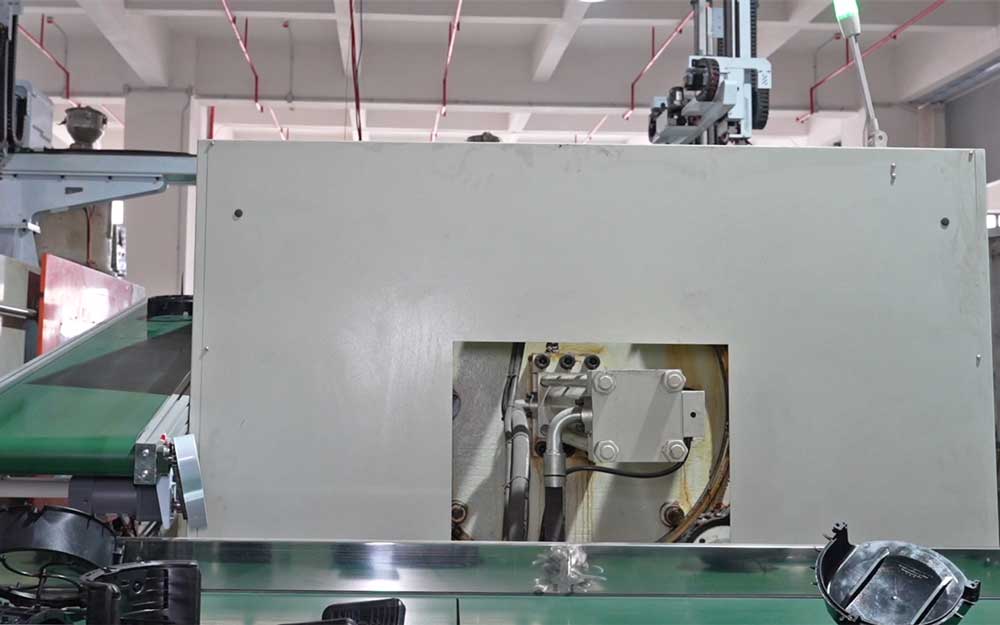
A look at our factory floor, where strict manufacturing practices and modern equipment ensure high quality across our product range.
How the integration of AI, IoT, and high-efficiency power architectures is changing the global blender market.
The modern kitchen appliance market is moving toward smart, connected systems. Next-generation blenders integrate load-sensing microcontrollers that monitor blade resistance in real time. If the blender detects solid ingredients (like frozen fruit or fibrous vegetables), it adjusts the motor's power output and speed (RPM) to maintain consistent processing and protect the motor from stress.
In addition, smart connectivity via Bluetooth and Wi-Fi allows users to sync blenders with nutritional tracking apps. This enables customized blending programs that run automatically based on the user's selected recipe and ingredient weights, improving the overall blending experience.
Energy efficiency directives (like Europe's ErP standards) are accelerating the transition from traditional universal AC motors to Brushless DC (BLDC) motors. BLDC motors reduce energy losses, generate less heat, and provide higher torque-to-weight ratios. This transition helps brands meet strict energy guidelines while offering consumers quieter, lighter, and more durable appliances.
Essential guidance on logistics, customization, testing, and production processes.
Discover our range of advanced kitchen appliances engineered for reliability, safety, and global market success.
 Zhenmei Electrical