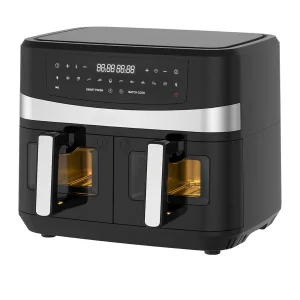
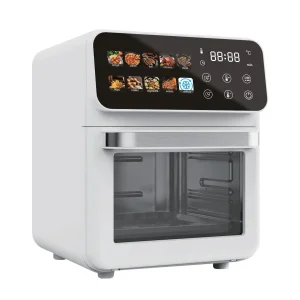
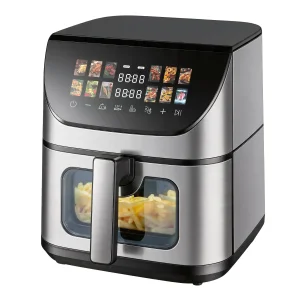
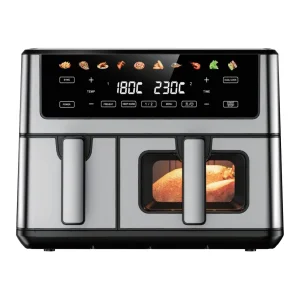
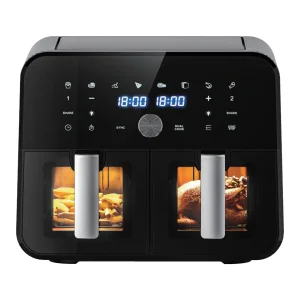
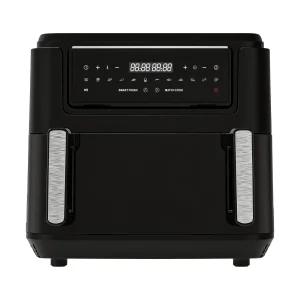
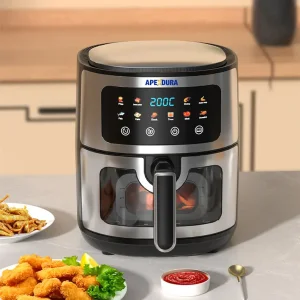
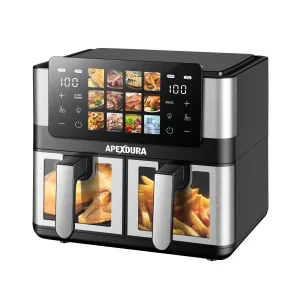
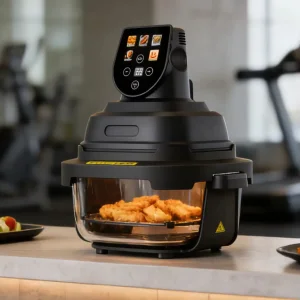
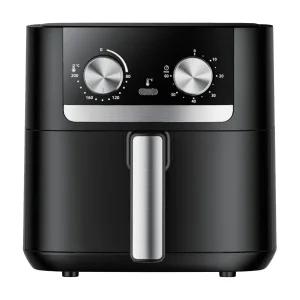
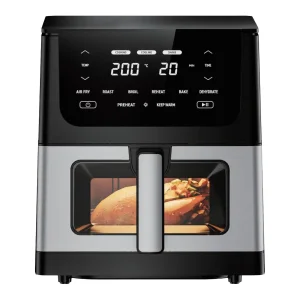
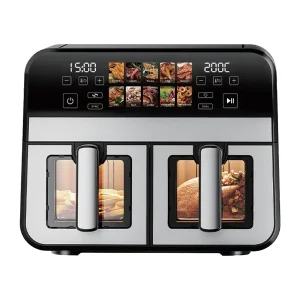
Explore our core high-capacity manufacturing catalog featuring advanced heat distribution systems and energy-efficient kitchen solutions.
The global demand for high-end coffee brewing solutions has shifted drastically from specialized boutique cafes to mainstream households, offices, and smart-kitchen landscapes. At the heart of this shift is the 15 Bar Espresso Machine. In commercial physics and professional extraction standards, 15 bars of pump pressure represent the optimal baseline required to achieve a true 9 bar extraction at the coffee puck.
During the brewing phase, the high-pressure Italian vibration or rotary pump delivers water through the heating element to the coffee grounds. The initial resistance of the compacted espresso puck requires a sustained push of high pressure to force water through evenly, avoiding extraction anomalies such as channeling. A 15 bar pump system, optimized with a calibrated over-pressure valve (OPV), ensures that water makes contact with the coffee grounds at a stable, consistent 9-10 bars of pressure. This specific pressure envelope emulsifies the natural oils in the coffee bean, giving birth to the thick, golden crema that defines authentic espresso.
For importers, private labels, and commercial appliance distributors, sourcing a machine that reliably outputs 15 bars of pressure is essential. Sub-standard systems (such as steam-driven units or low-wattage 3-5 bar pumps) cannot produce the emulsification needed for true espresso, leading to flat extraction and higher return rates from consumers. By manufacturing premium 15 Bar systems utilizing imported Italian pump components and advanced PID (Proportional-Integral-Derivative) temperature control loops, Chinese manufacturing hubs provide a cost-effective, commercially robust gateway for brands worldwide.
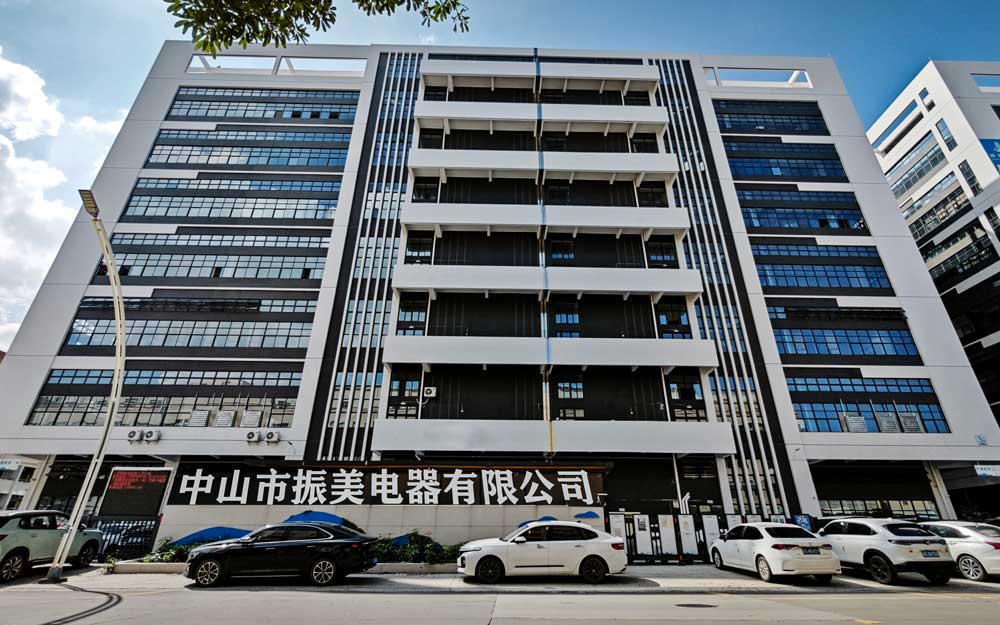
How Zhongshan Zhenmei Electrical Appliance Co., Ltd. leads the smart kitchen assembly sector.
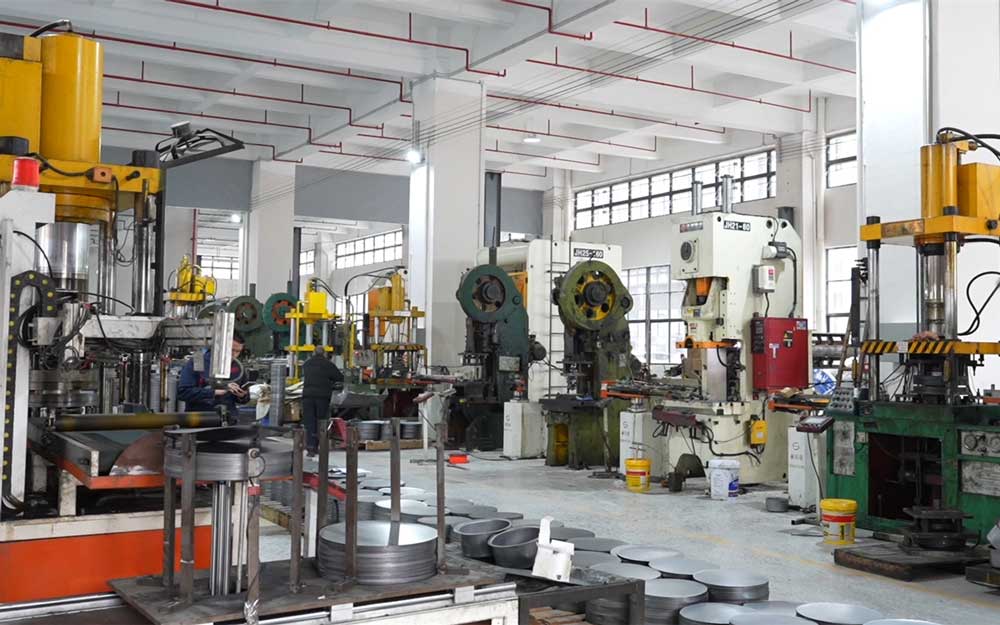
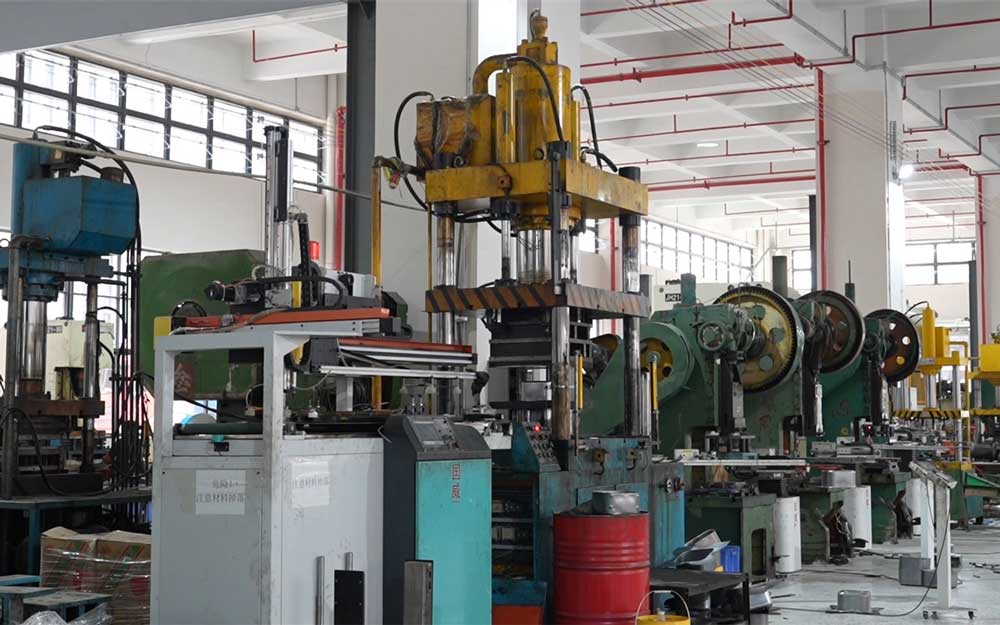
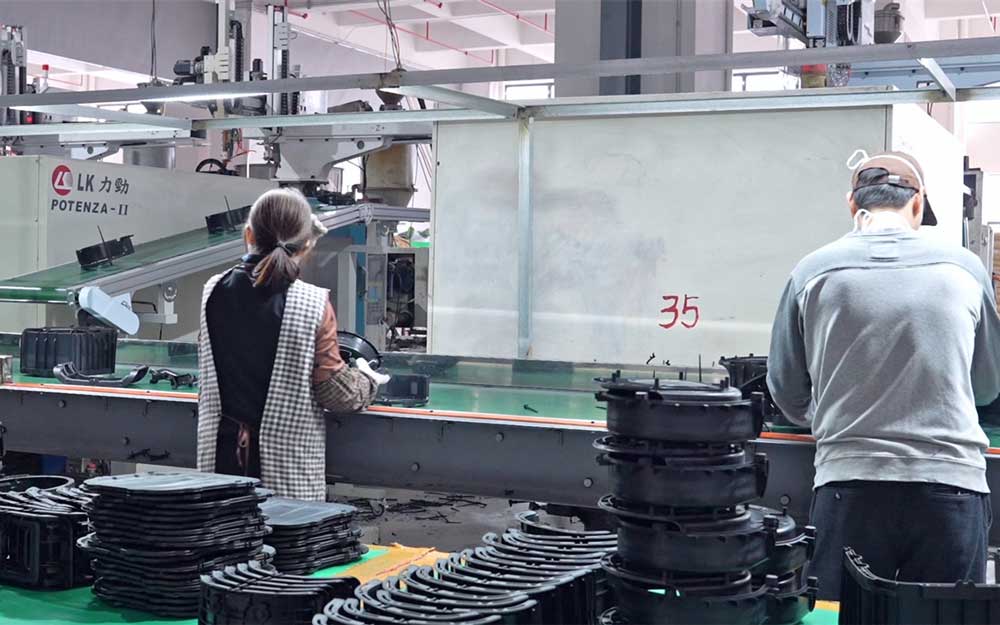
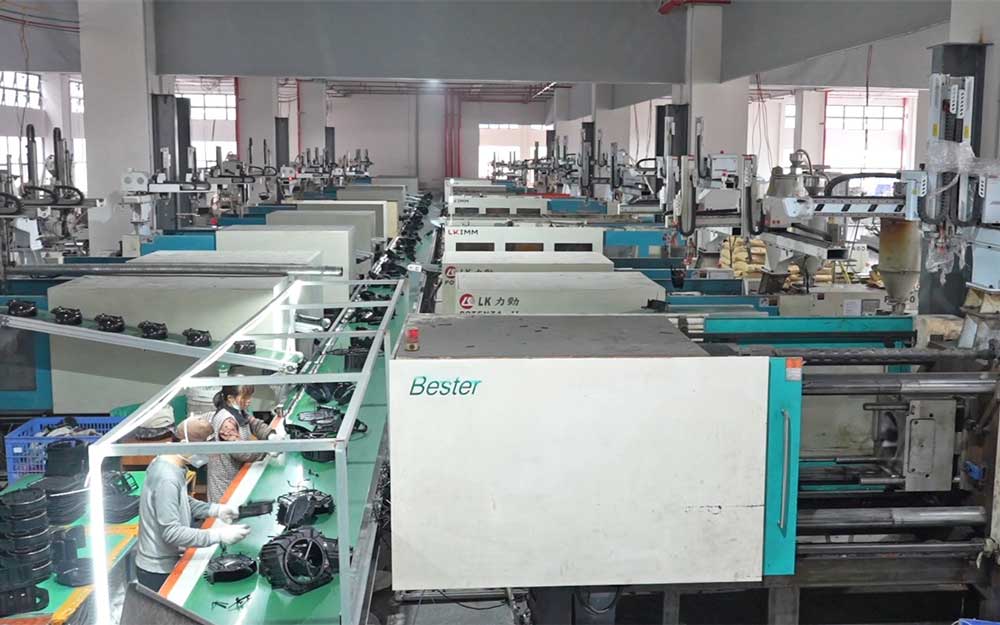
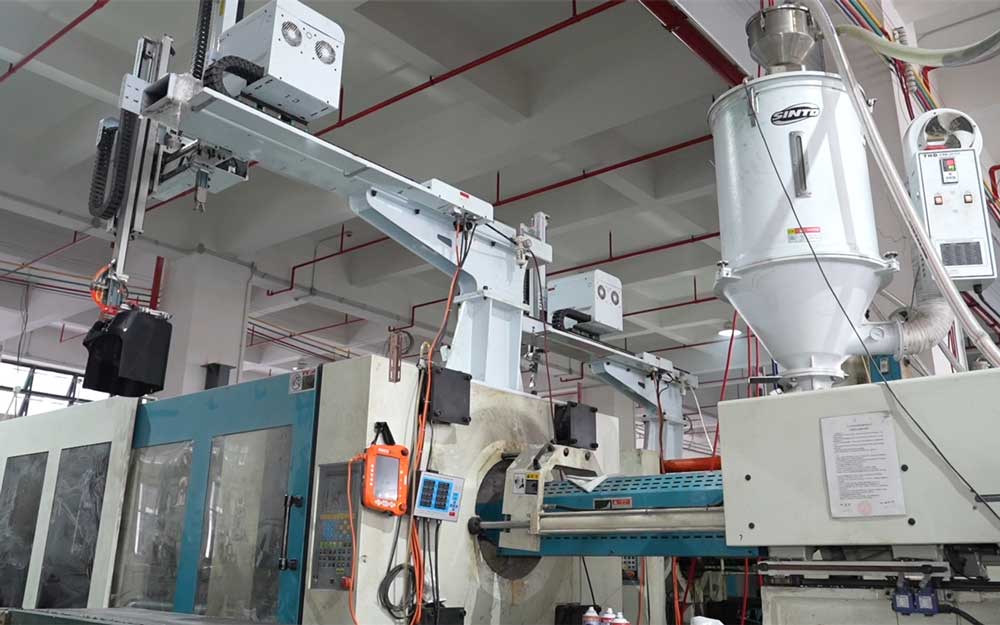
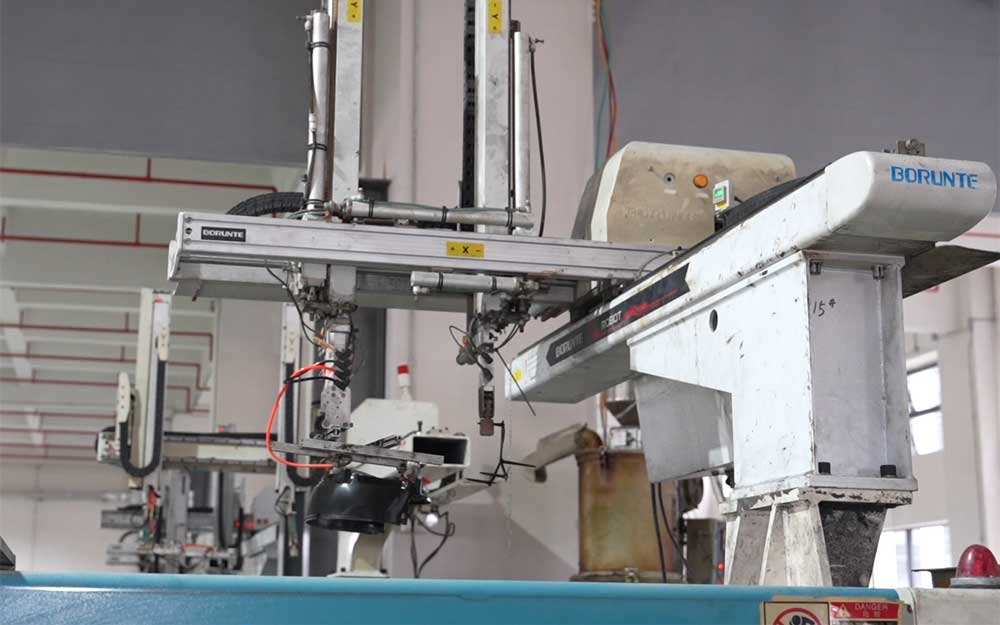
We leverage complete in-house plastic injection molding, sheet metal stamping, and tooling workshops. This allows us to reduce raw component transit time and optimize structural integrity.
Every batch undergoes lifecycle stress tests, high-voltage breakdown evaluations, NTC sensor calibration check, and pressure output verification at full load to prevent failure in commercial settings.
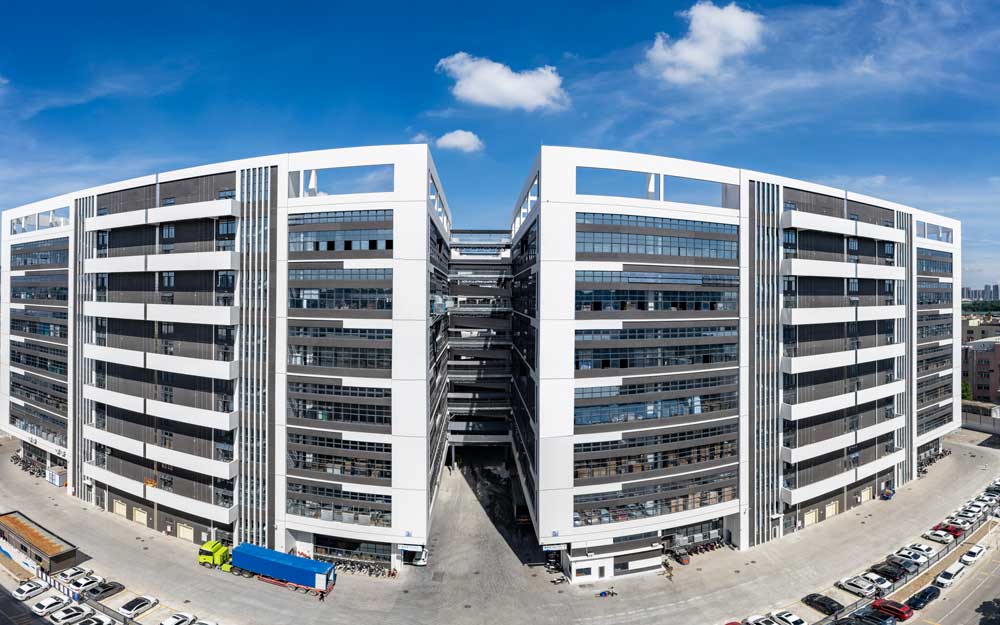
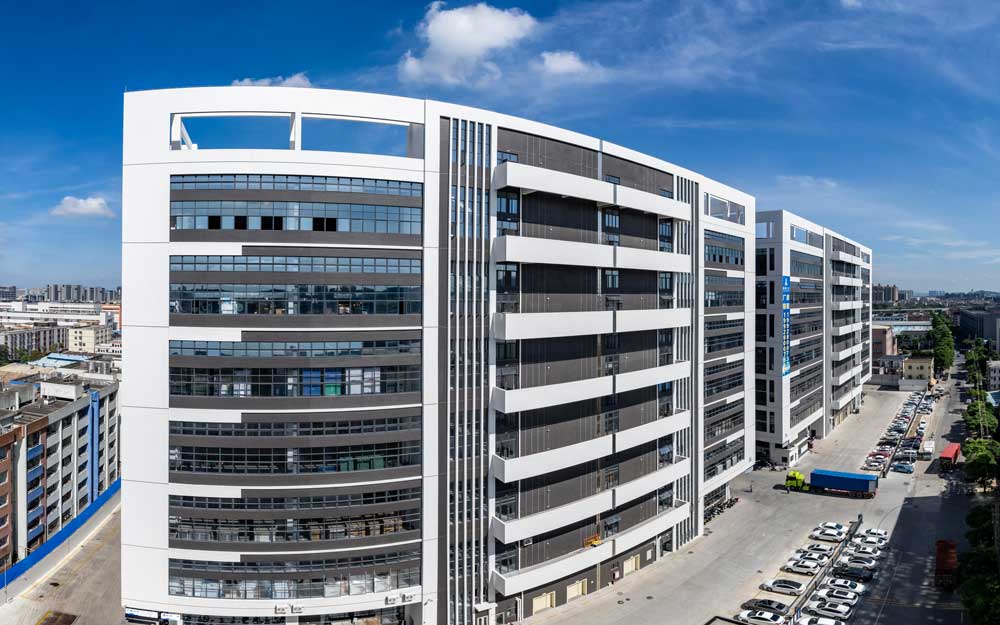
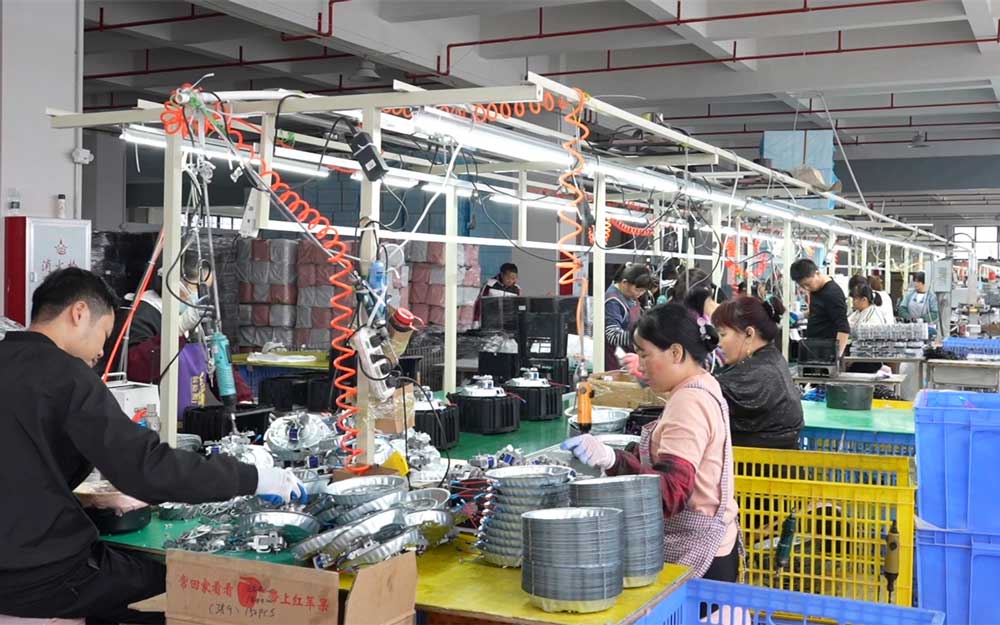
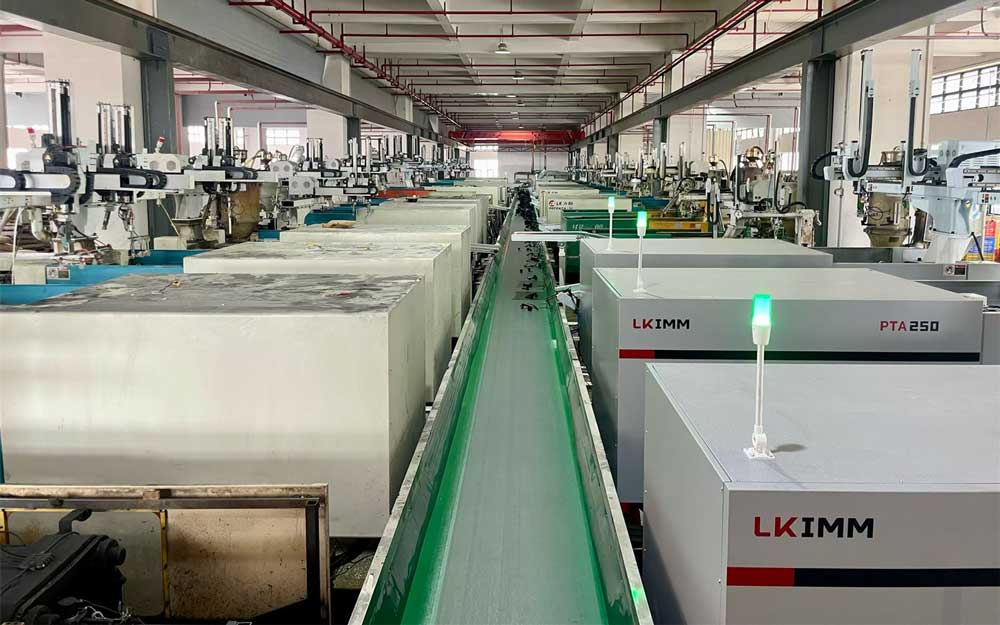
With more than 300 assembly line professionals operating out of our 40,000 square meter ISO-certified factory floor, we easily meet scaling quotas exceeding 10,000 electrical units per day.
As a premier OEM/ODM partner with over 16 years of expertise, Zhongshan Zhenmei Electrical Appliance Co., Ltd. has established itself as an industry leader in manufacturing high-precision kitchen appliances, including advanced commercial and domestic espresso machines. Our 40,000 sqm facility, powered by a dedicated team of 300+ professionals and an R&D crew of 20+ specialized engineers, provides the structural blueprint for fast-scaling brands.
We do not merely assemble parts. We design and optimize thermal systems (thermoblock vs. boiler heating elements), construct precise flow-meter layouts, and program PCB logic to deliver customized extraction profiles. Whether you require custom pressure profiling, modern UI touchscreens, dual-heating configurations, or localized plug layouts, our engineering capability ensures market-ready compliance with international safety and performance certifications.
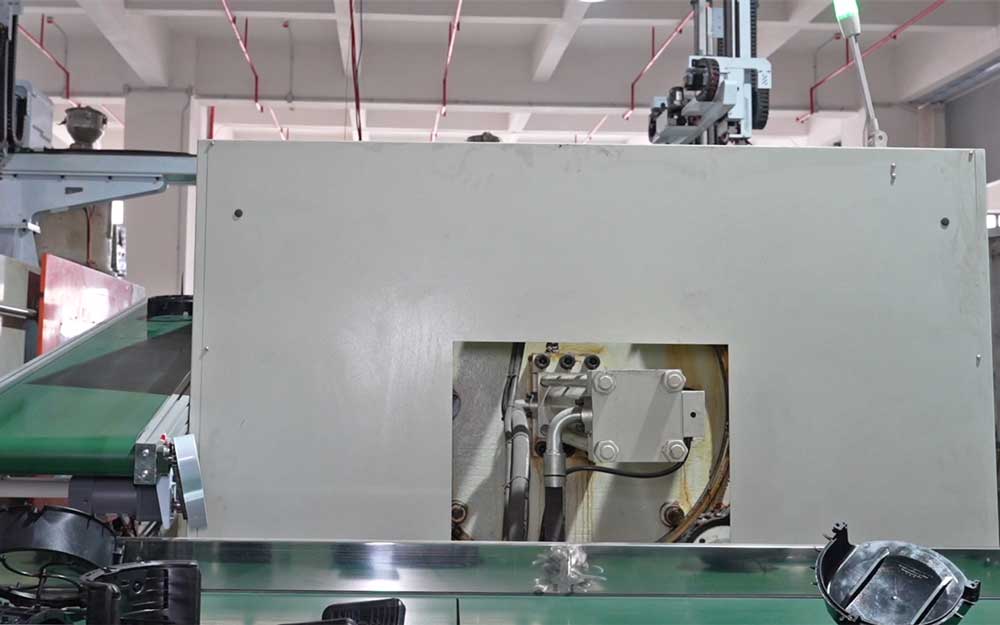
A closer look inside the engineering, assembly, tooling, and testing areas of our 40,000 sqm production hub.
Modern espresso machines must perform across varied operating environments, necessitating versatile designs and configuration systems. By analyzing regional consumer behaviors, we categorize these applications into three primary segments:
The espresso manufacturing sector is undergoing rapid structural evolution. The primary trend focuses on Energy Efficiency & Eco-Designs. Modern consumers demand instant-heat setups that consume 40% less idle electricity compared to old-school brass boiler configurations.
Additionally, the incorporation of PID Temperature Loops allows the appliance to sample water heat 10 times per second, maintaining extraction temperature tolerance within a strict ±0.5°C margin. This prevents the sour notes of under-extraction and the bitter tones of over-extraction. Furthermore, IoT Connectivity allows users to fine-tune pre-infusion timings, pressure slopes, and water temperature profiles directly via mobile applications, creating a fully customizable home-barista ecosystem.
Importing commercial kitchen appliances requires careful navigation of international regulations, manufacturing tolerances, and supply chain timelines. To assist procurement managers, we have compiled an essential sourcing checklist:
At Zhongshan Zhenmei Electrical Appliance Co., Ltd., we streamline this entire workflow. By providing full regulatory compliance mapping, raw material safety certificates, and a team of bilingual logistics specialists, we ensure that bulk orders are executed correctly, on time, and without regulatory delays at target ports.
Get answers to common queries regarding OEM/ODM integration, hydraulic specs, MOQs, and lead times.
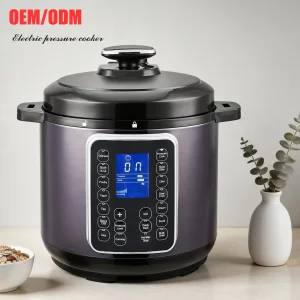
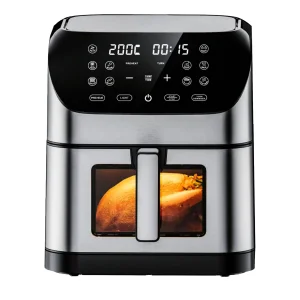
Further expand your brand portfolio with our advanced cooking technology and multi-zone cooking appliances.
 Zhenmei Electrical