Choosing a Large Capacity Pressure Cooker in 2026 requires more than comparing advertised liters. A bigger pot may prepare family-sized stews, beans, and meal-prep batches, but it also needs more storage space and stronger handling. Capacity alone is not enough.
This guide examines practical details that matter in everyday cooking. We will compare usable capacity, pressure settings, heating performance, inner-pot materials, sealing systems, and cleaning access. A cooker advertised as eight liters may offer less usable space because pressure cooking requires headroom. That small difference can affect a full pot of chili or stock.
Safety deserves careful attention. Reliable models should include clear pressure indicators, secure locking mechanisms, steam-release controls, and instructions that are easy to follow. Independent certification can add confidence, but buyers should still read the current manufacturer’s manual. Features can look impressive.
Energy use, warranty support, replacement seals, and control visibility also influence long-term value. Digital programs may simplify cooking, yet manual controls can feel more predictable for experienced users. It is tempting to choose the largest model available. That choice may be wrong for a small kitchen or a household that cooks modest portions.
The recommendations ahead balance expert specifications with realistic kitchen routines. They consider lifting a heavy inner pot, wiping steam from a lid, and finding space beside a crowded sink. Some judgments remain subjective. A model that suits batch cooking may frustrate someone who values quick cleanup. The best decision comes from matching capacity, safety, durability, and daily habits rather than chasing the biggest number.
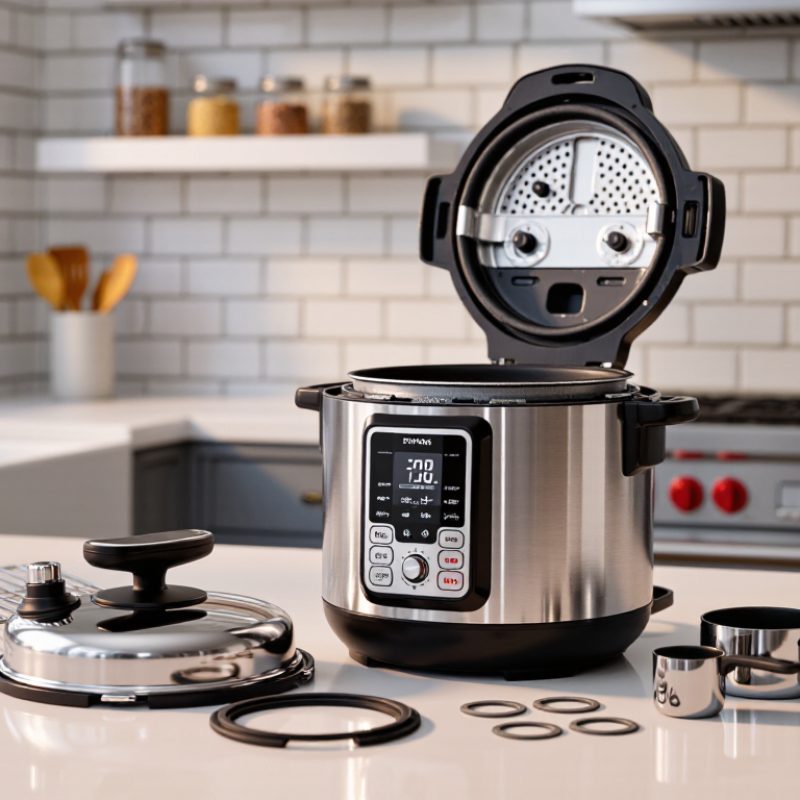
The right capacity depends on your household, not the biggest number on the box. A two-person home may need four to six quarts for soup, beans, or weekend leftovers. A family of five may prefer eight quarts for stew, rice, or batch cooking. Think about your normal meals. Do you cook one large dish, or several small portions?
Measure your usual ingredients before buying. A cooker should not be filled beyond its marked limit, especially with beans, grains, or foamy foods. These ingredients expand during cooking. Leave enough headspace for pressure to build safely. Usable capacity is smaller than advertised capacity. That detail is easy to miss.
Cooking frequency matters too. If you freeze meals, extra capacity can save time and energy. If your storage is limited, a very large cooker may become awkward to lift and clean. I once underestimated the weight of a full pot, and that mistake changed how I planned batches. Consider the cooker's filled weight, cabinet space, and serving size. Check the instruction manual for minimum liquid requirements and food-specific limits. A larger model is not automatically better. Your habits may change, so allow some flexibility without buying far beyond your real needs.
Choosing a large-capacity pressure cooker starts with its cooking type. Stovetop models usually reach higher pressure and recover heat quickly after adding cold ingredients. They suit beans, stock, and large cuts of meat. Electric models offer timers, temperature control, and easier monitoring. They are convenient, but cooking cycles can take longer. A ten-litre pot may not provide ten litres of usable space. Most recipes require room for steam and expansion.
Material affects durability and heat response. Stainless steel resists staining and handles acidic foods well. A thick, layered base improves heat distribution and reduces scorching. Aluminum heats faster and costs less, but it can dent and react with certain ingredients. I once assumed heavier metal always meant better performance. That was too simple. Lid design, sealing quality, and base construction matter just as much.
Pressure performance deserves careful comparison. Check the cooker’s rated operating pressure, usually shown in kPa or psi, rather than relying on vague “high pressure” labels. Stable pressure supports more predictable cooking and reduces guesswork with chickpeas or tough meat. Electric models should maintain pressure without repeated venting. Stovetop models need a clear pressure indicator and a reliable release mechanism. At high altitude, water boils at a lower temperature, so cooking times may need adjustment. Read the manual closely. Capacity, materials, and pressure control should match your actual cooking habits, not an imagined oversized weekend meal.
A large-capacity pressure cooker should feel controlled, not intimidating. Safety systems deserve more attention than cooking presets. Look for a locking lid that cannot open while pressure remains inside. A clear pressure indicator also helps you confirm when the pot is truly depressurized. Good models usually include multiple protections against excessive pressure, overheating, and blocked steam pathways. These features work quietly, but they matter greatly during busy cooking.
Controls should remain readable when steam clouds the kitchen window. Choose a display with clear pressure, temperature, and cooking-time information. Physical buttons can be easier to operate with wet hands than a completely smooth panel. A manual release should keep your hand away from escaping steam. I prefer a removable sealing ring because it is easier to inspect for cracks and food residue. Small details matter.
Capacity can mislead.
A large inner pot still should not be filled to the rim. Leave space according to the instruction manual, especially with beans, grains, or foaming foods. The cooker should have sturdy handles and a stable base, because a full pot is heavy. Check whether the lid, gasket, and steam components can be removed for thorough cleaning. My own mistake would be trusting an impressive control panel too quickly. Simple operation is often safer during a rushed dinner. Read the manual before the first batch, even if the controls seem obvious.
Energy use should be measured during real cooking, not just advertised wattage. The U.S. Department of Energy states that pressure cooking can reduce cooking time by up to 70% and energy use by up to 50%, depending on the food and equipment. For a large cooker, check whether it reaches pressure quickly and maintains heat without constant reheating. I would record electricity use for beans, rice, and stew. My first comparison missed standby power. That was a useful mistake.
Cleaning affects daily reliability. Choose a removable sealing ring, dishwasher-safe inner parts, and a lid without narrow grease traps. NSF/ANSI food-equipment standards emphasize smooth, accessible surfaces because hidden residue can undermine hygiene. Inspect the steam valve after each use. A brush should reach it easily. If the gasket absorbs odors after several meals, replacement cost matters more than a low purchase price.
Durability needs evidence beyond heavy metal. Look for clear safety certifications, replaceable seals, spare-part availability, and a lid mechanism that still feels firm after repeated use. The U.S. Federal Trade Commission advises buyers to examine warranty coverage, exclusions, repair procedures, and service costs in writing. A long warranty may exclude seals, valves, or accidental damage. Ask how many operating cycles were tested. If the seller cannot answer, treat the claim cautiously. Real kitchens are harsher than showroom demonstrations.
How to Choose a Large Capacity Pressure Cooker in 2026?
The best 2026 pressure cooker is not always the largest one. Match capacity, controls, and safety features to your cooking routine and budget. An 8-quart model suits four to six people, weekly meal preparation, and large soups. A 10-quart model helps with batch cooking, but it needs more storage space and cooking liquid. Its usable volume is smaller than the number on the box.
Budget matters. Entry-level models usually provide mechanical controls and fewer programs. Mid-range models may add adjustable pressure, delayed cooking, stainless-steel interiors, and clearer displays. Premium models can improve convenience, but extra programs may remain unused. I have found that a strong sealing ring, readable pressure indicators, and simple steam release controls matter more than decorative settings. Consumer Reports’ pressure-cooker testing highlights control clarity, handling, and cooking performance as practical comparison points.
Tips: Check the inner pot’s real fill line, not its advertised capacity. Never exceed two-thirds full, or half full with foamy foods. The National Fire Protection Association reported that cooking caused 53% of U.S. home structure fires from 2017–2021. Treat safety design as part of the budget. Also follow USDA temperature guidance for meat, then verify doneness with a food thermometer. One compromise is unavoidable: a larger cooker saves batches, but it may cook slowly when barely filled.
Match capacity, estimated servings, and budget to your household size and cooking habits. Larger models are useful for batch cooking, but they require more storage space and longer heating times.
Stovetop models usually reach higher pressure and recover heat quickly. They suit beans, stock, and large meat cuts. Electric models offer timers and easier monitoring. Their cooking cycles may take longer. Convenience wins sometimes.
Not usually. Steam and food expansion require empty space. Keep the cooker below two-thirds full. Use half capacity for foamy foods. Check the inner fill line, not only the box.
Stainless steel resists stains and handles acidic ingredients well. A thick layered base spreads heat and limits scorching. Aluminum heats quickly and costs less. It may dent or react with certain foods. Heavy metal alone proves little.
Check the rated operating pressure in psi or kPa. Ignore vague “high pressure” descriptions. Stable pressure creates more predictable cooking results. Electric models should avoid repeated venting. Stovetop models need clear indicators and reliable release controls.
Yes. Water boils at a lower temperature at higher altitude. Some foods may need longer cooking. Chickpeas can remain firm unexpectedly. Read the manual carefully and adjust gradually. My assumptions would not be enough.
Compare real cooking sessions, not advertised wattage alone. Record electricity use for beans, rice, and stew. Check heating time and standby power. Pressure cooking may reduce energy use, depending on food and equipment. I once missed standby power.
Choose a removable sealing ring and dishwasher-safe inner parts. Avoid lids with narrow grease traps. Inspect the steam valve after every use. A small brush should reach it easily. Hidden residue is easy to overlook.
Look for clear safety certification, replaceable seals, and available spare parts. The lid should remain firm after repeated use. Read warranty exclusions and repair costs in writing. Seals and valves may not be covered. Ask about tested operating cycles. If nobody answers, be cautious.
Choosing the right Large Capacity Pressure Cooker in 2026 begins with understanding your household size, typical meal portions, and cooking routines. Consider whether you need extra room for batch cooking, family meals, or meal preparation, while remembering that a larger pot may require more storage space and energy. Compare electric and stovetop designs, along with materials, inner-pot construction, pressure ranges, heating speed, and the consistency of results. The best option should match the foods you prepare most often and provide dependable performance.
Safety and convenience are equally important. Look for reliable pressure-release systems, secure lid locking, clear controls, useful cooking programs, and easy-to-read indicators. Also evaluate energy consumption, cleaning requirements, removable components, corrosion resistance, overall durability, and warranty coverage. Finally, balance practical features against your budget instead of paying for functions you will rarely use. By matching capacity, performance, safety, maintenance, and long-term value, you can select a pressure cooker that suits your cooking habits and remains useful throughout 2026 and beyond.
Zhenmei Electrical